Are you feeling tired and worn out? Do you want to improve your overall well-being and feel good physically? Look no further!
Taking care of your physical body directly impacts every other area of your life. When you feel physically strong, vibrant, and rested, your mental and emotional states naturally elevate. Small, intentional habits compound over time to create lasting changes in how you experience your day. You do not need a complete lifestyle overhaul to start feeling better right now.
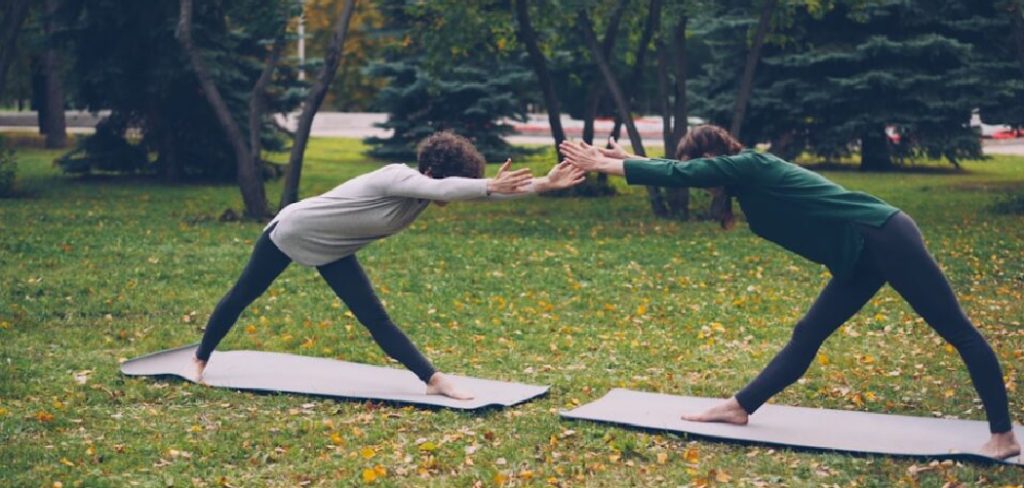
Let’s dive into how to make yourself feel good physically.
What are the Benefits?
Investing time in your physical well-being delivers immediate and long-term rewards. First, you will experience a surge in daily energy, allowing you to tackle tasks without the dreaded afternoon slump. Your mood will stabilize as your body releases natural endorphins and regulates essential hormones. A well-cared-for body also boasts a much stronger immune system, keeping common illnesses at bay. Finally, physical comfort reduces baseline stress, which leads to a significantly higher quality of life.
What Will You Need?
You already have everything you need to get started. However, a few simple tools can make the process easier and more enjoyable:
- A large, reusable water bottle to track your hydration.
- A comfortable pair of supportive walking shoes.
- A quiet, comfortable space for rest and stretching.
- Fresh, whole foods like fruits, vegetables, and lean proteins.
- A willingness to tune in and listen to your body’s signals.
10 Easy Steps on How to Make Yourself Feel Good Physically
Step 1: Prioritize Restful Sleep
Sleep serves as the foundation for all physical recovery. When you sleep, your body repairs damaged tissues, builds muscle, and flushes toxins from your brain. To feel physically vibrant, aim for seven to nine hours of quality sleep each night. Create a dark, cool environment in your bedroom to signal to your body that it is time to rest. Keep electronic devices out of reach to avoid disruptive blue light. By establishing a consistent sleep schedule, you will wake up feeling refreshed and physically prepared to handle the day ahead.

Step 2: Hydrate Your Body Constantly
Water makes up a massive portion of your body, and even mild dehydration can cause fatigue, headaches, and muscle cramps. Keep a water bottle with you at all times and take frequent sips throughout the day. If you struggle to drink plain water, try infusing it with lemon, cucumber, or mint for a refreshing twist. Proper hydration keeps your joints lubricated, your skin glowing, and your digestive system functioning smoothly. Make it a habit to drink a full glass of water first thing in the morning to jumpstart your internal systems.
Step 3: Move Your Body Daily
You do not need to run a marathon to reap the physical benefits of movement. Simple, consistent activity keeps your blood flowing and prevents your muscles from becoming stiff. Take a brisk walk around your neighborhood, dance in your living room, or do a quick bodyweight workout. Aim for at least thirty minutes of moderate activity every single day. Movement naturally releases endorphins, which act as the body’s natural painkillers and mood elevators, making you feel physically lighter and much more capable.
Step 4: Fuel Up with Nutrient-Dense Foods
The food you consume acts as the direct fuel for your body’s engine. Focus on filling your plate with vibrant vegetables, lean proteins, healthy fats, and complex carbohydrates. These whole foods provide the essential vitamins and minerals your body needs to function optimally. Minimize heavily processed items that offer empty calories and leave you feeling sluggish. When you eat balanced meals, your blood sugar remains stable, preventing uncomfortable physical crashes and keeping your energy steady all day long.
Step 5: Practice Deep, Intentional Breathing
Most of us take shallow breaths into our chests, which can keep the body in a state of mild tension. Deep diaphragmatic breathing sends a powerful signal to your nervous system to relax. Take a few minutes each day to inhale deeply through your nose, allowing your belly to expand, and exhale slowly through your mouth. This simple practice lowers your heart rate, reduces blood pressure, and floods your cells with fresh oxygen. You will notice an immediate release of physical tension in your shoulders and neck.

Step 6: Stretch Out the Tension
Sitting at a desk or looking at a phone causes our muscles to tighten and shorten. Regular stretching counteracts this compression and restores your natural range of motion. Dedicate a few minutes each morning or evening to stretch your major muscle groups, focusing on your hips, back, and chest. Gentle yoga or simple dynamic stretches can work wonders for your flexibility. Over time, consistent stretching eliminates nagging aches and pains, making your body feel open, loose, and incredibly comfortable.
Step 7: Get Your Daily Dose of Sunshine
Natural sunlight plays a vital role in how you feel physically. Exposure to sunlight helps your body synthesize Vitamin D, which is crucial for bone health and immune function. Sunlight also regulates your circadian rhythm, ensuring you feel awake during the day and sleepy at night. Step outside for just ten to fifteen minutes every morning to let the sun hit your face and arms. This brief exposure clears brain fog and provides a natural, jitter-free boost of physical energy.
Step 8: Maintain Good Posture
The way you hold your body heavily influences how you feel. Slouching puts unnecessary strain on your spine, neck, and supporting muscles, leading to chronic discomfort. Practice sitting and standing tall, with your shoulders pulled back and your core slightly engaged. Set up your workspace ergonomically so your computer monitor sits at eye level. Correcting your posture not only eliminates physical pain but also improves your breathing capacity and makes you feel more grounded and energized.

Step 9: Limit Your Screen Time
Staring at screens for hours on end strains your eyes and promotes a sedentary posture. Digital eye strain causes headaches, dry eyes, and blurred vision, which heavily drag down your physical comfort. Implement the 20-20-20 rule: every twenty minutes, look at something twenty feet away for twenty seconds. Take deliberate breaks away from your devices to let your eyes and nervous system rest. Reducing screen time directly minimizes physical fatigue and helps eliminate tension headaches.
Step 10: Listen to Your Body’s Signals
Your body constantly communicates its needs; you just have to listen. If you feel exhausted, permit yourself to rest instead of pushing through with caffeine. If a certain food makes you feel bloated, remove it from your diet. Pain, fatigue, and discomfort are warning lights on your physical dashboard. By tuning in and responding to these signals with care rather than frustration, you build a healthier relationship with your physical self, ensuring long-term vitality and comfort.

5 Things You Should Avoid
- Sugary Drinks: They cause rapid spikes and crashes in blood sugar, leaving you feeling sluggish and drained.
- Prolonged Sitting: Staying perfectly still for hours stiffens your joints and slows down your metabolism.
- Skipping Meals: Denying your body food leads to energy crashes, irritability, and muscle weakness.
- Doomscrolling Before Bed: Staring at negative news on a bright screen destroys your sleep quality and increases physical tension.
- Ignoring Pain: Pushing through sharp or chronic pain usually leads to worse injuries; always address discomfort early.
Frequently Asked Questions
- How Long Does It Take to Notice Physical Changes?
You will often notice a shift in your energy levels within the very first few days of proper hydration and sleep.
Changes in muscle tone, flexibility, and endurance generally take about three to four weeks of consistent effort.
Your body adapts quickly when you provide it with the right fuel and environment.
Remember to celebrate the small victories, like waking up without a backache or walking up the stairs without losing your breath.
Long-term transformation happens gradually, so patience remains a vital part of the process. - Do I Need an Expensive Gym Membership?
You absolutely do not need a gym membership to feel physically fantastic.
Bodyweight exercises, brisk walking, and home stretching routines cost nothing and deliver incredible results.
Parks, community trails, and your own living room serve as excellent spaces for daily movement.
There are thousands of free workout guides and videos available to help you build strength at home.
Consistency matters far more than the equipment you use or the location where you train. - What if I Feel Too Tired to Exercise?
Start by assessing if your fatigue stems from a lack of sleep or a lack of movement.
Often, a sedentary lifestyle makes you feel artificially tired, and a short, brisk walk will actually wake you up.
If you are genuinely exhausted from a lack of sleep, prioritize rest for that day instead of forcing a workout.
You can always compromise by doing gentle stretching or restorative yoga to move your body without draining your energy.
Listen to your body and choose the option that leaves you feeling rejuvenated rather than depleted.
Conclusion
How to make yourself feel good physically is a continuous, rewarding journey rather than a one-time destination.
By applying these fundamental steps, you are actively choosing to respect and nurture the only body you have. Start small, pick one or two habits to focus on this week, and build your momentum from there. You have the power to influence your daily energy, comfort, and vitality.
Take that first step today, and enjoy the physical freedom that follows.

About
Joe Herman is a distinguished figure in the world of personal development, with a decade of expertise creating innovative and sustainable self-improvement frameworks. His professional focus lies in merging cognitive behavioral strategies with modern productivity techniques, fostering habits that are both practical and mentally sustainable. As the lead author of selfvity, Joe Herman delves into the art and science of human potential, inspiring individuals and industry professionals alike to optimize their daily lives.
Education
Stanford University
(Stanford, California) Associate Degree in Behavioral Psychology — Focus on habit formation, cognitive restructuring, and peak performance. Gained hands-on experience with psychological assessment tools and data-driven behavioral modification.
University of Pennsylvania
(Philadelphia, Pennsylvania) Bachelor’s in Positive Psychology and Human Potential (Honors) — Specialized in the science of well-being with a focus on blending psychological theory with actionable growth techniques. Participated in extensive research projects, working with leading wellness consultants to gain real-world insights into human motivation.
Publications and Impact
In selfvity, Joe Herman shares his insights on internal growth processes, mental material, and strategies for efficient lifestyle design. His writing bridges the gap between scientific research and everyday application, making it a must-read for both individuals seeking personal clarity and seasoned professionals looking to refine their mental edge.