Cultivating beautiful locs requires immense patience. Over months and years, the maturation process demands consistent maintenance and care. Eventually, almost every person with this hairstyle encounters the stubborn problem of internal buildup.
Natural oils and environmental lint inevitably find their way into the dense core of the hair shaft. Regular shampoo simply cannot penetrate deeply enough to extract this embedded residue. Learning how to detox locs appears to be an essential step for restoring lightness to the hair.
This article explores the specific science behind the deep-cleaning process. We will examine the chemical reactions that dissolve buildup and discuss alternative methods for sensitive scalps. You will find a clear, step-by-step approach to achieving completely clean hair without causing excessive dryness.

Why You Need to Know How to Detox Locs?
The very mechanics of how locs form make them highly susceptible to accumulating debris. The interlocking structure creates a dense matrix that acts as a magnet for environmental particles. Ignoring this hidden residue can eventually lead to dullness or noticeable thinning near the scalp.
The Hidden Traps for Dirt and Oil
As hair strands weave together, they form microscopic pockets. Lint from clothing or heavy styling gels can easily settle into these hidden spaces. Over time, this mixture compresses into a waxy substance that becomes trapped within the center of the loc.
Regular washing often addresses surface-level dirt. It generally fails to reach the hardened oils compacted deep inside the hair. This structural reality suggests that occasional deep cleansing is necessary to prevent long-term damage.
Signs Your Hair Needs a Deep Clean
Identifying buildup early might save your hair from unnecessary weight and stress. You might notice a white cast forming near the roots that refuses to wash away. Sometimes, the hair simply feels unusually heavy when wet.
Another common indicator is a sudden lack of response to your normal moisturizing routine. If your hair remains brittle despite conditioning, internal residue might be blocking absorption. These symptoms typically suggest that a clarifying treatment is overdue.
The Science Behind the ACV and Baking Soda Method
The standard deep-cleaning method relies on a very specific chemical reaction. Combining baking soda with apple cider vinegar creates an active environment that physically lifts stubborn dirt. Understanding this chemistry helps explain why the process works so effectively.
How Baking Soda Lifts Dirt
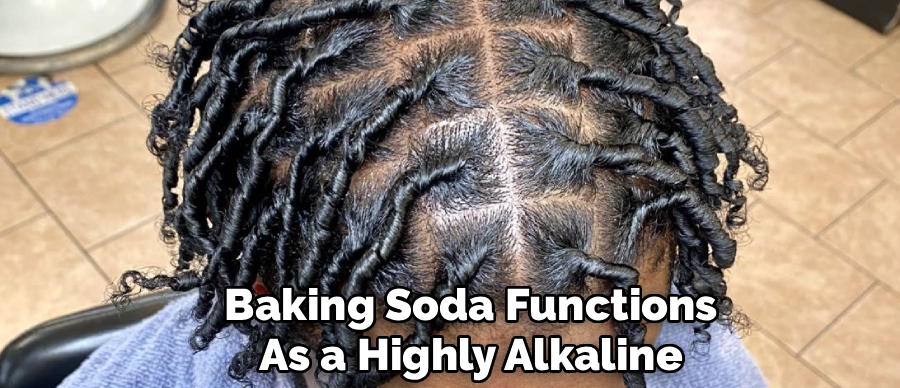
Baking soda functions as a highly alkaline agent. This high pH environment gently forces the hair cuticle to open wide. Once the cuticle is open, the mild abrasive properties of the sodium bicarbonate can access the trapped debris.
It effectively cuts through hardened oils that have been sitting in the hair for months. The alkaline nature dissolves the greasy bonds holding the lint in place. This allows the trapped particles to finally float away in the water.
Why Apple Cider Vinegar Restores pH Balance
Leaving the hair cuticle open would eventually cause severe structural damage. Apple cider vinegar introduces a necessary acidic element to the cleansing process. The mild acidity naturally neutralizes the high pH of the baking soda.
This reaction forces the hair cuticle to close smoothly and tightly. Closing the cuticle locks in underlying moisture and leaves the hair feeling relatively soft. Without this neutralizing step, the strands might become dangerously brittle.
Step-by-Step Guide on How to Detox Locs
Approaching this process methodically ensures you achieve maximum cleanliness while minimizing potential damage. This core methodology relies entirely on the chemical interaction we just explored. Following these exact steps will safely demonstrate how to detox locs at home.
Step 1: Gather Your Ingredients and Tools
Proper preparation prevents you from scrambling with wet, heavy hair. You will need a large basin or an inflatable sink that allows you to lie back comfortably. Procure roughly half a cup of baking soda alongside three-quarters of a cup of raw apple cider vinegar.
You might also want to include a few drops of a preferred essential oil to improve the scent. Tea tree or rosemary oil generally serves as an excellent addition. Having plenty of hot water readily available is also highly recommended.
Step 2: Prepare Your Detox Soak
Fill your basin with water that feels quite warm to the touch. The temperature should be high enough to help dissolve oils, but safe enough to prevent scalp burns. Slowly stir the baking soda into the water until it dissolves entirely.
Once the water is clear, pour in the apple cider vinegar. You will likely notice a mild fizzing reaction as the acid meets the alkaline base. Add your essential oils last to complete the mixture.
Step 3: Submerge and Squeeze Your Locs
Lie back carefully and submerge the entire length of your hair into the basin. Ensure that the water covers the roots and the dense ends. You must actively help the solution penetrate the hair shaft.
Use your hands to gently squeeze the hair from the root down to the tip. This pumping action acts like a sponge, drawing the cleansing liquid deep into the center of each loc. Repeat this squeezing motion for several minutes.

Step 4: Soak for 20 to 30 Minutes
Allowing the solution enough time to work is a critical component of the process. Rest comfortably with your hair submerged for roughly twenty to thirty minutes. You might notice the water turning cloudy or even dark brown as the soak progresses.
This discoloration serves as a visual confirmation that the process is working. The baking soda is actively breaking down the hidden barriers of oil. Try to remain still and let the chemistry run its course.
Step 5: Rinse Thoroughly with Warm Water
Once the soaking period ends, you must remove every trace of the cleaning agents from your hair. Drain the dirty water from the basin entirely. Move to a shower or use a heavy stream of warm running water to rinse your head.
You should rinse continuously for at least five to ten minutes. Leaving any residual baking soda behind will inevitably dry out your scalp. Thorough rinsing is arguably the most important physical action in this entire routine.
Step 6: Follow Up with a Clarifying Shampoo
The soak loosens the debris, but a final wash carries it all away. Apply a generous amount of residue-free clarifying shampoo to your scalp. Massage it in deeply to remove any lingering particles that the soak brought to the surface.
Rinse the shampoo out completely until the water runs crystal clear. Your hair should immediately feel significantly lighter. This final step guarantees that the detox process is truly complete.
Alternative Detox Methods for Sensitive Scalps
The traditional baking soda method can sometimes feel too aggressive for certain hair types. Individuals with compromised scalps might require a gentler approach to removing buildup. Several alternative treatments offer effective cleansing with less chemical intensity.
Bentonite Clay Mask Method
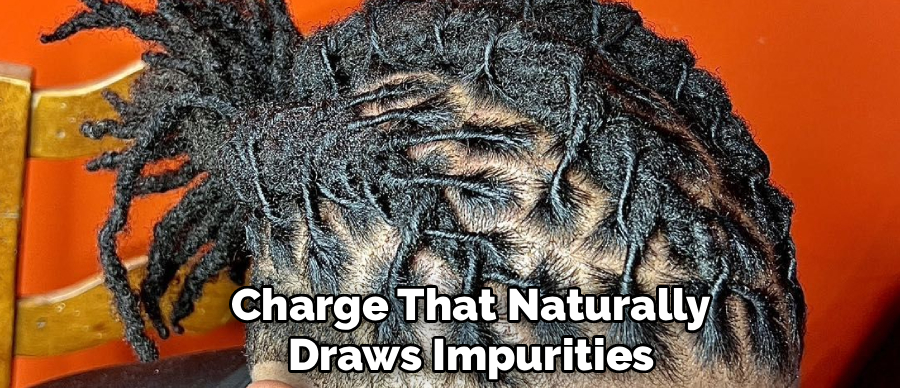
Bentonite clay possesses a negative ionic charge that naturally draws impurities out of the hair. You can mix the clay powder with water and aloe vera juice to create a thick paste. Applying this paste directly to the hair pulls toxins outward without aggressively stripping the natural sebum.
This method takes slightly longer to apply, as you must coat each section individually. However, it often leaves the hair feeling incredibly conditioned. It appears to be an excellent alternative for those prone to extreme dryness.
Lemon and Witch Hazel Spritz
Sometimes you only need a mild surface intervention between deeper washes. A diluted mixture of witch hazel and fresh lemon juice can act as a powerful astringent. Spraying this directly onto the scalp helps break down minor oil accumulations.
You can simply wipe the scalp with a damp cloth after spraying. This prevents the need for a full soaking session while still addressing mild odor or itchiness. It serves as a practical maintenance tool for busy schedules.
Best Practices for Drying After a Detox
A deep cleaning session makes the hair highly absorbent. The strands will hold onto significantly more water than they do during a normal wash. Drying the hair properly is an absolute necessity to prevent new problems from developing.
Microfiber Towels vs. Cotton
Traditional cotton towels shed microscopic fibers every time you use them. Rubbing a cotton towel over freshly cleaned locs will instantly introduce new lint into the hair. You should switch exclusively to microfiber towels for the drying phase.
Microfiber absorbs moisture rapidly without leaving any fabric residue behind. Gently squeeze the water out of your hair rather than aggressively rubbing it. This gentle compression protects the structural integrity of the style.
The Importance of Complete Drying to Prevent Mildew
Damp hair trapped in a dense structure creates the perfect environment for mildew. Tying your hair up while it is still wet can lead to a sour, musty odor that is incredibly difficult to remove. The core of the hair must become bone dry.
Sitting under a hooded dryer is generally the most effective way to ensure complete evaporation. Alternatively, you can use a hand-held blow dryer on a moderate heat setting. Never sleep on damp hair following a major cleansing session.
Hydrating Your Locs Post-Detox
Stripping away years of buildup inevitably removes some of the hair’s natural moisture. You must actively replenish this hydration to keep the strands flexible and strong. Proper conditioning prevents post-detox breakage.
Essential Oils for Moisture
Heavy creams are exactly what caused the buildup in the first place. You should rely on lightweight, penetrating oils to restore softness. Jojoba or sweet almond oil mimics the scalp’s natural sebum quite effectively.
Apply a small amount of oil to your fingertips and massage it directly into the scalp. You can then gently smooth the remaining oil down the length of the hair. A little product goes a very long way.
Aloe Vera Application
Aloe vera juice provides excellent water-based hydration. It penetrates the hair shaft easily without leaving a sticky or waxy coating behind. Many people use a simple spray bottle to mist aloe vera over their hair daily.
This natural humectant helps soothe the scalp after the intense alkaline exposure of the soak. It also promotes a natural, healthy shine. It remains one of the safest moisturizing agents available for this specific hairstyle.

Prevention: How to Minimize Future Buildup
Spacing out your deep cleaning sessions protects your hair from excessive wear and tear. You can drastically reduce the need for soaking by altering your daily maintenance habits. Prevention always requires less effort than extraction.
Avoiding Heavy Waxes and Creams
Thick styling products like beeswax or heavy shea butter coat the hair entirely. These sticky barriers act like adhesive paper, trapping every piece of floating dust you encounter. Transitioning to water-soluble gels will immediately reduce your long-term buildup.
If a product does not easily wash off your hands with water, it will not wash out of your hair. Reading ingredient labels helps you avoid these hidden traps. Lightweight maintenance is the key to longevity.
Protecting Your Hair at Night
Your bedding is likely the primary source of lint in your hair. Cotton pillowcases shed continuously as you move in your sleep. Protecting your hair at night forms a critical barrier against this environmental debris.
Always wear a satin bonnet or use a silk pillowcase. These smooth materials generate zero friction and produce absolutely no lint. This one simple habit will completely change the trajectory of your hair’s health.
Conclusion
Maintaining this unique hairstyle requires a balance of minimal interference and targeted intervention. Over time, unseen residue can weigh down the strands and compromise the health of your scalp. Implementing a regular deep-cleaning schedule will drastically improve the appearance of your hair.
Understanding how to detox locs properly empowers you to take complete control of your maintenance routine. You do not need to rely on expensive salon treatments to remove stubborn lint or waxy residue. Gather your baking soda and apple cider vinegar, check your roots for signs of buildup, and plan your first clarifying soak for the upcoming weekend.

About
Joe Herman is a distinguished figure in the world of personal development, with a decade of expertise creating innovative and sustainable self-improvement frameworks. His professional focus lies in merging cognitive behavioral strategies with modern productivity techniques, fostering habits that are both practical and mentally sustainable. As the lead author of selfvity, Joe Herman delves into the art and science of human potential, inspiring individuals and industry professionals alike to optimize their daily lives.
Education
Stanford University
(Stanford, California) Associate Degree in Behavioral Psychology — Focus on habit formation, cognitive restructuring, and peak performance. Gained hands-on experience with psychological assessment tools and data-driven behavioral modification.
University of Pennsylvania
(Philadelphia, Pennsylvania) Bachelor’s in Positive Psychology and Human Potential (Honors) — Specialized in the science of well-being with a focus on blending psychological theory with actionable growth techniques. Participated in extensive research projects, working with leading wellness consultants to gain real-world insights into human motivation.
Publications and Impact
In selfvity, Joe Herman shares his insights on internal growth processes, mental material, and strategies for efficient lifestyle design. His writing bridges the gap between scientific research and everyday application, making it a must-read for both individuals seeking personal clarity and seasoned professionals looking to refine their mental edge.