

There’s a familiar urge that creeps up for most of us—the itch to begin again, or at least make a dent in our usual patterns. Still, the prospect of throwing everything out the window and starting fresh? That can feel close to impossible, more exhausting than inspiring. Yet, setting aside a mere month—thirty little days—may, surprisingly, be enough to nudge new habits into place. A commitment like this feels less intimidating. Not forever, just for now.

It’s tempting to imagine dramatic, cinematic makeovers. But real change, the kind that actually sticks, almost never depends on grand gestures or mysterious “willpower” others seem to possess. It comes, it seems, in the shape of small choices, repeated with some care and honesty. Give yourself a defined period, work with what actually fits your life, and bit by bit, your mind starts letting the new normal in. In this guide on how to change your life in 30 days, we’ll explore actionable steps to help you make lasting changes in your life.
Set Clear and Realistic 30-Day Goals.
This part can’t be faked. If a shift is meant to mean anything, it needs a backbone—goals that are plain, specific, and possible rather than floaty ambitions. Vague aims (“I’ll be happier, healthier, better”) rarely move people past good intentions. Write things down. Pin the target to the wall, figuratively or literally. Want to sleep better? Decide on a bedtime and stick to it, or track wakeups. Four weeks is short enough to try something real, but long enough for patterns to surface.
Consider this: the more areas you try to fix at once, the less likely any of them will stick. It’s almost mathematical—try overhauling your diet, running daily marathons, learning Turkish, and writing a memoir, and you’re likely to burn out on day six. Tackle just one or maybe two core routines. If picking vegetables today changes what you have energy for tomorrow, start there. Momentum comes from wins, however awkward or partial.
Create a Simple Daily Structure
Many days, the drive simply evaporates, leaving you to the mercy of whatever mood you woke up with. It’s a trap to rely on motivation alone—no one has enough of it, not for thirty straight days. Build yourself a scaffold. Decide in advance: mornings will start with a notebook and black coffee, evenings will end with a shower and an actual book. The more of your day you script (loosely, not militantly), the less energy you’ll waste renegotiating your plans in the moment.
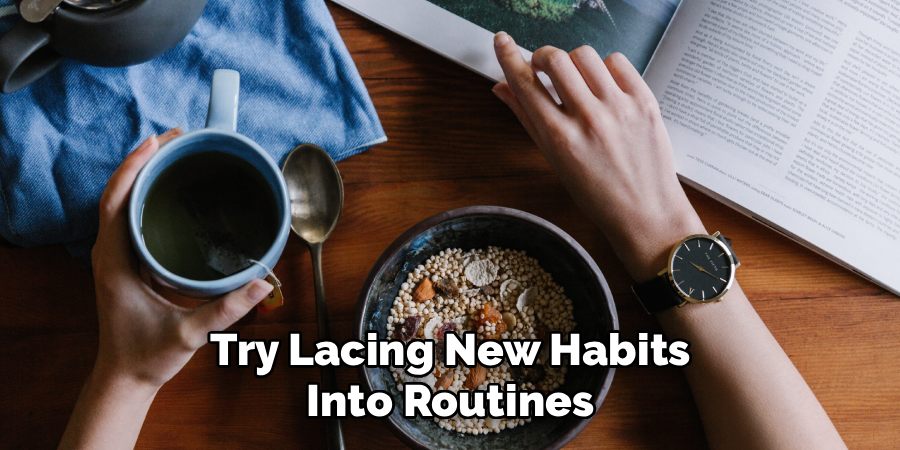
Try lacing new habits into routines you already have. If, out of habit, you always check your phone after starting your coffee, leave a book or sketchpad next to the pot. Read one page, draw one doodle. Linking the new with the automatic bumps up your odds of sticking. Don’t panic when things go sideways. Your routine will wobble. So long as it gets you back on track by tomorrow, it’s working.
8 Simple Step-By-Step Guidelines on How to Change Your Life in 30 Days
Step 1: Define Your Core Focus
Making everything better at once rarely ends well. Instead, try sitting with a blank page and asking: what’s really blocking you right now? Sometimes, it’s obvious—maybe your energy’s always flat, or your finances are in a slow-motion tailspin. Other times, it’s murkier, like a general fog or a sour feeling that something is off. Try to name it, even awkwardly. The sharper your focus, the easier it is to marshal what little willpower you have toward one meaningful opening.
With that in view, break it down: if it’s finances, maybe every evening you note down what you’ve spent, and try bringing lunch from home. Pinpointing one bottleneck doesn’t fix everything, but it makes the daily grind feel linked to a purpose, not just another to-do list.
Step 2: Declutter Your Physical and Mental Environment
It’s hard enough to change on a good day; doing it in the middle of chaos makes it ten times harder. If your desk is buried in papers and half-empty coffee mugs—or your calendar overflows with “shoulds”—your mind will, inevitably, become just as cluttered. Set aside a morning to clear some of the mess. Maybe donate clothes you haven’t touched in a year, or finally tackle that inbox.

But physical clutter isn’t the only challenge. We all lug around unkept promises to others, forgotten tasks, ties we’re reluctant to cut. List what weighs on you. Cross off what doesn’t deserve your energy; delegate what you can; resolve or let go of what lingers. A fresh environment (inner or outer) clears just enough space for better habits to take root.
Step 3: Prioritize Physical Movement Every Single Day
The link between moving your body and shifting your mood, while often cited, shouldn’t be brushed aside. Sitting all day saps motivation; tension creeps into your jaw, your patience shrinks. That said, no one’s expecting Olympic feats. Consistency carries more weight than intensity. If thirty minutes of yoga feels like too much, walk around the block or just stretch out in the living room.
Let yourself have off-days. When you’re tired, five minutes is still better than nothing. More important than breaking a sweat is building the underlying identity that you are, at some level, someone who takes care of themselves, even (or especially) when they don’t feel like it.
Step 4: Cultivate a Daily Mindfulness Practice
It’s unnervingly easy to drift through weeks on autopilot. In that default state, minor setbacks provoke outsized reactions, and decisions get made in a haze. Mindfulness—however awkward or brief—wedges a tiny gap between thoughts and reactions. It creates room for choice.
This might look like ten minutes of meditation, or three mindful breaths at every stoplight. Maybe, some days, it’s putting your phone away during lunch and actually tasting your food. The form matters far less than the act itself: returning, repeatedly, to the present. Over a month, even haphazard mindfulness slows racing thoughts and makes storms feel more manageable.
Step 5: Intentionally Limit Your Digital Consumption
There’s an argument to be made that, however much we might learn online, we forfeit attention and time in gigantic amounts. Scrolling is almost always easier than pursuing better habits, which means screens will win by default if you don’t set some friction. Boundaries aren’t about self-denial; they’re about focus. Try charging your phone in another room, or using app blockers if that works for you.

What next? Replace some phone time with experiences tied to your goals. Fit in a chapter from that book you keep forgetting, shoot a text to someone who matters, or chip away at a new skill. Even reclaiming half an hour a day adds up to a significant dent in a month.
Step 6: Optimize Your Sleep Hygiene
Everything crumbles if your nights are restless. Consistent, restorative sleep underpins every plan, every tiny act of resilience. When you shortcut sleep, the following day tends to muddle along in survival mode—foggy, irritable, less likely to stick to any new script.
Experiment with a wind-down routine. Lower the lights. Leave your phone on the kitchen table. Dip into a real book, not a blue-lit screen. What matters is repetition: the brain responds best to ritual. Give yourself fixed times, even on weekends, and the benefits—more focus, steadier emotions—may begin to emerge. Without this, the rest probably doesn’t matter much.
Step 7: Build Meaningful and Supportive Connections
Plans made in a vacuum have a way of dissolving. The people nearby shape your habits, whether you admit it or not. Changing, especially when old friends aren’t changing with you, can feel lonely, even futile. But connection helps—sometimes in ways that are barely noticeable, sometimes as the main reason you persist.
Look for someone to walk the road with you: a friend interested in the same habit, a local group, or a digital community. Even casual accountability helps. Touch base now and then, share wins and setbacks. The act of saying out loud what you’re attempting has power, soft though it may be.

Step 8: Track Your Progress Daily
There’s a peculiar satisfaction in seeing tangible proof you’re inching forward. It’s easy to lose that perspective in the blur of days, especially if progress is subtle. A wall calendar with scratched-off days, or a notebook that logs your efforts and pitfalls, makes it harder to forget how far you’ve traveled.
Don’t treat every slip-up as a crisis. The point isn’t a clean streak, but the awareness that comes from looking at patterns—what helped, what tripped you up, what might be worth tweaking next week. Celebrate the fact that you’re still in the process, not stuck at the starting gate. This is how new identities take shape.
Following these steps on how to change your life in 30 days can help you make significant progress towards your goals. It may not be easy, but with determination and consistency, it is possible to transform your life for the better.
Common Mistakes to Avoid
Trying to fix everything at once almost never ends well; burning out by week two is far too common. Pursuing perfection is no more useful—one botched day doesn’t negate your progress, unless you allow discouragement to spiral out. Relying on motivation without any supporting system usually leads to failure on tougher days, when energy runs out.
And if you skip marking small wins along the way, the experience will feel like non-stop self-flagellation instead of something actually worth continuing. It’s important to keep your expectations realistic to give this a fighting chance to last.
End-of-30-Day Reflection
As day thirty arrives, set aside time for honest reflection—a quiet look back can do more than you’d expect. Revisit what you scribbled down at the start; how close did you come? Acknowledge the effort, not just the results. Small changes, tucked into daily life, are worth celebrating.
Also, don’t skirt around the hard parts. Where did things fall apart? What circumstances, inner or outer, stood in your way? This isn’t about scolding yourself, but about learning where change comes easily and where resistance hides. These realizations are currency for your next round. All of this—success, failure, uncertainty—can push a trial month into a lifelong habit, provided you stay curious about your own process.
Frequently Asked Questions
Q1: Can I Really Change My Life In Just 30 Days?
Not entirely—but that’s not the point. A month won’t erase every longstanding problem. What it can do, however, is jolt your habits just enough to lay down new pathways in your mind, new scripts for behavior. If you focus on core routines—just for this month—you may notice a shift in your direction, even if you’re nowhere near the finish line.
Q2: What Should I Do If I Miss A Day Or Fail A Habit?
Expect it, actually. Everyone misses a beat. One day gone doesn’t mean the next twenty-nine are pointless. Resist the urge to scrap everything after a misplaced step. Instead, notice what happened, consider what you might change, and decide to carry on anyway. Progress isn’t ruined by error unless you quit in frustration.
Q3: How Do I Maintain These Changes After The 30 Days?
Long-term maintenance isn’t about clinging to goals, but about becoming a person for whom the new behavior feels obvious. Instead of “trying to exercise,” you become someone who moves their body, as a matter of course. Structures that helped for a month can, with small tweaks, become permanent. Keep tracking, test slightly harder habits after the basics feel easy—it’s in these quiet adjustments that lasting change emerges.
Your Next Chapter Begins Today
The truth? There’s nothing magical about a fresh start, nothing exclusive about personal change. It’s mostly about showing up each day, making a few stubborn choices, and not giving up when you’d rather coast. Set one or two goals that actually matter to you, add them into a daily rhythm, and step into this experiment with both feet.
Thirty days will come and go, no matter what you do with them—so why not see what sort of life you can build, one unremarkable day at a time? Grab a notebook, jot down where you’d like to begin, and—well—start. Thanks for reading this guide on how to change your life in 30 days.

About
Joe Herman is a distinguished figure in the world of personal development, with a decade of expertise creating innovative and sustainable self-improvement frameworks. His professional focus lies in merging cognitive behavioral strategies with modern productivity techniques, fostering habits that are both practical and mentally sustainable. As the lead author of selfvity, Joe Herman delves into the art and science of human potential, inspiring individuals and industry professionals alike to optimize their daily lives.
Education
Stanford University
(Stanford, California) Associate Degree in Behavioral Psychology — Focus on habit formation, cognitive restructuring, and peak performance. Gained hands-on experience with psychological assessment tools and data-driven behavioral modification.
University of Pennsylvania
(Philadelphia, Pennsylvania) Bachelor’s in Positive Psychology and Human Potential (Honors) — Specialized in the science of well-being with a focus on blending psychological theory with actionable growth techniques. Participated in extensive research projects, working with leading wellness consultants to gain real-world insights into human motivation.
Publications and Impact
In selfvity, Joe Herman shares his insights on internal growth processes, mental material, and strategies for efficient lifestyle design. His writing bridges the gap between scientific research and everyday application, making it a must-read for both individuals seeking personal clarity and seasoned professionals looking to refine their mental edge.





7 thoughts on “How to Change Your Life in 30 Days”