

There’s a certain tyranny to the bathroom scale, isn’t there? Staring down at that number—hoping for a change—is almost a ritual for anyone hoping to get fit. Yet, depending on a single, fluctuating metric can obscure so much of what’s actually happening beneath the surface. If you’ve ever felt stuck because the dial wouldn’t budge, you’re not alone. Many people end up chasing numbers, missing out on more significant, meaningful progress.
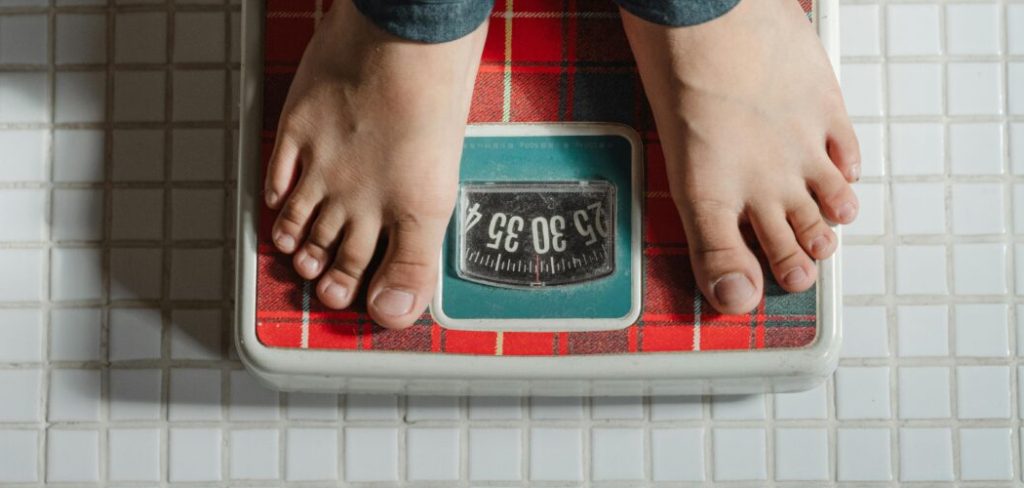
Now, here’s something worth considering: letting go of the old scale habit might open the door to a healthier, less fraught relationship with your own body. Shifting your attention to other concrete, observable changes could tell you far more about what matters—how you’re actually changing, how you feel, what you can do now that wasn’t possible before. Sometimes what matters most is invisible to a household gadget. In this guide on how to weigh yourself without scale, we’ll explore alternative ways to track your progress and celebrate the changes you’re making.
Understanding Body Weight Beyond the Scale
Body weight is a curious thing. It moves up and down, often for reasons that have nothing to do with actual fat loss or gain—think hydration, a salty dinner, sleep (or the lack of it), menstrual cycles, and digestion. Step onto a scale and it weighs everything inside: muscle, fat, bone, water, organs—a muddle of tissues that change by the hour.
Now, muscle is much denser than fat, so you might shrink—literally—while the number stays put, or, confusingly, goes up. Does that mean you haven’t made progress? Not at all. Appreciating these nuances might be the essential lesson here. Depending solely on a scale is a bit like taking attendance in a crowded room without looking up; you miss the stories behind the numbers altogether.
7 Honest Steps on How to Weigh Yourself Without Scale
Step 1. Grab a Tape Measure and Get Specific
One of the simplest tools—an ordinary sewing tape—can reveal real changes over time. It’s hardly glamorous, but measuring the parts that tend to shift (waist, hips, thighs, arms, chest) and jotting those down in a journal will give you an honest look at where the action’s happening. A tape won’t lie: if your jeans are looser at the waist or your arms feel firmer, something real is changing, regardless of pounds.
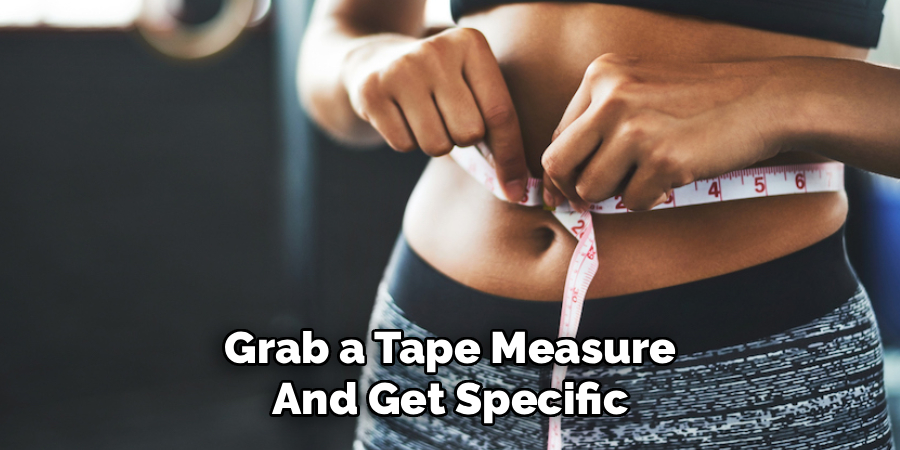
Here’s a tip: for consistency, measure first thing in the morning and don’t tug the tape tight (tempting, but misleading). Leave the bravado at the door. Tracking numbers for a month—or even a couple of weeks—offers a window into the slow, sometimes hidden progress that most scales completely overlook.
Step 2. Your Clothes as a Progress Report
Who needs a spreadsheet when your favorite pair of pants can clue you in? Choose a particular item—jeans, a fitted shirt, a dress—that used to be snug. Try it on every so often and see how the fit changes. If denim that once squeezed your waist now slides on easily while hugging your thighs, there’s a story in that: maybe you’re trading belly fat for stronger legs. It’s an everyday experiment, requiring no special tools, and offers feedback far more satisfying than the cold logic of digits. Real life simply feels different when your clothing fits better, and that’s its own encouragement.
Step 3. Photograph the Journey

Mirrors play tricks on us. Stand in front of your reflection every day, and refinements sneak by unnoticed. Weekly progress photos, however, don’t lie—especially if you wear the same clothes, use the same spot, and replicate the lighting each time. Capture three angles: front, side, and back. Don’t force a pose. When you compare week one to week eight, chances are you’ll spot changes that managed to escape your daily scrutiny. Sometimes, it really does take a photograph to believe in your own progress.
Step 4. Performance Tells All
There’s a certain clarity in what your body can do. Try jotting down how many push-ups you can squeeze out, how far you can jog, or how much weight you lift. As these metrics improve, so does your fitness, regardless of your “official” weight. One month, your squat might crawl upwards, or that dreaded second flight of stairs becomes less daunting. And yes, on the days you’re feeling less motivated, flipping through old workout records can be just the thing to keep you honest and moving.
Step 5. Pay Attention to Energy and Sleep

Numbers aside, how you feel on a given day might say more about your progress than the scale ever could. Note whether you’re leaping out of bed or dragging yourself through afternoons. Improved energy and better sleep very often go hand-in-hand with improved body composition, though, as with all things physiological, there will be exceptions. Try keeping track in a notebook, even if just a few words a day. While a loose waistband or a new wardrobe purchase can be literal, the return of real, sustainable energy is a far subtler kind of progress—harder to measure, but instantly recognizable when it appears.
Step 6. Calipers: If You Want Data with a Bit of Finesse
For those inclined toward numbers, body fat calipers are an old-school method for tallying up what’s beneath the skin. A little practice is required (and, honestly, results can vary with awkward pinching and novice users), but the principle is straightforward. You measure specific spots—triceps, belly, thigh—then consult a formula. If millimeter readings drop, odds are you’re losing fat. It may feel technical and a little awkward at first, but some people find the process oddly satisfying.
Step 7. Get Scientific: Water Displacement (for the Enthusiastic)

All right, this isn’t for everyone, and certainly not something you’ll do every morning! But if curiosity strikes, the time-tested principle of water displacement—yes, that old bathtub trick—can give you a fairly accurate snapshot of your body’s overall volume. Submerge yourself in a completely full tub, measure the water that spills over, and you’ve got data for some light number crunching (average body density is about 1.06 kg/L, if you care to calculate). It’s messy and impractical on a daily basis, but it underscores an odd but important truth: you are not an abstraction defined solely by kilograms or pounds.
Following these steps on how to weigh yourself without scale, you can easily track your weight and monitor any changes in your body.
The Usual Pitfalls
Feelings are fickle. Using how you “feel” as your only guide leads to illusions—some days you’ll feel great, others not so much. Avoid the temptation of taking photos in different lighting or pulling out the tape after a huge meal (food and salt do funny things to our bodies).
Above all, don’t torture yourself with daily checks; real change, as any seasoned coach will confirm, takes patience.
When Scales Still Matter?
Let’s not overstate: in some situations, reliable scales are irreplaceable. If you’re managing conditions like heart failure or kidney problems, sudden spikes or drops can point to urgent medical issues.
Likewise, if you’re an athlete whose entire competition depends on weight class, or working under the guidance of a professional who’d prefer exact numbers, then precise, up-to-date weight matters. This isn’t to suggest scales are always the enemy—just that they’re not always the answer.
Tracking Well—Some Pragmatic Advice
The real secret here? Consistency. Choose a couple of methods that suit your temperament. Maybe you like numbers—stick with tape measures and workout logs. Maybe you’re more visual. Do weekly photos, pick an item of clothing, or journal your energy levels.
Record data at the same time, under similar conditions, and save your progress somewhere reliable. Celebrate what might seem like minor wins: walking longer, sleeping deeper, moving with new ease in the world. Those are the changes that make the whole effort worthwhile.
Frequently Asked Questions
Q1: Can You Actually Measure Your Weight Accurately Without a Scale?
Not exactly—not your literal weight, anyway. Without stepping onto scales or rigging up a makeshift physics lab, the number itself remains out of reach. But you can confidently track whether muscle is being added, fat lost, or fitness improved, using methods that get at composition rather than raw mass. In most real-life situations, that’s what counts.
Q2: How Often Should I Take My Body Measurements?
Every few weeks should do—think two to four. Measuring more often tends to frustrate rather than help, given daily ups and downs. Spacing things out allows you to see actual shifts, not just the background noise of fluid retention and biological quirks.
Q3: Why Are My Clothes Fitting Looser Even Though I Look the Same?
Our brains aren’t always honest with us. We see the same face and body in the mirror day in, day out, and miss gradual changes. When your clothes, on the other hand, start to hang differently, that’s a much clearer signal. If things fit looser, odds are strong you’re dropping fat even when the mirror seems stubborn.
Go Beyond the Numbers
Relying solely on what your bathroom scale can tell you risks missing the bigger story. Tracking the stuff that really matters—strength, wellness, how clothes fit, and daily energy—offers a clearer, more compassionate view of your progress.
If you’re ready for it, start a journal. Record your baseline, keep track of real-world changes, and above all, listen to the quiet signals from your own experience—not the cold, shifting verdict of a single number. Thanks for reading this guide on how to weigh yourself without scale.

About
Joe Herman is a distinguished figure in the world of personal development, with a decade of expertise creating innovative and sustainable self-improvement frameworks. His professional focus lies in merging cognitive behavioral strategies with modern productivity techniques, fostering habits that are both practical and mentally sustainable. As the lead author of selfvity, Joe Herman delves into the art and science of human potential, inspiring individuals and industry professionals alike to optimize their daily lives.
Education
Stanford University
(Stanford, California) Associate Degree in Behavioral Psychology — Focus on habit formation, cognitive restructuring, and peak performance. Gained hands-on experience with psychological assessment tools and data-driven behavioral modification.
University of Pennsylvania
(Philadelphia, Pennsylvania) Bachelor’s in Positive Psychology and Human Potential (Honors) — Specialized in the science of well-being with a focus on blending psychological theory with actionable growth techniques. Participated in extensive research projects, working with leading wellness consultants to gain real-world insights into human motivation.
Publications and Impact
In selfvity, Joe Herman shares his insights on internal growth processes, mental material, and strategies for efficient lifestyle design. His writing bridges the gap between scientific research and everyday application, making it a must-read for both individuals seeking personal clarity and seasoned professionals looking to refine their mental edge.




