

A lot of people hit the same frustrating wall: they clean up their diet, start exercising, and still see little movement on the scale. In many cases, the problem is not motivation. It is a measurement. Portion sizes are easy to underestimate, especially with foods like peanut butter, pasta, nuts, oils, or cereal. What looks like “about one serving” can quietly turn into much more, and over the course of a week, that gap may matter.
That is where a digital food scale can help. Not because it is magic, and not because everyone needs to weigh every bite forever, but because it removes a layer of guesswork. Once you can see what you are actually eating, calorie tracking tends to become more accurate, and maintaining a calorie deficit often feels less confusing. In this guide on how to use a food scale to lose weight, we will walk you through the basics of using a food scale for portion control and tracking calories.
How a Food Scale Actually Works?
At its core, a food scale is a measuring device for weight. Simple enough. The useful part is that it measures ingredients directly, usually in grams or ounces, rather than relying on volume the way cups and spoons do. That distinction matters more than people often realize. A cup of chopped vegetables is one thing; a cup of peanut butter is another. Even the same food can taste different depending on how tightly it is packed.
Most digital scales also include a tare button, which is one of those features people overlook until they use it a few times and realize it saves a lot of hassle. You place a bowl or plate on the scale, reset it to zero, then add the food. The number you see reflects the food, not the container. No mental subtraction. No scribbled notes on the side.
Why Portion Control Matters for Weight Loss?
Weight loss usually depends on some version of a calorie deficit. In plain terms, that means taking in less energy than your body uses over time. That sounds straightforward, though in practice it rarely feels that clean. People often overeat without meaning to, particularly when portions creep up slowly and become normal.
Portion control helps because it gives shape to what “enough” actually looks like. It does not require cutting out favorite foods or treating eating as punishment. If anything, it may make diets feel more livable. You can still have pasta, cheese, peanut butter, or dessert. The difference is that you know how much you are having, and that knowledge can make the bigger picture easier to manage.
7 Simple Step-by-Step Guidelines on How to Use a Food Scale to Lose Weight
Step 1: Choose a Food Scale You Will Actually Use
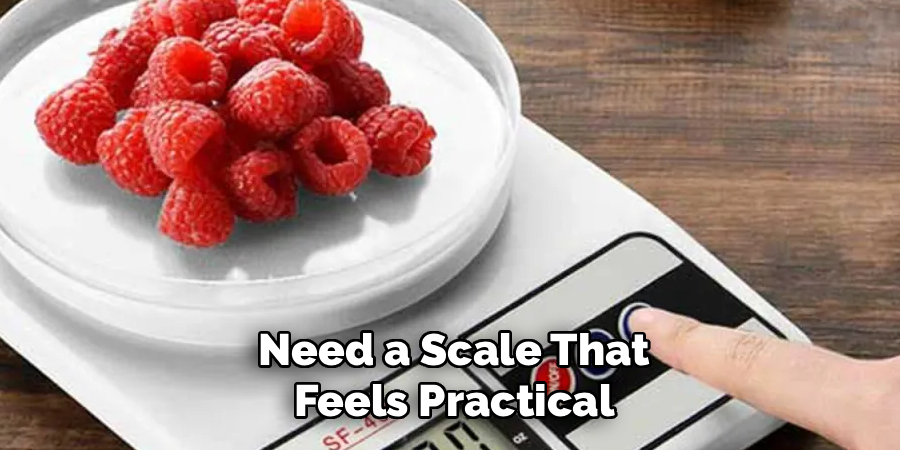
Before anything else, you need a scale that feels practical in your own kitchen. That sounds obvious, but plenty of people buy one, stick it in a drawer, and forget it exists. A good digital scale should switch easily between grams, ounces, and sometimes milliliters. That flexibility helps because nutrition labels and tracking apps do not always use the same unit.
Surface design matters too. A flat top, often glass or stainless steel, is usually easier to wipe down after cooking than something with grooves or awkward edges. It also helps if the display is easy to read when a large bowl is sitting on top. None of this has to be expensive. What matters more is whether the tool feels easy enough to become part of your routine.
Step 2: Put the Scale on a Flat, Stable Surface
Scales are only useful if the reading is trustworthy. For that reason, placement matters. Set the scale on a hard, level counter before you start measuring anything. Soft or uneven surfaces, including dish towels, slanted cutting boards, or cluttered prep stations, can interfere with the reading.
This may seem fussy. Sometimes it is. Still, a slightly tilted scale can produce numbers that are just off enough to add confusion to your tracking. If the point of using a scale is precision, it makes sense to give it a proper surface. A few seconds of setup is usually worth it.
Step 3: Learn to Use the Tare Button
If there is one feature to get comfortable with early, it is tare. Place your empty bowl, plate, or container on the scale, press the tare button, and wait until the display returns to zero. From there, add your food. What you see is the weight of the ingredient itself, not the dish holding it.
Once you get used to it, tare makes meal prep much easier. You can build a meal in one bowl by adding ingredients one at a time, resetting the scale between each addition. Greens first. Tare. Dressing next. Tare again. Then maybe cheese or nuts. It is quicker than pulling out multiple measuring spoons and cups, and it leaves fewer dishes behind.
Step 4: Use Grams When You Can
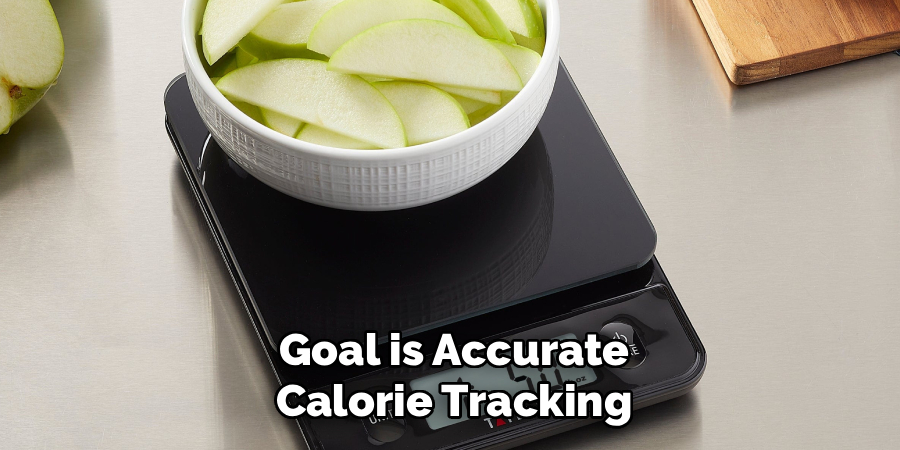
If your main goal is accurate calorie tracking, grams are usually the better option. Ounces can work, of course, but grams allow for finer measurements, especially with calorie-dense foods. A small difference in oil, nut butter, or dressing may not look dramatic on a plate, yet it can shift the calorie total more than people expect.
Another practical point: many food labels and tracking apps list serving sizes in grams. Using the same unit cuts down on conversions, and that means fewer chances to make errors. It also makes logging faster, which is not a small thing. Any habit becomes easier to keep when it takes less effort.
Step 5: Weigh Meat Raw Rather Than Cooked
Protein is one area where people often get tripped up. Chicken, beef, fish, and similar foods change weight during cooking because they lose water. A piece of meat that weighs four ounces raw may weigh less once it is grilled, baked, or pan-cooked. That does not mean calories disappeared. It means moisture did.
Most nutrition databases list meat by its raw weight unless they say otherwise. So if you want consistency, weighing protein before cooking is often the cleaner approach. For meal prep, one practical method is to weigh the full raw batch, cook it, and then portion the finished food based on the raw total you started with. It takes a bit more attention upfront, but it may save confusion later in the week.
Step 6: Log the Food Right Away
Weighing food helps, but only if the information goes somewhere. Logging it immediately, while you are already in the kitchen, tends to work better than trying to reconstruct the day at night when memory is fuzzy and snacks start disappearing from the record.
Most tracking apps now make this easier than they used to. You can scan a barcode, search for a food, and enter the gram weight directly. Done. That sort of real-time logging gives you a clearer picture of how the day is going while there is still time to adjust, rather than after the fact. It is not about perfection. It is more about reducing the quiet undercounting that happens when people rely on memory.
Step 7: Weigh Packaged Foods Too
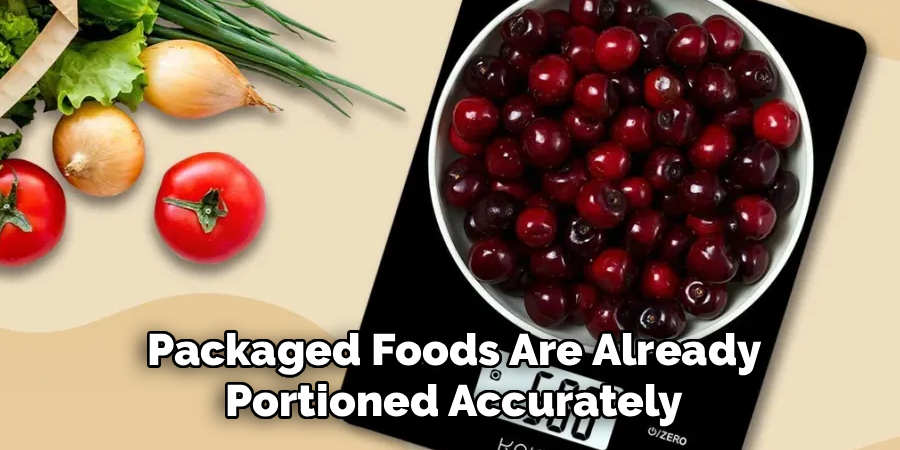
One common assumption is that packaged foods are already portioned accurately enough, so there is no need to check them. Sometimes that is true. Sometimes it is not. A label may say there are two servings in a package, each one a set number of grams, but the actual contents can vary.
That does not mean labels are useless. They are still helpful. It just means they may function better as estimates than as absolute truth. If you are trying to keep a close eye on intake, especially with snacks like chips, crackers, granola, or trail mix, weighing the portion yourself can provide a more grounded number.
Following these steps on how to use a food scale to lose weight can improve your portion control and help you reach your weight loss goals.
Tips for Staying Consistent
Consistency usually comes down to friction. If the scale is hidden in the back of a cabinet under a pile of mixing bowls, you are less likely to use it. If it sits on the counter where you can grab it without thinking, the habit has a better chance of sticking.
Meal prep helps for the same reason. Weighing and portioning larger amounts in advance can reduce the number of decisions you need to make during a busy day. It may also help to think of the scale as a neutral tool rather than a moral judge. That distinction matters. For some people, weighing food feels clarifying. For others, it can start to feel a little rigid. Paying attention to that difference is part of using the tool well.
Common Challenges and Practical Fixes
Restaurants are an obvious problem. You cannot exactly pull out a kitchen scale at the table. In those situations, home practice may help. If you get familiar with what 100 grams of rice or a standard serving of chicken looks like, your estimates when eating out may become a bit more informed.
Cooking for a family can create another issue. Weighing each plate separately is tedious, and for many households it is not realistic. A more workable option is to weigh the total ingredients for the full recipe, then divide your portion from the final batch.
There is also the psychological side, which should not be ignored. For some people, food weighing stays practical and useful. For others, it can begin to feel obsessive. If that happens, stepping back for a few days may be the more sensible choice. Precision is helpful, but not if it starts crowding out a healthier relationship with food.
How to Combine a Food Scale With Exercise
A food scale can be especially useful when exercise goals become more specific. If you are lifting weights and trying to lose fat without sacrificing muscle, measured portions may help you keep protein intake consistent while staying within your overall calorie target.
Training days and rest days can also look different. Some people choose to eat more carbohydrates around harder workouts to support performance and recovery, then scale them back a bit on lower-activity days. A food scale makes those adjustments easier to track. It turns eating into something more deliberate. Not rigid, ideally, but deliberate.
Benefits of Using a Food Scale Long Term
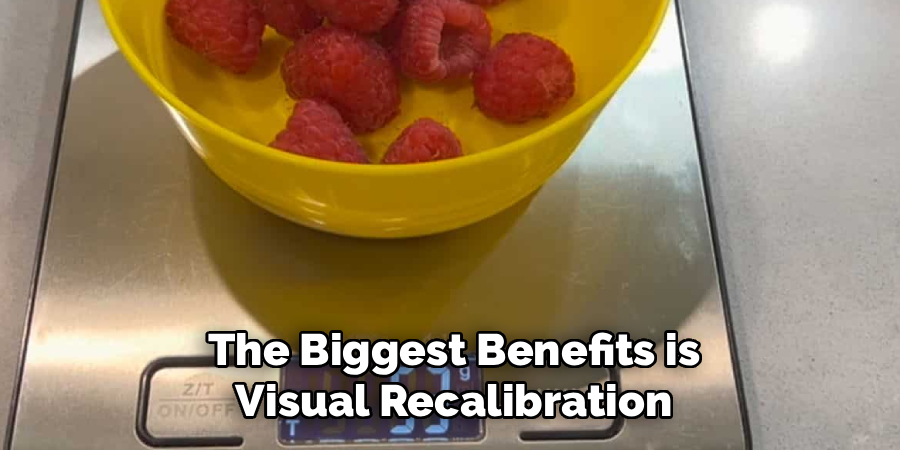
Over time, one of the biggest benefits is visual recalibration. Portions that once looked “small” often begin to look normal, and portions that used to seem moderate may start to read as oversized. That shift can be surprisingly useful, especially once someone moves away from strict tracking.
A scale may also reveal patterns in your eating that were easy to miss before. Maybe your protein intake is lower than you thought. Maybe your fats are much higher. Maybe your “healthy snacks” are carrying more calories than expected. The point is not to become anxious about every gram. It is to replace vague impressions with better information.
Frequently Asked Questions
Q1: Do I Need to Weigh My Food Forever to Maintain Weight Loss?
A1: Not necessarily. Many people use a food scale more intensively during the weight-loss phase, then ease off once they have developed a more accurate sense of portion size. Over time, your visual estimates may improve enough that constant weighing is no longer needed. Some people still return to the scale now and then as a check-in, especially if portions begin creeping upward.
Q2: Should I Weigh Fruits and Vegetables, or Are They “Free” Foods?
A2: Fruits and vegetables are nutrient-dense and often lower in calories, but they are not calorie-free. In most cases, weighing items like bananas, potatoes, or avocados makes sense because their calorie content can add up quickly. Leafy greens are a little different. If you are talking about spinach or lettuce in ordinary amounts, the impact is usually small enough that strict precision may not matter much.
Q3: What Should I Do if I Forget to Weigh an Ingredient While Cooking?
A3: Estimate it and move on. Seriously. One unmeasured spoonful of sauce or one forgotten ingredient does not ruin the day. Log your best estimate, make a note if needed, and keep going. Across weeks and months, consistency matters more than getting every single meal exactly right.
Take Control of Your Nutrition Today
Using a food scale can feel tedious at first. That reaction is normal. For many people, though, it gets easier surprisingly fast, and once the habit settles in, the payoff is less guesswork and more clarity.
If you want to start simply, begin with the foods that are easiest to underestimate: oils, peanut butter, cereal, rice, pasta, nuts, and cheese. Those few changes alone may tell you more about your intake than you expect. Weight loss is rarely just about effort. Often, it is also about accuracy. A food scale will not do the work for you, but it may help you see the work more clearly. Thanks for reading this guide on how to use a food scale to lose weight.

About
Joe Herman is a distinguished figure in the world of personal development, with a decade of expertise creating innovative and sustainable self-improvement frameworks. His professional focus lies in merging cognitive behavioral strategies with modern productivity techniques, fostering habits that are both practical and mentally sustainable. As the lead author of selfvity, Joe Herman delves into the art and science of human potential, inspiring individuals and industry professionals alike to optimize their daily lives.
Education
Stanford University
(Stanford, California) Associate Degree in Behavioral Psychology — Focus on habit formation, cognitive restructuring, and peak performance. Gained hands-on experience with psychological assessment tools and data-driven behavioral modification.
University of Pennsylvania
(Philadelphia, Pennsylvania) Bachelor’s in Positive Psychology and Human Potential (Honors) — Specialized in the science of well-being with a focus on blending psychological theory with actionable growth techniques. Participated in extensive research projects, working with leading wellness consultants to gain real-world insights into human motivation.
Publications and Impact
In selfvity, Joe Herman shares his insights on internal growth processes, mental material, and strategies for efficient lifestyle design. His writing bridges the gap between scientific research and everyday application, making it a must-read for both individuals seeking personal clarity and seasoned professionals looking to refine their mental edge.




