Everyone experiences butterflies before a big presentation, a first date, or an important job interview. That familiar flutter in your stomach or the sudden sweat on your palms is a completely normal human reaction to stress. However, when those jitters spiral out of control, they can cloud your thinking and hinder your performance. Learning how to stop yourself being nervous gives you a massive advantage in both personal and professional settings.

This guide offers straightforward, highly effective techniques to calm your mind and body. You will discover practical methods to shift your focus, slow your racing heart, and regain your composure when the pressure mounts. By applying these beginner-friendly strategies, you can transform that anxious energy into powerful, focused motivation. Let us explore the exact steps you need to take to master your mindset and face your biggest challenges with genuine confidence.
Why Managing Nerves Matters
Unchecked anxiety drains your mental battery and physical energy. When your brain senses a threat, it triggers a fight-or-flight response, flooding your system with adrenaline and cortisol. While this biological reaction helped our ancestors survive physical dangers, it proves highly counterproductive when you simply need to deliver a public speaking presentation. Taking control of your emotional state improves your mental clarity and sharpens your decision-making skills. When you remain composed, you communicate your ideas much more effectively and command the room.
Furthermore, mastering stress relief techniques protects your long-term physical health. Chronic worrying often leads to tension headaches, poor digestion, and severe sleep disruption. By learning to self-soothe and practice relaxation, you naturally lower your blood pressure and strengthen your immune system. Gaining control over your anxious thoughts also creates a massive boost in your self-esteem. You stop dreading high-pressure situations and start viewing them as exciting opportunities for personal growth. Developing this deep emotional resilience ensures you never let irrational fear hold you back from achieving your ultimate goals.
Step-By-Step Guide To How To Stop Yourself Being Nervous
Step 1: Breathe Deeply To Regulate Your Nervous System
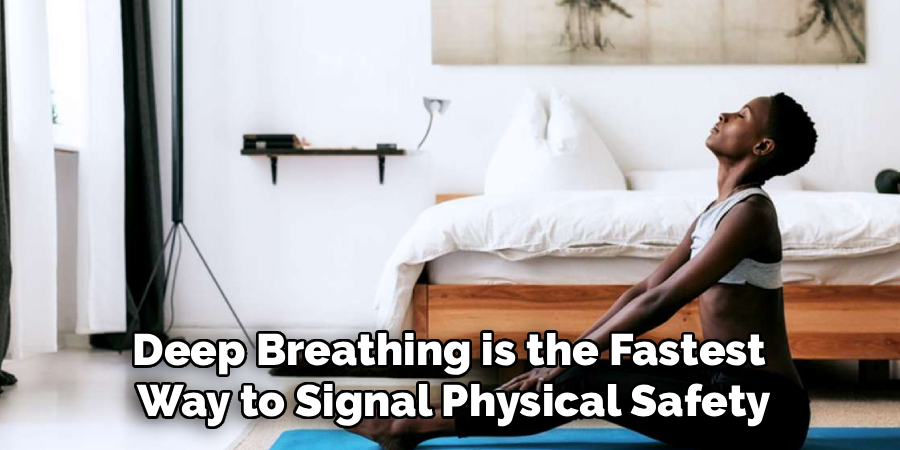
Deep breathing is the fastest way to signal physical safety to your anxious brain. When panic sets in, your breathing naturally becomes shallow and rapid, which only fuels your anxiety further. To counter this automatic response, inhale slowly through your nose for four seconds, hold the breath for four seconds, and exhale gently through your mouth for six seconds. This extended exhale physically lowers your rapid heart rate and relaxes your tense muscles. Practice this technique consistently before you even face a stressful event. Mastering your breath gives you an immediate, portable tool to regain your composure anywhere.
Step 2: Understand Being Nervous With Preparation
Thorough preparation remains your absolute strongest defense against unpredictable anxiety. If you have a massive speaking event approaching, rehearse your material until you know it backward and forward. When you completely master your subject matter, your brain has far less room to invent catastrophic failure scenarios. Lay out your clothes the night before, map your driving route, and pack your bags early. Removing small, unnecessary choices from your morning routine preserves your mental energy for the actual challenge. Knowing exactly what to expect provides a powerful sense of security and significantly reduces pre-event jitters.
Step 3: Challenge Your Negative Internal Dialogue
Your inner critic loves to amplify small mistakes into massive, unrecoverable disasters. When you feel the panic rising, pause and actively listen to the thoughts racing through your mind. You will likely hear highly exaggerated statements about failing miserably or embarrassing yourself publicly. You must challenge these dramatic thoughts with concrete, logical evidence. Remind yourself of past successes and times you handled pressure gracefully. Replace those catastrophic predictions with realistic, affirming statements. Changing the way you speak to yourself instantly lowers your emotional temperature and helps you approach the situation with a calm, rational mindset.

Step 4: Visualize A Highly Successful Outcome
Elite athletes use mental imagery to secure victories before they ever step onto the field. You can apply this exact same visualization technique to your own daily challenges. Close your eyes and picture yourself walking into the room with perfect posture and a relaxed smile. Imagine delivering your pitch flawlessly while the audience nods in enthusiastic agreement. Your brain struggles to tell the difference between a vividly imagined event and reality. Visualizing success primes your nervous system to act confidently, making it much easier to execute your performance when the actual moment finally arrives.
Step 5: Shift Your Focus Away From Yourself
Anxiety traps you entirely inside your own head. You become hyper-aware of your racing heart, sweaty palms, and shaky voice. To break this uncomfortable cycle, direct your attention outward toward your physical environment or your audience. Focus entirely on the actual message you want to deliver and how it will genuinely help the people listening. If you are at a social gathering, ask the other person a thoughtful question and listen closely to their answer. Concentrating deeply on someone else leaves your brain with very little processing power to maintain your own internal panic.
Step 6: Discover By Accepting Mistakes
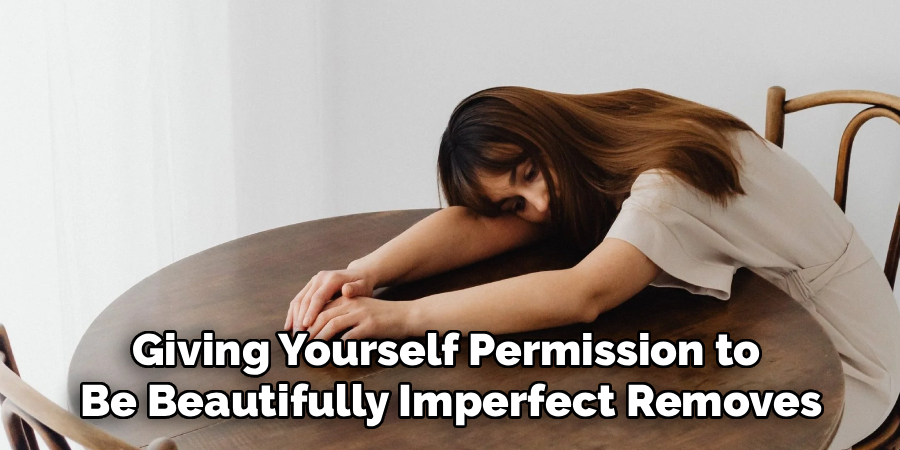
Perfectionism serves as a massive catalyst for intense performance anxiety. If you demand absolute flawlessness from yourself, every tiny slip of the tongue feels like a catastrophic failure. You must accept that making minor mistakes is a completely natural part of the human experience. If you stumble over a word during a presentation, simply correct yourself, smile softly, and keep moving forward. Most people will not even notice the error unless you draw massive attention to it. Giving yourself permission to be beautifully imperfect removes an enormous amount of unnecessary pressure from your tired shoulders.
Step 7: Release Physical Tension Through Gentle Movement
Adrenaline floods your muscles when you feel threatened, creating tight shoulders, clenched jaws, and a stiff neck. You must physically release this trapped energy to calm your mind effectively. Take a brisk walk around the block before your big meeting to burn off the excess adrenaline. If you cannot leave the building, do some light stretching in the restroom or simply shake out your arms and legs. Releasing that built-up physical tension sends a clear message to your brain that the immediate danger has passed, allowing your entire system to finally relax.
Step 8: Master With Proper Hydration
Dehydration closely mimics the physical symptoms of severe panic. When you lack adequate water, your heart rate increases naturally, making you feel jittery and on edge without any logical reason. Avoid drinking massive amounts of caffeine before a high-pressure event, as coffee and energy drinks directly spike your cortisol levels and induce shaky hands. Instead, sip cool water slowly throughout the morning. Staying properly hydrated keeps your vocal cords lubricated and your brain functioning at its absolute peak. Taking a brief moment to sip water also provides a brilliant, natural pause during a speech.
Frequently Asked Questions
How Long Do Normal Nerves Usually Last?
Pre-event jitters typically peak right before the challenge begins and fade shortly after you start.
- Adrenaline spikes rapidly but processes through your body in about twenty minutes.
- Once you begin speaking or performing, your focus naturally shifts, and the physical symptoms usually subside.
- If your anxiety lasts for several days or completely prevents you from functioning, you may want to consult a medical professional for additional support.
Can Certain Foods Make My Anxiety Worse?
Yes, your diet directly impacts your daily emotional stability and physical reactions to stress.
- Refined sugars cause rapid energy crashes that leave you feeling highly irritable.
- Heavy, greasy meals divert energy to your digestive system, making you feel sluggish and unfocused.
- Excessive caffeine directly stimulates your nervous system, easily mimicking a panic attack.
Choose complex carbohydrates and lean proteins to maintain steady, reliable energy levels throughout your stressful day.
Is It Okay To Tell People I Am Anxious?
Admitting your vulnerability often provides immediate, profound emotional relief.
- Telling a trusted colleague you feel jittery takes the heavy pressure off you to act perfectly.
- Most people relate entirely to the feeling and will gladly offer genuine encouragement.
- Acknowledging the elephant in the room strips the fear of its power over you.
You do not need to announce it to a massive audience, but sharing with one supportive person works wonders.

Why Do My Hands Shake When I Feel Pressured?
Shaking hands are a direct biological result of your primitive fight-or-flight response taking over.
- Your brain pumps adrenaline into your bloodstream to prepare your muscles for immediate physical action.
- Since you are standing still rather than running away, that excess energy manifests as uncontrollable tremors.
- Taking deep, slow breaths and gripping a solid object, like a sturdy podium or a pen, helps ground that nervous physical energy safely.
Does Practice Actually Reduce Performance Anxiety?
Consistent practice is arguably the most effective way to eliminate the intense fear of the unknown.
- Repeated exposure to a specific task builds deep, reliable neural pathways in your brain.
- Over time, the action becomes basic muscle memory, requiring far less active cognitive effort.
- The more you rehearse under simulated pressure, the more predictable the actual event becomes, leaving very little room for sudden panic to take root.
Conclusion
Overcoming anxiety requires immense patience, intentional daily practice, and a strong willingness to face your fears head-on. You now possess a highly effective toolkit for managing your body’s natural stress response. By practicing deep breathing, challenging your inner critic, and preparing thoroughly, you can transform overwhelming panic into focused, productive energy. Remember that feeling anxious simply means you care deeply about the final outcome. Knowing how to stop yourself being nervous allows you to channel that passion effectively rather than letting it paralyze your progress. Start implementing these practical techniques today. Next time you face a high-pressure situation, take a deep breath, trust your preparation, and step forward with absolute confidence.

About
Joe Herman is a distinguished figure in the world of personal development, with a decade of expertise creating innovative and sustainable self-improvement frameworks. His professional focus lies in merging cognitive behavioral strategies with modern productivity techniques, fostering habits that are both practical and mentally sustainable. As the lead author of selfvity, Joe Herman delves into the art and science of human potential, inspiring individuals and industry professionals alike to optimize their daily lives.
Education
Stanford University
(Stanford, California) Associate Degree in Behavioral Psychology — Focus on habit formation, cognitive restructuring, and peak performance. Gained hands-on experience with psychological assessment tools and data-driven behavioral modification.
University of Pennsylvania
(Philadelphia, Pennsylvania) Bachelor’s in Positive Psychology and Human Potential (Honors) — Specialized in the science of well-being with a focus on blending psychological theory with actionable growth techniques. Participated in extensive research projects, working with leading wellness consultants to gain real-world insights into human motivation.
Publications and Impact
In selfvity, Joe Herman shares his insights on internal growth processes, mental material, and strategies for efficient lifestyle design. His writing bridges the gap between scientific research and everyday application, making it a must-read for both individuals seeking personal clarity and seasoned professionals looking to refine their mental edge.