Ever catch yourself murmuring your thoughts under your breath, maybe while scurrying around the kitchen or waiting for the train? If so, you’re in good company. Speaking our minds out loud—sometimes in whispers, other times at a regular volume—is something most of us do to untangle thoughts or sort out tricky emotions.

This habit, though usually harmless, can occasionally trip us up—maybe you worry people will glance over mid-mutter or you can’t shake that lingering awkward feeling afterward. Is it possible to keep your running commentary tucked safely inside? It would seem so, though this isn’t always straightforward. In this guide on how to stop talking to yourself, we’ll explore the reasons behind this habit and provide tips on how to reduce or even eliminate it.
Understanding Self-Talk
We’re all familiar with that quiet (or not-so-quiet) inner monologue that shadows us through the day. Our brains are not, it seems, content to keep everything in silent storage; sometimes, the urge to voice what’s swirling around in our heads can be strong. People often report that hearing their words—even their own—gives shape to abstract worries, and can make elusive problems a bit easier to handle. But it doesn’t always stop there.
Habits have a way of weaving themselves deeper over time. The occasional out-loud mulling can turn into chattering to yourself while tossing laundry in the washer or trekking to the store. Realizing just how ordinary this is can actually help, but if it’s starting to wear on your nerves, the goal is to help your mind keep things quieter—not to banish your thoughts.
Spotting the Pattern: What Kind of Self-Talk Do You Engage In?
If you’re hoping to quiet your out-loud commentary, it’s worth figuring out what purpose it’s serving. Is it pep-talk (“Come on, you’ve got this!” before heading into a daunting meeting? Maybe you talk yourself through step-by-step instructions while assembling furniture or following a new recipe. That’s common—and often practical. But sometimes, the dialogue turns harsher, maybe even mean.

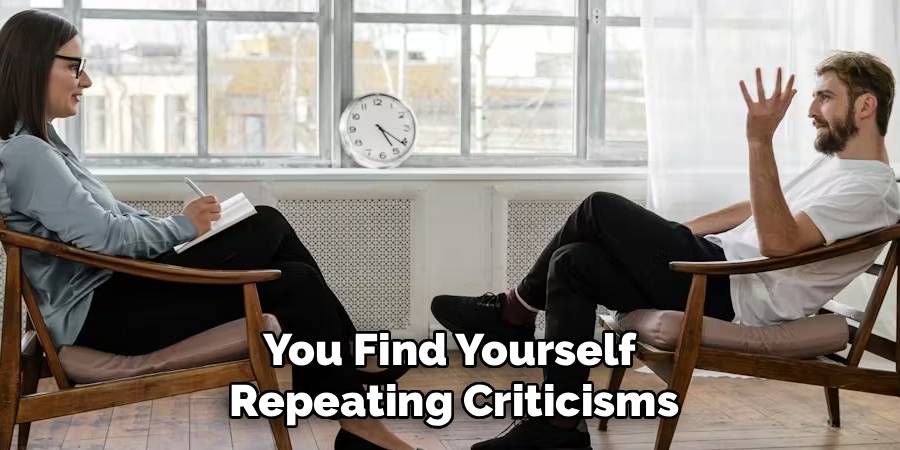
If you find yourself repeating criticisms whenever a mistake happens or echoing negative narratives, it can chip away at confidence and dial up anxiety more than you’d like to admit. Pay a bit of attention: Next time you notice yourself speaking aloud, pause and listen. Understanding what you’re actually saying can be uncomfortable, but it also gives you clues. Once you’ve got a handle on the kind of chatter bubbling up, it’s easier to try new (and quieter) approaches to get the same effect.
Learning to Keep Quiet: Seven Not-so-straightforward Steps on How to Stop Talking to Yourself
Step 1: Noticing the Spark
Begin by asking when, exactly, your words start slipping out. It’s rarely random. Is it when deadlines start circling overhead? Or toward the tail end of a lonely afternoon? Resist the urge to make changes immediately; observing is the first step. Let a few days pass. Each time you catch yourself mid-sentence, pay attention—what’s going on in your head, and what’s happening around you? Mapping these details might not stop the behavior overnight, but it makes the patterns harder to ignore, and that alone can pave the way for change.
Step 2: Mindfulness and Meditation (But Don’t Tune Out Yet)
Mindfulness, for all its trendiness, really just means paying unnervingly close attention. When you bring your full attention to the present—no easy feat—you may find a space opens between your thoughts and the impulse to speak. Meditation, too, might sound lofty, but even ten quiet minutes a day (eyes shut or not) where you simply notice your breath and gently redirect your thoughts can work in odd ways. The secret? Not berating yourself when your mind wanders—just notice, and nudge your focus back.
Step 3: Move the Conversation Inside
Once you’re tuned in, test how it feels to catch the words before they escape. Physically closing your lips is a surprisingly helpful reminder. Imagine the text scrolling silently across your mind, or hear your “internal voice” commenting without air crossing your vocal cords. At first, you’ll probably catch yourself muttering anyway. Old habits really do die hard. Still, with patience, the impulse eases. Synapses rewire. Most people find that, gradually, the urge to vocalize loses its grip, and the rearrangement (while kind of strange at first) begins to feel natural.

Step 4: Tune Into Others
The compulsion to talk out loud may, occasionally, have less to do with being heard, and more to do with desperately needing to process something—even if no one else is listening. Active listening with others can actually help. When you’re with a friend or in a meeting, make a small experiment: Focus all your energy on taking in what’s being said, withhold judgment, and resist the urge to compose your own response as they’re talking. Even solo, if you’re tempted to murmur to yourself, try swapping in a challenging podcast or an audiobook. Your mind doesn’t have as much room for both, and you’ll likely find yourself defaulting to silence out of necessity.
Step 5: Write It Down
There’s a tradition, old as the hills, of confiding in pen and paper instead of the open air. When your head is spinning with plans or anxieties, pulling out a small notebook (nothing fancy required) and scribbling your thoughts delivers a similar relief as muttered words—yet keeps things private. The page doesn’t care about grammar or whether your ideas make perfect sense. Sometimes, just seeing your concerns in your own handwriting can quiet the echo enough to let you move on.
Step 6: Substitute With Small Distractions
Physical habits like speaking often have a bodily “loop.” If your mouth is doing one thing, it resists doing another. Next time you sense yourself about to say something out loud, bite down gently or press your tongue against the roof of your mouth. Doesn’t have to be dramatic. Chew gum if you like, or sip a cold drink. Simple tweaks—mild, pleasant distractions—can make all the difference. The silent, physical nudge helps remind you that your words can stay put, at least for now.
Step 7: Find Someone to Talk To (Other Than Yourself)
Isolation cranks up self-talk for many people. When you haven’t spoken to another soul all day, your brain might fill that space itself. If you notice this pattern, make a point to reach out: a quick message, an impromptu coffee, or simply working for a while in a semi-busy room. Eavesdrop a bit, melt into a crowd (or, if you prefer, just soak in the buzz). Letting your brain pick up conversational cues from the outside world can help calm the compulsion to generate your own.
Following these steps on how to stop talking to yourself can greatly improve your mental well-being and help you become more present in the moment.
Moreover, practicing self-awareness
Building Patience and Self-Discipline
There’s no quick fix—if only it were that easy. Quieting this habit hinges on repetition and gentle reminders. A few successes, a few lapses; the trick is to keep returning to your intention without harshness. Old behaviors lurk in the background and sometimes resurface.
Don’t be surprised. Celebrate even minor improvements, trust in small steps, and know that building discipline is, frustratingly enough, a process.
When Out-Loud Self-Talk Starts to Worry You?
For most, vocalizing thoughts isn’t a sign that anything serious is amiss. Still, sometimes this behavior latches onto more troubling moods—particularly if talking to yourself out loud means a cascade of self-criticism, or if it feels well beyond your ability to control, especially around others. If, on top of that, you ever find yourself answering voices that no one else hears, it’s worth taking things seriously.
In that case, the best move is reaching out to a mental health professional, someone with the experience to ask the right questions and offer practical support.
Frequently Asked Questions
Is It Normal To Talk To Yourself Every Day?
Frankly, yes. Plenty of adults do it, for reasons ranging from self-organization to managing overload. If it isn’t hurting your work, social life, or general well-being, it stands as one of those odd, basically benign features of human psychology.
Can Stress Increase Self-Talk?
It seems so. With pressure mounting, many people notice themselves speaking out loud more frequently. This may be the brain’s odd but effective technique for making chaos feel smaller—by giving voice to it. If your out-loud self-talk is ramping up, check in with yourself about stress elsewhere.
How Long Does It Take to Change This Habit?
Some can bring it under control quickly—maybe a few weeks, especially if the talking started recently. For others, it can be months before the urge dwindles. Old habits, after all, burrow deep. Practicing quiet reflection, experimenting with alternatives, and a bit of patience are usually necessary.
Reclaiming a Quieter Mind
Retraining yourself to keep the conversation in your head depends on patience and a willingness to experiment. There’s no shame if you slip back into old ways—the journey is not a straight line. By tuning into your triggers, jotting frantic thoughts to the page, or borrowing the noise of other people for a while, you might just discover a quieter (maybe even friendlier) version of your inner voice.
However it unfolds for you, remember: the goal isn’t silence at all costs, but finding a balance where your mind can rest, undisturbed by unnecessary chatter. Thanks for reading this guide on how to stop talking to yourself.

About
Joe Herman is a distinguished figure in the world of personal development, with a decade of expertise creating innovative and sustainable self-improvement frameworks. His professional focus lies in merging cognitive behavioral strategies with modern productivity techniques, fostering habits that are both practical and mentally sustainable. As the lead author of selfvity, Joe Herman delves into the art and science of human potential, inspiring individuals and industry professionals alike to optimize their daily lives.
Education
Stanford University
(Stanford, California) Associate Degree in Behavioral Psychology — Focus on habit formation, cognitive restructuring, and peak performance. Gained hands-on experience with psychological assessment tools and data-driven behavioral modification.
University of Pennsylvania
(Philadelphia, Pennsylvania) Bachelor’s in Positive Psychology and Human Potential (Honors) — Specialized in the science of well-being with a focus on blending psychological theory with actionable growth techniques. Participated in extensive research projects, working with leading wellness consultants to gain real-world insights into human motivation.
Publications and Impact
In selfvity, Joe Herman shares his insights on internal growth processes, mental material, and strategies for efficient lifestyle design. His writing bridges the gap between scientific research and everyday application, making it a must-read for both individuals seeking personal clarity and seasoned professionals looking to refine their mental edge.