We have all experienced moments when a sharp remark or a sudden setback causes our emotions to hijack our brains. Your heart rate spikes, your defenses go up, and before you know it, you snap.
When you operate in a reactive state, you let external circumstances control your internal climate. Your environment dictates your mood, your behavior, and ultimately, your peace of mind. Learning how to stop being reactive means taking back that control. It means shifting from an automatic defense mechanism to a deliberate, thoughtful response.
This guide will walk you through the psychology and mindfulness techniques required to break the cycle of reactivity and build a calmer, more intentional life.
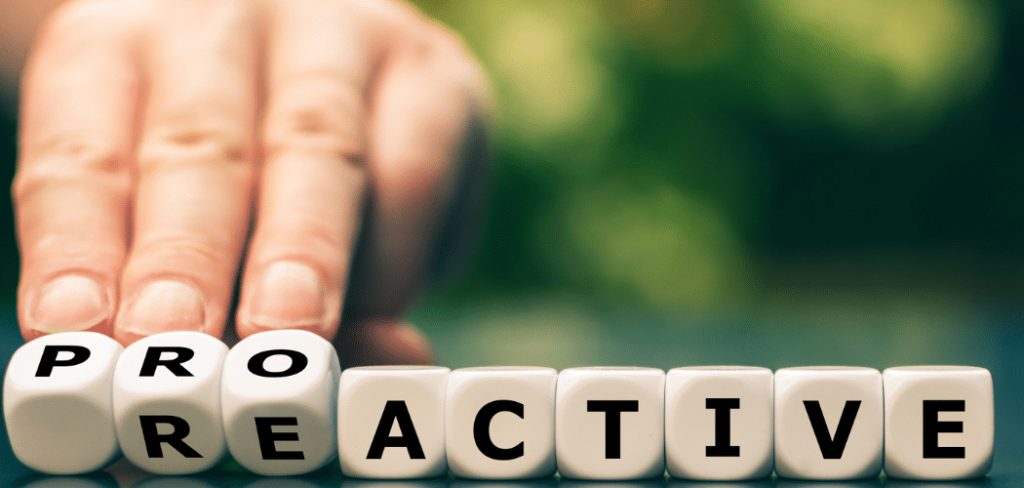
What Will You Need?
To successfully transition from a reactive mindset to a proactive one, you need to build a toolkit of internal resources. You do not need any special apps or external devices; the power lies entirely within you.
- Self-Awareness: You must be willing to observe your own thoughts and physical sensations honestly.
- Mindfulness: The ability to anchor yourself in the present moment without passing immediate judgment on what is happening.
- Patience: Rewiring your emotional responses takes time. You will need patience for the process and grace for yourself when you slip up.
- Curiosity: A willingness to explore why certain things trigger you, rather than just getting upset that they do.
- Commitment: Emotional regulation is a daily practice, not a one-time fix. Consistency is your most valuable asset.
10 Easy Steps on How to Stop Being Reactive
The journey to emotional regulation requires deliberate practice. By following these ten steps, you can slowly dismantle your automatic triggers and replace them with intentional responses.
Step 1: Recognize Your Unique Triggers
You cannot stop a reaction if you do not know what starts it. Triggers are specific situations, words, or behaviors that consistently provoke a strong emotional response. Spend a week observing yourself. Do you get defensive when someone questions your work? Does feeling rushed make you snap at your family? Keep a mental or physical log of these moments. By identifying your specific triggers, you remove their element of surprise. When you know a situation is likely to upset you, you can prepare yourself mentally before entering it.

Step 2: Practice the Power of the Pause
The most critical moment in overcoming reactivity is the split second between the stimulus and your response. This is where you insert the pause. When you feel a trigger activate, commit to doing absolutely nothing for three to five seconds. Do not speak, do not type, and do not act. This brief gap gives your brain’s prefrontal cortex—the logical center—time to catch up with the amygdala, the emotional center. The pause acts as a circuit breaker, stopping the automatic flow of reactive energy and giving you the space to choose a better path.
Step 3: Map Your Physical Warning Signs
Emotions happen in the body before they are fully processed in the mind. Your physical sensations are an early warning system for reactivity. Notice what happens when you get upset. Does your chest tighten? Do your hands clench into fists? Does your face feel hot? By learning your body’s specific distress signals, you can catch a reaction while it is still building. As soon as you feel your jaw clench or your stomach drop, you know it is time to deploy your pause and step back from the situation.
Step 4: Regulate Your Nervous System with Breath
Once you have paused, you need to physically calm down. Deep breathing is the most effective way to communicate safety to your nervous system. Try the 4-7-8 technique: breathe in quietly through your nose for four seconds, hold your breath for seven seconds, and exhale forcefully through your mouth for eight seconds. This specific pattern acts as a natural tranquilizer for your nervous system. Doing this even once or twice during a triggering moment lowers your heart rate and physically prevents a reactive outburst.

Step 5: Assume Positive Intent
Reactivity often stems from the assumption that someone is actively trying to harm or disrespect us. You can short-circuit this by choosing to assume positive intent. If a coworker sends a blunt email, instead of assuming they are being rude, consider that they might just be in a hurry. If your partner forgets a chore, assume they are overwhelmed, not malicious. Reframing the narrative in your mind softens your emotional response. You can still address the issue, but you will do so from a place of understanding rather than defense.
Step 6: Expand Your Emotional Vocabulary
Often, we react with anger because it is an easy, familiar emotion that masks more vulnerable feelings. You might lash out because you actually feel embarrassed, rejected, or afraid. Start labeling your emotions with more precision. Instead of simply saying “I am mad,” dig deeper. Are you feeling dismissed? Are you feeling inadequate? When you accurately name the underlying emotion, it loses some of its terrifying power. This clarity allows you to address the root of the problem rather than just fighting the surface-level anger.
Step 7: Shift Focus from Blame to Solutions
Reactive people look backward to find out whose fault something is. Proactive people look forward to figuring out how to fix it. When something goes wrong, notice if your mind immediately scrambles to assign blame. Actively disrupt this thought pattern. Ask yourself, “What can I do right now to improve this situation?” By moving your brain into a problem-solving state, you bypass the emotional spiral of victimhood and anger. You regain your agency and take control of the outcome.
Step 8: Walk Away When Necessary
No rule says you must resolve every conflict immediately. If you try to pause and breathe but still feel overwhelmed by the urge to lash out, remove yourself from the environment. Say calmly, “I need a few minutes to process this. Let’s talk about it later.” Taking a physical step away from the trigger is sometimes the only way to protect your progress. A temporary retreat is not a failure; it is a strategic move to ensure you return to the conversation as your best self.
Step 9: Establish Healthy Boundaries
Many people are highly reactive simply because they are stretched too thin. If you constantly say yes to things you want to decline, resentment builds up. This resentment acts as a powder keg, making you highly volatile to small annoyances. Learn to set clear, kind boundaries with your time and energy. When you protect your personal space and avoid overcommitting, you maintain a higher baseline of calm. You are much less likely to snap at someone when your own needs are already being met.
Step 10: Review and Learn from Mistakes
You will not execute this perfectly every time. You will still have reactive moments. The key is how you handle them afterward. When you lose your cool, do not spiral into shame. Instead, conduct a gentle autopsy of the event. Ask yourself what triggered you, why your pause failed, and what you can do differently next time. Apologize to anyone affected by your reaction, take accountability, and move forward. Every mistake is just data you can use to refine your proactive practice.
5 Things You Should Avoid
As you work to stop being reactive, beware of these common pitfalls that can easily derail your progress:
1. Reacting via Text or Email
Digital communication strips away tone and body language, making misunderstandings inevitable. Never fire off a message while you are angry. The screen gives a false sense of distance that encourages harsh words you would never say in person. Always step away from your device and wait until you are completely calm before hitting send.
2. Ignoring Your Basic Physical Needs
You cannot regulate your emotions if your body is running on empty. Hunger, lack of sleep, and dehydration drastically reduce your emotional bandwidth. Do not try to have complex conversations or make big decisions when you are tired or hungry; your likelihood of reacting poorly skyrockets.
3. Catastrophizing the Situation
Avoid the trap of turning a minor inconvenience into a disaster. Telling yourself things like “This always happens to me” or “This is completely ruined” fuels emotional panic. Stick to the facts of the present moment and avoid jumping to worst-case scenarios.
4. Suppressing Your Emotions
Stopping reactivity does not mean you stop feeling. Avoid shoving your anger or sadness down to pretend everything is fine. Unexpressed emotions build up pressure and eventually lead to explosive, unpredictable reactions later on. Acknowledge your feelings safely.
5. Expecting Immediate Perfection
Do not beat yourself up when you slip back into old habits. Rewiring a lifetime of emotional reflexes takes significant time. Expecting instant perfection only creates more stress, which in turn makes you more reactive. Celebrate small victories along the way.
Conclusion
Breaking free from emotional reactivity is one of the most empowering choices you can make. It transforms you from a passive participant tossed around by circumstances into the calm, intentional author of your own life.
While the work requires daily commitment and a lot of self-compassion, the reward is immeasurable. You gain better relationships, sharper focus, and a profound sense of inner peace. Take a deep breath, practice the pause, and step confidently into a more proactive way of living.
Hopefully, this guide on how to stop being reactive has given you some valuable insight and practical tools to help you on your journey towards emotional intelligence.

About
Joe Herman is a distinguished figure in the world of personal development, with a decade of expertise creating innovative and sustainable self-improvement frameworks. His professional focus lies in merging cognitive behavioral strategies with modern productivity techniques, fostering habits that are both practical and mentally sustainable. As the lead author of selfvity, Joe Herman delves into the art and science of human potential, inspiring individuals and industry professionals alike to optimize their daily lives.
Education
Stanford University
(Stanford, California) Associate Degree in Behavioral Psychology — Focus on habit formation, cognitive restructuring, and peak performance. Gained hands-on experience with psychological assessment tools and data-driven behavioral modification.
University of Pennsylvania
(Philadelphia, Pennsylvania) Bachelor’s in Positive Psychology and Human Potential (Honors) — Specialized in the science of well-being with a focus on blending psychological theory with actionable growth techniques. Participated in extensive research projects, working with leading wellness consultants to gain real-world insights into human motivation.
Publications and Impact
In selfvity, Joe Herman shares his insights on internal growth processes, mental material, and strategies for efficient lifestyle design. His writing bridges the gap between scientific research and everyday application, making it a must-read for both individuals seeking personal clarity and seasoned professionals looking to refine their mental edge.