

Are you feeling drained, stressed out, or anxious after spending time with someone in your life? Do you find yourself constantly being put down, manipulated, or taken advantage of by certain people?
Your peace of mind is one of your most valuable assets. Sometimes, the people around us drain our energy, dismiss our feelings, and leave us feeling exhausted or unworthy. Distancing yourself from individuals who bring negativity into your life is a profound act of self-respect. It takes courage to step back from relationships that no longer serve you, but making this shift opens the door to a healthier, happier life.
This guide on how to stay away from toxic people will walk you through the process of identifying toxic behavior, setting firm boundaries, and reclaiming your emotional space.

What are the Benefits?
Choosing to walk away from harmful relationships transforms your life in meaningful ways. First, you will notice an immediate return of your physical and emotional energy. Instead of spending hours recovering from stressful interactions, you can redirect that energy toward your own goals and passions. Your self-esteem will naturally improve as you stop absorbing negative comments and unwarranted criticism. Furthermore, clearing out bad connections creates room for healthy, supportive, and reciprocal relationships to enter your life. You will sleep better, think more clearly, and feel a deep sense of emotional freedom.
What Will You Need?
Before you begin this journey, you need to gather a few essential emotional tools. You will need strong self-awareness to trust your instincts when someone makes you feel uncomfortable. You must have the courage to enforce boundaries, even when it feels awkward or difficult. A firm mindset is required to resist guilt trips and manipulation tactics. Finally, you need a safe support system—whether that involves trusted friends, a therapist, or a support group—to lean on when the process becomes challenging.
10 Easy Steps on How to Stay Away from Toxic People
Step 1: Recognize and Acknowledge the Red Flags
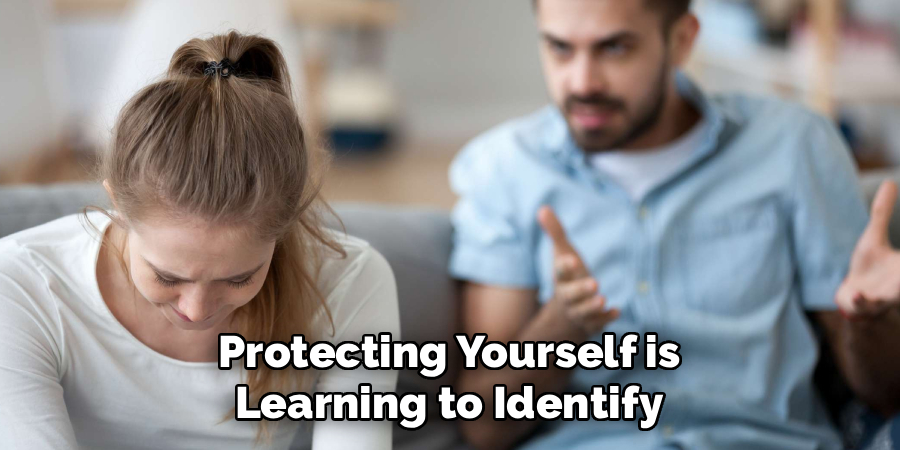
The first step to protecting yourself is learning to identify toxic behavior accurately. Toxic people often display a pattern of manipulation, constant criticism, and a lack of empathy for your feelings. They might play the victim, refuse to take responsibility for their actions, or make you doubt your own reality through gaslighting. Pay attention to how your body feels after interacting with them; if you consistently feel drained, anxious, or bad about yourself, you have a clear answer. Acknowledging these signs without making excuses for their behavior is crucial.
Step 2: Accept That You Cannot Change Them
Many of us stay in harmful situations because we hope we can fix the other person with enough love and patience. You must accept that you do not have the power to change someone else’s personality or behavior. People only change when they recognize their own flaws and actively seek growth. Releasing the burden of trying to “save” or “fix” them frees you from a cycle of endless disappointment. Focus entirely on controlling your own reactions and choices instead.
Step 3: Establish and Enforce Firm Boundaries
Boundaries are the invisible lines that protect your emotional well-being. Decide exactly what behaviors you will no longer tolerate, such as yelling, unannounced visits, or disparaging remarks. Communicate these limits clearly and calmly. More importantly, you must enforce the consequences if they cross the line. If you say you will end a phone call if they start yelling, you must hang up the phone when the volume rises. Consistency is the only way boundaries become effective.
Step 4: Limit Your Availability Gradually
You do not always need to have a dramatic confrontation to create distance. Start by slowly making yourself less available to them. Take longer to reply to their text messages or return their phone calls. Decline invitations by simply stating that your schedule is full right now. By gradually pulling back your time and energy, you train them to expect less access to you. This method minimizes conflict while quietly building a protective wall between you and their chaos.

Step 5: Master the “Gray Rock” Method
If you cannot completely cut ties with the person—perhaps they are a family member or a coworker—the “Gray Rock” method is highly effective. The goal is to become as uninteresting and unresponsive as a plain gray rock. When they try to provoke a reaction, respond with short, neutral statements like “okay,” “I see,” or “maybe.” Do not show anger, sadness, or excitement. When you no longer provide the emotional reaction they feed on, they will eventually lose interest and seek out someone else.
Step 6: Stop Over-Explaining Your Decisions
Toxic individuals often demand explanations for your choices so they can find loopholes or argue with your logic. You do not owe them a detailed justification for your boundaries or your absence. “No” is a complete sentence. If you choose to decline an invitation, a simple “I won’t be able to make it” is entirely sufficient. Refuse to get dragged into circular arguments about your choices. Your peace of mind does not require their approval or understanding.
Step 7: Build a Positive Support System
Nature abhors a vacuum, and so does your social life. As you remove negative influences, actively seek out people who uplift and inspire you. Spend time with friends who celebrate your successes, respect your boundaries, and listen to you without judgment. Joining clubs, volunteering, or taking up new hobbies can help you meet like-minded people. Surrounding yourself with genuine positivity makes it much easier to recognize how unacceptable the toxic behavior truly was.

Step 8: Detox Your Digital Environment
Toxicity is not limited to physical interactions; it thrives online as well. Take control of your digital space by unfollowing, muting, or blocking people who bring stress to your social media feeds. You do not need to subject yourself to their passive-aggressive posts or dramatic updates. If they use messaging apps to harass or guilt-trip you, utilize the block feature without hesitation. Your phone should be a tool for connection, not a portal for anxiety.
Step 9: Process Any Feelings of Guilt
It is completely normal to feel guilty when distancing yourself from someone, especially if you have known them a long time or they are a family member. Society often pushes the narrative that you must tolerate bad behavior out of loyalty. Acknowledge these feelings of guilt, but do not let them dictate your actions. Remind yourself that prioritizing your mental health is not a selfish act; it is a necessary survival skill. Working with a counselor or writing in a journal can help you process and release this unwarranted guilt.
Step 10: Practice Unapologetic Self-Care
Rebuilding your energy after dealing with a draining person requires intentional self-care. Focus on activities that ground you and bring you genuine joy. Read books, exercise, spend time in nature, or simply rest. Treat yourself with the kindness and compassion that the toxic person failed to provide. When you make your own well-being a daily priority, you build emotional resilience. A strong, well-cared-for mind naturally repels people who seek to exploit or manipulate it.
5 Things You Should Avoid
- Avoid Arguing or Trying to Win: Trying to logic your way out of a conflict with someone who thrives on drama is a waste of your breath.
- Avoid Falling for the “Pity Play”: Toxic individuals often play the victim to bypass your boundaries and pull you back in.
- Avoid Gossiping About Them: Complaining about them to mutual acquaintances often feeds the drama and gets back to them, creating more conflict.
- Avoid Expecting Closure: You will rarely get a sincere apology or a neat resolution; you have to create your own closure.
- Avoid Isolating Yourself: Do not let one bad experience make you withdraw from the good people who genuinely care about you.
Frequently Asked Questions
- How Do I Handle Toxic Family Members?
Handling difficult family members requires you to be very clear about what behaviors you will accept.
You can choose to attend family gatherings for a limited time and leave if things get tense.
Keep your conversations light and focused on neutral topics rather than deep personal issues.
Remember that sharing a bloodline does not obligate you to tolerate persistent emotional abuse.
If the situation becomes too damaging, choosing to walk away entirely is a valid and protective choice. - What if the Toxic Person is My Boss or Coworker?
Keep all your workplace interactions strictly professional and entirely focused on the work at hand.
Document your conversations and keep an active record of any inappropriate or hostile behavior.
Communicate primarily through email or written formats so you have a trail of what was actually said.
Avoid sharing personal details about your life outside of work that they could use against you.
If the environment severely impacts your health, it is time to start searching for a new job. - Is It Selfish to Cut Someone Off Completely?
Prioritizing your mental and physical health over someone else’s demands is never truly selfish.
You have a fundamental right to protect yourself from repeated disrespect and emotional exhaustion.
Continuing to engage with harmful individuals only enables their behavior and damages your own well-being.
Walking away allows both of you to face the natural consequences of the relationship dynamic.
Protecting your inner peace makes you stronger and more present for the people who actually deserve your time.
Conclusion
How to stay away from toxic people is a profound act of self-love that requires intention and bravery. It is not about punishing the other person, but rather about fiercely protecting your own mental and emotional space.
As you implement these steps and establish firm boundaries, you will likely face resistance, both from the individuals involved and from your own internal guilt. Push through that discomfort.
The peace, clarity, and joy you will find on the other side of these difficult decisions are entirely worth the effort. You deserve relationships that build you up, and making room for them starts with clearing out the ones that tear you down.

About
Joe Herman is a distinguished figure in the world of personal development, with a decade of expertise creating innovative and sustainable self-improvement frameworks. His professional focus lies in merging cognitive behavioral strategies with modern productivity techniques, fostering habits that are both practical and mentally sustainable. As the lead author of selfvity, Joe Herman delves into the art and science of human potential, inspiring individuals and industry professionals alike to optimize their daily lives.
Education
Stanford University
(Stanford, California) Associate Degree in Behavioral Psychology — Focus on habit formation, cognitive restructuring, and peak performance. Gained hands-on experience with psychological assessment tools and data-driven behavioral modification.
University of Pennsylvania
(Philadelphia, Pennsylvania) Bachelor’s in Positive Psychology and Human Potential (Honors) — Specialized in the science of well-being with a focus on blending psychological theory with actionable growth techniques. Participated in extensive research projects, working with leading wellness consultants to gain real-world insights into human motivation.
Publications and Impact
In selfvity, Joe Herman shares his insights on internal growth processes, mental material, and strategies for efficient lifestyle design. His writing bridges the gap between scientific research and everyday application, making it a must-read for both individuals seeking personal clarity and seasoned professionals looking to refine their mental edge.




