

When you come down with a cold, the flu, or some other bug, sleep is one of the few things your body genuinely needs more of. The problem, of course, is that being sick often makes sleep harder, not easier. Congestion builds. Your throat gets dry. You finally start drifting off, then cough yourself awake again. It is a miserable loop, and most people know it well.
Figuring out how to sleep when sick usually does not require anything dramatic. Small adjustments tend to matter more than people expect. If you can ease the symptoms that keep pulling you awake and make your room a little more sleep-friendly, you may give your body a better chance to recover. What follows is a practical guide, not a miracle cure, but it should help you rest a bit more comfortably while your system does its work.
Understand Why Illness Disrupts Sleep
Illness can throw sleep off in several ways at once. Some of the disruption comes from the immune response itself. Fever, chills, body aches, sinus pressure—none of that makes lying still pleasant. Even a mild cold can feel much worse at 2 a.m., when the room is quiet and every symptom seems louder.
Then there is the breathing issue. A blocked nose often pushes you into mouth-breathing, which can leave your throat dry and raw by the middle of the night. Coughing tends to follow. Lying flat may make that worse because mucus can collect in the back of the throat or sinuses, setting off that familiar cycle of irritation, coughing, waking, and starting over.
Medication can complicate things, too. Some cold remedies contain decongestants such as pseudoephedrine, and for some people, those can feel activating rather than calming. So even when you are physically exhausted, your brain may not settle. Put all of that together and it becomes easier to see why sick sleep is often light, broken, and less restorative than usual.
Create a Comfortable Sleep Environment
When you are ill, your bedroom does not need to be perfect. It does need to stop working against you. A slightly cool room often helps, especially if you are running warm or dealing with a low-grade fever. Many sleep experts point to a range of about 60 to 67 degrees Fahrenheit, and that seems reasonable for most people, though comfort is still personal.
Dry air can be another problem, particularly in winter or in heavily heated spaces. A cool-mist humidifier may ease some of the irritation in your nose and throat, which in turn could reduce overnight coughing. It is not magic, but it can make the air feel less harsh. Darkness and quiet matter too, maybe even more when sleep is already fragile. If outside light leaks in or every small noise wakes you, blackout curtains or a white noise machine may be worth using for a few nights.
7 Simple Step-By-Step Guidelines on How to Sleep When Sick
Step 1: Elevate Your Head and Shoulders
Sleeping flat sounds comfortable in theory, but when you are congested, it often backfires. Mucus can settle in the nasal passages or throat, and that may increase pressure, postnasal drip, and coughing. Raising your head a little can help with drainage and make breathing feel less labored.
The key is support, not just height. If you pile pillows under your head and push your chin toward your chest, you may trade congestion for neck pain. It usually works better to lift the upper back and shoulders as well, creating a gentle incline. A wedge pillow can help if you have one. If not, a careful pillow arrangement is often enough for a few nights.
Step 2: Use a Saline Rinse Before Bed
If your nose is badly blocked, clearing it before bed may be one of the most useful things you do all night. A saline spray or nasal rinse can help loosen mucus and wash out some of the irritants sitting in the nasal passages. That may reduce swelling enough to make breathing easier once you lie down.

It is a simple step, but timing helps. Doing this shortly before bed—or even an hour before, if that suits you better—gives your nose time to settle. Afterward, blow your nose gently rather than aggressively, since irritation can make congestion rebound. For many people, even a modest improvement in airflow can mean fewer wake-ups and less mouth-breathing.
Step 3: Take a Warm Shower or Bath
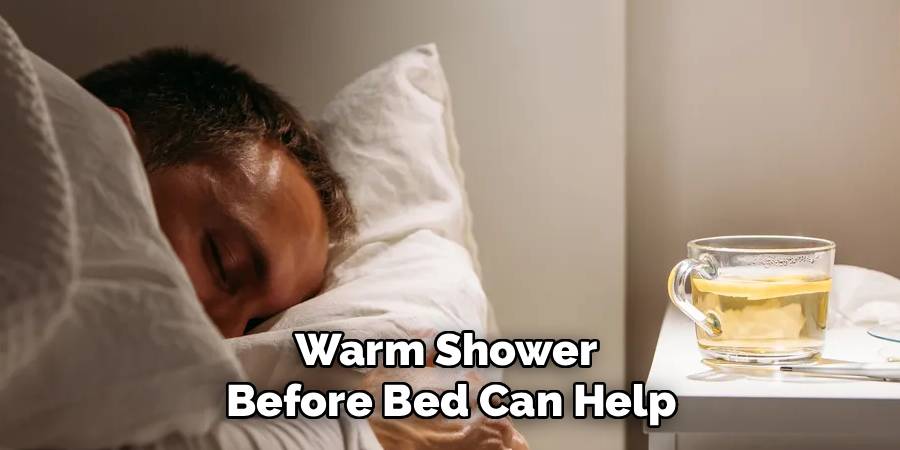
A warm shower before bed can help in two fairly ordinary but useful ways. First, the steam may loosen mucus in the nose, throat, or chest, at least temporarily. That window of easier breathing can make it less difficult to fall asleep.
Second, the shift in body temperature after you step out of the shower may encourage drowsiness. Not everyone notices this, but plenty of people do feel sleepier after warming up and then cooling down. Add in the muscle relief from warm water, especially if you have aches or chills, and it becomes a sensible part of a sick-night routine.
Step 4: Sip a Soothing, Caffeine-Free Beverage
Hydration matters when you are sick, but the form it takes before bed matters too. A warm, caffeine-free drink may soothe an irritated throat and make the whole process of settling down feel easier. Herbal tea is a common choice. So is warm water with honey, assuming honey is appropriate for you.
Honey, in particular, may help calm nighttime coughing for some people by coating the throat. That does not mean you need a huge mug right before sleep, though. Too much liquid too late can create a different problem: waking up to use the bathroom. A small cup is often enough. It can also help to keep a bottle of water nearby so you are not forced to fully wake up if your throat gets dry in the middle of the night.
Step 5: Choose the Right Medication
Cold and flu medications can be genuinely helpful, but they are easy to misuse when you are tired and just want relief. Some products are designed for daytime use and may contain stimulants that make sleep harder. Others are labeled for nighttime and often include ingredients that cause drowsiness.
Reading the label carefully matters more than most people realize. It is also worth matching the medicine to the symptom that is bothering you most. If your main problem is coughing, you may not need a product aimed at congestion. If fever and aches are keeping you awake, that points in a different direction. And if you already take prescription medication, checking with a pharmacist is the safer move. That is less glamorous than self-diagnosing in the pharmacy aisle, but probably wiser.
Step 6: Apply a Menthol Rub
Menthol rubs have stuck around for a reason. They can create a cooling sensation that makes breathing feel easier, even if they do not literally open the nasal passages in the way many people assume. Still, perception matters when you are trying to fall asleep. Feeling even slightly less stuffed up can reduce the panic and irritation that sometimes comes with congestion.
Most people apply the rub to the chest and throat before getting into bed. Some also use it as part of a bedtime ritual, which may be part of why it feels comforting. You will sometimes hear advice about putting it on the soles of the feet and then wearing socks. The evidence for that is, at best, uncertain. Even so, if the routine feels soothing and is used safely, the comfort itself may have some value.
Step 7: Practice Deep Relaxation Techniques
One of the stranger parts of being sick is how quickly discomfort turns into frustration, and frustration turns into wakefulness. You start thinking about how long you have been awake. Then you wonder how tired you will feel tomorrow. At that point, the problem is no longer just the cold.

Simple relaxation exercises can interrupt that spiral. Progressive muscle relaxation is one option: tense and release different muscle groups slowly, starting at the feet and moving upward. Breathing exercises may help, too, though severe congestion can make them annoying rather than calming, so some flexibility is needed. The point is not to perform a perfect sleep ritual. It is to give your mind something gentler to do than monitor every symptom.
Following these steps on how to sleep when sick can also help to promote a better sleep environment.
Common Mistakes to Avoid
One common mistake is staying in bed long after sleep has stopped being likely. If you are wide awake, irritated, and checking the clock every few minutes, lying there may only make the bed feel associated with frustration. In many cases, it helps to get up for a short period and do something quiet in dim light until you feel sleepy again.
Screens are another trap. Phones and televisions can keep your brain more alert than you realize, and bright light late at night may interfere with melatonin release. There is also the overheating problem. People often pile on heavy clothes and blankets when they feel chilled, only to wake up sweaty and uncomfortable an hour later. Warm is good. Sweltering is not.
Tips for Better Daytime Recovery
What you do during the day often shows up in your sleep that night. Hydration is a good example. Drinking fluids steadily through the day is usually easier on the body than trying to catch up in the evening. Water, broth, and other gentle fluids can help, though it may make sense to ease off closer to bedtime if overnight bathroom trips are becoming part of the problem.
Food matters too, though maybe not in a complicated way. Many people tolerate simple meals better when they are sick—soups, toast, soft foods, whatever feels manageable. Heavy meals late in the day can be unpleasant if you are already congested or nauseated. Napping deserves some caution as well. A short nap may help if you are exhausted. A long, late-afternoon sleep, on the other hand, can make bedtime much harder.
Real-Life Recovery Tips
Practical comfort goes a long way when you are ill. Keeping a small sick-day setup by the bed can spare you repeated trips across the house when you are already tired. Tissues, water, lozenges, lip balm, and a thermometer are usually enough. Nothing fancy.
Fresh bedding can also make more of a difference than people expect. Changing pillowcases while you are sick may feel better on overheated or sensitive skin, and it can make the whole sleep space feel cleaner. If you share a bed and one of you is coughing, snoring, or simply sleeping badly, sleeping separately for a night or two is not a sign of relationship trouble. It is triage. Sometimes the most caring thing is giving each other a chance to rest.
Frequently Asked Questions
Q1: Can I Take Melatonin While Sick With A Cold?
A1: In general, many people can take melatonin while they have a cold, especially if the main issue is falling asleep. It may help nudge the body toward sleep. That said, it is still worth being careful. If you are already taking a nighttime cold medicine that causes drowsiness, combining the two could leave you feeling unusually groggy the next morning. When in doubt, especially if other medications are involved, ask a pharmacist or clinician.
Q2: What Is The Best Sleeping Position For A Stuffy Nose?
A2: For many people, the most comfortable option is sleeping on their back with the head and upper body slightly elevated. That position may reduce mucus buildup and make breathing easier. Side sleeping can still work, but keeping the head propped up usually helps. Some people also find it more comfortable to lie on the side opposite the more blocked nostril, though that does not work for everyone.
Q3: Why Do My Symptoms Always Feel Worse At Night?
A3: Symptoms often seem worse at night for a few reasons. Lying down can increase pressure and congestion in the nasal passages, and mucus may shift in ways that trigger coughing. Your body’s internal rhythms may also play a role, since inflammation and symptom perception can feel more intense in the evening. Add fatigue to the mix, and small discomforts can seem much bigger after dark.
Rest Easy and Recover Faster
Being sick is tiring in a way that is hard to explain to anyone who is not in it. Rest is not optional. It is part of recovery, even if it comes in broken stretches rather than one perfect night. A cooler room, a raised pillow setup, steam, fluids, and the right medication choices will not erase your symptoms, but they may make the night more manageable.
That is usually the real goal: not flawless sleep, just better sleep than you would have had otherwise. Pay attention to what your body seems to respond to, skip what clearly does not help, and give yourself some room to recover without expecting too much too quickly. Thanks for reading this guide on how to sleep when sick.

About
Joe Herman is a distinguished figure in the world of personal development, with a decade of expertise creating innovative and sustainable self-improvement frameworks. His professional focus lies in merging cognitive behavioral strategies with modern productivity techniques, fostering habits that are both practical and mentally sustainable. As the lead author of selfvity, Joe Herman delves into the art and science of human potential, inspiring individuals and industry professionals alike to optimize their daily lives.
Education
Stanford University
(Stanford, California) Associate Degree in Behavioral Psychology — Focus on habit formation, cognitive restructuring, and peak performance. Gained hands-on experience with psychological assessment tools and data-driven behavioral modification.
University of Pennsylvania
(Philadelphia, Pennsylvania) Bachelor’s in Positive Psychology and Human Potential (Honors) — Specialized in the science of well-being with a focus on blending psychological theory with actionable growth techniques. Participated in extensive research projects, working with leading wellness consultants to gain real-world insights into human motivation.
Publications and Impact
In selfvity, Joe Herman shares his insights on internal growth processes, mental material, and strategies for efficient lifestyle design. His writing bridges the gap between scientific research and everyday application, making it a must-read for both individuals seeking personal clarity and seasoned professionals looking to refine their mental edge.




