

Tooth decay has a way of making people uneasy fast. A little sensitivity. A faint chalky spot on the enamel. Suddenly, the question becomes urgent: Is this something you can address at home, or are you already headed for a filling?
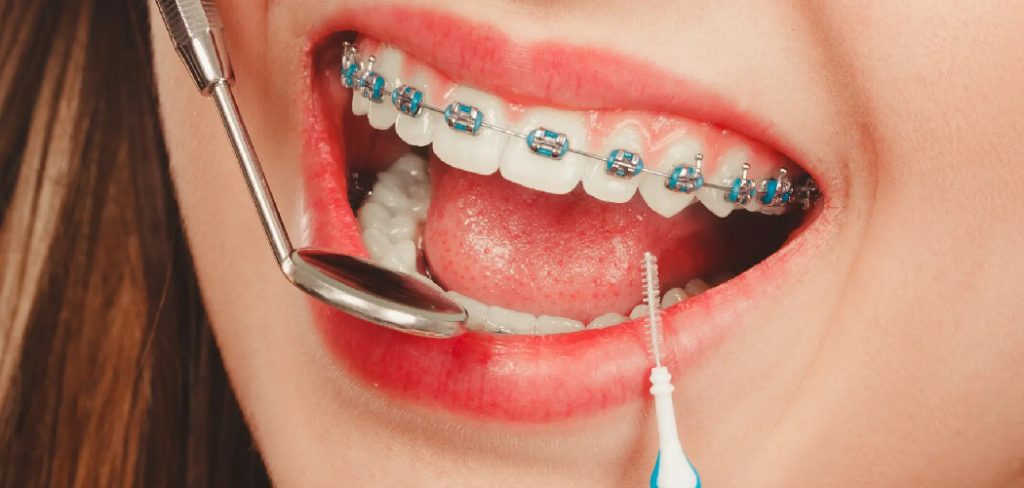
In some cases, early decay can be managed before it turns into a true cavity. That distinction matters. When enamel has only begun to lose minerals, the process may be slowed or even reversed with careful daily habits. Once there is a physical hole in the tooth, though, home care is no longer enough. The goal, then, is not wishful thinking. It is catching the problem early and giving enamel the conditions it needs to repair itself as much as it can. In this guide on how to remove tooth decay yourself, we will discuss the causes of tooth decay, how to prevent it, and what you can do to manage early decay.
What Causes Tooth Decay?
Tooth decay begins at the surface, in the enamel. Although enamel is the hardest substance in the human body, it is not invincible. The mouth naturally contains bacteria, many of them harmless, but some feed readily on sugars and starches left behind after eating. As they metabolize those carbohydrates, they produce acids. Those acids collect in plaque, the sticky film that forms on teeth, and over time, they begin to pull minerals out of enamel.
That mineral loss is called demineralization. At first, it may show up as weak spots rather than obvious cavities. Left alone, however, the process can progress deeper into the tooth, moving beyond enamel into more vulnerable layers. That is usually when pain becomes more noticeable, and when treatment becomes less optional. Oral hygiene habits, frequent snacking, low fluoride exposure, and a diet high in fermentable carbohydrates all appear to increase the risk. None of this happens in a single afternoon. It is cumulative, which is frustrating, but also useful, because cumulative damage can sometimes be interrupted.
7 Simple Step-by-step Guidelines on How to Remove Tooth Decay Yourself
A deep cavity cannot be fixed in a bathroom mirror. That much is clear. Early demineralization, though, may respond well to a disciplined home routine. The seven steps below focus on that early stage, when the enamel has been weakened but not yet structurally broken through.
Step 1: Upgrade to a High-Quality Fluoride Toothpaste
If you are trying to stop early decay from advancing, fluoride toothpaste is one of the most practical places to start. Fluoride helps remineralization by supporting the return of minerals, especially calcium and phosphate, to weakened enamel. In plain terms, it gives the tooth a better chance to rebuild areas that have started to soften under repeated acid exposure.
Technique matters almost as much as product choice. Brush twice a day for a full two minutes, and do not rush the back teeth, which tend to collect plaque more easily. After brushing, spit out the excess toothpaste, but try not to rinse right away. That lingering film of fluoride on the teeth may give the enamel more contact time, which could improve its protective effect. It is a small adjustment, but one dentists often recommend for a reason.
Step 2: Commit to Flossing Daily to Remove Hidden Plaque
Brushing reaches a lot. It does not reach everything. The narrow spaces between teeth and the area just under the gumline are common trouble spots, partly because they are easy to ignore and partly because a toothbrush simply cannot do that job well.
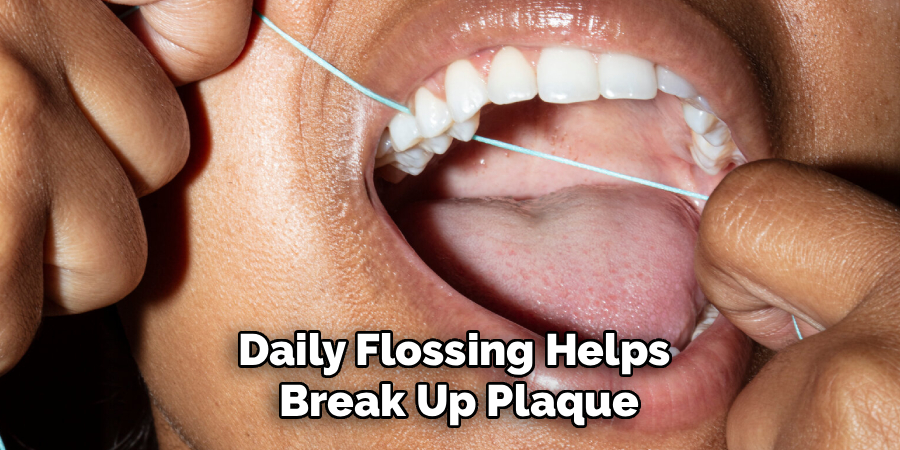
Daily flossing helps break up plaque and remove trapped food before it hardens into tartar. That matters because decay between teeth often develops quietly. No drama, no obvious warning, at least at first. If standard floss feels awkward, other tools can work: floss picks, interdental cleaners, water flossers. The method is less important than the consistency. What you want is a routine you will actually keep, especially at night, when reduced saliva flow can leave the mouth a bit more vulnerable.
Step 3: Incorporate an Antibacterial or Fluoride Mouthwash
Mouthwash is not a substitute for brushing and flossing, but it can be a useful addition. An antibacterial rinse may help lower the number of acid-producing bacteria in the mouth, while a fluoride rinse can bring extra mineral support to areas that are beginning to weaken. For someone trying to manage early enamel damage, that added step may be worthwhile.
Timing, however, is often overlooked. If you rinse with fluoride mouthwash immediately after brushing with fluoride toothpaste, you may end up washing away the more concentrated residue from the toothpaste itself. A separate time of day usually makes more sense, perhaps after lunch or later in the afternoon. Swish for 30 to 60 seconds so the rinse can move around the teeth rather than just past them. Quick in theory. Slightly tedious in practice. Still helpful.
Step 4: Cut Down on Sugary Foods and Refined Carbohydrates
This is the step many people resist, and understandably so. Food is habit, comfort, convenience, culture. Yet diet shapes the chemistry of the mouth more than most people realize. Bacteria that contribute to decay feed on sugars and refined carbohydrates, then release acids that erode enamel. Sweets are the obvious offenders, but crackers, chips, sweetened drinks, and other processed snacks can keep the same cycle going.
Frequency matters too, not just quantity. Each sugary or starchy snack can trigger an acid attack that lasts roughly 20 minutes. If eating is spread out all day, the teeth may spend hours in a repeated cycle of demineralization with very little recovery time. It may help to keep snacks more limited and eat sweets, if you do eat them, with meals rather than alone. During meals, saliva production tends to increase, and saliva is one of the mouth’s best defenses against acid.
Step 5: Chew Sugar-Free Gum Sweetened With Xylitol
Chewing sugar-free gum after meals may seem almost too simple to matter, but it can. Chewing stimulates saliva, and saliva does more than people give it credit for. It helps wash away food debris, buffers acids, and carries minerals that support enamel repair. In a mouth that is dry or acidic, more saliva is generally a good thing.
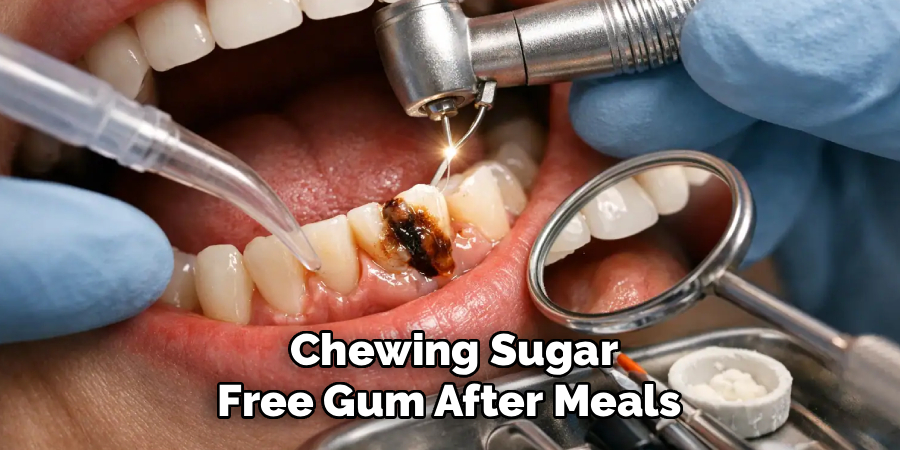
If possible, choose gum sweetened with xylitol. Xylitol is a sugar alcohol that cavity-causing bacteria do not use in the same way they use regular sugar. Some evidence suggests it may reduce bacterial activity and make it harder for plaque to accumulate as readily. That does not make xylitol gum a cure. It is better thought of as a useful support tool, especially after meals when brushing is not practical. Twenty minutes of chewing can be enough to stimulate saliva without turning the habit into excess.
Step 6: Increase Your Daily Calcium and Vitamin D Intake
Enamel repair is not just about what happens on the surface of the tooth. Nutrition plays a role as well. Calcium is central to tooth structure, and an adequate intake may help the body maintain the mineral balance needed to support strong teeth. Dairy foods such as milk, yogurt, and cheese are common sources, though fortified plant milks, almonds, and certain leafy greens can also contribute.
Vitamin D matters because calcium absorption depends on it. Without enough vitamin D, the body may struggle to use dietary calcium efficiently. That does not mean supplements are automatically necessary for everyone, but it does suggest that overall nutrient status should not be ignored when people talk about tooth health. Sun exposure, fatty fish, and supplements are common sources of vitamin D. The larger point is simple: if you are trying to support remineralization, the body needs the raw materials to do that work.
Step 7: Drink Plenty of Tap Water Throughout the Day
Water helps in more ways than one. In many areas, tap water contains fluoride, which means regular drinking can expose the teeth to small, repeated amounts of a mineral known to protect enamel. That low-level contact may support remineralization over time, especially when paired with good brushing habits.
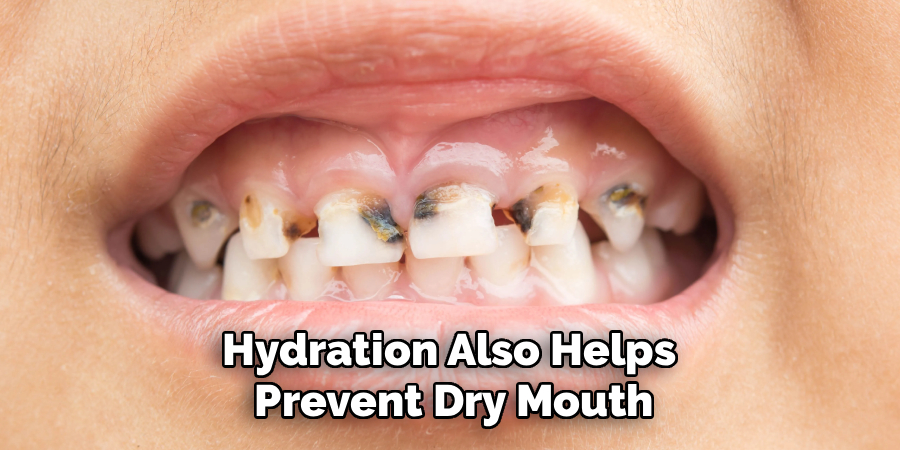
Hydration also helps prevent dry mouth, and dry mouth can make decay much more likely. When saliva drops, acids linger longer and food particles are not cleared as effectively. Sipping water throughout the day is a straightforward way to support a healthier oral environment. Swishing with water after coffee, snacks, or meals can also help remove residue and dilute acids. It is not a replacement for brushing. Still, it is one of those ordinary habits that can quietly make a difference.
Following these steps on how to remove tooth decay yourself can help prevent further damage to your teeth.
Preventing Future Tooth Decay
Once early decay has been brought under control, prevention becomes the real long game. That usually means consistency more than intensity. Brush twice a day. Floss daily. Use fluoride regularly. None of this is glamorous, and that may be why it gets neglected, but prevention is built out of repetition.
Diet deserves ongoing attention as well. A pattern of eating that includes vegetables, protein, and less frequent sugary snacking may reduce the conditions that allow plaque bacteria to flourish. Professional cleanings also remain important. Even careful brushers miss areas, and tartar cannot be removed effectively at home once it forms. Regular dental visits make it more likely that small problems will be caught while they are still small, which is, frankly, when they are easiest and least expensive to manage.
Common Myths About Tooth Decay
One common misunderstanding is that sugar alone causes cavities. Sugar certainly contributes, but the more accurate explanation is that bacteria metabolize carbohydrates and produce acids, and those acids damage enamel. That is why starchy processed foods can also be a problem, even if people do not think of them as “sweet.”
Another myth is that cavities always hurt. They often do not, at least not early on. Demineralization can develop without obvious symptoms, which is part of what makes it easy to dismiss. By the time pain appears, the decay may already be deeper than many people assume.
Oral Care Tips for Children and Adults
Good oral habits are easier to build early than to repair later. For children, supervision still matters well beyond the toddler years. Many need help brushing effectively until around age seven, sometimes longer, especially when it comes to reaching back teeth and using the right amount of toothpaste. Dental sealants are also worth asking about, since they can protect the grooves of molars where food and plaque often collect.
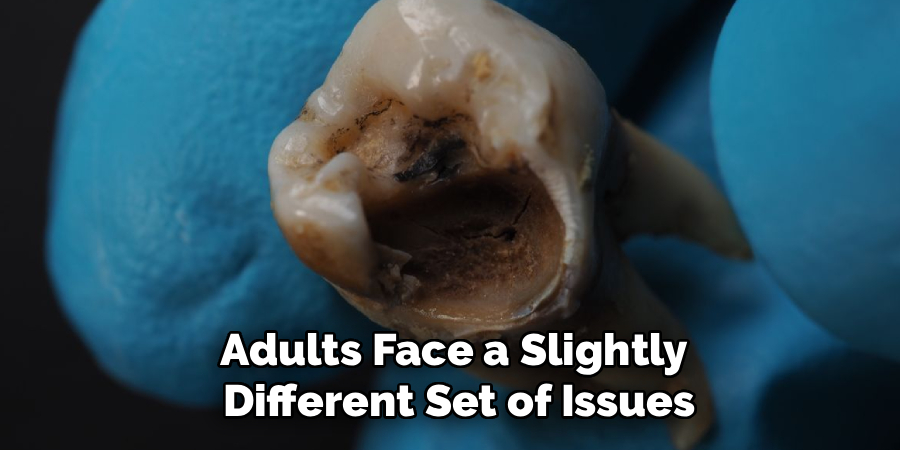
Adults face a slightly different set of issues. Enamel naturally wears over time, gums may recede, and some medications reduce saliva flow. All of that can increase cavity risk, even in people who have not had many problems before. A soft-bristled toothbrush is usually the safer choice, particularly for aging enamel and more exposed root surfaces. For adults dealing with dry mouth, staying well hydrated and chewing xylitol gum may help support a more protective oral environment.
Frequently Asked Questions
Q1: Can You Naturally Reverse A Cavity?
A1: Early-stage decay, often referred to as demineralization, may be reversible if the enamel has not yet developed a physical hole. Better oral hygiene, fluoride use, and dietary changes can sometimes help the tooth regain lost minerals. Once a true cavity has formed, however, home treatment will not rebuild the missing tooth structure. At that stage, a dentist is needed.
Q2: Does Brushing Harder Clean Teeth Better?
A2: No. Brushing harder does not usually clean better, and it can do harm. Too much pressure may wear down enamel and contribute to gum recession, which can expose more sensitive areas of the tooth. Gentle, thorough brushing with a soft-bristled brush is generally far more effective than aggressive scrubbing.
Q3: How Often Should You Visit The Dentist?
A3: For many people, a dental checkup and cleaning every six months is a reasonable standard. Those visits allow a dentist or hygienist to look for early changes, remove tartar, and address problems before they become more serious. Some patients, particularly those with a history of frequent cavities, gum disease, or dry mouth, may need to go more often depending on clinical advice.
Keep Your Smile Healthy and Bright
Taking care of your teeth is rarely about one dramatic fix. More often, it comes down to ordinary decisions repeated over time: brushing properly, limiting constant snacking, using fluoride, staying hydrated, and paying attention before mild damage becomes something more serious. Early tooth decay can sometimes be turned around, but usually only if it is recognized early and managed consistently.
If you think the decay has moved beyond that early stage, or if you are already dealing with pain, swelling, or visible holes in a tooth, it is wise to see a dental professional rather than wait it out. Home care has limits. Good habits do too, if treatment is already needed. Still, those habits remain the foundation of a healthy mouth, and in the long run, they matter more than any quick fix ever could. Thanks for reading this guide on how to remove tooth decay yourself.

About
Joe Herman is a distinguished figure in the world of personal development, with a decade of expertise creating innovative and sustainable self-improvement frameworks. His professional focus lies in merging cognitive behavioral strategies with modern productivity techniques, fostering habits that are both practical and mentally sustainable. As the lead author of selfvity, Joe Herman delves into the art and science of human potential, inspiring individuals and industry professionals alike to optimize their daily lives.
Education
Stanford University
(Stanford, California) Associate Degree in Behavioral Psychology — Focus on habit formation, cognitive restructuring, and peak performance. Gained hands-on experience with psychological assessment tools and data-driven behavioral modification.
University of Pennsylvania
(Philadelphia, Pennsylvania) Bachelor’s in Positive Psychology and Human Potential (Honors) — Specialized in the science of well-being with a focus on blending psychological theory with actionable growth techniques. Participated in extensive research projects, working with leading wellness consultants to gain real-world insights into human motivation.
Publications and Impact
In selfvity, Joe Herman shares his insights on internal growth processes, mental material, and strategies for efficient lifestyle design. His writing bridges the gap between scientific research and everyday application, making it a must-read for both individuals seeking personal clarity and seasoned professionals looking to refine their mental edge.




