Conflict comes with the territory in most romantic relationships. That, by itself, is not usually the problem. The trouble starts when tension becomes the default setting—when small disagreements turn predictable, draining, and harder to recover from each time. Most couples argue at some point; what seems to matter more is the pattern that forms around those arguments. Do you repair the rupture, or do you deepen it?
That distinction matters. A disagreement handled with care can reveal unmet needs, clarify expectations, and even strengthen trust. The same disagreement, handled badly, may leave a residue that lingers for days. So the aim is not to build a relationship with no conflict at all. That would be unrealistic. It is to learn how to move through conflict without cruelty, contempt, or the urge to win at all costs. The guidance on how to reduce fights in a relationship below is meant to help you interrupt unhelpful habits, communicate more clearly, and make room for a calmer, steadier kind of connection.

Understand the Root Causes of Fights
If you want to argue less, it helps to get curious about what your arguments are actually about. On the surface, a fight may appear to be about dirty dishes, lateness, texting habits, or money. Often, though not always, the immediate complaint is only part of the story. Underneath it, there may be stress, disappointment, loneliness, resentment, or a feeling of not being taken seriously. What looks minor on paper can carry emotional weight.
That is why recurring arguments deserve more attention than they usually get. If the same issue keeps resurfacing—chores, spending, time together, family boundaries—it may suggest that something more fundamental has not been addressed. In some cases, a partner may feel dismissed. In others, one person may be overloaded and unable to say so plainly. Past experiences can shape these reactions, too. Old insecurity has a way of entering new conversations. Not dramatically, perhaps. Quietly. Still, it changes the tone. When both people can step back and ask what is driving the reaction beneath the complaint, the conversation often becomes less defensive and more useful.
7 Simple Step-by-step Guidelines on How to Reduce Fights in a Relationship
Step 1: Learn to Pause Before You React
In the middle of an argument, speed is rarely your friend. The first response that rises up—especially when you feel accused, embarrassed, or cornered—is often the least helpful one. People tend to interrupt, defend, counterattack, or say something sharper than they intended. Then the conversation shifts. It is no longer about the issue; it becomes about the damage done in the last thirty seconds.
A pause can interrupt that spiral. Not a dramatic exit. Just a clear, agreed-upon break. If you notice your chest tightening, your voice changing, or your thoughts racing ahead of your words, that may be a sign to stop briefly rather than push through. Some couples do well with a simple phrase: I need ten minutes to settle down, but I want to come back to this. That last part matters. Walking away without reassurance can feel like abandonment. Taking a short break, breathing, getting a glass of water, and returning when you are less flooded may reduce the chance of saying something that will be hard to repair later.

Step 2: Use “I” Statements Instead of “You” Blame
The wording of a complaint often determines whether the other person listens or braces for impact. Sentences that begin with “you always” or “you never” usually land as accusations, even if the frustration behind them is understandable. Once that happens, many people stop hearing the actual concern. They start preparing a defense.
Shifting to an “I” statement does not solve everything, but it can soften the entry point. It keeps the focus on your experience rather than turning the conversation into a verdict on your partner’s character. For instance, “You never help around the house” is likely to invite an argument over whether that is literally true. “I feel overwhelmed when most of the chores fall to me,” gives the other person something more specific and less combative to respond to. The change may seem small. It is not. It asks for understanding instead of submission, and that difference can change the entire tone of the discussion.
Step 3: Practice Active Listening Daily
Many couples believe they are listening when, in practice, they are waiting for their turn. That is common, especially in conflict. One person speaks, the other person gathers counterpoints, and both leave feeling misunderstood. No one feels heard because no one is listening with the aim of understanding.
Active listening slows that process down. It asks you to stay with your partner’s point long enough to grasp what they mean, not just what they said. Put the phone away. Stop rehearsing your reply. Let them finish. Then reflect back what you heard in plain language: So you felt left out when I made plans without checking with you first. That kind of response does not mean full agreement, and it should not be used mechanically. Still, it often lowers defensiveness because it signals attention. For many people, feeling understood is what makes problem-solving possible in the first place.

Step 4: Establish Healthy Boundaries Together
Couples often assume their expectations are obvious. They usually are not. One person may think raised voices are normal during conflict; the other experiences them as frightening or disrespectful. One may need an hour alone after work before talking; the other reads that silence as rejection. Without clear boundaries, both people can end up feeling wronged while acting from assumptions they never actually discussed.
It helps to name the limits that make conflict feel safer and more manageable. That might include no name-calling, no mocking, no bringing up private vulnerabilities as ammunition, and no threats of leaving in the middle of every argument. Boundaries can also cover daily life: time with friends, privacy, family involvement, money decisions,and downtime. The key is that these rules are built together, during a calm moment, not in the heat of a fight. Once agreed upon, they need to be respected consistently. Not perfectly—few people manage that—but seriously. Boundaries work less as rigid rules than as signals of care and restraint.
Step 5: Focus on the Issue, Not the Person
One of the quickest ways for a disagreement to deteriorate is for the subject to shift from behavior to identity. A late bill makes you irresponsible. A missed text means you don’t care about me. A forgotten errand turns into a catalogue of every disappointment from the last five years. Once that happens, the original issue is buried under a much bigger struggle over worth, intent, and memory.
It is usually more productive to stay close to the specific problem in front of you. What happened? Why did it matter? What needs to change next time? Those questions keep the conversation grounded. If things start drifting toward old injuries or personal attacks, it may help to name that directly: We are moving away from the budget issue and into a bigger fight. Can we come back to the original point? That kind of redirection may feel awkward at first, but it protects the discussion from becoming a referendum on the entire relationship.

Step 6: Show Appreciation and Gratitude
Relationships tend to worsen when the ordinary good things go unmentioned and the irritations get all the airtime. Over time, that imbalance can make both people feel judged more often than valued. In that kind of atmosphere, even mild feedback may sting more than it otherwise would.
Regular appreciation can shift the emotional climate. Not in a sentimental or performative way. Just in the practical sense of noticing what your partner does and saying so out loud. Thank them for making dinner. Acknowledge that they handled a stressful errand. Mention that you noticed they checked in after your difficult day. These moments are small, which is exactly why they matter. They create a sense that effort is seen. When people feel recognized rather than taken for granted, they may be more able to approach conflict without immediately assuming the worst.
Step 7: Learn to Forgive and Let Go
Some relationships are damaged less by one major argument than by the steady accumulation of unresolved ones. A comment from six months ago gets brought back into a new disagreement. An apology is accepted in theory, but never really released. The past remains available at all times, ready to be used as evidence. That dynamic can make even minor conflicts feel loaded.
Forgiveness is complicated, and it should not be treated casually. It does not mean pretending you were not hurt. It certainly does not require tolerating abuse, dishonesty, or repeated harm. What it may mean, in healthier circumstances, is deciding that once an issue has been addressed sincerely and repaired as much as possible, you will not keep reopening it to score points. That is difficult work. Sometimes very difficult. Still, relationships often become more peaceful when old mistakes are no longer treated as permanent weapons.
Following these steps on how to reduce fights in a relationship may seem hard at first, but it is important to remember that no relationship is perfect and conflicts are inevitable.
Common Signs of Unhealthy Fighting
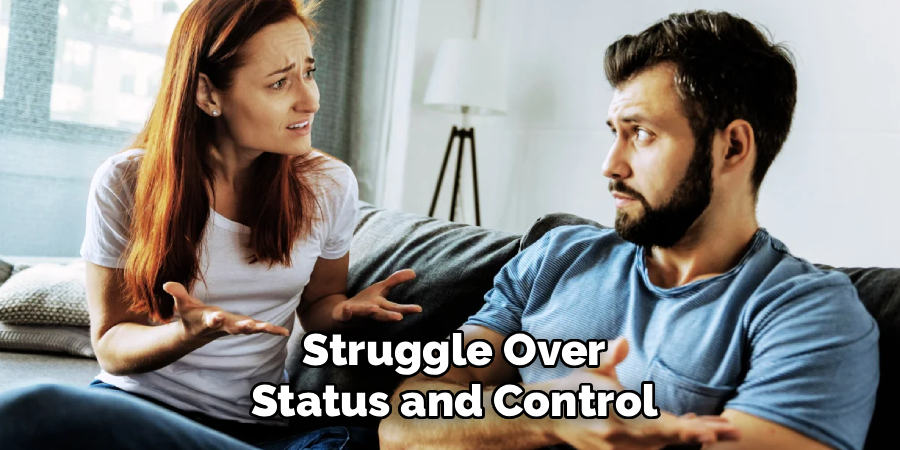
Not all conflict is equally damaging. Some patterns are especially concerning because they tend to corrode respect and emotional safety over time. Name-calling is one. So is attacking your partner’s character instead of dealing with a concrete issue. The silent treatment can be another, particularly when it is prolonged and used to punish rather than to cool down. Contempt matters too—eye-rolling, mockery, sarcasm meant to humiliate. Those behaviors often signal that the argument is no longer just about disagreement; it has become a struggle over status and control.
Repeated threats of breaking up should also not be dismissed as harmless drama. Even when said in anger, they can destabilize the relationship and make repair harder. If these patterns are becoming common, that may indicate the conflict style itself needs serious attention, not just the topics being argued about.
When to Seek Professional Help?
There are situations in which couples are unlikely to shift entrenched patterns on their own, at least not easily. If nearly every disagreement becomes a shouting match, if one or both of you shut down completely, or if you keep having the same unresolved fight week after week, outside help may be worth considering. A trained couples therapist can sometimes identify patterns that are difficult to see from inside the relationship. They can also help both partners practice communication in a more structured way.
Professional support may be especially important after a major breach of trust, such as infidelity or serious financial secrecy. Those conversations can be volatile, and trying to manage them without guidance may deepen the injury rather than repair it. Seeking therapy does not mean the relationship has failed. In many cases, it suggests the opposite: that both people are willing to take the relationship seriously enough to get help when their usual methods are not working.
Tips for Maintaining a Peaceful Relationship
A calmer relationship is rarely built through one big breakthrough. More often, it is sustained by ordinary habits repeated over time. Time together helps, especially when it is not squeezed in around screens, chores, and low-level distractions. That does not have to mean elaborate date nights every week. Sometimes, a walk after dinner, cooking together, or thirty uninterrupted minutes of conversation does more than people expect.
Emotional check-ins matter too. Ask how your partner is doing before a problem reaches the point of explosion. Notice when stress from work, family, money, or exhaustion is affecting the tone at home. Physical affection can help maintain closeness as well, whether that means holding hands, sitting close, or greeting each other warmly at the end of the day. These things are easy to overlook because they are simple. Still, they may help create the kind of goodwill that makes conflict easier to handle when it does arise.
Frequently Asked Questions
Q1: How Can I Stop Arguing Over Small Things?
A1: Arguments about minor issues often point to something else going on. Stress, fatigue, resentment, or feeling ignored can all make a small annoyance feel bigger than it is. Before raising the issue, it may help to ask yourself what is really bothering you. Is this about the dishes, or is it about feeling unsupported? It is also worth asking whether the issue will matter much in a few days. If probably not, letting it pass may be the wiser choice. Not every irritation deserves a full discussion.
Q2: Is It Normal for Couples to Fight Every Day?
A2: Disagreement is normal; daily fighting is harder to dismiss. It may suggest an ongoing communication problem, unresolved resentment, or a stressful environment that is affecting both partners. When conflict becomes routine, emotional closeness often suffers. If you are arguing every day, it is probably time to slow down and look at the pattern itself rather than only the content of each individual fight. For some couples, that will mean a serious conversation. For others, counseling may be the more useful next step.
Q3: How Do We Rebuild Trust After a Big Fight?
A3: Trust usually returns gradually, not all at once. An apology can matter, but it is rarely enough by itself. What tends to rebuild trust is consistent behavior over time: following through, speaking honestly, acknowledging the hurt without defensiveness, and showing through actions that the same rupture is less likely to happen again. Patience is part of the process, too. Even when both people want to move forward, repair often happens in increments.
Building a Stronger, More Peaceful Future Together
Reducing fights in a relationship does not mean removing disagreement from the picture. It means learning how to disagree without contempt, escalation, or unnecessary harm. That may involve listening more carefully, pausing before reacting, speaking with more precision, and treating your partner as someone you are trying to understand rather than defeat.
No single conversation fixes everything. Still, healthier conversations tend to build on one another. Over time, they can create a relationship that feels steadier, safer, and less exhausted by conflict. If you and your partner are willing to examine your patterns honestly and make practical changes, a more peaceful dynamic is possible. Not perfect. But better, and often meaningfully so. Thanks for reading this guide on how to reduce fights in a relationship.

About
Joe Herman is a distinguished figure in the world of personal development, with a decade of expertise creating innovative and sustainable self-improvement frameworks. His professional focus lies in merging cognitive behavioral strategies with modern productivity techniques, fostering habits that are both practical and mentally sustainable. As the lead author of selfvity, Joe Herman delves into the art and science of human potential, inspiring individuals and industry professionals alike to optimize their daily lives.
Education
Stanford University
(Stanford, California) Associate Degree in Behavioral Psychology — Focus on habit formation, cognitive restructuring, and peak performance. Gained hands-on experience with psychological assessment tools and data-driven behavioral modification.
University of Pennsylvania
(Philadelphia, Pennsylvania) Bachelor’s in Positive Psychology and Human Potential (Honors) — Specialized in the science of well-being with a focus on blending psychological theory with actionable growth techniques. Participated in extensive research projects, working with leading wellness consultants to gain real-world insights into human motivation.
Publications and Impact
In selfvity, Joe Herman shares his insights on internal growth processes, mental material, and strategies for efficient lifestyle design. His writing bridges the gap between scientific research and everyday application, making it a must-read for both individuals seeking personal clarity and seasoned professionals looking to refine their mental edge.