

Work is a major part of life, but it should not consume your evenings and weekends.
When the pressures of your job follow you into your living room, it becomes impossible to truly recharge. You might find yourself snapping at family members, losing sleep over an unfinished project, or feeling a constant sense of dread. Reclaiming your personal time requires intentional actions and clear boundaries.

This guide on how to not let work stress you out at home provides you with practical, actionable strategies to leave work stress at the door so you can enjoy your time at home.
What are the Benefits?
Separating your professional obligations from your personal life brings profound benefits. You will immediately notice an improvement in your sleep quality, as your mind is no longer racing with to-do lists when your head hits the pillow. Your relationships with family and friends will flourish because you are fully present during conversations rather than distracted by email alerts. Furthermore, protecting your downtime actually makes you more productive during working hours. When you give your brain a genuine break, you return to your desk with sharper focus, higher energy, and better problem-solving skills.
What Will You Need?
To successfully implement these strategies, you need a few basic tools and commitments:
- A Physical Planner or Digital Notepad: To capture lingering thoughts before you log off.
- A Designated Workspace: A physical boundary between where you work and where you relax.
- A Transition Activity: Something simple, like a favorite podcast or a pair of walking shoes, to bridge the gap between work and home.
- Firm Commitment: The willingness to stick to your boundaries, even when it feels uncomfortable at first.
10 Easy Steps on How to Not Let Work Stress You Out at Home
Step 1: Establish a Hard Stop Time
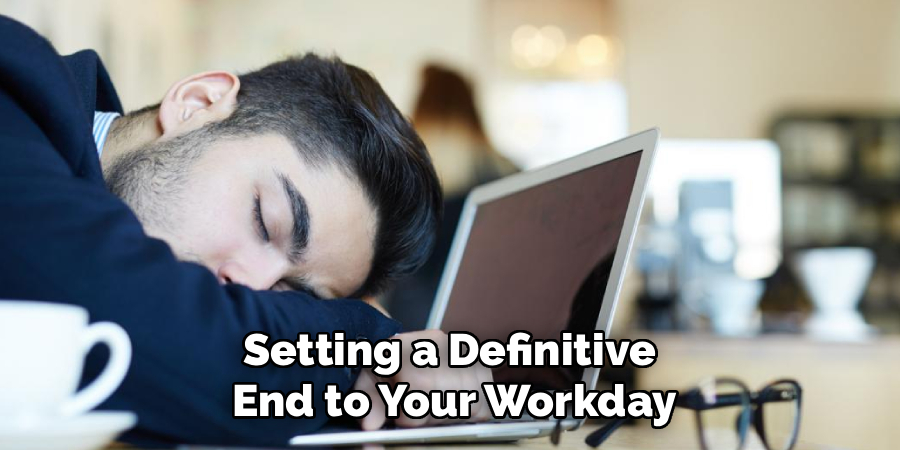
Setting a definitive end to your workday is the most critical boundary you can create. Determine exactly what time you will stop working each day and stick to it religiously. Treat this stop time as an unbreakable appointment with yourself. When the clock strikes that hour, close your laptop, put away your documents, and step away from your desk. If you work from home, this is especially vital because the physical lines between the office and the living room are blurred. Communicating this hard stop time to your colleagues and managers sets expectations so they know when you are unavailable.
Step 2: Create a Transition Ritual
When you work in a traditional office, your commute acts as a natural buffer between your professional and personal life. If you lack a commute, you must invent one. A transition ritual signals to your brain that it is time to shift gears. This could be as simple as taking a ten-minute walk around your neighborhood, doing a short stretching routine, or making a cup of herbal tea. The key is consistency. Perform this exact ritual every single day immediately after your hard stop time. Over time, your brain will recognize this activity as the official cue to release workplace tension.
Step 3: Turn Off Work Notifications
You cannot relax if your phone constantly buzzes with urgent requests and status updates. The moment your workday ends, turn off all notifications for work emails, messaging apps, and project management tools. If your company requires you to be on call for emergencies, set up a specific channel or ringtone for those rare situations, silencing everything else. Constant connectivity creates a state of hyper-vigilance, preventing your nervous system from calming down. By removing these digital interruptions, you take back control of your attention and protect your personal peace.
Step 4: Designate a Specific Workspace
Never work from your bed or the couch where you relax. Your brain associates different physical spaces with specific activities. If you answer stressful emails in bed, you will soon find it difficult to sleep in that same bed. Dedicate a specific desk, table, or even a specific chair exclusively for work. When you are sitting there, you are in professional mode. When you leave that space, you leave the job behind. If you live in a small space and must use a multi-purpose area like a dining table, pack your laptop and papers out of sight at the end of the day.

Step 5: Plan Your Next Day Before Logging Off
A major source of evening anxiety is the fear of forgetting an important task the next morning. You can eliminate this stress by spending the last ten minutes of your workday planning for tomorrow. Write down your top three priorities for the next day. Review your calendar so you know what meetings are coming up. Leave your workspace tidy and organized. This simple practice acts as a “brain dump,” safely storing your responsibilities on paper or in a digital document so your mind does not have to carry them all evening.
Step 6: Change Your Wardrobe
Clothing carries psychological weight. Just as wearing professional attire can make you feel more focused and authoritative, changing into comfortable clothes signals relaxation. As soon as you finish your workday, take off your work clothes and put on something comfortable. This physical change reinforces the mental shift from professional to personal time. It is a tangible way of washing off the stress of the day. Whether it is sweatpants, pajamas, or just a comfortable t-shirt, let your wardrobe declare that you are officially off the clock.
Step 7: Engage Your Mind in a Hobby
Sometimes, willpower alone is not enough to stop thinking about a frustrating meeting. You need to actively redirect your thoughts. Engaging in a hobby that requires your full attention is one of the best ways to force work worries out of your head. Whether it is cooking a complex recipe, playing a musical instrument, doing a puzzle, or woodworking, choose an activity that requires focus. When your hands and mind are busy creating something new or learning a skill, there is no room left in your brain to ruminate on office politics.

Step 8: Get Physical Exercise
Stress manifests physically, building up tension in your shoulders, neck, and back. Exercise is a highly effective way to burn off that accumulated adrenaline and cortisol. You do not need to run a marathon; a brisk walk, a yoga session, or a quick weightlifting routine works wonders. Physical activity releases endorphins, which naturally elevate your mood and combat anxiety. Making exercise a part of your post-work routine not only improves your physical health but also provides a massive reset for your mental state.
Step 9: Talk About Something Else
It is natural to want to vent to a partner or roommate about a difficult day, but spending your entire evening complaining about your boss keeps you trapped in a stressful mindset. Set a strict time limit for venting—give yourself five minutes to air your grievances. Once that time is up, consciously change the subject. Talk about a book you are reading, a movie you want to see, or a trip you want to plan. Steer your conversations toward positive, engaging topics that have absolutely nothing to do with your career.
Step 10: Practice Deep Breathing and Mindfulness
If you find work stress creeping back into your thoughts while you are trying to relax, use mindfulness techniques to anchor yourself in the present moment. Try the 4-7-8 breathing method: inhale for four seconds, hold your breath for seven seconds, and exhale slowly for eight seconds. Doing this just a few times slows your heart rate and signals to your nervous system that you are safe. When a stressful thought arises, acknowledge it without judgment, and gently guide your attention back to your breath or the activity right in front of you.

5 Things You Should Avoid
- Checking Emails in Bed: This destroys your sleep hygiene and ensures work is your last thought before sleep.
- Eating Lunch at Your Desk: Skipping breaks keeps your stress levels elevated constantly throughout the day.
- Keeping Work Tabs Open on Your Personal Devices: Visual reminders of incomplete tasks will ruin your downtime.
- Saying Yes to Everything: Overcommitting leads to working late, which instantly destroys your work-life boundary.
- Using Your Phone During Family Time: Phubbing (phone snubbing) damages relationships and prevents you from being present.
Frequently Asked Questions
- How Do I Stop Thinking About a Stressful Project?
Start by writing down all your thoughts and tasks on a physical piece of paper.
This acts as a brain dump that safely stores your worries until the next day.
Once written down, consciously tell yourself that the workday is officially over.
Redirect your attention immediately to an engaging activity like cooking or reading.
Consistently practicing this habit trains your brain to release work-related anxiety. - What if My Boss Texts Me After Hours?
Assess the situation to determine if it is a genuine, time-sensitive emergency.
If it is not an emergency, wait until your next scheduled shift to reply.
During work hours, politely remind your boss of your available working times.
Turn on “Do Not Disturb” mode on your phone to hide after-hours notifications.
Setting this firm boundary early teaches others to respect your personal time. - Is It Normal to Feel Guilty When Not Working?
Yes, hustle culture makes many people feel guilty for taking necessary downtime.
Remind yourself that rest is a biological requirement, not a luxury reward.
Your brain needs this time off to function properly and prevent severe burnout.
Reframe relaxation as an active investment in your long-term health and career.
Push past the initial guilt, and it will fade as you build healthier habits.
Conclusion
How to not let work stress you out at home requires discipline, clear boundaries, and a commitment to your own well-being.
By setting a hard stop time, creating transition rituals, and engaging in fulfilling personal activities, you can protect your peace of mind. Remember that you are more than your job title, and your time at home is meant for rest, connection, and joy.
Implement these steps consistently, and you will find yourself more relaxed at home and more energized when you return to work. Take control of your evenings today—you deserve the break.

About
Joe Herman is a distinguished figure in the world of personal development, with a decade of expertise creating innovative and sustainable self-improvement frameworks. His professional focus lies in merging cognitive behavioral strategies with modern productivity techniques, fostering habits that are both practical and mentally sustainable. As the lead author of selfvity, Joe Herman delves into the art and science of human potential, inspiring individuals and industry professionals alike to optimize their daily lives.
Education
Stanford University
(Stanford, California) Associate Degree in Behavioral Psychology — Focus on habit formation, cognitive restructuring, and peak performance. Gained hands-on experience with psychological assessment tools and data-driven behavioral modification.
University of Pennsylvania
(Philadelphia, Pennsylvania) Bachelor’s in Positive Psychology and Human Potential (Honors) — Specialized in the science of well-being with a focus on blending psychological theory with actionable growth techniques. Participated in extensive research projects, working with leading wellness consultants to gain real-world insights into human motivation.
Publications and Impact
In selfvity, Joe Herman shares his insights on internal growth processes, mental material, and strategies for efficient lifestyle design. His writing bridges the gap between scientific research and everyday application, making it a must-read for both individuals seeking personal clarity and seasoned professionals looking to refine their mental edge.




