

Balancing classes, homework, extracurricular activities, and a social life can feel like juggling glass vases while riding a unicycle. As a student, your days are packed with expectations and deadlines. Without a clear plan, it is easy to feel overwhelmed, fall behind on assignments, or burn out completely.

However, taking control of your time does not have to be a complicated chore. Building a reliable daily routine acts as an anchor in the chaos of student life. It gives you a clear roadmap for your day, allowing you to focus your energy on what truly matters.
This guide on how to make a daily routine for students will show you exactly how to build a flexible, effective daily schedule that sets you up for academic success and personal well-being.
What Will You Need?
Before you start mapping out your ideal day, gather a few simple tools to help you visualize and track your time.
- A physical planner or digital calendar
- Highlighters or colored pens
- A reliable alarm clock
- A timer
- A realistic mindset
10 Easy Steps on How to Make a Daily Routine for Students
Step 1: Write Down Your Fixed Commitments
The first step in building a strong daily routine is to identify the parts of your day that are already decided for you. These include school hours, college lectures, coaching classes, club meetings, sports practice, part-time work, commute time, and family responsibilities. When you write these down first, you create a clear outline of your day and avoid planning over time that is already taken.
This step is important because many students try to make a schedule without considering how much time is actually unavailable. That leads to unrealistic routines and disappointment. Use a notebook, planner, or digital calendar and block out all fixed activities for the week. Once you see the structure of your day, it becomes much easier to decide when to study, rest, eat, and relax.

Step 2: Understand Your Energy Levels
Not every student works best at the same time of day. Some people feel focused in the early morning, while others think more clearly in the afternoon or evening. Pay attention to when you feel most alert, motivated, and mentally sharp. This helps you match difficult tasks to your best hours instead of forcing yourself to study when your brain feels tired.
For example, if you focus best after breakfast, use that time for math, science, writing, or revision. If your energy drops in the afternoon, that may be a better time for lighter tasks such as organizing notes or reviewing flashcards. A good routine is not just about filling time slots. It is about using your time wisely. When you work with your natural energy levels, studying becomes easier and more effective.
Step 3: Set Clear Daily Priorities
A routine works best when you know what matters most each day. Start by listing the top tasks you need to complete, such as homework, assignments, revision, project work, or exam preparation. Choose two or three priority tasks instead of trying to do everything at once. This keeps your day focused and manageable.
When students do not set priorities, they often spend too much time on easy tasks and avoid the most important work. A simple to-do list can solve this problem. Put urgent and high-value tasks at the top. Once your main goals are clear, your routine becomes more purposeful. You stop guessing what to do next and start moving through the day with direction and confidence.
Step 4: Create Specific Study Blocks
One of the best ways to stay productive is to schedule fixed study sessions. Instead of writing “study later,” assign exact times for each subject or task. For example, you might study English from 4:00 to 4:45 p.m., take a short break, and then work on math from 5:00 to 5:45 p.m. Specific timing makes your routine more practical and easier to follow.

Study blocks also help prevent procrastination. When you know exactly what you are supposed to be doing and when, there is less room for delay. Try to keep your sessions realistic. Many students do well with 30 to 50 minutes of focused work followed by a short break. This method keeps your mind fresh and helps you stay consistent without feeling exhausted.
Step 5: Make Sleep a Non-Negotiable Part of Your Routine
Many students sacrifice sleep to finish assignments or prepare for exams, but this often causes more harm than good. Sleep is essential for memory, concentration, mood, and physical health. If you are always tired, even the best schedule will not work well. That is why your routine should include a fixed bedtime and wake-up time.
Try to get enough rest each night and keep your sleep schedule steady, even on weekends when possible. Going to bed at the same time trains your body and makes waking up easier. Avoid using screens right before sleep if they keep you awake. A well-rested student learns faster, feels calmer, and handles daily responsibilities much better than someone who is constantly running on low energy.
Step 6: Include Time for Meals, Breaks, and Self-Care
A successful routine is not built only around study. You also need time to eat properly, rest your mind, and take care of yourself. Schedule your breakfast, lunch, dinner, and short breaks so you do not rush through them or skip them completely. Good food and regular breaks help you recharge and stay focused throughout the day.
Self-care can include simple habits like drinking enough water, taking a short walk, stretching, freshening up, or sitting quietly for a few minutes. These small actions can improve your mood and reduce stress. Students sometimes think that resting is a waste of time, but the truth is that rest supports productivity. When you care for your body and mind, you perform better in every part of your routine.
Step 7: Add Time for Exercise and Movement
Physical activity is a powerful part of a healthy student routine. You do not need an intense workout every day, but regular movement can improve concentration, reduce anxiety, and increase energy. Even a 20- to 30-minute walk, a short home workout, yoga, or stretching session can make a big difference.

Sitting for long periods while studying can leave you feeling sluggish and distracted. Adding movement to your routine helps break that cycle. You can exercise in the morning to feel fresh or in the evening to release stress after classes. The key is to make it realistic and repeatable. If you choose an activity you enjoy, you are much more likely to stick with it.
Step 8: Make Space for Hobbies and Free Time
A balanced routine should include more than school and study. Students need time to enjoy hobbies, talk to friends, relax, and do things that make them happy. This might include reading, drawing, music, gaming, journaling, or spending time with family. When free time is part of your routine, it feels earned and enjoyable instead of distracting.
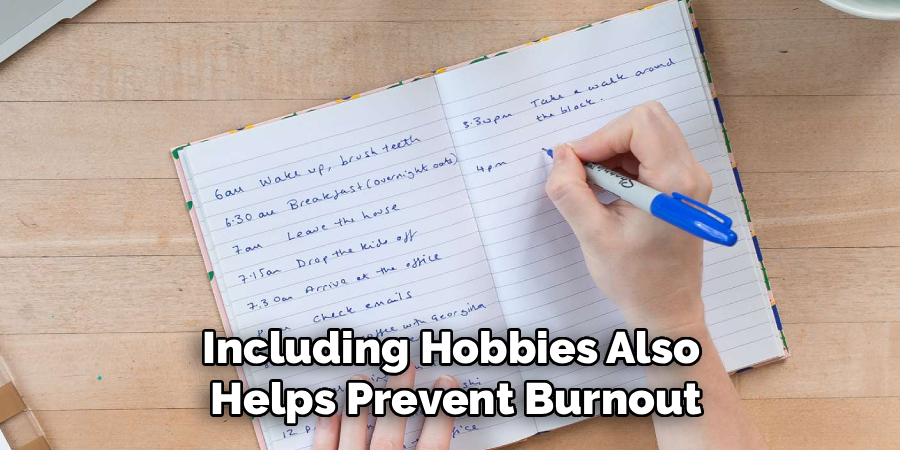
Including hobbies also helps prevent burnout. If every hour of your day feels like work, you may quickly lose motivation. Fun activities refresh your mind and help you return to your tasks with better focus. A routine should support your overall life, not just your academic goals. Permitting yourself to enjoy your day makes your routine healthier and easier to maintain.
Step 9: Review Your Routine and Adjust It Regularly
Your first routine does not need to be perfect. In fact, most good routines improve over time. After following your plan for a few days or a week, take time to review what worked and what did not. Maybe your study block was too long, your wake-up time was unrealistic, or you needed more time for homework than expected. These are useful lessons, not failures.
Adjust your routine based on your real experience. If something feels too stressful, simplify it. If a certain time of day works well, protect it. Student life can change from week to week, especially during exams, holidays, or project deadlines. A flexible routine is stronger than a rigid one because it can adapt to your needs without falling apart.
Step 10: Stay Consistent and Be Patient With Yourself
The real power of a routine comes from consistency. You do not need to follow it perfectly every single day, but you do need to keep returning to it. At first, a new schedule may feel strange or difficult. That is normal. Habits take time to build, and some days will go better than others. What matters most is that you continue trying.
If you miss a study session or wake up late one day, do not give up on your entire plan. Restart with the next task or the next morning. Progress happens through repetition, not perfection. The more often you follow your routine, the more natural it will feel. Over time, the daily choices that once took effort will become habits that support your success without constant struggle.
Conclusion
How to make a daily routine for students is one of the most powerful habits you can develop for your academic career and your mental health.
By clearly defining your fixed commitments, prioritizing your physical well-being, and deliberately scheduling both work and play, you take control of your time. Remember that a great routine is a tool meant to serve you, not a rigid cage meant to trap you. Start small, be patient with yourself during the adjustment period, and do not be afraid to tweak your schedule as your needs change.
With a little consistency and planning, you will soon find yourself studying more effectively, stressing less, and enjoying your student years to the fullest.

About
Joe Herman is a distinguished figure in the world of personal development, with a decade of expertise creating innovative and sustainable self-improvement frameworks. His professional focus lies in merging cognitive behavioral strategies with modern productivity techniques, fostering habits that are both practical and mentally sustainable. As the lead author of selfvity, Joe Herman delves into the art and science of human potential, inspiring individuals and industry professionals alike to optimize their daily lives.
Education
Stanford University
(Stanford, California) Associate Degree in Behavioral Psychology — Focus on habit formation, cognitive restructuring, and peak performance. Gained hands-on experience with psychological assessment tools and data-driven behavioral modification.
University of Pennsylvania
(Philadelphia, Pennsylvania) Bachelor’s in Positive Psychology and Human Potential (Honors) — Specialized in the science of well-being with a focus on blending psychological theory with actionable growth techniques. Participated in extensive research projects, working with leading wellness consultants to gain real-world insights into human motivation.
Publications and Impact
In selfvity, Joe Herman shares his insights on internal growth processes, mental material, and strategies for efficient lifestyle design. His writing bridges the gap between scientific research and everyday application, making it a must-read for both individuals seeking personal clarity and seasoned professionals looking to refine their mental edge.




