Lower back pain is common, but that does not make it simple. For many people, even the thought of exercise can feel wrong when the back is stiff, sore, or unpredictable. Rest often seems like the obvious answer. Sometimes a short period of rest helps. Still, too much inactivity may leave the area even tighter and, over time, can make returning to movement harder than it needs to be.
That is the frustrating part. The back often improves not through complete stillness, but through careful, well-chosen movement. Done properly, exercise may help reduce stiffness, rebuild support around the spine, and lower the chance of repeated flare-ups. The key is not to do more. It is to do the right things, at the right time, in the right way. In this guide on how to exercise with lower back pain, we’ll explore some helpful tips and exercises to help you manage and improve your back pain.
Understand the Causes of Lower Back Pain
Before starting any exercise plan, it helps to pause and ask a basic question: What seems to be driving the pain? In many cases, lower back pain is linked to muscle strain or ligament irritation, often after lifting, twisting, or moving awkwardly under load. Long hours of sitting can matter too, especially when posture is poor or unchanged for most of the day. That combination may place extra stress on the lower spine and the tissues around it.
Then again, not all back pain comes from the same source. Some cases appear to involve structural issues such as a herniated disc, sciatica, or age-related disc changes. Stress can play a role as well. That point is sometimes dismissed too quickly, but chronic tension may show up physically, including in the muscles of the lower back. Pinpointing the likely cause will not solve everything on its own, yet it can help you and your healthcare provider judge which movements are worth trying and which ones may be unwise.
When NOT to Exercise?
Movement is often helpful, but not always. Certain symptoms should be treated as warning signs rather than something to push through. Sharp pain that shoots down one or both legs may suggest nerve involvement and should be assessed promptly. The same applies to numbness, tingling, or new weakness in the legs or feet.
A few symptoms call for urgent medical care. If back pain comes with fever, unexplained weight loss, or loss of bowel or bladder control, do not treat it as a routine exercise issue. Seek immediate help. Severe pain after a fall, car accident, or other trauma also needs proper medical evaluation before any return to activity. Mild soreness during recovery is one thing. Intense, escalating, or strange pain is another, and the distinction matters.
Benefits of Exercising With Lower Back Pain (Safely)
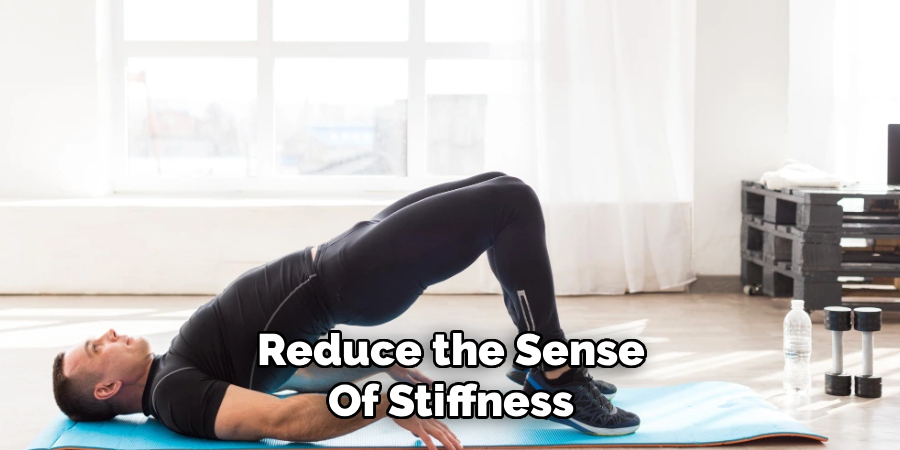
When exercise is chosen carefully, it can be useful for people with lower back pain. Gentle movement may improve circulation to the affected area, which could support healing and reduce the sense of stiffness that often builds after long periods of rest. Many people also find that light activity helps them feel less guarded and less afraid of moving, which is not trivial. Fear itself can change how the body moves.
There is also a more mechanical side to it. Exercises that strengthen the core, hips, and back may improve how the body distributes load during daily tasks such as walking, standing, lifting, or getting out of a chair. If those muscle groups are doing their share of the work, the spine may not be asked to absorb quite so much stress on its own. Regular movement can also improve mood and pain tolerance, at least for some people, partly through the release of endorphins. That does not erase the problem, of course, but it may make recovery feel more manageable.
6 Simple Step-by-step Guidelines on How to Exercise With Lower Back Pain
Step 1: Consult a Healthcare Professional First
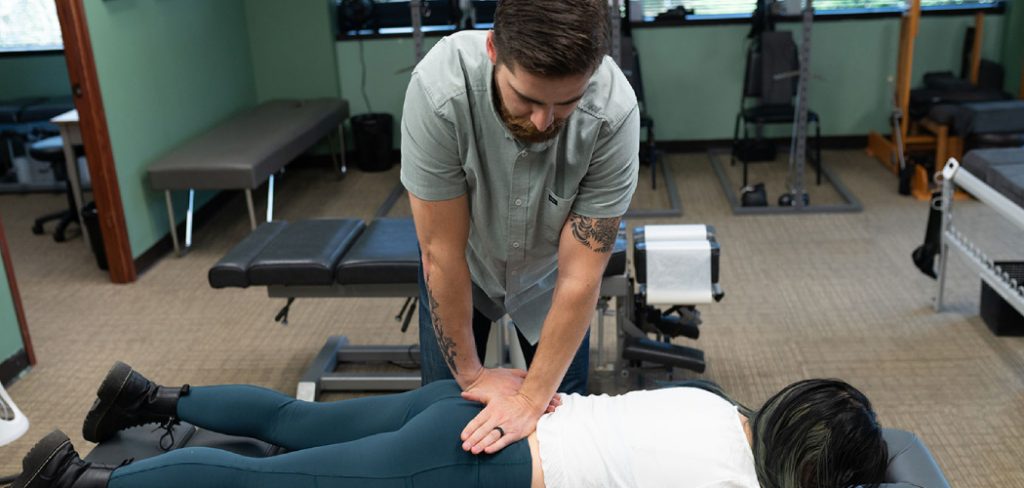
Before starting a new routine, it is sensible to get input from a doctor or physical therapist. That is especially true if the pain is severe, persistent, or difficult to explain. A qualified clinician can assess your symptoms, look for possible causes, and help identify which movements are likely to be safe. Self-diagnosis is tempting. It is also often unreliable, particularly when back pain is involved.
Use that appointment well. Ask what activities you should limit for now, what symptoms would signal that you need to stop, and which exercises fit your current condition. If you see a physical therapist, they may also correct your technique before bad habits set in. That guidance can make a real difference. Many setbacks happen not because exercise was a bad idea, but because the exercise was poorly matched to the person doing it.
Step 2: Start with Gentle Stretching Exercises
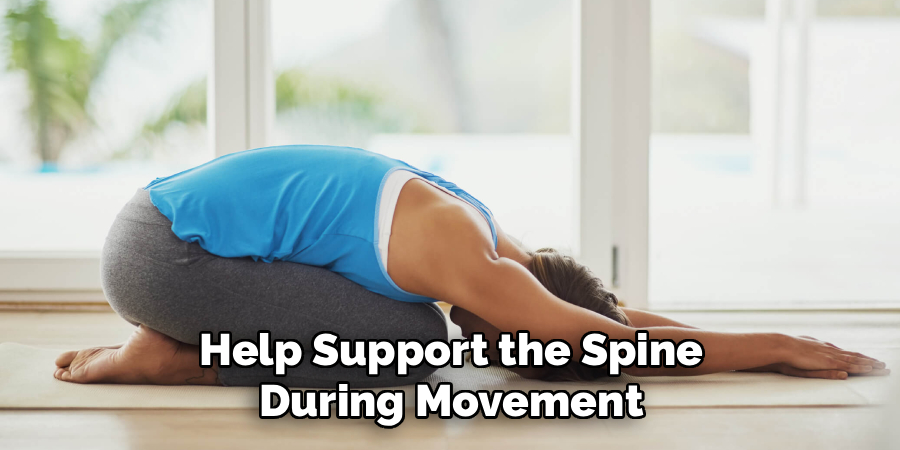
If you have been cleared to exercise, begin conservatively. Gentle stretching is often a reasonable starting point because it may ease tension and improve comfort without placing too much demand on the lower back. Tight hamstrings, hip flexors, and surrounding muscles can affect how the pelvis and spine move together, so those areas are often worth attention. Simple options such as a knee-to-chest stretch or child’s pose may feel manageable for many people.
Go slowly. That matters more than people think. Ease into each stretch, hold it for about twenty to thirty seconds, and breathe normally rather than bracing through it. If a stretch causes sharp pain, stop. Do not bounce. Do not force range of motion just because an exercise chart says you should. In back-pain recovery, more stretch is not automatically better.
Step 3: Focus on Core Activation and Stability
Core work is often recommended for lower back pain, and with some reason. The core is not just the visible abdominal muscles. It also includes the obliques and deeper stabilizing muscles that help support the spine during movement. When those muscles are functioning well, the back may be less vulnerable to sudden strain. Pelvic tilts and modified planks are commonly used because they can build control without requiring heavy spinal loading.
The quality of the movement is the point here. Slow, deliberate repetitions tend to be more useful than rushed ones. Breathing should stay steady; holding your breath may increase pressure in a way that makes the exercise less comfortable and, in some cases, less safe. Over time, this kind of work can help create a more stable base for ordinary activities. It is not dramatic progress, perhaps, but it is often the kind that lasts.
Step 4: Choose Low-Impact Aerobic Activities
Cardiovascular exercise still matters when your back hurts. The challenge is choosing forms of it that do not repeatedly jar an already sensitive area. High-impact activities such as running or jumping may be too much, especially early on. Low-impact options tend to be a better fit. Walking on a level surface is often the most practical place to start, and for many people it helps reduce stiffness while keeping the body active.
Water-based exercise can be useful too. Swimming or water aerobics may feel easier because the water supports body weight and reduces some of the load on the spine. A recumbent stationary bike can also work for certain people, provided posture is comfortable, and the position does not provoke symptoms. Start with short sessions, perhaps ten to fifteen minutes, and build gradually. There is little value in turning a helpful activity into a setback on day one.
Step 5: Incorporate Light Strength Training
Once pain has settled somewhat and basic stability has improved, light strength training may be added. This stage should still be approached with care. Strengthening the legs, glutes, and upper back can help reduce the burden placed on the lower back during daily movement. Exercises such as bodyweight squats, glute bridges, and resistance-band rows are often used because they build useful strength without requiring heavy spinal compression.
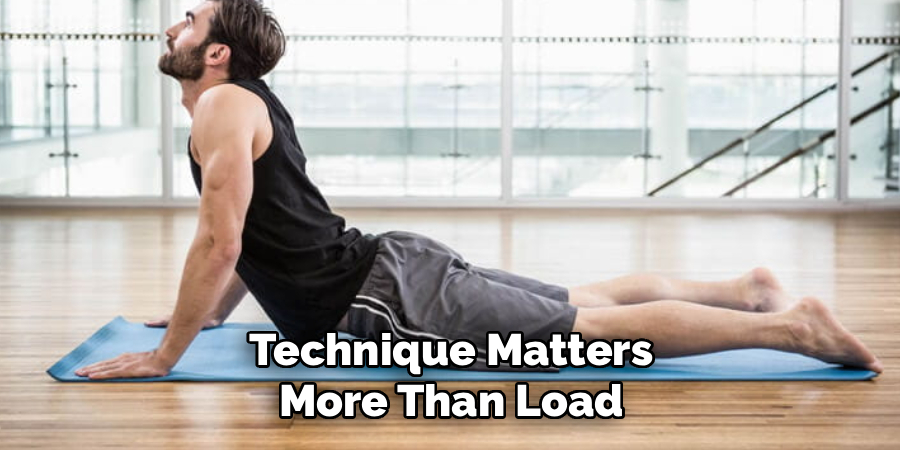
Technique matters more than load. That is true for everyone, but especially here. Try to keep the spine in a neutral position, avoid twisting under resistance, and stay within a range of motion that feels controlled. If you are unsure whether you are doing an exercise correctly, ask. A physical therapist or an experienced trainer can often spot small errors that are hard to notice on your own and that may explain why something keeps irritating the back.
Step 6: Cool Down and Assess Your Pain Levels
When the workout ends, the session is not quite over. A short cool-down gives your body time to settle and can help prevent the abrupt tightening that sometimes follows exercise. Repeating a few gentle stretches may help, and it is also a good moment to check in with how your back feels rather than rushing straight into the next task.
Some soreness is normal, particularly if you are returning to activity after a break. A major flare-up is not. If your original pain becomes much worse later that day or the next morning, the session may have been too intense, too long, or simply not the right fit. Keeping a brief record of exercises, symptoms, and timing can be surprisingly useful. Patterns emerge. And once they do, adjustments become easier to make.
Following these steps on how to exercise with lower back pain can greatly benefit your overall health and well-being.
Regular exercise
Common Mistakes to Avoid
A common mistake is moving too fast and paying too little attention to form. In the context of lower back pain, sloppy movement can shift stress toward tissues that are already irritated. Another issue is breath-holding during effort, which often creates extra tension through the trunk and neck. People also tend to fixate on the back itself while ignoring the hips and hamstrings, even though tightness in those areas may be part of the problem.
There is an opposite mistake as well: avoiding movement altogether out of fear. That reaction is understandable. Pain changes behavior. Still, complete avoidance can lead to deconditioning, greater stiffness, and more anxiety around ordinary movement. In many cases, the better option is not zero movement, but safer movement.
Tips for Safe Progression
Progress should be gradual, even if you are feeling better. In practice, that means changing one variable at a time rather than several. If you increase duration this week, keep the intensity stable. If you add resistance, avoid also increasing frequency. That kind of restraint may feel tedious, but it usually beats the stop-start cycle that follows doing too much too soon.
Rest matters too. Tissues need time to adapt, and recovery is part of training, not a break from it. If a specific exercise repeatedly causes discomfort, do not keep forcing it out of loyalty to the program. Swap it for something that trains a similar area more comfortably. Consistency, in most cases, matters more than ambitious effort. With back pain, small gains made steadily are often more meaningful than occasional bursts of enthusiasm.
When to Seek Medical or Physiotherapy Help?
If your lower back pain continues for more than a few weeks despite rest and gentle activity, it is worth consulting a doctor or physical therapist. The same is true if symptoms begin to change in concerning ways. Pain that radiates down the leg, tingling in the feet, or sensations that resemble pins and needles may indicate nerve irritation and should not be ignored.
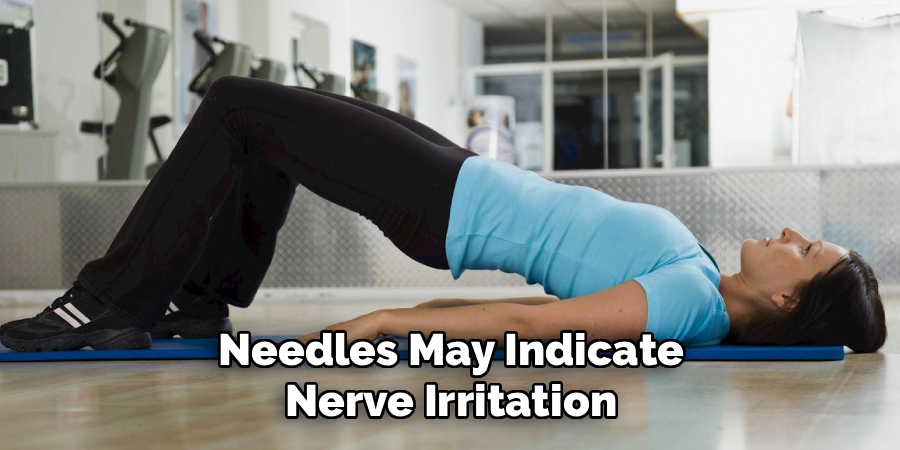
Sudden leg weakness, stumbling, or a sense that the foot is dragging calls for prompt evaluation. So does severe pain that seems out of proportion to normal muscle soreness. Physiotherapy can also help when fear becomes part of the problem and movement starts to feel threatening in itself. That is more common than people admit. Early guidance may reduce the risk that a short-term issue turns into a long-running one.
Long-Term Back Health Maintenance
Looking after your back does not begin and end with exercise sessions. Daily habits matter, sometimes more than a perfectly designed routine. If you sit for long periods, pay attention to your setup and to how often you stay in one position without moving. An ergonomic chair may help, but so can something much simpler: standing up regularly, stretching briefly, and avoiding hours of static posture.
Body weight may also influence spinal load, so maintaining a healthy range can be helpful over time. Hydration is worth mentioning as well, though it should not be exaggerated into a miracle fix. Safe lifting mechanics remain important: bend through the knees and hips rather than folding carelessly at the waist, and keep loads close to the body when possible. None of this is glamorous. That may be why it gets overlooked. Still, these ordinary habits often do a great deal to reduce future flare-ups.
Frequently Asked Questions
Q1: Can Walking Worsen My Lower Back Pain?
Walking is often one of the more tolerable forms of exercise for lower back pain because it is low-impact and relatively easy to scale. It may improve circulation, reduce stiffness, and help you return to regular activity without too much strain. That said, it is not automatically harmless. Walking may aggravate symptoms if your posture is poor, your shoes offer little support, or you increase the distance too quickly.
If walking produces a sharp rise in pain, stop and reassess. It may be worth speaking with a physical therapist who can look at your gait, posture, and pacing. Sometimes the issue is not the walking itself, but how you are doing it.
Q2: Is It Safe To Lift Weights With A Bad Back?
Weight training can be helpful for some people with back pain, but the details matter. Light, well-controlled exercises may strengthen the muscles that support the spine and improve confidence with movement. Glute bridges, wall sits, and seated rows are often better tolerated because they do not place the same kind of direct load on the lower back as heavier compound lifts.
Still, this is not a situation for guesswork. Heavy squats, deadlifts, and overhead presses may be inappropriate until a clinician has assessed your condition and cleared you for them. Good form is essential, but it is not magic. If a movement repeatedly causes symptoms, it should be modified, replaced, or postponed.
Keep Moving Forward With Confidence
Exercising with lower back pain calls for patience and a bit of humility. Progress is rarely neat. Some days will feel encouraging; others may not. Even so, careful movement, attention to symptoms, and a realistic pace can help you rebuild strength without treating the back as permanently fragile.
Work with your healthcare provider, follow the plan you have been given, and judge success by consistency rather than speed. Setbacks can happen. They do not necessarily mean you are back where you started. With time, thoughtful progression, and a willingness to adjust, many people can regain mobility and return to an active life with far more confidence than they expected at the beginning. Thanks for reading this guide on how to exercise with lower back pain.

About
Joe Herman is a distinguished figure in the world of personal development, with a decade of expertise creating innovative and sustainable self-improvement frameworks. His professional focus lies in merging cognitive behavioral strategies with modern productivity techniques, fostering habits that are both practical and mentally sustainable. As the lead author of selfvity, Joe Herman delves into the art and science of human potential, inspiring individuals and industry professionals alike to optimize their daily lives.
Education
Stanford University
(Stanford, California) Associate Degree in Behavioral Psychology — Focus on habit formation, cognitive restructuring, and peak performance. Gained hands-on experience with psychological assessment tools and data-driven behavioral modification.
University of Pennsylvania
(Philadelphia, Pennsylvania) Bachelor’s in Positive Psychology and Human Potential (Honors) — Specialized in the science of well-being with a focus on blending psychological theory with actionable growth techniques. Participated in extensive research projects, working with leading wellness consultants to gain real-world insights into human motivation.
Publications and Impact
In selfvity, Joe Herman shares his insights on internal growth processes, mental material, and strategies for efficient lifestyle design. His writing bridges the gap between scientific research and everyday application, making it a must-read for both individuals seeking personal clarity and seasoned professionals looking to refine their mental edge.