

It’s surprisingly easy to lose touch with the world around us. The pace of work, endless notifications, the stubborn blue glow of screens—none of it lends itself to feeling rooted or present. Sometimes, by late afternoon, you can almost sense how far you’ve drifted. But then there’s this: step outside, actually feel the ground, even for a moment, and your mind might shift in ways you wouldn’t expect.

Grounding—sometimes called “earthing”—doesn’t come with a membership fee or a promise of life-changing transformations in twenty-one days. Instead, it’s almost suspiciously simple: get your skin in contact with the real surface of the earth. Not carpet. Not plastic-turf. Actual dirt, grass, or sand. It’s been suggested that our planet carries a mild negative charge, and that technological life, with all its charging cables and fluorescent lights, may nudge us in the opposite direction, at least electrically. When you reconnect—skin to soil—you’re supposedly letting the charges balance out.
The science behind grounding is, let’s say, up for discussion. Some research points to benefits—perhaps lighter inflammation, or milder stress, or sleep that feels a little less fractured—though a cautious reader may want to pore over the studies before making any large claims. Still, there is a tactile sense in the act itself: standing barefoot outdoors, you might notice your nerves settle, just slightly. It’s less about a “reset button” and more about carving out a sliver of peace in a noisy routine. In this guide on how to earth yourself, we’ll explore the origins of this practice, potential benefits, and how to incorporate earthing into your daily routine.
Do You Actually Need to Ground Yourself?
It would be easy to dismiss grounding as another entry in the ever-growing ledger of wellness advice. And yet, ask yourself—when was the last time you felt clear-headed or genuinely calm? Regular tinges of anxiety, those scattered days filled with brain fog, or a tendency to half-finish tasks before your focus peters out, could all hint at a deeper disconnect from your body and environment. Anyone spending days shuttling from indoor desk to indoor kitchen, all under artificial lights, might notice restlessness of a vaguely physical kind.
The red flags aren’t always just emotional. If your sleep has slipped into a restless sketch, or if muscles seem stuck in tension for no good reason, the explanation could lie with a nervous system that’s gone hypervigilant. When too much energy is bound up in worry or drift, the sheer act of feeling the cool ground can pull you, for a while, back to baseline. Of course, waiting until you’re totally depleted isn’t wise. It’s much easier to course-correct while you still have the mental bandwidth for small changes.
7 Actual Steps on How to Earth Yourself
Step 1: Pick the Right Patch of Earth—Not All Dirt Is Equal
You’d think any stretch of outdoors would do. Actually, the surface matters—a lot. Patchy grass in your backyard, a sandy strip near a lake, damp garden soil, or even unpainted concrete can all work well because they conduct the earth’s charge. Oddly, paved city sidewalks, vinyl decking, and painted or sealed surfaces won’t do much; these act as barriers, not bridges.

Besides conductivity, check for practical stuff: broken glass, animal droppings, pesticide residue. A tucked-away corner of a park, far from the foot traffic and gum wrappers, often works better than you’d think. A sense of security—knowing you won’t be startled by joggers or hidden hazards—can mean the difference between tense fidgeting and genuine relaxation.
Step 2: There’s No Shortcut—Shoes and Socks Come Off
Here’s where many people falter. It feels odd, almost exposed, to go barefoot as an adult. But for grounding to really…well, ground, skin needs to meet earth. Shoes, especially ones with rubber or plastic soles, block the connection completely. Take them off. Step cautiously. Notice the tiny shocks of cold grass or roughness of pebbles underfoot; this is part of the experience.
If your feet are tender, avoid gravel or dry, burnt grass for your first few tries. Soft lawns or damp sand are less likely to trigger a quick retreat indoors. With time, the tingling discomfort usually ebbs, replaced by an odd sort of comfort—you may end up craving such sensations.
Step 3: Stand Tall, Sit Down, or Sprawl—Just Keep Contact
There’s no single posture magic here. You could stand, feet a little apart and knees flexed, but sitting cross-legged, hands flat to the ground, is often just as effective. On a particularly lovely day, you might even lie flat on your back, watching clouds coast by. The key is to keep a reasonable amount of exposed skin—feet, hands, or even arms—in steady touch with the surface.

Some people instinctively hunch or flex, anxious that there’s a “wrong way” to position themselves. That’s not really the case, but you do want some physical ease. A straight-ish spine helps your breathing, and if you’re sitting, let your hands stray to the grass now and then rather than sitting on your phone.
Step 4: Breathe as You Mean It, Even If You Feel Silly
After the initial awkwardness, shift your focus to breathing. Not the absent, shallow breaths of a multitasking brain, but something slower and more deliberate. Inhale for maybe four seconds, fill your lungs fully, then exhale for longer—five or six seconds—with intent. This kind of rhythm signals your body, somewhat quietly, to step down from crisis mode.
Of course, your mind is unlikely to stay blank. Grocery lists, old conversations, emails you haven’t answered—they’ll all try to crowd in. When this happens, don’t scold yourself. Just steer your attention back, gently, to the feeling of air moving in and out. At heart, you’re practicing staying present, not perfect.
Step 5: Try Visualization—If That’s Your Thing
For some, adding a layer of mental imagery enhances the process. Eyes closed, you might picture a golden warmth traveling up from the ground and spreading through your body, displacing unease as it goes. It’s not necessary to believe this literally. Sometimes, such practices simply act as placeholders for relaxation—something your mind can grip while your body adjusts.
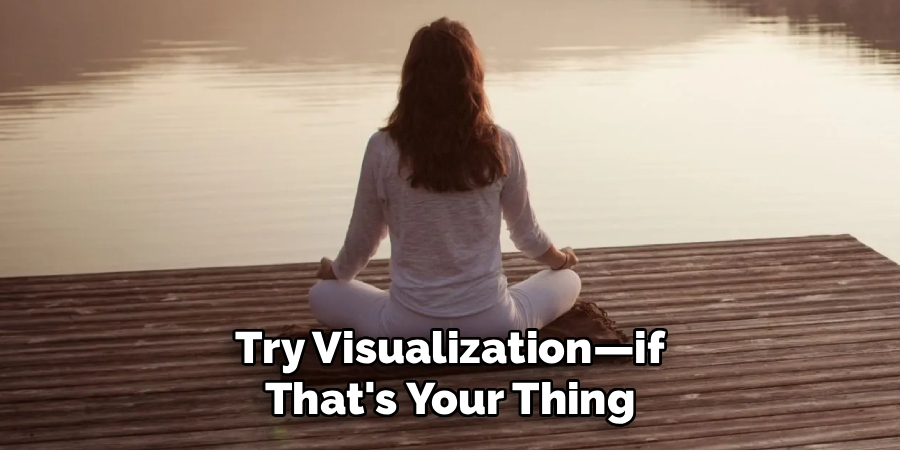
Others find it useful to imagine stress—or whatever lingers after a rough week—draining downward, absorbed by the ground beneath. It’s essentially scaffolding: a way to reinforce the subtle shifts already happening as you stay still.
Step 6: Patience—You Need At Least Twenty Minutes
Don’t set a timer on your phone if you can help it. Step away from distractions. The consensus, where it exists, suggests twenty to thirty minutes as the “sweet spot” for grounding. Five minutes is better than nothing, but if you’re chasing noticeable changes, more time tends to help.
While you wait, invoke your senses. Listen for wind in the trees, the call of a distant bird, or—if you’re urban—the hum of city life. Really notice the temperature, the way tiny insect feet might crawl, the feel of sun or shadow. These details, often drowned out in daily life, place you squarely in the present.
Step 7: Reentry—Return To Routine Without Rushing
When time’s up, don’t leap straight into emails or arguments. Give yourself a few breaths, wriggle your hands and toes, and really note the difference in your mood or body since you started. Brush off dirt or stray blades of grass, put your shoes back on, but try not to lose that lighter feeling the instant you step inside.

Set a small intention. Maybe it’s as minor as staying off your phone for ten more minutes, or as broad as remembering that grounded feeling later when stress inevitably reappears. These “soft landings” stretch the benefits further than you might think.
Following these steps on how to earth yourself, you can reap the mental and physical benefits of connecting with the earth.
Missteps Most People Make—And Why They Matter?
Many new practitioners try to sneak in grounding on an afternoon walk, pacing quickly along paved paths, only to leave disappointed. Or, worse, they scroll social media under the banner of “being outside,” missing the point entirely.
True, even a little practice helps, but sporadic, distracted attempts rarely make any real dent in accumulated stress. As with most habits, regularity and presence matter at least as much as enthusiasm.
Mixing Grounding With Other Mindful Activities
You can blend grounding with other sorts of mindful movement. Slow, barefoot yoga amid the grass, light stretching routines, or sitting with a notebook under a tree can all layer the effects. Some find that early-morning sunlight adds an extra benefit—a “reset” for mood and sleep cycles.
Others stash a novel in their bag, reading outdoors not for show, but for the subtle calm it brings. These aren’t requirements; think of them as possibilities to experiment with, not rules etched in stone.
When Grounding Isn’t the Only Answer?
It’s tempting to hope that reconnecting with the earth is a panacea, a fix-all for chronic pain, trauma, or deep-rooted mental health issues. But let’s not overstate things. Grounding can be a supportive part of a thoughtful regimen for managing daily stress or light fatigue.
Yet if you are struggling with lasting, severe anxiety, depression, or physical symptoms you can’t explain away—bare feet on grass won’t take the place of proper medical care. In those cases, consult someone qualified. Self-care doesn’t work in a vacuum.
Frequently Asked Questions:
Q1: Can you ground indoors? Sort Of.
There are gadgets—earthing mats, conductive sheets, plugs for the grounding port in your outlet. These can help when being outdoors isn’t possible, and they do allow for a semblance of the same process. Still, if you can snag even a single minute outside, fresh air and real sunlight are worth it—nothing quite replaces the sensory input of genuine outdoor time.
Q2: How Soon Will You “Feel” It?
Some say they notice shifts in mood or tension within ten minutes; others wait weeks for subtler effects. No universal promises here. Sleep might deepen, or stress might edge down—progress feels incremental. Approach it less as a cure, more as an experiment with your body as the only real gauge.
Q3: Must It Be Daily?
Daily practice offers the most stable results if you aim to reduce baseline stress, but absolute perfection isn’t necessary. Three to four sessions a week are plenty for most. Treat it as an ongoing habit rather than a grand project—consistency, loosely held, works better than an ambitious but unsustainable campaign.
Take the First Small Leap
Stepping outside barefoot might seem trivial within the blur of daily obligation, yet that’s exactly why it’s worth trying. There’s something quietly subversive about discarding your shoes in the name of self-care.
Start with ten minutes, preferably where you aren’t likely to be interrupted, and see how it feels. You may be surprised by how much difference a small gesture can make over time. Thanks for reading this guide on how to earth yourself.

About
Joe Herman is a distinguished figure in the world of personal development, with a decade of expertise creating innovative and sustainable self-improvement frameworks. His professional focus lies in merging cognitive behavioral strategies with modern productivity techniques, fostering habits that are both practical and mentally sustainable. As the lead author of selfvity, Joe Herman delves into the art and science of human potential, inspiring individuals and industry professionals alike to optimize their daily lives.
Education
Stanford University
(Stanford, California) Associate Degree in Behavioral Psychology — Focus on habit formation, cognitive restructuring, and peak performance. Gained hands-on experience with psychological assessment tools and data-driven behavioral modification.
University of Pennsylvania
(Philadelphia, Pennsylvania) Bachelor’s in Positive Psychology and Human Potential (Honors) — Specialized in the science of well-being with a focus on blending psychological theory with actionable growth techniques. Participated in extensive research projects, working with leading wellness consultants to gain real-world insights into human motivation.
Publications and Impact
In selfvity, Joe Herman shares his insights on internal growth processes, mental material, and strategies for efficient lifestyle design. His writing bridges the gap between scientific research and everyday application, making it a must-read for both individuals seeking personal clarity and seasoned professionals looking to refine their mental edge.




