

Modern living demands a heavy physiological toll on our bodies. The liver functions as the primary filtration system, working endlessly to process nutrients and neutralize environmental pollutants. It also manages processed food additives and metabolic byproducts generated by chronic stress.
Learning how to detox liver tissues properly might offer a pathway to restoring natural energy levels. This practice does not require extreme fasting or harsh chemical laxatives. It relies instead on providing the organ with specific biological support.
We will explore the underlying chemistry of hepatic filtration. This guide examines the importance of deep hydration, plant-based nutrition, and actionable lifestyle modifications. Approaching your body with this gentle methodology could help maintain long-term physical wellness.

Understanding the Liver’s Natural Detoxification Process
The body already possesses highly sophisticated mechanisms for clearing out waste. The liver does not store toxins like a household sponge. Instead, it acts as a chemical processing plant that alters the molecular structure of harmful substances.
Understanding this biology helps clarify why gentle support works better than aggressive commercial cleanses. We must look at the specific chemical pathways the organ uses. This microscopic perspective demystifies the entire concept of internal cleansing.
Phase 1 and Phase 2 Detoxification
Hepatic filtration relies on a two-step chemical process to neutralize threats. Phase 1 essentially breaks down fat-soluble toxins into smaller, slightly more reactive fragments. Cytochrome P450 enzymes handle the bulk of this initial metabolic labor.
Phase 2 immediately follows, binding these highly reactive fragments to specific water-soluble molecules. This binding process, known as conjugation, renders the toxins safe for transport. The body can then excrete these newly formed, harmless compounds through urine and bile.
Signs Your Liver Needs Support
Physical indicators often suggest when an organ feels overburdened. The body communicates distress through a fairly predictable set of systemic symptoms. You simply need to observe your daily baseline energy.
Chronic fatigue, unexplained brain fog, and sudden skin breakouts frequently indicate a struggling filtration system. Sluggish digestion might also suggest that the liver is failing to produce adequate bile. These subtle physical warnings appear to imply that the organ cannot keep pace with current chemical demands.
The Role of Hydration in Liver Health
Water serves as the fundamental vehicle for nearly all metabolic waste removal. Any effective cleansing protocol must begin with a substantial increase in daily fluid intake. Without sufficient water, the entire filtration process grinds to a sudden halt.
Dehydration forces the blood to become highly viscous. Thick, slow-moving blood forces the liver to work exponentially harder to filter out impurities. Maintaining cellular hydration represents a non-negotiable requirement for organ recovery.
Flushing Out Water-Soluble Toxins
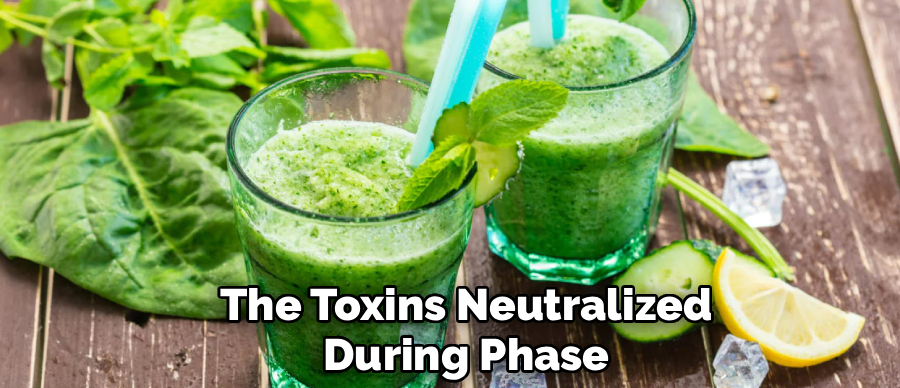
Adequate fluid intake ensures that the toxins neutralized during Phase 2 are successfully exported. Once the liver renders a chemical water-soluble, it must travel to the kidneys or the bowels. Water provides the necessary physical current for this downward transit.
Failing to consume enough water allows these conjugated toxins to linger in the bloodstream. They might eventually reabsorb into systemic circulation, entirely defeating the initial liver processing. Drinking consistently prevents this frustrating biological recycling.
Enhancing Water with Lemon and Minerals
Plain tap water sometimes lacks the trace minerals necessary for optimal cellular absorption. Adding a small pinch of unrefined sea salt might replenish electrolytes lost overnight. This simple addition supports blood volume and pressure.
Squeezing fresh lemon juice into your morning glass offers a different type of biological assistance. The mild citric acid in lemons appears to stimulate the production and flow of bile. Increased bile flow directly aids in fat digestion and the removal of fat-soluble waste.
Step-by-Step Guide on How to Detox Liver
Establishing a daily routine provides the most reliable framework for hepatic healing. This specific methodology relies on anticipating the organ’s needs before it becomes overwhelmed. Following these sequential steps will demonstrate exactly how to detox liver pathways safely and effectively.
Step 1: Hydrate Immediately Upon Waking
You should aim to drink a large glass of warm, filtered water the moment you get out of bed. Your body spends the entire night performing metabolic repairs without any incoming moisture. Waking up inherently means starting the day in a state of mild dehydration.
Rehydrating immediately jumpstarts the gastrointestinal tract. It provides the liver with the raw fluid necessary to flush out the metabolic waste accumulated during sleep. This singular habit often sets a positive metabolic tone for the next twelve hours.
Step 2: Eliminate Processed Foods and Refined Sugars
The most immediate intervention involves removing known chemical irritants from your plate. Artificial preservatives, synthetic food dyes, and refined sugars actively aggravate liver tissue. Pausing your intake of these substances immediately reduces the organ’s daily workload.
You are essentially starving the body of inflammatory inputs. This brief dietary restriction allows the liver to focus entirely on deep cellular repair. Once the tissue heals, it can typically handle occasional indulgences with significantly greater resilience.
Step 3: Increase Cruciferous Vegetable Intake
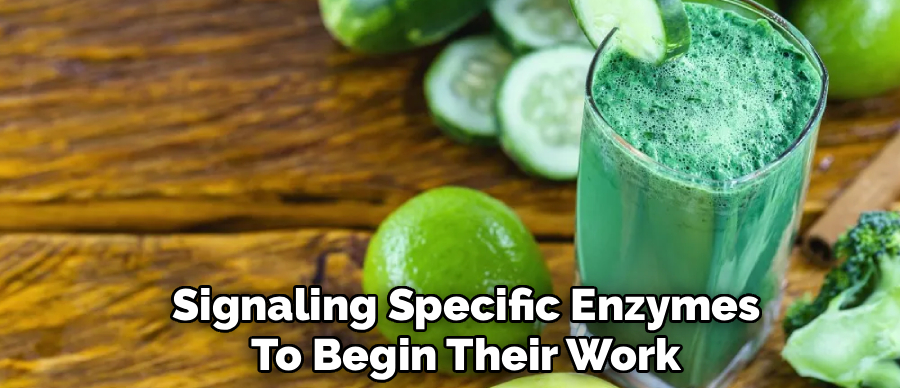
Food acts as biological information, signaling specific enzymes to begin their work. You should guide your diet toward broccoli, Brussels sprouts, and heavy cabbage. These particular vegetables contain high levels of glucosinolates.
Glucosinolates are sulfur-containing compounds that actively trigger the liver’s natural enzyme production. They seem to heavily support the Phase 2 conjugation pathways discussed earlier. Eating them lightly steamed preserves their chemical integrity while making them easier to digest.
Step 4: Integrate Liver-Supporting Teas
Replacing your afternoon coffee with a specialized herbal infusion provides gentle, ongoing support. Heavy caffeine consumption sometimes forces the adrenal glands to overwork, indirectly stressing the liver. Herbal alternatives offer a soothing biological break.
You might consider steeping roasted dandelion root or organic milk thistle tea. These specific botanicals contain active compounds historically known to protect hepatic cells. They also mildly stimulate healthy bile flow, easing the burden of afternoon digestion.
Step 5: Engage in Daily Sweating and Exercise
The skin operates as the body’s largest supplementary elimination organ. You should commit to twenty or thirty minutes of cardiovascular exercise to induce a heavy sweat. Sauna use provides a similarly effective, passive alternative for those with mobility constraints.
Sweating physically pushes environmental toxins and heavy metals directly out through the pores. This alternate exit route significantly reduces the chemical volume placed on the liver. It represents a highly effective, mechanical form of systemic detoxification.
Step 6: Prioritize Restorative Sleep
The final step of ending your day properly carries immense biological weight. You must instruct yourself to maintain a highly consistent sleep schedule. The body performs its most intense internal healing during the deepest phases of rest.
The liver requires this quiet period to regenerate damaged tissue and process stored energy. Depriving yourself of sleep actively sabotages the entire cleansing routine you performed during the day. Rest remains the ultimate foundation of physical recovery.
Top Liver-Cleansing Foods to Add to Your Diet
Specific, accessible ingredients can easily be incorporated into your daily cooking routine. These foods provide targeted chemical support to soothe inflammation. They supply the exact antioxidants required to shield delicate hepatic cells.
The Power of Beets and Berries
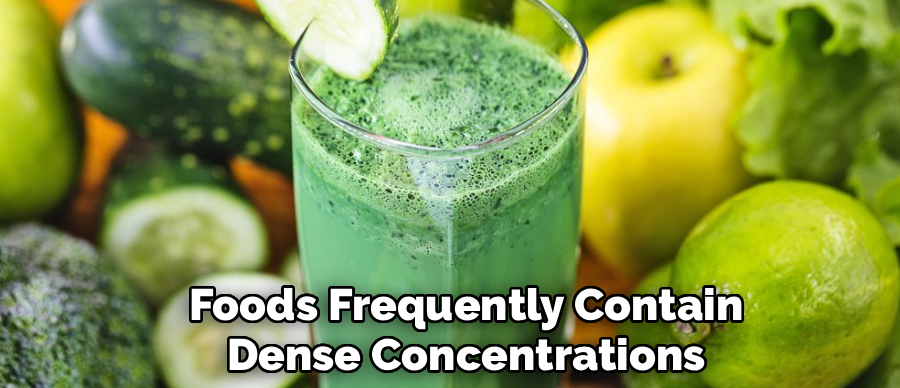
Dark red and purple foods frequently contain dense concentrations of plant pigments called betalains and anthocyanins. You might find these specific compounds in fresh beets, blueberries, and blackberries. They act as formidable scavengers of free radicals.
These antioxidants combat oxidative stress directly within the liver lining. Reducing oxidative stress promotes a healthier, more resilient cellular barrier against incoming toxins. Adding a handful of berries or roasted beets to a meal requires almost no extra effort.
Garlic and Onion for Sulfur Compounds
Members of the allium family provide another layer of defense for the filtration system. Garlic and onions possess incredibly strong sulfur compounds, such as allicin. These molecules act as chemical triggers for specific metabolic pathways.
They appear to activate the liver enzymes directly responsible for flushing out heavy metals from the bloodstream. While they might leave a lingering scent on the breath, their internal benefits are profound. You should crush or chop garlic a few minutes before cooking to maximize this chemical activation.
Herbal Supplements for Natural Liver Support
Dietary shifts form the core of your recovery, but targeted supplementation could potentially accelerate the process. Natural botanicals might help repair a dysregulated filtration system over a period of months. You should always introduce new compounds slowly to monitor your physical tolerance.
Milk Thistle and Silymarin
Milk thistle represents perhaps the most heavily researched botanical for hepatic health. Its primary active ingredient, silymarin, acts as a highly potent, localized antioxidant. It seems to specifically target the outer membrane of liver cells.
Silymarin theoretically prevents environmental toxins from binding to these vulnerable cellular receptors. It also appears to stimulate protein synthesis, encouraging the liver to replace damaged cells more rapidly. This herb frequently serves as the cornerstone of natural clinical protocols.
Turmeric and Curcumin Extract
The vibrant yellow root known as turmeric possesses remarkably strong anti-inflammatory properties. Its active compound, curcumin, drastically reduces systemic swelling throughout the entire digestive tract. A calm, uninflamed digestive tract significantly eases the liver’s processing requirements.
Curcumin, however, suffers from notoriously poor bioavailability on its own. You must suggest combining turmeric extracts with a small amount of black pepper (piperine). This combination ensures maximum intestinal absorption, allowing the compound to actually reach the hepatic tissue.
Lifestyle Habits That Sabotage Liver Function
Hidden everyday routines can quietly overwhelm the body’s detoxification pathways. We frequently focus entirely on diet while ignoring mechanical and environmental stressors. Addressing these subtle habits prevents you from constantly undoing your own hard work.
Sedentary Lifestyles and Fatty Liver
The dangers of prolonged sitting extend far beyond joint stiffness and poor posture. A lack of physical movement contributes directly to metabolic stagnation. Unused dietary energy quickly converts into fat deposits.
When you remain sedentary, this excess energy frequently stores itself directly inside the liver tissue. This condition, known as non-alcoholic fatty liver disease, physically chokes the organ’s ability to filter blood. Daily movement prevents this dangerous accumulation of visceral fat.
Hidden Toxins in Household Products
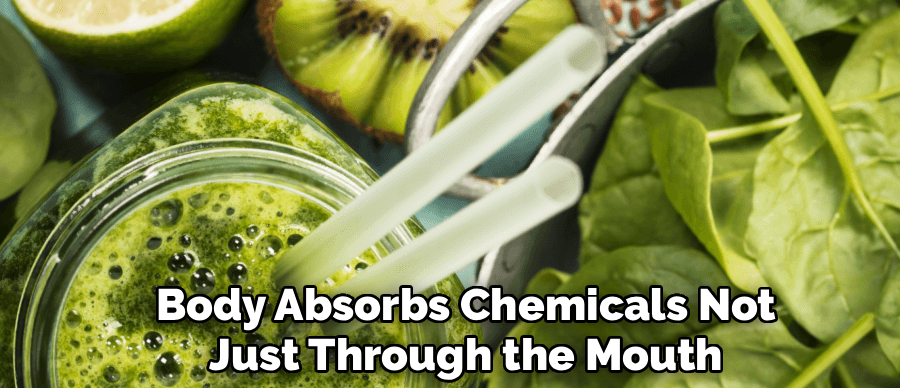
Your body absorbs chemicals not just through the mouth, but through the lungs and the skin. Synthetic chemical cleaners, heavy artificial fragrances, and conventional cosmetics all introduce foreign compounds to your system. Everything inhaled or absorbed eventually passes through the liver for neutral processing.
You might want to audit your bathroom cabinets and under-sink storage. Transitioning to natural, unscented cleaning products removes a massive, invisible chemical burden from your daily life. The liver appreciates an environment free from constant synthetic exposure.
Why Sleep is Essential for Liver Repair
Nighttime habits dictate the efficiency of the body’s circadian rhythm. A healthy liver relies heavily on this internal clock to schedule its maintenance work. Ignoring your sleep architecture guarantees an incomplete cellular recovery.
Cellular Regeneration During Sleep
Traditional medical observation suggests the liver undergoes its most intense period of detoxification late at night. This restorative window typically occurs between the hours of eleven o’clock and three in the morning. Your body must be in a state of deep, undisturbed sleep to maximize this biological process.
Interrupting this window with late-night scrolling or artificial blue light actively suppresses necessary hormonal shifts. The brain struggles to coordinate the repair signals sent to the major organs. Protecting your sleep environment ensures the liver has the quiet space it needs to regenerate.
Timing Your Meals Before Bed
Eating heavy, complex meals right before sleeping forces your body into an awkward biological compromise. Active digestion requires immense blood flow directed toward the stomach and intestines. This mechanical labor steals vital energy away from the liver’s overnight repair schedule.
The body cannot deeply rest and heavily digest simultaneously. You should ideally finish consuming calories two to three hours before attempting to sleep. An empty gastrointestinal tract allows the nervous system to focus its resources entirely on hepatic recovery.
When to Consult a Medical Professional
Lifestyle adjustments and strict routines are not always sufficient to overcome severe organ suppression. You must recognize when dietary changes fall short and clinical intervention becomes necessary. Medical guidance provides absolute clarity when home interventions fail to produce results.
Recognizing Chronic Liver Issues
You should immediately seek professional medical advice if you experience certain severe symptoms. The yellowing of the eyes or skin, known as jaundice, indicates an advanced failure of the filtration system. Severe, unexplained abdominal pain or chronic dark urine also warrants urgent clinical investigation.
These symptoms frequently point toward serious viral infections, advanced fatty liver disease, or structural blockages. Trying to push through severe biological distress with herbal teas often causes more harm than good. A doctor can evaluate your specific enzyme levels through a simple blood panel.
Safe Cleansing vs. Extreme Fasting
The wellness industry profits heavily from selling aggressive, short-term resets. You must strictly avoid adopting extreme liquid diets or relying on harsh, synthetic laxative cleanses. True organ health stems from sustainable, daily nourishment rather than sudden, restrictive panic.
Extreme fasting can actually damage metabolic function and force the liver to process muscle tissue for survival energy. Starvation represents a trauma to the body, not a cure. Gentle, consistent dietary adjustments will always outperform violent, short-term nutritional restrictions.
Conclusion
Supporting your body’s primary filtration system requires patience, keen observation, and a willingness to step back from aggressive interventions. The organ inherently wants to find its natural equilibrium, provided we stop interfering with harsh chemicals and dietary stress. Implementing small, protective habits yields profound changes over a timeline of several weeks.
Understanding exactly how to detox liver pathways naturally empowers you to reclaim your physical energy. You can clear your skin, improve your digestion, and actively secure your long-term vitality by simply respecting your anatomy. Pour yourself a large glass of warm lemon water, prioritize an earlier bedtime, and begin your journey toward a more vibrant, unburdened physiological state today.

About
Joe Herman is a distinguished figure in the world of personal development, with a decade of expertise creating innovative and sustainable self-improvement frameworks. His professional focus lies in merging cognitive behavioral strategies with modern productivity techniques, fostering habits that are both practical and mentally sustainable. As the lead author of selfvity, Joe Herman delves into the art and science of human potential, inspiring individuals and industry professionals alike to optimize their daily lives.
Education
Stanford University
(Stanford, California) Associate Degree in Behavioral Psychology — Focus on habit formation, cognitive restructuring, and peak performance. Gained hands-on experience with psychological assessment tools and data-driven behavioral modification.
University of Pennsylvania
(Philadelphia, Pennsylvania) Bachelor’s in Positive Psychology and Human Potential (Honors) — Specialized in the science of well-being with a focus on blending psychological theory with actionable growth techniques. Participated in extensive research projects, working with leading wellness consultants to gain real-world insights into human motivation.
Publications and Impact
In selfvity, Joe Herman shares his insights on internal growth processes, mental material, and strategies for efficient lifestyle design. His writing bridges the gap between scientific research and everyday application, making it a must-read for both individuals seeking personal clarity and seasoned professionals looking to refine their mental edge.




