Friendships should operate as a two-way street, built on a foundation of mutual respect and shared emotional support. However, you might notice that a particular friend constantly dominates conversations, dismisses your feelings, and turns every situation into a lengthy story about themselves. It is completely normal to feel drained after spending your time with someone who demands constant attention while offering very little in return. Understanding how to deal with self centered friends is absolutely essential for protecting your own mental health and overall well-being.

By learning effective communication strategies and establishing firm personal boundaries, you can manage these challenging dynamics without necessarily severing the relationship completely. Recognizing the signs of an unbalanced connection gives you the power to change the interaction. This comprehensive guide will walk you through actionable, straightforward steps to restore balance in your social life and preserve your peace of mind.
A Step-By-Step Guide for How to Deal With Self Centered Friends
Creating a healthier dynamic requires patience, observation, and a highly strategic approach. If you find yourself constantly exhausted by a one-sided relationship, you can take constructive steps to reshape the way you interact. Learning how to deal with self centered friends means taking proactive measures rather than silently absorbing their behavior. Follow these proven methods to protect your energy and foster healthier connections.
Step 1: Evaluate the Friendship Dynamics
Take a step back and objectively assess your ongoing interactions with this person. Notice how often they redirect casual conversations back to their own personal experiences. Evaluate whether they ever ask about your life, or if they simply wait for their turn to speak. Analyzing these patterns helps you determine whether their behavior is a temporary phase caused by extreme stress or a deeply ingrained personality trait. You must understand the true root of the issue before you can address it effectively. Document specific instances in your mind where their self-absorption left you feeling completely unheard or invalidated. Having concrete, specific examples will help you approach the situation logically rather than reacting purely out of immediate frustration.
Step 2: Establish Firm Personal Boundaries
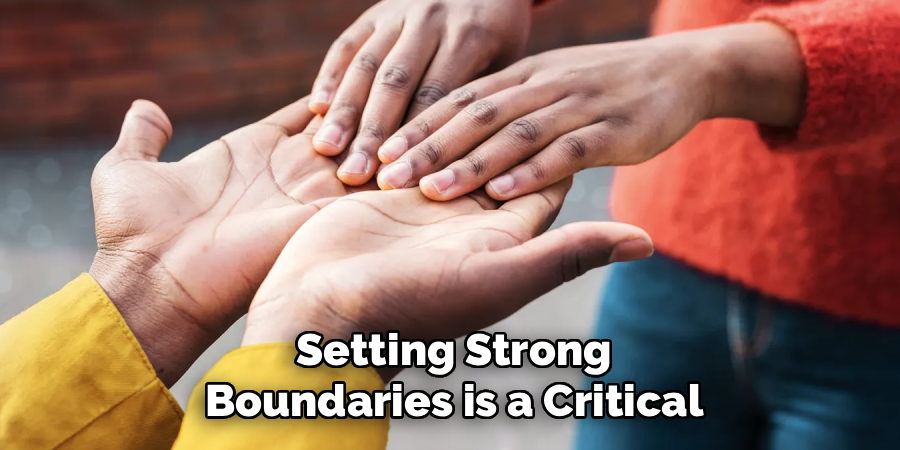
Setting strong boundaries is a critical tool for maintaining your long-term emotional health. Decide exactly how much time and energy you are truly willing to give to this specific relationship. If your phone calls consistently turn into hour-long monologues about their problems, start limiting those conversations immediately. You can politely end the call by stating you have a busy schedule or an upcoming appointment. Boundaries teach people how they are allowed to treat you and signal that your time is incredibly valuable. Enforcing these limits might feel uncomfortable at first, but it is necessary for preventing deep-seated resentment. Stay entirely consistent with your rules, as people who lack self-awareness will frequently test boundaries to see if you will cave.
Step 3: Communicate Your Feelings Directly
You cannot reasonably expect someone to change their behavior if they do not know they are causing you harm. Choose a calm, neutral environment to share your distinct perspective with your friend. Use “I” statements to express exactly how their actions impact you, rather than throwing harsh accusations at them. For example, you might explain that you feel unsupported when your problems are glossed over during conversations. Keep your vocal tone steady and avoid attacking their overarching character. Focus strictly on the specific behaviors you want to see change, and avoid using extreme words like “always” or “never.” A direct conversation removes any ambiguity and forces the other person to confront their actions directly.
Step 4: Master the Art of Redirecting Conversations
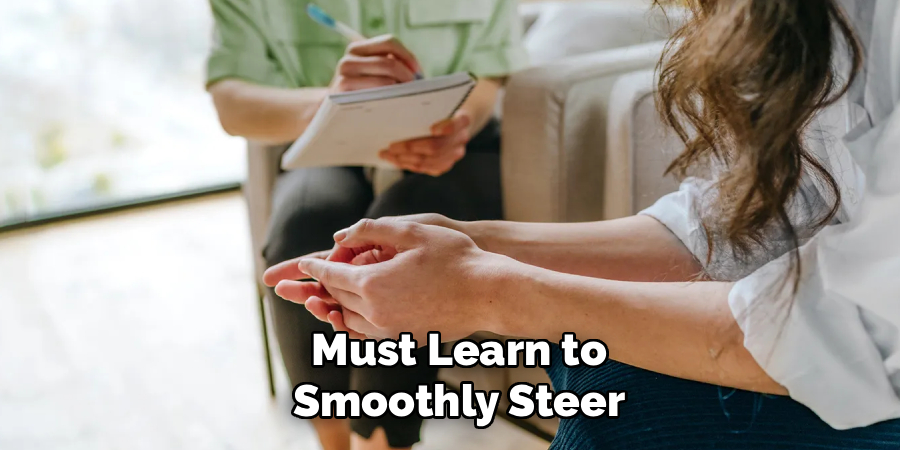
When your friend inevitably tries to hijack a discussion, you must learn to smoothly steer the focus back to the original topic. If you are sharing a personal story and they interrupt to talk about themselves, acknowledge their comment briefly before returning to your main point. You can say something along the lines of, “That sounds difficult for you, but going back to what I was just saying…” This subtle but highly firm redirection prevents them from totally monopolizing the interaction. Figuring out how to deal with self centered friends often involves executing this real-time course correction. Practicing this verbal technique helps you seamlessly reclaim your space in the conversation without starting a frustrating argument.
Step 5: Stop Feeding Their Need for Attention
Self-absorbed individuals often thrive on constant validation and continuous emotional reactions from the people around them. If you constantly reward their self-centered stories with highly enthusiastic responses, they will keep repeating the exact same behavior. Start offering neutral, non-committal replies when they brag or complain excessively. Simple, flat responses like “That is interesting” or “I see” provide very little fuel for their ego. By minimizing your overall emotional investment, you make the interaction significantly less rewarding for their attention-seeking habits. This subtle withdrawal of validation often prompts them to seek attention elsewhere or shift their behavior, naturally reducing the emotional toll the friendship takes on your daily life.
Step 6: Broaden Your Social Circle
Relying too heavily on a one-sided friendship will eventually leave you feeling incredibly lonely and emotionally drained. Invest your free time and energy into cultivating relationships with people who actively value reciprocity and mutual support. Look for individuals who ask genuine questions and show active interest in your overall well-being. Expanding your social network immediately dilutes the negative impact of the difficult friend. When you have a solid support system of deeply empathetic people, the self-centered friend’s behavior becomes much less bothersome. Building new connections constantly reminds you of what a healthy, balanced dynamic looks like, which reinforces your ongoing commitment to maintaining strong personal boundaries.

Step 7: Manage Your Expectations Realistically
Accept the harsh reality that you might never change this person completely. Some people simply lack the emotional intelligence or basic empathy required to be deeply supportive friends. Once you intentionally lower your expectations, you protect yourself from experiencing constant disappointment. View the relationship exactly for what it actually is, rather than what you desperately hope it could be. Perhaps this person is great for casual outings or large group events, but absolutely terrible for deep emotional support. By compartmentalizing the friendship and adjusting your mental expectations, you can still enjoy their positive qualities without relying on them for things they are fundamentally incapable of providing.
Step 8: Decide If You Should Walk Away
Sometimes, despite your absolute best efforts, a friendship becomes entirely toxic and detrimental to your own mental health. If you have clearly communicated your needs, established strict boundaries, and practiced conversational redirection without seeing any positive change, you may need to reconsider the relationship entirely. Pay close attention to how you actually feel before and after spending time with them. If dread and exhaustion completely replace joy and connection, it might be time to distance yourself permanently. Letting go of a friendship is painful, but prioritizing your own emotional well-being is always paramount. Stepping away creates necessary room for healthier, much more fulfilling relationships to enter your life.

Frequently Asked Questions
How Can I Tell If My Friend Is Truly Self-Centered Or Just Going Through A Hard Time?
Everyone experiences moments of self-absorption during personal crises. To tell the difference, look closely at the timeline and their general behavioral patterns.
- Temporary stress usually has a clear trigger, like a job loss or a difficult breakup.
- A truly self-centered person displays this behavior consistently, even when their life is going perfectly well.
If they were highly supportive in the past but recently became distant, they are likely just struggling.
What Are The Common Signs Of A Self-Centered Friend?
Identifying a one-sided dynamic early is crucial for protecting your emotional health. Look out for these common warning signs in your friendships:
- They constantly interrupt you to share their own personal stories.
- They show absolutely no genuine interest in your life or struggles.
- They turn every situation, including your major successes, into a competition.
- They demand immediate help but remain unavailable when you need support.
Is It Possible For A Self-Centered Person To Change Their Behavior?
Yes, change is entirely possible, but it requires deep self-awareness and a genuine desire to improve. If your friend acknowledges their behavior and actively seeks therapy or personal growth, they can certainly become more empathetic. However, you cannot force them to change against their will. Your primary role is to communicate your needs clearly and set firm boundaries for yourself.
How Do I End A Friendship With A Self-Centered Person Peacefully?
Ending a friendship does not always require a massive, dramatic confrontation. You can choose a highly gradual approach depending on the exact situation.
- The slow fade: Gradually reduce contact, take much longer to reply to texts, and decline their invitations politely.
- The direct approach: If they demand an explanation, remain calm and use “I” statements. Say something like, “I feel we are heading in completely different directions.”
Why Do I Keep Attracting Self-Centered Friends?
If you constantly find yourself stuck in one-sided relationships, you might have strong caretaking tendencies or struggle with people-pleasing. Highly empathetic individuals often attract those who demand constant attention.
- You may struggle to set firm boundaries early on in relationships.
- You might subconsciously believe you have to “earn” friendships through constant giving.
Recognizing this internal pattern is the critical first step toward building balanced connections.
Conclusion
Navigating a one-sided relationship can easily leave you feeling exhausted, completely unheard, and deeply frustrated. However, applying these communication strategies helps you reclaim your personal space and conserve your valuable emotional energy. Remember that you absolutely deserve connections that offer mutual support, active listening, and genuine empathy.
Figuring out how to deal with self centered friends ultimately comes down to communicating your needs clearly, setting rigid boundaries, and knowing exactly when to distance yourself. Do not be afraid to critically evaluate your relationships and prioritize your own mental well-being above all else. Start implementing these practical steps today to foster a social circle that truly uplifts and respects you.

About
Joe Herman is a distinguished figure in the world of personal development, with a decade of expertise creating innovative and sustainable self-improvement frameworks. His professional focus lies in merging cognitive behavioral strategies with modern productivity techniques, fostering habits that are both practical and mentally sustainable. As the lead author of selfvity, Joe Herman delves into the art and science of human potential, inspiring individuals and industry professionals alike to optimize their daily lives.
Education
Stanford University
(Stanford, California) Associate Degree in Behavioral Psychology — Focus on habit formation, cognitive restructuring, and peak performance. Gained hands-on experience with psychological assessment tools and data-driven behavioral modification.
University of Pennsylvania
(Philadelphia, Pennsylvania) Bachelor’s in Positive Psychology and Human Potential (Honors) — Specialized in the science of well-being with a focus on blending psychological theory with actionable growth techniques. Participated in extensive research projects, working with leading wellness consultants to gain real-world insights into human motivation.
Publications and Impact
In selfvity, Joe Herman shares his insights on internal growth processes, mental material, and strategies for efficient lifestyle design. His writing bridges the gap between scientific research and everyday application, making it a must-read for both individuals seeking personal clarity and seasoned professionals looking to refine their mental edge.