

Physical discomfort in the extremities often dictates the limits of our daily activities. You might notice a sharp, sudden ache while holding a heavy pan or attempting a standard push-up. This subtle physical barrier frequently suggests an underlying mechanical weakness.
Addressing this localized fragility requires a methodical approach rather than random exertion. Learning exactly how to build wrist strength appears essential for improving athletic performance and mitigating chronic pain. We will examine the specific anatomical mechanisms that govern this complex joint.
Understanding these biological structures allows us to target them effectively. We will explore the hidden lifestyle habits that slowly erode joint stability over time. Furthermore, this guide provides a highly actionable workout routine to help reconstruct your foundational grip.
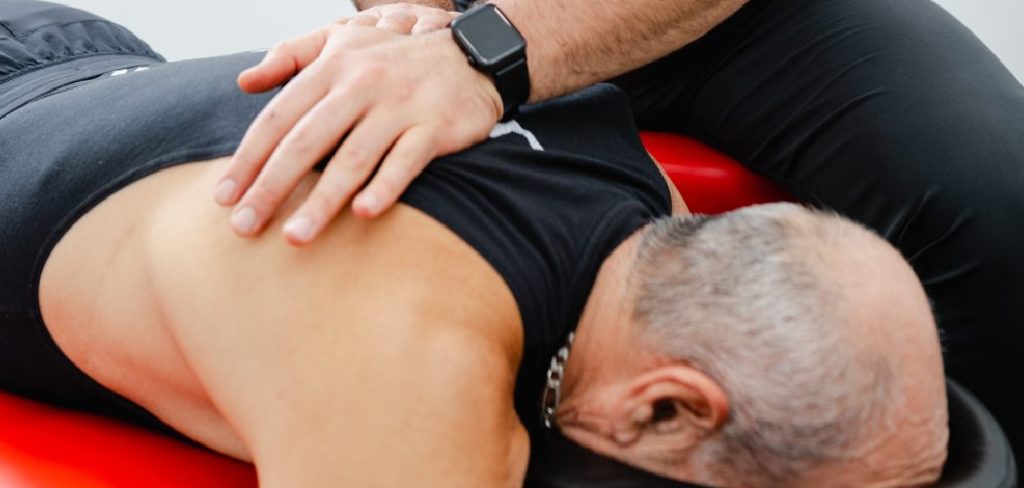
Understanding Wrist Anatomy and Mechanics
The human hand functions as an incredibly sophisticated mechanical instrument. It relies on a dense network of tissues to perform both delicate and heavy tasks. Grasping the basic biology of this area helps clarify why isolation exercises prove so necessary.
The Bones and Ligaments
Your wrist joint does not actually contain large, powerful muscles of its own. It consists primarily of eight small carpal bones tightly bound by a complex web of ligaments. These connective tissues provide the structural scaffolding required for basic mobility.
Because the joint itself is mostly bone and ligament, “wrist strength” is somewhat of a biological misnomer. The actual power generation happens higher up the arm. We must look to the surrounding musculature to understand how force is applied.
The Forearm Muscle Connection
The true engine driving your grip resides within the forearm. Thick clusters of flexor and extensor muscles attach near the elbow and travel downward. Long, fibrous tendons extend from these muscles, crossing directly over the carpal bones.
These tendons eventually anchor themselves to the fingers and thumbs. When you clench your fist, the forearm muscles contract and pull on these biological cables. Strengthening the wrist essentially means forcing the forearm to carry a heavier load.
Common Causes of Weak Wrists in Modern Life
Human biology adapts to the specific physical demands placed upon it. Unfortunately, contemporary living rarely requires the intense manual labor our bodies evolved to perform. This lack of physical stress frequently leads to a slow, unnoticed deterioration of structural integrity.
The Impact of Desk Work and Typing
Typing on a keyboard for eight hours heavily dictates your baseline posture. It locks the hands into a static, slightly extended position for massive portions of the day. This repetitive, immobile stance appears to shorten certain flexor muscles while aggressively overstretching others.
Over time, this imbalance creates a highly fragile, localized environment. The tissues become stiff and lose their natural elasticity. This rigidity might explain why office workers frequently experience sudden strains when lifting surprisingly light objects.
A Lack of Grip-Heavy Activities
Modern conveniences have largely removed the necessity for carrying heavy, awkward loads. We rarely carry water, chop wood, or drag heavy materials across long distances. The biological consequence of this convenience is a natural atrophy of the forearm muscles.
Without regular exposure to heavy tension, the connective tissues simply weaken. The body refuses to maintain dense muscle mass if it receives no signal that such mass is required. We must artificially reintroduce this missing physical stress to trigger adaptation.
The Tangible Benefits of Knowing How to Build Wrist Strength
Dedicating training time to such a small muscle group might initially feel tedious. However, the physical dividends paid by this specific effort are often profound. Actively exploring how to build wrist strength translates directly to improved mechanical output.
Better Gym Performance
A weak grip frequently acts as the primary limiting factor in compound exercises. You might possess the back strength to deadlift a heavy barbell, but your hands simply cannot hold the weight. Fortifying these lower arm muscles instantly raises the ceiling on your overall athletic potential.
This localized power also transfers beautifully to pulling movements like rows and pull-ups. When the nervous system senses stability in the extremities, it allows the larger muscles to fire with maximum intensity. A secure grip essentially signals the brain that lifting a heavy load is physically safe.
Injury Prevention and Longevity
Building dense forearm muscle creates a biological shock absorber for the delicate carpal bones. This muscular support system dramatically reduces the immediate risk of sprains and tendonitis. It acts as an active brace against sudden, unexpected forces.
Maintaining this structural resilience becomes increasingly vital as we age. A strong grip is heavily correlated with overall longevity and functional independence in older adults. It prevents the slow loss of manual dexterity that often complicates basic daily living.
Step-by-Step Guide: How To Build Wrist Strength
Rebuilding lost structural integrity requires a targeted, progressive approach. You cannot simply squeeze a stress ball occasionally and expect massive anatomical changes. This sequential routine provides a safe framework to challenge all angles of the lower arm.
Step 1: Warm Up Your Joints
Never subject cold tendons to heavy, isolated resistance. You should always begin with a dynamic movement phase to increase local blood flow. Simple rotations offer an excellent starting point for this preparation.
Rotate your hands clockwise in slow, deliberate circles for sixty seconds. Reverse the direction and repeat the motion to ensure complete synovial fluid distribution. Follow this with gentle, unweighted fist squeezes to activate the dormant flexor tendons.
Step 2: Perform Wrist Flexion (Wrist Curls)
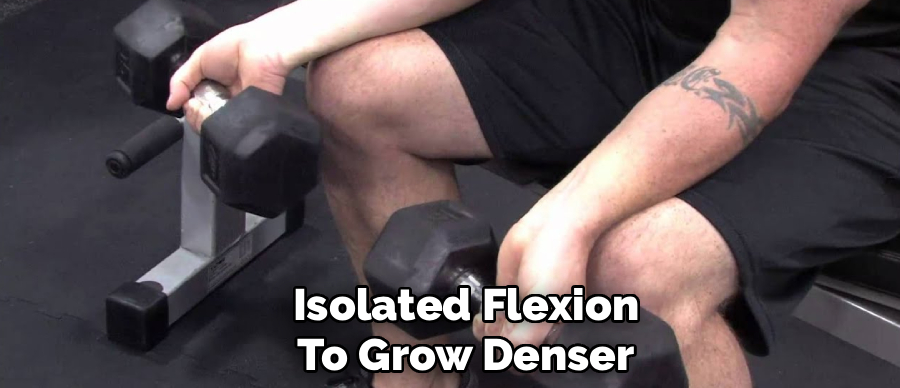
The inner forearm requires direct, isolated flexion to grow denser. Sit comfortably on a bench and rest your forearms entirely on your thighs. Your palms should be facing upward, hanging just slightly over the edge of your knees.
Hold a very light dumbbell in each hand. Slowly curl the weights upward toward your biceps, isolating the contraction entirely in the forearm. Pause briefly at the top of the movement before controlling the weight back down to a stretched position.
Step 3: Execute Wrist Extensions
The muscles on the top of your arm are frequently ignored during traditional strength training. You must address them to prevent severe muscular imbalances. Flip your arms over so your palms now face the floor.
Perform a reverse curl by lifting the back of your hand directly toward the ceiling. This specific movement targets the extensor muscles, which are notoriously weak in most individuals. Control the descent meticulously to maximize the mechanical tension on the tissue.
Step 4: Add Grip Training Exercises
Isolated curling movements alone cannot replicate real-world physical demands. You must introduce dynamic stability training to fully reconstruct your capabilities. The “farmer’s carry” represents perhaps the most effective method for achieving this.
Grab a pair of heavy dumbbells and stand perfectly upright with your shoulders pulled back. Walk forward slowly for a predetermined distance or time. Holding a heavy object while moving forces the entire forearm complex to stabilize simultaneously.
Step 5: Cool Down and Stretch
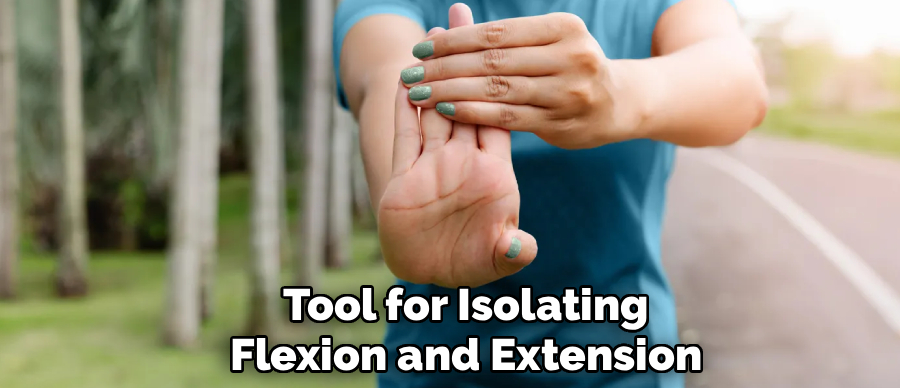
Ending your session abruptly leaves the muscles in a highly contracted, shortened state. You must elongate the tissues to promote optimal recovery and maintain joint mobility. Extend one arm straight out in front of your chest with the palm facing the ceiling.
Use your opposite hand to gently pull your fingers downward toward the floor. This provides a deep, soothing stretch to the fatigued flexor muscles. Hold this position for roughly thirty seconds before switching to the other arm.
Essential Equipment for Wrist and Grip Training
Specialized tools can accelerate your progress, though they are not strictly mandatory. The fitness market offers several implements designed specifically to torture the lower arms. Selecting the right equipment depends largely on your current baseline capability.
Dumbbells and Resistance Bands
Traditional dumbbells remain the most accessible tool for isolating flexion and extension. They allow you to track your progress mathematically over time. Resistance bands offer a slightly different stimulus that some practitioners prefer.
Bands provide constant, ascending tension throughout the entire range of motion. This continuous pull appears highly beneficial for joint rehabilitation. It forces the stabilizing muscles to work equally hard during the lifting and lowering phases.
Grip Strengtheners and Fat Grips
Hand grippers specifically target the crushing strength of your fingers. They are highly portable and excellent for accumulating extra volume while sitting at a desk. “Fat grips” present a much more aggressive intervention for gym-goers.
These thick rubber sleeves slide directly over standard barbells. Doubling the diameter of a bar forces your hands to work twice as hard to maintain a secure hold. It turns every standard exercise into a brutal forearm challenge.
Safety Tips: Avoiding Injury and Strain
Aggressively pushing this delicate joint complex frequently results in severe setbacks. Tendons possess less blood flow than muscle tissue, meaning they recover much more slowly. Caution must remain your primary guiding principle.
Start Light and Progress Slowly
Ego lifting has absolutely no place in localized joint training. Attempting to curl a massive dumbbell will immediately shift the stress away from the muscle and directly into the carpal ligaments. This often leads to microscopic tears and chronic inflammation.
You should always start with a weight that feels embarrassingly light. Aim for high repetitions, usually in the fifteen to twenty range, to safely condition the connective tissues. Volume builds resilience far better than maximal intensity in this specific context.
Distinguishing Between Muscle Soreness and Joint Pain
Learning to listen to your biological feedback prevents minor issues from becoming clinical injuries. A dull, burning sensation in the fleshy part of the forearm is a healthy indicator of muscular fatigue. It suggests that the workout effectively stimulated the target tissue.
Conversely, a sharp, shooting pain directly inside the joint capsule signals immediate danger. If you feel grinding or sudden stinging in the wrist itself, you must terminate the exercise immediately. Pushing through joint pain only guarantees a visit to an orthopedic specialist.
Integrating Wrist Exercises into Your Weekly Routine
Finding the correct placement for these specific movements ensures they do not interfere with your broader fitness goals. Programming isolation work requires a bit of logistical foresight. The timing of your application dictates its overall effectiveness.
Frequency and Volume
Forearms generally respond beautifully to high-frequency training. These tissues consist largely of dense, slow-twitch muscle fibers designed for endurance. They recover surprisingly fast compared to massive muscle groups like the hamstrings.
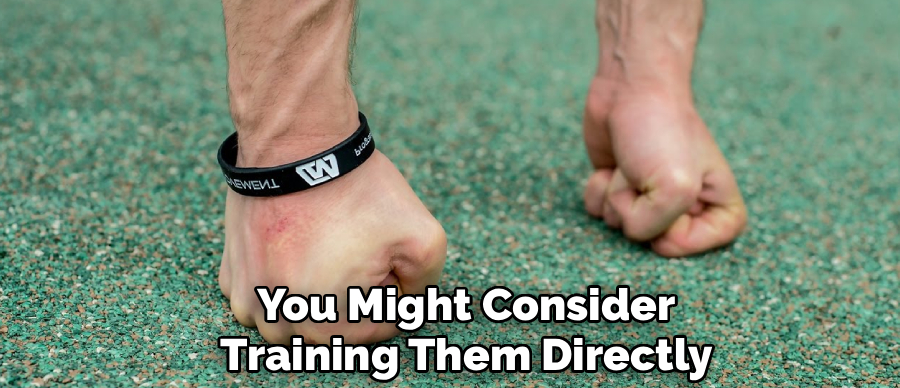
You might consider training them directly two to three times per week. Brief, highly focused sessions usually yield better results than a single marathon forearm workout. Consistency remains the primary driver of physiological adaptation.
Placement in Your Workout
Never train your grip heavily at the absolute beginning of a gym session. Pre-exhausting the lower arms will completely ruin your ability to perform compound lifts later. You will likely drop a deadlift long before your back actually fatigues.
Always save your specific flexion and extension work for the final fifteen minutes of your routine. This placement ensures your primary training remains unaffected. It allows you to safely drain whatever energy remains in the gripping muscles.
Recognizing When to See a Physical Therapist
Home interventions possess strict clinical limitations. You must recognize when your physical discomfort transcends basic muscular weakness. Medical professionals offer diagnostic tools that a gym routine simply cannot replace.
Chronic Pain and Numbness
Lingering numbness or a persistent tingling sensation in the fingers warrants immediate medical investigation. These symptoms frequently point toward nerve compression, such as carpal tunnel syndrome. Chronic pain that refuses to subside with rest also suggests structural damage.
Ignoring these neurological warning signs may lead to permanent loss of motor function. A physician can accurately evaluate the integrity of your median nerve. They can determine if surgical intervention or specialized bracing is required.
The Role of Professional Rehabilitation
If severe tissue damage is present, a physical therapist provides specialized, highly targeted care. They frequently utilize ultrasound therapy and guided manipulation to break down internal scar tissue. This professional environment ensures your recovery is both safe and mathematically measurable.
Conclusion
Building a resilient, capable body requires attention to the smallest mechanical details. We frequently obsess over large muscle groups while entirely ignoring the biological tethers that connect us to the physical world. Ignoring the lower arms ultimately limits your total athletic capacity.
Learning how to build wrist strength provides a sustainable pathway toward injury prevention and greater functional output. Patience, flawless execution, and a very slow progression of weight will eventually yield incredibly dense, capable forearms. Grab a light pair of dumbbells this week, respect your anatomical limits, and begin constructing a grip that will serve you for decades.

About
Joe Herman is a distinguished figure in the world of personal development, with a decade of expertise creating innovative and sustainable self-improvement frameworks. His professional focus lies in merging cognitive behavioral strategies with modern productivity techniques, fostering habits that are both practical and mentally sustainable. As the lead author of selfvity, Joe Herman delves into the art and science of human potential, inspiring individuals and industry professionals alike to optimize their daily lives.
Education
Stanford University
(Stanford, California) Associate Degree in Behavioral Psychology — Focus on habit formation, cognitive restructuring, and peak performance. Gained hands-on experience with psychological assessment tools and data-driven behavioral modification.
University of Pennsylvania
(Philadelphia, Pennsylvania) Bachelor’s in Positive Psychology and Human Potential (Honors) — Specialized in the science of well-being with a focus on blending psychological theory with actionable growth techniques. Participated in extensive research projects, working with leading wellness consultants to gain real-world insights into human motivation.
Publications and Impact
In selfvity, Joe Herman shares his insights on internal growth processes, mental material, and strategies for efficient lifestyle design. His writing bridges the gap between scientific research and everyday application, making it a must-read for both individuals seeking personal clarity and seasoned professionals looking to refine their mental edge.




