

Leg strength matters more than many people realize. It does not just help in the gym. It shows up in ordinary life—in climbing stairs without feeling winded, getting up from a low chair, carrying groceries, or staying steady when you move quickly and need to catch yourself. Your lower body quite literally supports you, so putting time into it tends to pay off well.
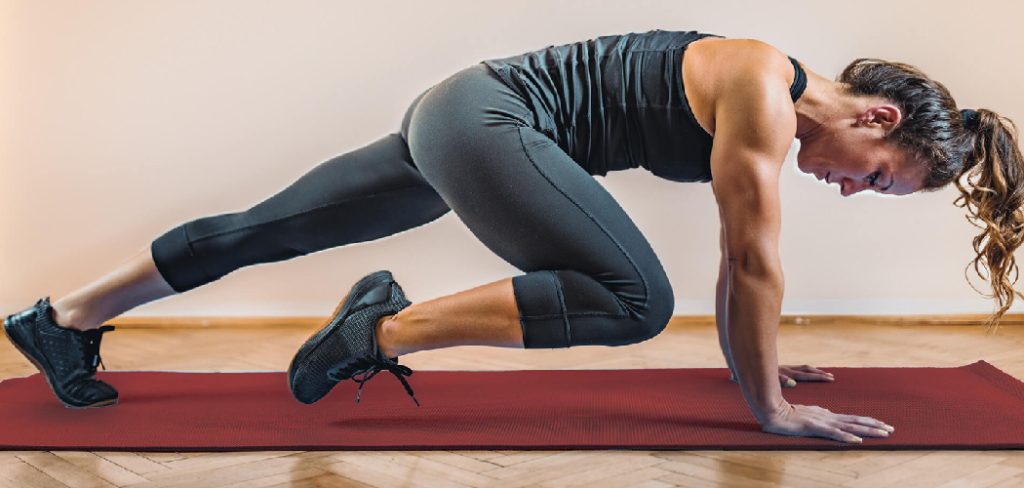
A consistent lower-body routine may improve both strength and endurance, and in some cases, it can make movement feel smoother and more controlled. There is also a protective side to it. Well-trained leg muscles often help absorb force that might otherwise stress the knees, hips, or lower back. That said, the word “well-trained” matters here. More effort is not always better; good mechanics usually matter just as much as hard work. In this guide on how to build strength in your legs, we’ll take a closer look at the various ways you can improve your lower-body strength and endurance.
Understand the Major Leg Muscles
Before jumping into squats, lunges, or loaded movements, it helps to know what you are actually training. The leg is not one single unit. It is a coordinated system, and each part contributes something slightly different.
The quadriceps, on the front of the thigh, are heavily involved in straightening the knee. The hamstrings, on the back of the thigh, help bend the knee and extend the hip. Then there are the glutes, which do a great deal of work in standing up, sprinting, jumping, and stabilizing the pelvis. People often think of them only in aesthetic terms, which is a mistake. Functionally, they matter a lot. Lower down, the calves help control the ankle and foot, especially during walking, running, and pushing off the ground.
Once you understand these muscle groups, exercise selection starts to make more sense. You are no longer just “doing leg day.” You are training movement patterns and tissue that support them.
Benefits of Strong Leg Muscles
Strong legs are not only about appearance, and frankly, reducing them to that misses the point. A capable lower body may improve balance, make everyday tasks easier, and help you move with more confidence. This becomes especially noticeable over time, not always in dramatic ways, but in small, practical ones.
There is also a joint-health argument to consider. When the glutes, quads, and hamstrings are doing their share of the work, impact may be distributed more effectively during walking, lifting, or sports. That could reduce some unnecessary stress on the knees and hips. Nothing guarantees injury prevention, of course, but stronger muscles often give the body more options.
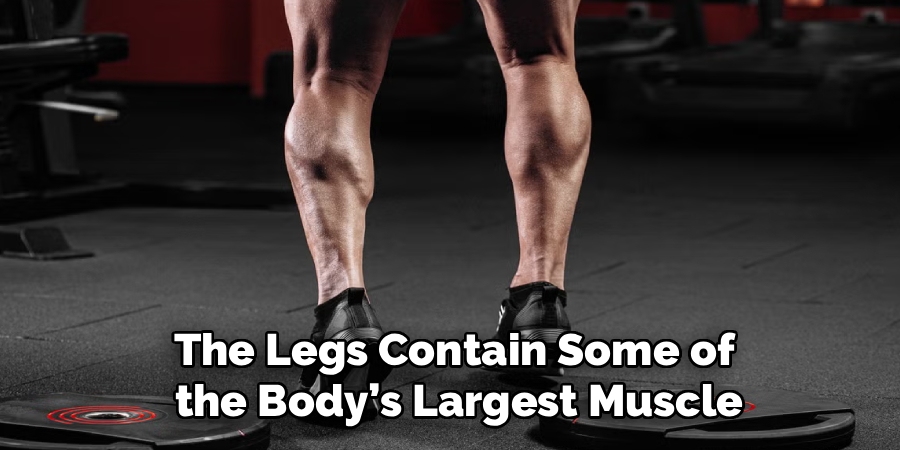
Another piece is metabolic demand. The legs contain some of the body’s largest muscle groups, so training them usually requires substantial effort. For many people, that means a challenging session, a higher calorie cost, and over time, perhaps some support for broader fitness goals.
7 Simple Step-by-step Guidelines on How to Build Strength in Your Legs
Step 1: Master the Basic Squat
If there is one movement that earns its reputation, it is probably the squat. Not because it is magical. It is not. But it trains several major muscles at once and teaches you how to control your body through a basic sit-and-stand pattern.
Start with your feet about shoulder-width apart. Keep your chest lifted, your trunk braced, and begin by sending your hips back as your knees bend. The cue about sitting into an invisible chair is common, and while it sounds a little overused, it does help some people understand the motion.
Lower as far as you can with control. For many, that may be around thigh-parallel at first, though mobility differs from person to person. What matters most is that your knees track in a stable way and do not cave inward. Pause briefly, then press through your feet to stand back up. Before adding load, it is worth getting comfortable with the bodyweight version. That stage is often rushed, and it probably should not be.
Step 2: Incorporate Lunges for Balance
Lunges introduce a different challenge. Unlike squats, they ask each leg to do more of its own work, which may expose side-to-side weaknesses you would otherwise miss. That can be humbling. It is also useful.
Begin standing tall with your feet together. Step forward with one foot and lower your body until both knees are bent, aiming for a controlled position where the front knee stays roughly stacked over the ankle. Precision matters more than depth here. If you are wobbling all over the place, shorten the range and regain control.
Push through the front foot to return to standing, then switch sides. Beyond building strength, lunges tend to demand balance, coordination, and hip stability. Those smaller stabilizing demands are part of what makes them effective. Once the basic pattern feels steady, reverse lunges or walking lunges can add variety without changing the movement too drastically.
Step 3: Add Deadlifts for Posterior Chain
If squats emphasize one side of leg training, deadlifts bring attention to the other. The so-called posterior chain—the hamstrings, glutes, and supporting muscles along the backside of the body—plays a central role in lifting, standing, and generating force.
Set the weight in front of you, whether that is a barbell, dumbbells, or kettlebells. From there, hinge at the hips rather than simply bending forward. Your back should stay neutral, your knees slightly bent, and the load close to your body. That last point is not minor. When the weight drifts away from you, the movement usually gets less efficient and the lower back may take on more stress than necessary.

Drive through the floor, stand tall, and bring the hips through at the top without leaning backward. Done consistently and with control, deadlifts can be very effective for building strength in the hamstrings and glutes. They also teach a movement pattern that many people need outside the gym, especially if they want to lift objects from the ground safely.
Step 4: Perform Calf Raises for Lower Legs
Calves are easy to ignore until they become a weak link. Then people notice them quickly—during running, jumping, hiking, or even long walks. They contribute more to movement and ankle control than they are often given credit for.
A simple calf raise is enough to start. Stand on a flat surface or on the edge of a stable step if you want a larger range of motion. Rise onto the balls of your feet, pause at the top, and lower slowly. The slow descent matters. Many people bounce through this exercise and end up turning it into momentum practice rather than muscle work.
Higher repetitions often make sense here because the calves are used to frequent daily activity. Even so, quality still beats speed. A controlled set of calf raises may feel surprisingly demanding when done properly.
Step 5: Utilize Resistance Bands and Weights
At some point, bodyweight alone may stop being enough. That is where progressive overload comes in—a simple idea, even if the term sounds more technical than it needs to. To keep getting stronger, your muscles generally need a gradually increasing challenge.
That could mean holding dumbbells during squats and lunges, using kettlebells, or increasing repetitions before increasing load. Home training can work too. Resistance bands are not identical to free weights, but they can still create useful tension, especially in movements like squats, glute bridges, or lateral leg work.
The main goal is not to make every workout dramatically harder. It is to give the body a reason to adapt. Small increases, repeated over time, usually matter more than one heroic session that leaves you too sore to train again for a week.
Step 6: Prioritize Proper Rest and Recovery
This part is less glamorous, which is probably why it gets neglected. Muscles do not get stronger during the workout itself. The training session creates the stimulus; adaptation happens afterward, during recovery.
Resistance work produces small amounts of muscle damage, and the body needs time to respond to that stress. In many cases, at least 48 hours between hard leg sessions is a sensible starting point, though recovery time varies depending on training age, sleep, nutrition, and overall workload.
Rest days do not have to mean doing nothing. Light walking, mobility work, or gentle stretching may help you stay moving without adding much fatigue. Ignore recovery for too long, though, and progress often stalls. Sometimes worse than stalls. Nagging aches start to show up, form gets sloppy, and training becomes a grind instead of something productive.
Step 7: Fuel Your Body with Proper Nutrition
Training is only one part of the equation. If you want stronger legs, your body needs enough energy and enough protein to repair the tissue you are asking it to build.
Protein supports muscle repair, so regular intake from foods such as chicken, fish, beans, tofu, dairy, or similar sources can help. Carbohydrates matter too. They are often dismissed in casual fitness advice, but they provide much of the energy needed for demanding lower-body sessions. Heavy leg work without enough fuel tends to feel miserable, and performance usually reflects that.
Hydration is easy to overlook until it becomes a problem. Water helps with circulation, temperature regulation, and overall exercise tolerance, among other things. A balanced pre-workout meal—something with carbohydrate and protein a couple of hours before training—may help many people feel more stable and prepared.
Following these steps on how to build strength in your legs can lead to better overall performance and fitness.
Common Mistakes to Avoid
A lot of stalled progress comes down to fairly ordinary mistakes. The most common is using more weight than you can control. It is understandable. People want to feel like they are advancing. Still, once form breaks down, the target muscles often do less of the work and the joints do more.
Skipping a warm-up is another issue. It saves five minutes and may cost you far more than that if you strain something. You do not need an elaborate routine, but some movement preparation before a hard session is usually worthwhile.
There is also the tendency to overemphasize the front of the legs while neglecting the back. Quads tend to get plenty of attention. Hamstrings, less so. Over time, that imbalance may contribute to discomfort around the knees or simply leave you with a lower body that is not as strong as it could be.
How to Track Progress
Progress is easier to feel when you track it. Otherwise, improvement can be slow enough that you miss it. A workout log helps. It does not need to be fancy. A notebook works. So does a notes app.
Record the exercises, the weight used, the sets, and the repetitions. Then look for small upward trends over time. Maybe you lift more weight. Maybe you use the same weight for more reps. Maybe your squat depth improves while staying controlled. These are all forms of progress.
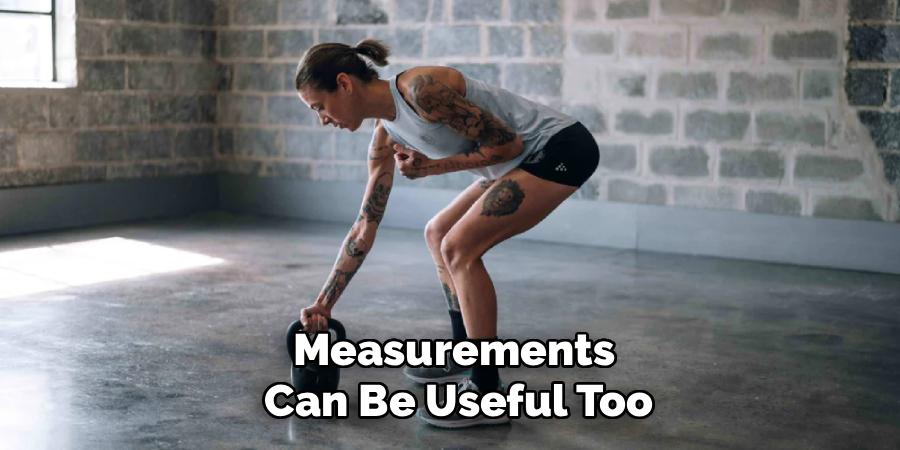
Measurements can be useful too, though they are not the whole story. You might track thigh or calf size periodically, but practical markers matter just as much. Are stairs easier? Do loaded carries feel less awkward? Can you lunge without losing balance? Those changes count.
Tips for Beginners
If you are new to strength training, start simpler than you think you need to. Bodyweight movements are often enough to learn position, balance, and control. That foundation makes later progress easier and, in many cases, safer.
Try to feel the movement rather than rush through it. There is no prize for grabbing dumbbells too early and performing half-reps with questionable form. Early on, consistency usually beats intensity. Two manageable leg sessions each week will often do more for you than one punishing workout that leaves you dreading the next one.
Breathing matters as well. People forget that. In general, keep breathing throughout the set and exhale during the hardest part of the movement. It sounds basic, but beginners commonly hold their breath without realizing it.
When to Seek Professional Guidance?
Sometimes, general advice is enough. Sometimes it is not. If you feel sharp or persistent pain in the knees, hips, or lower back during leg training, it is wise to stop and get professional input. A physical therapist or sports medicine physician may be able to identify whether the issue is technique-related, load-related, or something else entirely.
The same applies if you have been training steadily for months and nothing is moving. Plateaus happen, yes, but a trained eye can be helpful. A certified personal trainer may spot form issues or programming problems that are hard to catch on your own. A few well-chosen adjustments can make a surprising difference.
Frequently Asked Questions
Q1: How Often Should I Train My Legs?
For many people, two to three leg sessions per week work well for building strength. That usually provides enough training stimulus while still leaving room for recovery. Spacing the sessions across the week—say Monday and Thursday—often makes the workload easier to manage.
Q2: Do I Need Gym Equipment to Build Leg Muscle?
Not at the beginning. Bodyweight squats, lunges, step-ups, and similar movements can build a useful base. Still, there is a limit to how far bodyweight alone will take most people. As strength improves, adding resistance through dumbbells, kettlebells, or bands will likely become necessary if continued progress is the goal.
Q3: Why Are My Legs So Sore After Working Out?
Soreness often peaks around 24 to 48 hours after a workout, especially if the session was new or unusually demanding. This is commonly called delayed onset muscle soreness, or DOMS. It is generally linked to the stress training places on muscle tissue. Mild movement, hydration, and time tend to help, though very severe soreness may be a sign that the session was more than your body was ready for.
Take the Next Step Toward Stronger Legs
Building leg strength is rarely dramatic in the beginning. It tends to happen gradually, then suddenly feels obvious. You move better. Daily tasks feel less taxing. Training becomes more satisfying because your body is actually responding.
If you focus on the basics—squats, lunges, deadlifts, calf work, steady progression, enough recovery, and sensible nutrition—you are likely to see meaningful improvement over time. Not overnight. Probably not in a perfectly linear way either. But with patience and consistent effort, a stronger, steadier lower body is a realistic goal for most people. Thanks for reading this guide on how to build strength in your legs.

About
Joe Herman is a distinguished figure in the world of personal development, with a decade of expertise creating innovative and sustainable self-improvement frameworks. His professional focus lies in merging cognitive behavioral strategies with modern productivity techniques, fostering habits that are both practical and mentally sustainable. As the lead author of selfvity, Joe Herman delves into the art and science of human potential, inspiring individuals and industry professionals alike to optimize their daily lives.
Education
Stanford University
(Stanford, California) Associate Degree in Behavioral Psychology — Focus on habit formation, cognitive restructuring, and peak performance. Gained hands-on experience with psychological assessment tools and data-driven behavioral modification.
University of Pennsylvania
(Philadelphia, Pennsylvania) Bachelor’s in Positive Psychology and Human Potential (Honors) — Specialized in the science of well-being with a focus on blending psychological theory with actionable growth techniques. Participated in extensive research projects, working with leading wellness consultants to gain real-world insights into human motivation.
Publications and Impact
In selfvity, Joe Herman shares his insights on internal growth processes, mental material, and strategies for efficient lifestyle design. His writing bridges the gap between scientific research and everyday application, making it a must-read for both individuals seeking personal clarity and seasoned professionals looking to refine their mental edge.




