

Making a mistake is a universal human experience, but owning up to that mistake requires courage and vulnerability.
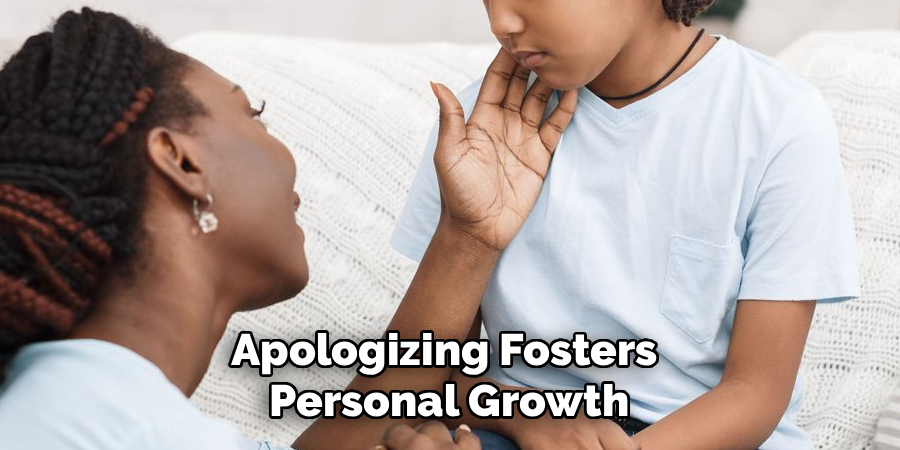
Apologizing is rarely easy. It requires us to set aside our pride, look at our actions objectively, and acknowledge the pain we caused someone else. A genuine apology holds incredible power. It can mend fractured relationships, heal deep emotional wounds, and foster profound personal growth.
This guide on how to apologize sincerely will walk you through the psychological and practical steps of delivering an apology that truly matters.

Benefits of a Sincere Apology
Offering a heartfelt apology provides immense value to both the person receiving it and the person giving it. First, it rebuilds trust. When you take responsibility for your actions, you show the other person that you value their feelings and the relationship more than your ego. Second, it reduces stress and emotional burden. Carrying guilt takes a psychological toll, and a genuine apology helps clear the air. Finally, apologizing fosters personal growth. It forces you to examine your behavior, recognize your flaws, and actively work toward becoming a more mindful and empathetic individual.
What Will You Need?
Before you approach the other person, you need to prepare yourself emotionally. You cannot rush a sincere apology. Here is what you need to gather before you start:
- Self-Awareness: You must clearly understand exactly what you did wrong.
- Empathy: The ability to step out of your own perspective and feel the impact your actions had on the other person.
- Humility: A willingness to admit fault without defensiveness.
- Patience: The understanding that forgiveness is a process and the other person may need time to heal.
10 Easy Steps on How to Apologize Sincerely
Step 1: Acknowledge the Specific Harm Done
A vague apology leaves the injured party feeling unheard. You must name exactly what you did wrong. Instead of saying, “I am sorry for what happened,” state precisely what occurred. Saying, “I am sorry I missed our meeting,” shows that you understand the reality of the situation. Acknowledging the specific harm removes ambiguity and demonstrates that you are paying attention to the details of your mistake. This first step sets the foundation for a transparent conversation. It tells the other person that you are not trying to hide behind generalizations or minimize the event. Clarity is the bedrock of accountability.
Step 2: Accept Full Responsibility
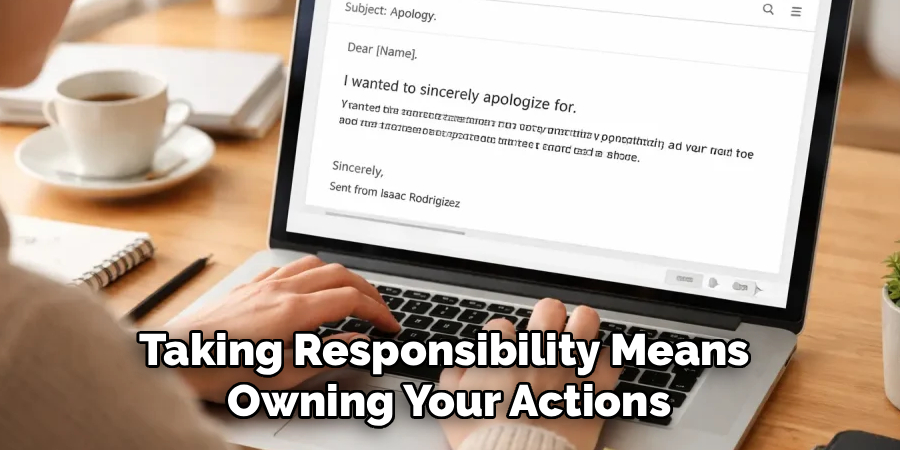
Taking responsibility means owning your actions without shifting the blame to external factors or the other person. You must eliminate the word “but” from your vocabulary during this phase. If you say, “I am sorry I yelled, but you made me angry,” you instantly invalidate the apology. Accept that your reaction or your mistake belongs entirely to you. Owning your behavior shows maturity. It communicates that you recognize you are in control of your own choices. When you shoulder the full weight of your actions, the injured party feels validated. They see that you are not trying to dodge the consequences of your behavior.
Step 3: Understand Their Perspective
To apologize effectively, you need to step into the other person’s shoes. Reflect on how your actions made them feel. Did your broken promise make them feel undervalued? Did your harsh words make them feel disrespected? Take the time to verbally validate their emotions. You might say, “I realize that my actions made you feel unsupported.” Validating their emotional experience bridges the gap between you. It proves that your apology is not just about clearing your own conscience, but about repairing the emotional damage they experienced. Empathy is the driving force behind a truly meaningful resolution.
Step 4: Express Genuine Remorse
Remorse is the emotional core of an apology. It is not enough to simply state the facts; you must show that you feel genuine regret for causing pain. Your tone of voice, your body language, and your choice of words must align to communicate sincere sorrow. Tell them directly that you deeply regret your actions. Phrases like, “It breaks my heart that I caused you pain,” or “I feel terrible for letting you down,” convey the emotional weight of your regret. When people see that you are genuinely hurting because you hurt them, it softens their defense mechanisms and paves the way for healing.
Step 5: Explain, but Do Not Make Excuses
There is a fine line between providing context and making excuses. Sometimes, explaining the circumstances surrounding a mistake can help the other person understand that your actions were not malicious. However, this must be handled with extreme care. Keep your explanation brief and always tie it back to your responsibility. For example, “I was overwhelmed with work, which led me to snap at you. However, that is no excuse, and I should have managed my stress better.” This shows that you understand why the mistake happened, which is crucial for preventing it in the future, while still holding yourself fully accountable.
Step 6: Ask How You Can Make Things Right
An apology is only words until it is backed by restorative action. You must offer to repair the damage. Sometimes the fix is obvious, like paying for something you broke or finishing a task you neglected. Other times, emotional damage requires a different approach. Ask the person directly, “What can I do to make this right?” or “How can I rebuild trust with you?” This question empowers the injured party. It gives them a voice in the healing process and shows that you are committed to doing the necessary work to restore the relationship, no matter what it takes.
Step 7: Commit to Changed Behavior
A sincere apology includes a clear plan to prevent the mistake from happening again. If you apologize but continue the same behavior, your words become meaningless. Detail the specific steps you will take to change. If you were consistently late, explain that you have set new alarms or adjusted your schedule. If you communicated poorly, express your intention to pause and think before speaking in the future. Committing to change proves that you have learned from the experience. It reassures the other person that they are safe to trust you again, knowing that you are actively working on improving yourself.
Step 8: Choose the Right Time and Place
The environment in which you deliver your apology significantly impacts how it is received. Ambushing someone when they are stressed, busy, or surrounded by other people will likely cause them to become defensive. Choose a private, quiet setting where you both can focus on the conversation. Ask for permission before you begin. You might say, “I would like to talk to you about what happened yesterday. Is now a good time?” Respecting their boundaries and their schedule shows that you prioritize their comfort. It creates a safe container for a difficult and emotionally vulnerable conversation to take place.
Step 9: Deliver the Apology Clearly and Directly
When the time comes to speak, be clear and direct. Look the person in the eye to convey sincerity. Speak at a calm, measured pace. Avoid using overly complicated language or rambling, as this can dilute your message. Stick to the points you have prepared: acknowledge the harm, take responsibility, express remorse, and offer to make amends. Let your genuine feelings guide your words. Remember that your nonverbal cues—such as an open posture and a sincere facial expression—are just as important as the words you say. Directness leaves no room for confusion about your intentions.

Step 10: Give Them Time to Process
After you have spoken your piece, you must release control of the outcome. You cannot demand immediate forgiveness. Healing operates on its own timeline, and the other person may need hours, days, or even weeks to process your apology and their own emotions. Do not pressure them to respond immediately. Simply say, “I don’t expect you to forgive me right away, but I wanted you to know how truly sorry I am.” Stepping back and allowing them the space to feel their feelings is the ultimate act of respect. It shows that your apology was about their healing, not your immediate comfort.
5 Things You Should Avoid
- Using the word “But”: Adding a “but” immediately negates the apology and turns it into a justification.
- Conditional Apologies: Saying “I am sorry if you were offended” implies the fault lies in their sensitivity, not your actions.
- Shifting Blame: Do not point fingers at other people or external situations to lessen your own guilt.
- Demanding Forgiveness: Forgiveness is a gift, not an obligation. Never pressure someone to accept your apology.
- Making it About You: Avoid dwelling on how guilty you feel. The focus must remain on the pain you caused the other person.

Conclusion
How to apologize sincerely is a lifelong journey. It requires you to confront your own imperfections and prioritize empathy over ego.
While it is never easy to admit when you are wrong, doing so with grace and sincerity is one of the most powerful ways to strengthen your connections with others. Remember that an apology is just the beginning; the true measure of your sincerity lies in the changed behavior that follows.
By taking ownership and committing to growth, you can transform moments of conflict into opportunities for profound relational healing.

About
Joe Herman is a distinguished figure in the world of personal development, with a decade of expertise creating innovative and sustainable self-improvement frameworks. His professional focus lies in merging cognitive behavioral strategies with modern productivity techniques, fostering habits that are both practical and mentally sustainable. As the lead author of selfvity, Joe Herman delves into the art and science of human potential, inspiring individuals and industry professionals alike to optimize their daily lives.
Education
Stanford University
(Stanford, California) Associate Degree in Behavioral Psychology — Focus on habit formation, cognitive restructuring, and peak performance. Gained hands-on experience with psychological assessment tools and data-driven behavioral modification.
University of Pennsylvania
(Philadelphia, Pennsylvania) Bachelor’s in Positive Psychology and Human Potential (Honors) — Specialized in the science of well-being with a focus on blending psychological theory with actionable growth techniques. Participated in extensive research projects, working with leading wellness consultants to gain real-world insights into human motivation.
Publications and Impact
In selfvity, Joe Herman shares his insights on internal growth processes, mental material, and strategies for efficient lifestyle design. His writing bridges the gap between scientific research and everyday application, making it a must-read for both individuals seeking personal clarity and seasoned professionals looking to refine their mental edge.




