

We frequently check the weather before stepping outside, but how often do you check what you are about to breathe? Smog, wildfire smoke, and seasonal allergens silently invade our neighborhoods, making the simple act of breathing a potential health hazard. You might not see the pollution, but your lungs certainly feel it.
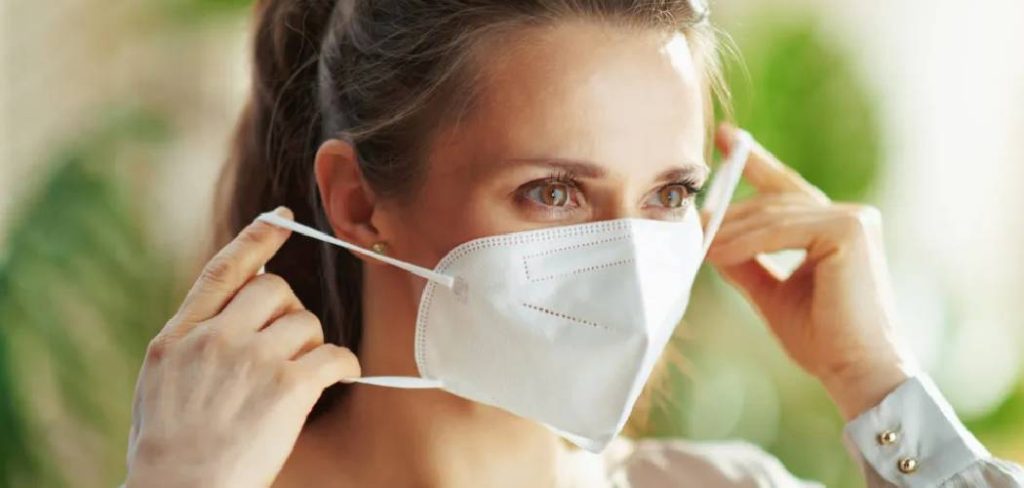
Poor environmental conditions cause headaches, trigger asthma, and drain your daily energy. When the sky looks hazy and a strange smell lingers outside, staying safe requires more than just hoping for a strong breeze. Learning how to protect yourself from bad air quality gives you total control over your health, regardless of what happens outside. This beginner-friendly guide breaks down the complex science of pollution into practical, everyday habits. We will show you exactly what to do when the air turns toxic, helping you build a safe, breathable environment for you and your family.
Why You Need Air Pollution Protection
Ignoring poor environmental conditions carries serious long-term consequences for your respiratory health. When you inhale polluted air, you invite microscopic invaders into your body. Fine particulate matter, often referred to as PM2.5, is tiny enough to bypass your body’s natural defenses. These invisible particles travel deep into your lungs and can even enter your bloodstream. Consistent exposure to these pollutants leads to chronic coughing, severe throat irritation, and a weakened immune system.
Protecting your respiratory system becomes especially critical during extreme weather events. Wildfires now send thick plumes of smoke across entire continents, turning bright afternoons into dark, orange hazes. At the same time, heavy traffic and industrial emissions create dense smog in urban areas on hot summer days. Understanding the Air Quality Index (AQI) helps you navigate these specific hazards safely. By taking proactive measures, you drastically reduce your exposure to harmful toxins. You keep your lungs clear, protect vulnerable family members, and ensure your home remains a clean sanctuary. Breathing clean oxygen is a basic human necessity, and securing that necessity requires simple, intentional planning.
Step-By-Step Guide To How to Protect Yourself From Bad Air Quality
Step 1: Monitor The Air Quality Index Daily
The very first action you must take involves gathering accurate local data. You cannot fight an invisible enemy without knowing its current strength. Make it a daily habit to check the Air Quality Index on your smartphone before planning your day. The AQI works like a simple color-coded thermometer for pollution. Green means the coast is clear, while orange, red, and purple indicate escalating danger levels. Treat this index just like a rain forecast. If the numbers climb dangerously high, you must reschedule your outdoor jogging session or yard work. Knowing the numbers empowers you to make smart, immediate decisions about your daily exposure.
Step 2: Understand From Bad Air Quality Indoors
Many people wrongly assume that shutting the front door automatically blocks out all pollution. However, indoor air can actually become significantly dirtier than the air outside if you do not manage it correctly. You must actively control your indoor environment by limiting activities that create smoke or fumes. Avoid burning scented candles, using strong chemical cleaning sprays, or frying food without a powerful exhaust fan. These everyday activities release a massive amount of particulate matter into your enclosed living space. Taking control of your indoor habits ensures you do not accidentally poison the very sanctuary you are trying to keep safe.
Step 3: Invest In A High-Quality HEPA Purifier
A standalone air purifier serves as your best mechanical defense against microscopic pollutants. You want to purchase a machine that specifically features a True HEPA filter, as these capture the smallest, most dangerous particles. Place the purifier in the room where you spend the vast majority of your time, which is usually the primary bedroom or the living room. Keep the device running continuously on an auto setting so it adjusts to changing conditions. A good purifier acts like an electronic lung, scrubbing the invisible toxins from the room before they can ever reach your airways.
Step 4: Upgrade Your Home HVAC Filters
Your home heating and cooling system cycles air through every single room, making it a powerful tool for large-scale purification. You must replace the standard fiberglass filters with high-efficiency pleated filters rated MERV 13 or higher. These dense filters trap smoke, pollen, and dangerous exhaust fumes as the air circulates through your ductwork. You have to check these filters every few weeks during periods of heavy pollution, as they clog up much faster when doing heavy lifting. Swapping out a dirty filter takes only two minutes but provides an immense layer of protection for your entire household.
Step 5: Discover Air Quality During Wildfires
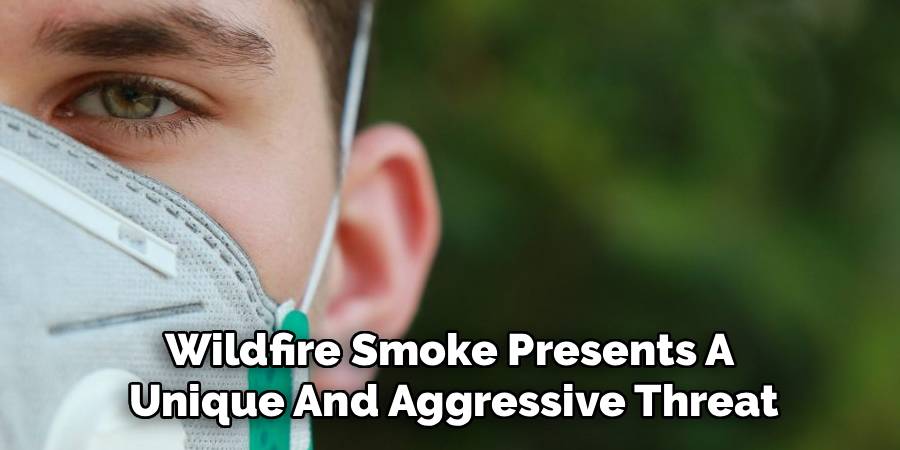
Wildfire smoke presents a unique and aggressive threat that requires specific defensive tactics. When smoke blankets your city, you must seal your home as tightly as possible to keep the toxic ash outside. Check your doors and windows for drafty gaps, and block them with rolled-up towels or specialized weather stripping. If you rely on window air conditioning units, ensure the outdoor air damper remains firmly closed so you only recirculate indoor air. Treating a smoke event like a severe winter blizzard helps you adopt the right mindset for keeping the dangerous elements completely locked outside your living space.
Step 6: Wear The Right Mask Outdoors
Sometimes you simply have to leave your house, even when the sky looks terribly bleak. When forced to venture into a polluted environment, a basic cloth face covering or surgical mask will not protect your lungs. You must wear a well-fitted N95 or KN95 respirator mask to filter out the hazardous particulate matter. Ensure the mask creates a tight seal against your cheeks and the bridge of your nose. If air leaks through the sides, you lose the filtration benefits entirely. Wearing the correct protective gear allows you to run essential errands without compromising your respiratory health.
Step 7: Shower And Change After Going Outside
Pollution physically clings to your body long after you step out of the smog. Smoke particles easily get trapped in the fibers of your clothing and the strands of your hair. When you return home from a highly polluted environment, you must immediately remove your shoes and outdoor clothing. Throw those garments directly into the washing machine to prevent the toxins from transferring to your furniture. Take a quick, warm shower to wash the invisible residue off your skin and hair. This simple decontamination routine stops you from dragging outdoor hazards into your clean, carefully managed indoor sanctuary.
Frequently Asked Questions
What Does The Air Quality Index Actually Mean?
The AQI translates complex air pollution data into a simple, easy-to-understand number scale ranging from 0 to 500. It measures five major pollutants, including ground-level ozone and particulate matter.
- 0 to 50: Good (Green)
- 51 to 100: Moderate (Yellow)
- 101 to 150: Unhealthy for Sensitive Groups (Orange)
- 151 to 200: Unhealthy (Red)
- 201+: Very Unhealthy to Hazardous (Purple/Maroon)
When the number exceeds 100, you should begin taking precautions, especially if you have asthma or heart conditions.

Do Houseplants Really Purify Indoor Air?
Houseplants provide wonderful aesthetic benefits and can boost your mood, but they do very little to clean a polluted room.
- Plants absorb some carbon dioxide and release oxygen.
- They cannot filter heavy smoke or fine particulate matter (PM2.5).
- You would need hundreds of plants in a single room to notice any slight purification effect.
Rely on mechanical HEPA filters rather than potted plants to protect your lungs during severe pollution events.
Which Masks Work Best For Air Pollution?
Not all masks are created equal when it comes to blocking dangerous smog and smoke particles.
- N95 Respirators: The absolute gold standard, filtering 95% of airborne particles.
- KN95 Masks: A highly effective alternative that fits tightly around the face.
- Surgical Masks: Completely ineffective against fine particulate matter due to loose sides.
- Cloth Masks: Only block large dust particles and offer zero protection from smoke.
Always choose an N95 or KN95 mask that seals tightly against your skin for true safety.
How Often Should I Change My Air Filters?
Routine maintenance is the secret to a highly functioning home air system. During normal conditions, replacing your HVAC filters every three months works perfectly fine.
- Check filters monthly if you own shedding pets.
- Check them weekly during active wildfire seasons nearby.
- Replace them immediately if they look dark gray or black.
A clogged filter forces your HVAC system to work much harder and stops capturing dangerous toxins effectively.
Are Air Purifiers Worth The Money?
Yes, investing in a high-quality air purifier is one of the smartest decisions you can make for your respiratory health.
- They actively remove asthma triggers and allergy-inducing pollen.
- They capture microscopic smoke particles that seep through window cracks.
- They significantly improve your sleep quality by providing clean oxygen.
While the initial cost might seem high, the medical savings and daily physical comfort they provide easily justify the expense.
Conclusion
Taking charge of your respiratory health requires a little daily awareness and a few smart household upgrades. By consistently checking the daily index, sealing your home during smoke events, and utilizing proper HEPA filtration, you build an incredibly strong defense against invisible airborne threats. Knowing how to protect yourself from bad air quality grants you peace of mind, ensuring your lungs remain safe no matter what environmental challenges arise outside. Take action today by checking your local forecast and upgrading your home filters, so you can continue to breathe easily and live comfortably.

About
Joe Herman is a distinguished figure in the world of personal development, with a decade of expertise creating innovative and sustainable self-improvement frameworks. His professional focus lies in merging cognitive behavioral strategies with modern productivity techniques, fostering habits that are both practical and mentally sustainable. As the lead author of selfvity, Joe Herman delves into the art and science of human potential, inspiring individuals and industry professionals alike to optimize their daily lives.
Education
Stanford University
(Stanford, California) Associate Degree in Behavioral Psychology — Focus on habit formation, cognitive restructuring, and peak performance. Gained hands-on experience with psychological assessment tools and data-driven behavioral modification.
University of Pennsylvania
(Philadelphia, Pennsylvania) Bachelor’s in Positive Psychology and Human Potential (Honors) — Specialized in the science of well-being with a focus on blending psychological theory with actionable growth techniques. Participated in extensive research projects, working with leading wellness consultants to gain real-world insights into human motivation.
Publications and Impact
In selfvity, Joe Herman shares his insights on internal growth processes, mental material, and strategies for efficient lifestyle design. His writing bridges the gap between scientific research and everyday application, making it a must-read for both individuals seeking personal clarity and seasoned professionals looking to refine their mental edge.