Relationships require constant care, intentional choices, and deep honesty. Sometimes, people find themselves facing unexpected temptations or emotional disconnects that blur the lines of commitment. If you are experiencing these feelings, acknowledging them is a brave and necessary first step. Figuring out how to stop yourself cheating involves looking closely at your internal triggers and unmet needs rather than just avoiding external situations.

It takes immense courage to confront your vulnerabilities before they turn into damaging actions. This guide offers compassionate, expert advice to help you navigate these difficult emotions safely. We will explore practical strategies to rebuild your internal boundaries, communicate better with your partner, and protect the unique bond you share. By following these steps, you can address the root causes of temptation and actively choose a path of integrity and lasting connection.
Why Integrity and Fidelity Matter
Commitment forms the foundation of any healthy, secure romantic partnership. When you choose fidelity, you create a safe environment where both you and your partner can be fully vulnerable. Trust allows a relationship to grow deeper over time, fostering an emotional intimacy that casual encounters simply cannot replicate.
Integrity in your relationship also protects your own mental health and self-esteem. Keeping secrets and living a double life generates immense stress, anxiety, and guilt. Choosing to remain faithful aligns your actions with your core values. It demonstrates deep respect for the person you love and the life you are building together. Temptation is a natural human experience, but acting on it fractures trust in ways that can take years to repair. Maintaining your integrity prevents the trauma of betrayal and keeps your emotional energy focused entirely on your primary bond.
Step-by-Step Guide to How to Stop Yourself Cheating
Step 1: Acknowledge Your Vulnerabilities
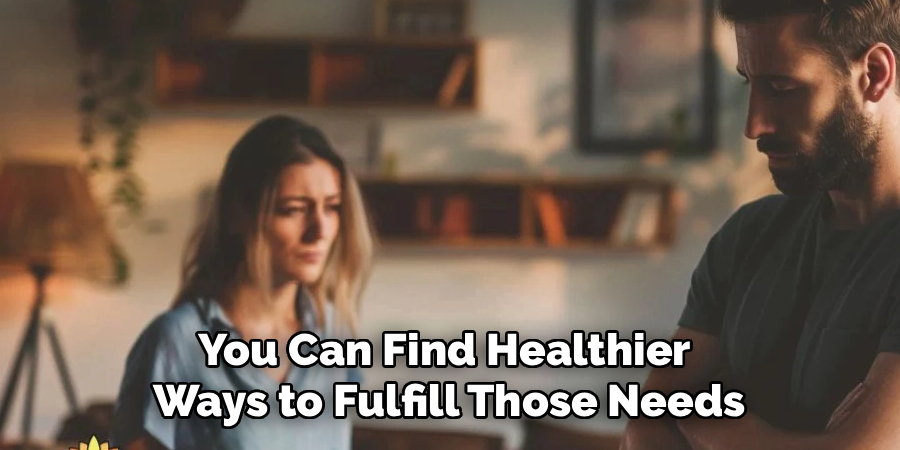
The first step to preventing infidelity is admitting that you are susceptible to it. Denying your attraction to someone else only gives those feelings more power in the dark. You must sit quietly and honestly assess what is drawing your attention away from your partner. Are you craving excitement, emotional validation, or simply a break from routine stress? Identifying the specific vulnerability helps you understand the root cause of your temptation. Once you know what you are truly looking for, you can find healthier ways to fulfill those needs within your existing relationship or through personal hobbies.
Step 2: Set Clear Personal Boundaries
Establishing firm boundaries protects you from situations where you might make a poor decision. Figuring out how to stop yourself cheating requires recognizing which environments or interactions compromise your judgment. If late-night drinks with a specific coworker lead to heavy flirting, you must step away from those outings. Create strict rules for yourself regarding one-on-one time with people you find attractive. Keep your conversations professional and avoid oversharing intimate details about your romantic relationship. Strong boundaries act as a necessary guardrail, keeping you on the path of fidelity when your willpower feels temporarily weak or depleted.
Step 3: Communicate Your Unmet Needs
Many people seek outside connections when they feel unheard or unappreciated at home. Instead of looking elsewhere for validation, you must communicate your desires clearly to your partner. Sit down together and express how you are feeling without assigning blame. Use “I” statements to describe your emotional state, such as feeling lonely or missing physical affection. Giving your partner the opportunity to meet your needs strengthens your bond significantly. Open, honest communication dissolves the silent resentment that often precedes infidelity and brings you both back to a place of mutual understanding and care.
Step 4: Limit Contact With Temptations
You cannot heal a wound if you keep touching it, and you cannot move past temptation if you stay close to the source. You must proactively distance yourself from the person who sparks your desire. This might mean unfollowing them on social media, deleting their contact information, or requesting a desk transfer at the office. Limiting contact removes the constant emotional trigger and gives your brain time to cool down. It is a highly practical measure that breaks the cycle of fantasy and forces you to face the reality of your current romantic commitment.

Step 5: Invest Time In Your Primary Partnership
Relationships wither when they lack attention, energy, and shared experiences. You must actively redirect the energy you might spend on a crush back into your primary partnership. Plan meaningful date nights that break your usual routine and spark joy. Try a new hobby together, take a weekend trip, or simply spend an evening talking without the distraction of cell phones. Reconnecting with your partner reminds you of the deep love, history, and compatibility that brought you together in the first place. This intentional investment naturally crowds out the desire to seek companionship outside the relationship.
Step 6: Seek Professional Therapy Or Counseling
Sometimes, the urge to stray stems from deep-seated personal issues or past traumas that you cannot resolve alone. Engaging with a licensed therapist provides a safe, neutral space to explore your feelings without judgment. A professional can help you unpack patterns of self-sabotage, attachment issues, or fears of intimacy. Individual counseling helps you understand your own behavior, while couples therapy can repair the cracks in your partnership. Seeking professional guidance is a profound act of self-care and relationship preservation, offering you concrete tools to manage your impulses and heal your underlying emotional wounds.
Step 7: Practice Daily Mindfulness And Reflection
Impulsive decisions usually happen when we are disconnected from our present reality and core values. If you are struggling and wondering how to stop yourself cheating, start by incorporating daily mindfulness into your routine. Spend ten minutes a day journaling or meditating on the life you want to build. Think deeply about the potential consequences of infidelity and the immense pain it would cause your partner. Grounding yourself in the present moment helps you step back from temporary urges. This quiet reflection builds emotional regulation, allowing you to respond to temptation with logic rather than blind impulse.

Step 8: Build A Support System Of Trusted Friends
Isolation makes temptation feel overwhelming and unmanageable. You need a trusted confidant who will hold you accountable and offer objective advice. Choose a close friend who values commitment and respects your relationship. Share your struggles with them honestly, completely stripping away the secrecy that fuels infidelity. A good friend will listen with compassion but firmly remind you of your long-term goals and values. Having a safe outlet to vent your frustrations or confess your temptations deflates their power, helping you stay grounded and focused on maintaining your integrity.
Frequently Asked Questions
Is It Normal To Feel Attracted To Other People While In A Relationship?
Yes, experiencing attraction to outside individuals is a completely normal human response. Being in a committed relationship does not instantly turn off your ability to notice beauty, charm, or charisma in others.
- Attraction is simply a biological response.
- Noticing someone does not equal a desire to cheat.
- The key factor is how you handle the feeling.

Recognizing the attraction without acting on it or feeding the fantasy is a strong sign of healthy emotional maturity.
Can Emotional Cheating Be Just As Damaging As Physical Cheating?
Emotional infidelity often causes deeper psychological wounds than a brief physical encounter. When you invest your emotional energy, secrets, and daily thoughts into someone else, you actively drain intimacy from your primary partnership.
- It creates a massive wall of secrecy.
- It breaks fundamental trust and loyalty.
- It leads to unfair, idealized comparisons.
Partners often find emotional cheating harder to forgive because it involves a deep, intentional connection that threatens the core foundation of the relationship.
How Do I Tell My Partner I Am Struggling With Temptation?
Approaching this conversation requires immense tact, careful timing, and gentle honesty. You should frame the discussion around your desire to protect the relationship rather than focusing heavily on the outside person.
- Reassure your partner of your love and commitment first.
- Focus on the unmet needs or emotional distance between you two.
- Suggest proactive steps, like attending couples counseling together.
Handling this delicate topic as a team often brings couples closer, demonstrating profound trust and a mutual willingness to fight for the connection.
Why Do People Cheat Even When They Are Happy?
Infidelity is not always a symptom of an unhappy relationship. Many people cheat despite loving their partners deeply. This behavior often stems from internal personal struggles rather than relationship deficits.
- A desire for self-exploration or a lost sense of personal identity.
- Reckless behavior driven by severe stress or a midlife crisis.
- An unconscious, deeply rooted need for external validation.
In these cases, therapy is usually necessary to uncover why an individual risks a happy life for a fleeting, temporary experience.
How Long Does It Take To Rebuild Trust If I Slipped Up?
Rebuilding broken trust is a marathon, not a sprint. Depending on the severity of the betrayal, it can take months or even years for a partner to feel truly secure again.
- You must practice radical transparency daily.
- Patience is mandatory; healing is never a linear process.
- Professional therapy greatly accelerates the recovery process.
The betraying partner must remain consistent, fully accountable, and highly empathetic to the pain they caused to slowly repair the damaged bond.
Conclusion
Maintaining fidelity in a long-term partnership requires far more than just initial love; it demands ongoing effort, profound self-awareness, and intentional daily choices. We have discussed the vital importance of setting boundaries, communicating unmet needs, and seeking professional support when temptation arises. Knowing how to stop yourself cheating means taking proactive steps to protect your bond before a mistake happens. It requires looking inward, addressing your personal vulnerabilities, and choosing your partner every single day.
Remember that experiencing temptation does not make you a bad person, but how you respond to those feelings defines your character. You possess the power to turn away from distractions and reinvest that precious energy into your primary relationship. Take action today by having an honest conversation with your partner, setting firmer boundaries, or scheduling a session with a licensed therapist. Prioritize your commitment, protect your personal integrity, and continue building a foundation of unwavering trust and lasting love.

About
Joe Herman is a distinguished figure in the world of personal development, with a decade of expertise creating innovative and sustainable self-improvement frameworks. His professional focus lies in merging cognitive behavioral strategies with modern productivity techniques, fostering habits that are both practical and mentally sustainable. As the lead author of selfvity, Joe Herman delves into the art and science of human potential, inspiring individuals and industry professionals alike to optimize their daily lives.
Education
Stanford University
(Stanford, California) Associate Degree in Behavioral Psychology — Focus on habit formation, cognitive restructuring, and peak performance. Gained hands-on experience with psychological assessment tools and data-driven behavioral modification.
University of Pennsylvania
(Philadelphia, Pennsylvania) Bachelor’s in Positive Psychology and Human Potential (Honors) — Specialized in the science of well-being with a focus on blending psychological theory with actionable growth techniques. Participated in extensive research projects, working with leading wellness consultants to gain real-world insights into human motivation.
Publications and Impact
In selfvity, Joe Herman shares his insights on internal growth processes, mental material, and strategies for efficient lifestyle design. His writing bridges the gap between scientific research and everyday application, making it a must-read for both individuals seeking personal clarity and seasoned professionals looking to refine their mental edge.