Walking onto an empty court with just a ball and a hoop offers one of the best opportunities to improve your overall game. You do not need a team, an expensive trainer, or a coach to make significant strides in your athletic skills. In fact, many professional players credit their quiet, solo training sessions for their most dramatic improvements on the hardwood. Figuring out how to practice basketball by yourself allows you to focus entirely on your personal weaknesses and build unshakeable confidence in your abilities.

This comprehensive guide will show you exactly how to structure your solo workouts for maximum, game-changing results. We will break down essential drills covering shooting form, ball handling, and defensive footwork. You will learn how to turn an empty driveway or a quiet local park court into your own personal development laboratory. By the end of this post, you will have a clear, highly actionable blueprint to elevate your skills every single time you step onto the court alone.
Why Personal Practice Matters
Training without a team gives you complete, uninterrupted control over your athletic development. During standard team practices, coaches must focus heavily on offensive plays, defensive rotations, and overall team chemistry. This dynamic leaves very little time for players to refine their individual mechanics or fix bad habits. Solo training directly fixes this problem by allowing you to maximize your specific repetitions. You get to dictate the pace, the focus, and the intensity of the workout.
When you train alone, you build essential muscle memory without the heavy pressure of a game clock or judging teammates. You can break down your shooting mechanics frame by frame, carefully tweak your release point, and shoot hundreds of practice shots at your own speed. Individual practice also drastically improves your physical conditioning. Without teammates to pass to, you spend significantly more time chasing long rebounds and maintaining continuous bodily movement. Ultimately, dedicating time to solo basketball drills builds a powerful foundation of self-reliance. You become a more versatile, confident player when you know you have put in the unseen hours to master your dribbling skills and finishing moves.
Step-by-Step Guide to How to Practice Basketball by Yourself
Step 1: Warm Up Your Muscles And Joints
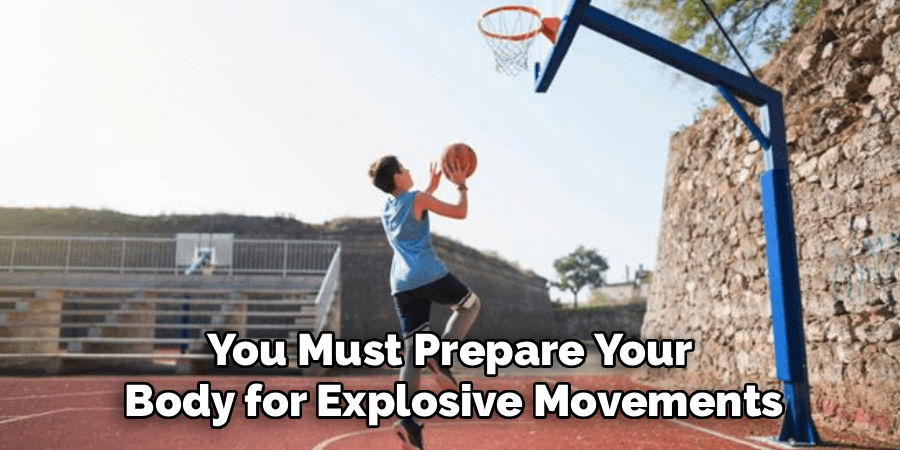
Before touching the basketball, you must prepare your body for explosive movements to prevent frustrating injuries. Start your training session with dynamic stretches rather than static, seated holds. Jog two slow laps around the court boundaries to elevate your heart rate and get your blood flowing properly. Follow this brief jog with high knees, butt kicks, and walking lunges from the baseline to the half-court line. Dynamic warm-ups mimic the exact athletic movements you will perform during the game, properly activating your calves, hamstrings, and ankles. Taking ten minutes to loosen your joints ensures you can practice with maximum intensity and safely execute sharp cuts on the floor.
Step 2: Establish Your Foundation With Form Shooting
Form shooting serves as the absolute bedrock of a highly consistent and deadly jump shot. Stand just two feet away from the basket, directly in front of the metal rim. Use only your shooting hand to push the ball up and through the net, focusing entirely on a fluid motion and the snap of your wrist. You want to see perfect, backward rotation on the ball as it travels through the air. Make ten clean shots from the front, then move to the left and right blocks to repeat the entire process. This gentle drill reinforces proper shooting mechanics before you step out to the distant three-point line.
Step 3: Learn With Stationary Dribbling
Elite ball handling always starts without taking a single forward step. Get into a low, athletic stance with your knees heavily bent and your chest proudly up. Begin pounding the basketball with your right hand as hard as you possibly can, keeping the ball strictly below your waist. Switch to your left hand and repeat the heavy, aggressive pounds to build equal dexterity. Hard dribbling builds forearm strength and prepares you for aggressive defenders who try to slap the ball away. Incorporate swift crossovers, between-the-legs, and behind-the-back moves while staring straight ahead at the rim.
Step 4: Master Moving Ball Handling Drills
Once your stationary handles feel warm and secure, you must practice dribbling while on the move. Start at the baseline and dribble rapidly toward the opposite end of the court using a wide zig-zag pattern. Every time you change direction, execute a sharp crossover, a quick hesitation move, or a through-the-legs dribble. Stay low to the ground and push yourself to move much faster than you comfortably can. Losing the ball out of bounds during this drill simply means you are pushing your limits and growing as a player. Game situations require dynamic, forward-moving ball control, making these explosive transitions critical for solo development.

Step 5: Incorporate Game-Speed Catch And Shoot Drills
Shooting a basketball feels completely different when your lungs burn and your legs feel heavy. To simulate a real game environment, you need to practice catching and shooting while actively on the move. Stand at the top of the key, spin the ball out to the wing with heavy backspin, and sprint to catch it. Plant your inside foot, quickly square your shoulders to the basket, and rise up for the shot in one fluid, unbroken motion. Chase your own rebound aggressively, spin the ball out to another spot on the floor, and repeat the sequence. Moving continuously between shots builds exceptional cardiovascular endurance.
Step 6: Optimize by Yourself With Finishing Moves
A great offensive player must know how to finish strongly around the rim in highly varied traffic situations. Start by practicing traditional layups from both the right and left sides, ensuring you jump off the correct foot every single time. Once you master the simple basics, move on to advanced finishes like reverse layups, wide euro steps, and high-arcing floaters. Toss the ball high off the backboard, jump to catch it in the air, and finish with a power layup to simulate grabbing an offensive rebound. Practicing these varied finishes thoroughly prepares you to score against taller, athletic defenders who might block a standard layup attempt.
Step 7: Drill Your Defensive Footwork And Positioning
Defense often gets completely ignored during solo sessions, but it remains a crucial part of becoming a highly valuable player. You can easily improve your defensive footwork without an active opponent by practicing rigorous defensive slides. Start at the corner of the baseline, drop into a wide, low stance, and slide defensively up to the free-throw line. Keep your hands active in the air and never cross your feet as you move laterally across the wood. Pivot quickly and sprint backward to simulate getting back in fast-break transition. Doing this for just five minutes builds immense lower body strength and keeps your defensive reactions sharp.

Step 8: Conclude Yourself With Free Throws
Every truly great basketball workout must end exactly at the free-throw line. Shooting free throws when you are completely exhausted physically perfectly simulates the high-pressure environment of the fourth quarter. Step confidently up to the line, take a deep breath, and perform your consistent, repetitive pre-shot routine. Focus intensely on bending your tired knees and fully following through with your wrist. Challenge yourself to make ten free throws in a row before you allow yourself to pack up and leave the court. This builds incredible mental toughness and guarantees you will remain calm when your team needs points late in a tight game.
Frequently Asked Questions
How Long Should A Solo Basketball Workout Last?
A highly effective solo basketball workout should last anywhere between 45 and 90 minutes. You do not need to spend four exhausting hours on the court to see massive improvements in your game.
- Focus on maintaining high game-speed intensity rather than extending the duration.
- Take brief, strategic water breaks to keep your physical energy levels high.
- Stop your workout when your shooting form begins to break down completely from fatigue.
Quality, focused repetitions will always benefit your game far more than sloppy, exhausted practice sessions.
What Do I Need For A Solo Basketball Practice?
You actually need very little physical equipment to conduct a professional-level solo practice session. The absolute basic necessities include:
- A properly inflated basketball with good grip.
- Comfortable, supportive athletic basketball shoes.
- Access to a safe hoop with a functional net and backboard.
- A large water bottle to stay properly hydrated.

While plastic cones and heavy resistance bands offer great benefits, you can easily substitute them with water bottles or simply use the painted court lines to guide your dribbling drills.
Can I Improve My Passing Without A Partner?
Yes, you can significantly improve your passing accuracy and velocity entirely by yourself. Find a smooth, sturdy brick or concrete wall near your home or local park.
- Practice throwing crisp, two-handed chest passes against the wall and catching the fast rebound.
- Work on your precise bounce passes by aiming at a specific target painted on the ground.
- Practice one-handed wrap-around passes using both your left and right hands.
This solo wall-passing method builds excellent arm strength, rapid hand-eye coordination, and overall passing confidence.
How Often Should I Practice Basketball Alone?
Beginners should aim to practice on their own three to four times a week to build solid, lasting muscle memory. If you already play on a competitive organized team, you can schedule two solo sessions on your off days to refine very specific skills. Ensure you listen closely to your body and schedule at least one or two full rest days a week to prevent nagging overuse injuries. Consistency matters far more than cramming massive, exhausting workouts into a single weekend.
What Is The Best Way To Track My Progress?
Tracking your solo workouts keeps you highly motivated and clearly highlights areas needing immediate improvement.
- Keep a dedicated small notebook in your gym bag to manually record your statistics.
- Write down exactly how many consecutive free throws you successfully made.
- Record the time it takes you to complete specific, grueling dribbling circuits.
- Film your shooting form with your smartphone to analyze your release point later.
Reviewing this tangible data helps you smartly adjust your future workouts and visually proves your hard work is paying off.
Conclusion
Improving your game does not always require a loud gym full of players or a highly structured team environment. By focusing deeply on your fundamental mechanics, pushing yourself with high-intensity game-speed drills, and tracking your daily progress, you take total ownership of your athletic journey. Mastering how to practice basketball by yourself transforms empty, quiet courts into powerful arenas for personal growth. You build not only the physical skills required to dominate a game but also the mental toughness needed to rely completely on yourself. Grab your ball, lace up your sneakers, and hit the court today. Every single solo repetition brings you one step closer to becoming the standout player you are meant to be.

About
Joe Herman is a distinguished figure in the world of personal development, with a decade of expertise creating innovative and sustainable self-improvement frameworks. His professional focus lies in merging cognitive behavioral strategies with modern productivity techniques, fostering habits that are both practical and mentally sustainable. As the lead author of selfvity, Joe Herman delves into the art and science of human potential, inspiring individuals and industry professionals alike to optimize their daily lives.
Education
Stanford University
(Stanford, California) Associate Degree in Behavioral Psychology — Focus on habit formation, cognitive restructuring, and peak performance. Gained hands-on experience with psychological assessment tools and data-driven behavioral modification.
University of Pennsylvania
(Philadelphia, Pennsylvania) Bachelor’s in Positive Psychology and Human Potential (Honors) — Specialized in the science of well-being with a focus on blending psychological theory with actionable growth techniques. Participated in extensive research projects, working with leading wellness consultants to gain real-world insights into human motivation.
Publications and Impact
In selfvity, Joe Herman shares his insights on internal growth processes, mental material, and strategies for efficient lifestyle design. His writing bridges the gap between scientific research and everyday application, making it a must-read for both individuals seeking personal clarity and seasoned professionals looking to refine their mental edge.