

We spend a massive portion of our lives at work, surrounded by a diverse mix of personalities. While many colleagues become lifelong friends, others can drain your energy and test your patience. You might find yourself dreading a meeting simply because a specific person will be there. Conflict and personality clashes are a normal part of any professional environment.
However, letting those clashes ruin your day or derail your career is entirely optional. Learning how to navigate a toxic or difficult relationship at work gives you back your power.
This guide on how to work with people you hate walks you through actionable strategies to maintain your sanity, protect your productivity, and handle even the most frustrating coworkers with grace.

What Will You Need?
Before you start applying the steps, gather these essential internal resources:
- Emotional Boundaries: A mental barrier that separates your self-worth from their behavior.
- A Strong Support Network: Trusted friends outside of work who can listen when you need to vent.
- Documentation Tools: An organized system for tracking emails, messages, and project contributions.
- Patience: The willingness to take a deep breath and pause before reacting to a frustrating comment.
- A Stress-relief Outlet: A hobby, exercise routine, or meditation practice to help you decompress after work.
10 Easy Steps to How to Work With People You Hate
Step 1: Acknowledge Your Feelings
The first step to managing a difficult work relationship is to accept how you truly feel. Trying to force yourself to like someone rarely works and often creates more internal friction. Recognize that it is entirely normal to dislike a colleague. You do not have to be friends with everyone in your office to do your job effectively.
Permit yourself to feel annoyed, frustrated, or irritated by their behavior. Once you accept these feelings, you stop wasting energy trying to suppress them. This acceptance acts as a release valve for your stress. It allows you to shift your focus from wishing they were different to managing the reality of the situation. By acknowledging your emotions privately, you prevent them from spilling over into your professional interactions.

Step 2: Maintain Strict Professionalism
Your professionalism is your best defense against a difficult coworker. No matter how much this person aggravates you, never let them see you lose your composure. Treat them with the same basic courtesy you would extend to a stranger. Say good morning, hold the elevator, and use polite language during meetings.
Keep your tone neutral and your body language open. By maintaining a high standard of professional behavior, you protect your own reputation. If a conflict ever escalates, your leadership team will see that you acted appropriately at all times. Do not give the difficult person any ammunition to use against you. Your steadfast professionalism builds an invisible shield that prevents their negativity from sticking to you.
Step 3: Set Clear and Firm Boundaries
Boundaries tell other people how they are allowed to treat you. When working with someone you dislike, boundaries become absolutely critical. Decide what behaviors you will accept and what you will not tolerate. For example, if they constantly interrupt you during meetings, calmly state, “I want to finish my point before we move on.” If they try to drag you into office gossip, simply say you have too much work to do and walk away.
Establish boundaries around your time as well. Do not feel obligated to attend optional social events if they will be there and make you uncomfortable. Enforce these limits consistently. Over time, even the most difficult people learn how to interact with you when you hold the line.
Step 4: Keep Communication Written and Documented
When dealing with a frustrating colleague, verbal conversations can easily lead to misunderstandings or outright arguments. Whenever possible, transition your communication to writing. Use email or company messaging apps to discuss projects, request information, or share updates. Written communication gives you a chance to pause, review your words, and remove any emotional tone before you hit send.
It also creates a clear paper trail. If the person tries to claim they never received a file or accuses you of missing a deadline, you have the documentation to prove otherwise. If you must have a verbal conversation, send a quick follow-up email summarizing what was discussed and agreed upon. This simple habit saves you from endless frustration and protects your work.

Step 5: Focus Exclusively on the Shared Goal
You do not need to care about this person’s weekend plans or their opinions on pop culture. You only need to care about the project you are working on together. Shift your entire focus away from their personality and onto the shared business objective. When interacting with them, keep the conversation strictly tied to the task at hand. Ask questions about deadlines, deliverables, and resource allocation.
If they try to steer the conversation off-topic, politely redirect them back to the work. By treating the interaction purely as a transactional exchange, you remove the emotional weight from the relationship. You become two professionals trying to complete a job, nothing more. This mindset shift makes the time you spend together feel much more manageable.
Step 6: Practice Empathy and Perspective-Taking
This step can feel incredibly challenging, but it yields excellent results. Try to understand why this person behaves the way they do. Are they under extreme pressure from their manager? Do they lack the training needed to do their job well? Are they dealing with severe personal issues outside of the office? Understanding their background does not excuse their bad behavior, but it does help you take it less personally.
Hurt people often hurt people, and a toxic coworker is usually acting out of insecurity or stress. When you view them through a lens of objective empathy, their actions lose their power over you. You stop seeing them as an evil nemesis and start seeing them as a flawed human being struggling with their own issues.
Step 7: Keep Interactions Brief and Direct
Minimize the amount of time you spend exposed to this person’s energy. When you need to collaborate, plan your interactions carefully. Figure out exactly what information you need before you approach them. Go into the conversation with a clear agenda, get what you need, and gracefully exit. Do not linger to chat or make small talk.
Use phrases like, “I know we are both busy, so I will get straight to the point.” Being brief is not the same as being rude. It is a highly efficient way to communicate that respects both of your schedules. By keeping your interactions short and purposeful, you limit the opportunities for irritation to build up and keep your productivity high.

Step 8: Build a Support System Outside the Situation
Dealing with a difficult coworker is exhausting, and you cannot carry that burden alone. However, venting to other colleagues is dangerous and can quickly create a toxic work environment. Instead, build a support network completely outside of your office. Lean on friends, family members, or a mentor in a different industry.
Talk to them about your frustrations and let them help you process your emotions. Sometimes, simply saying out loud how annoyed you are is enough to release the tension. A trusted external confidant can also provide objective advice and help you see the situation from a new angle. This external support keeps you grounded and prevents the work conflict from consuming your entire life.
Step 9: Manage Your Triggers and Reactions
You cannot control what your coworker says or does, but you have absolute control over how you react. Take time to identify exactly what this person does that triggers your anger. Is it their condescending tone? Their habit of taking credit for your work? Once you know your triggers, you can plan your response in advance.
If they use a condescending tone, take a deep breath, count to three, and respond with a neutral, fact-based statement. Do not take their bait. When you refuse to react emotionally, you take away their power. They will eventually realize that their behavior does not affect you, and they may even stop trying. Managing your reactions is the ultimate form of self-control in the workplace.
Step 10: Involve Human Resources Only When Necessary
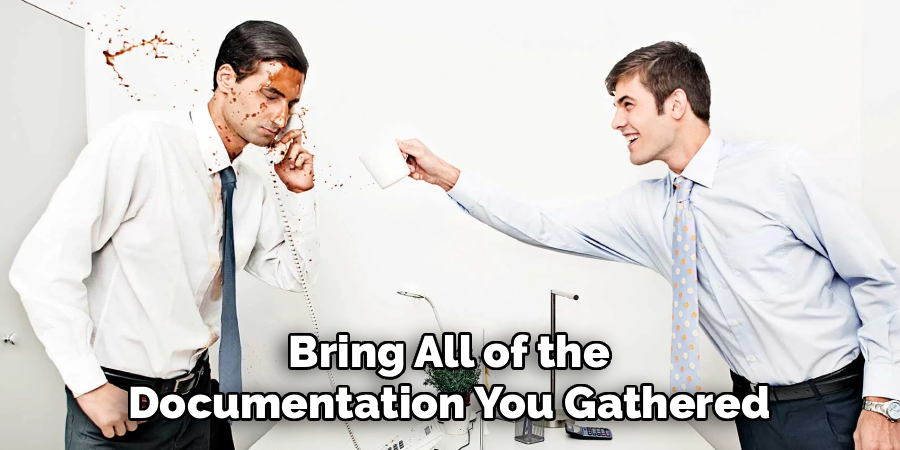
Most interpersonal conflicts can be managed using the steps above. However, there is a distinct line between a difficult personality and a hostile work environment. If the person’s behavior crosses into harassment, discrimination, bullying, or active sabotage of your career, it is time to escalate the issue. Bring all of the documentation you gathered in Step 4 to your manager or your Human Resources department.
Present the facts calmly and objectively, without using emotional language. Focus on how the behavior is negatively impacting the company’s goals and your ability to perform your job. HR is there to protect the business and its employees from toxic behavior. If the situation becomes unbearable, do not hesitate to use the formal channels available to you.
Conclusion
Navigating a professional relationship with someone you strongly dislike is a challenging but necessary skill. You will encounter difficult personalities in every industry and at every stage of your career.
By maintaining your professionalism, setting strict boundaries, and focusing entirely on the work, you take control of the situation. You do not have to be friends with your coworkers to create great results together. Use these strategies to protect your energy, advance your career, and ensure that no single person has the power to ruin your workday.
Hopefully, these tips on how to work with people you hate have helped you understand the importance of dealing with difficult personalities in a professional manner.

About
Joe Herman is a distinguished figure in the world of personal development, with a decade of expertise creating innovative and sustainable self-improvement frameworks. His professional focus lies in merging cognitive behavioral strategies with modern productivity techniques, fostering habits that are both practical and mentally sustainable. As the lead author of selfvity, Joe Herman delves into the art and science of human potential, inspiring individuals and industry professionals alike to optimize their daily lives.
Education
Stanford University
(Stanford, California) Associate Degree in Behavioral Psychology — Focus on habit formation, cognitive restructuring, and peak performance. Gained hands-on experience with psychological assessment tools and data-driven behavioral modification.
University of Pennsylvania
(Philadelphia, Pennsylvania) Bachelor’s in Positive Psychology and Human Potential (Honors) — Specialized in the science of well-being with a focus on blending psychological theory with actionable growth techniques. Participated in extensive research projects, working with leading wellness consultants to gain real-world insights into human motivation.
Publications and Impact
In selfvity, Joe Herman shares his insights on internal growth processes, mental material, and strategies for efficient lifestyle design. His writing bridges the gap between scientific research and everyday application, making it a must-read for both individuals seeking personal clarity and seasoned professionals looking to refine their mental edge.




