

Let’s be honest—there’s nothing easy about turning your whole life upside down. You look in the mirror some mornings and think, “How did I get here?” Maybe it feels impossible to picture yourself as someone new. You’re not alone. Most of us, at one time or another, sense a tug to rewrite our story but get overwhelmed before pen hits paper. Still, the strange thing is the power to break the pattern—those ingrained habits, that persistent mindset—sits right in your own hands.

Change, at least the sort that lasts, doesn’t tend to travel in a neat, straight line. It zigzags. It hits a wall. Yet, when you give your plans texture—something real you can touch each day—the big mountain shrinks into a series of smaller, scalable hills. What follows here isn’t a magic bullet. It’s a collection of practical signposts and skeptical encouragement, crafted from honest work and more than a little stumbling. In this guide on how to change myself completely, we’ll do our best to show you how to build something that lasts.
Understand Why You Want to Change
The urge to scrap everything and start fresh rarely comes out of nowhere. You’re probably feeling some friction—maybe a sense your job is just treading water, or your relationships are more distant than you’d care to admit. Or maybe you’re worn down by habits that seem, with each day, harder to uproot.
Before launching into action, pause. If you’re vague about your motives, the first obstacle will probably send you darting right back to what’s familiar. Spend time rooting around for the actual pain points driving you onward.
Doubtful? That’s normal. Try jotting down not just your irritations, but what you could gain on the other side—maybe mornings that start with hope instead of dread, a job that fits like real clothes, the chance to like who you see in the mirror.
When these reasons live outside your head on real paper, you can revisit them once enthusiasm wanes. In my experience, that always happens. When the scales tip, and the urge for what’s ahead begins to outweigh the drag of what’s familiar, you might even surprise yourself.
8 (Sometimes Messy) Steps on How to Change Myself Completely
Step 1: Conduct a Brutally Honest Life Audit
First, admit you can’t get somewhere new without figuring out where you’re actually standing. No shortcuts here—set aside an afternoon where interruptions can’t bite at your heels. Start in one corner of your life and move slowly across the rest: your work, your savings (or lack thereof), your physical self, your mental state, and the people who take up your time. Write, don’t skim. Which patterns leave you drained, or keep you circling the same old problems? Don’t soften the truth to make it easier to look at.

You’re likely to spot just one or two areas that are tripping you up more than the rest. Ignore the urge to fix everything all at once. That’s a straight shot to discouragement. Instead, pick the one place where a little effort could free up the most breathing room. If stumbling out of bed every morning feeling like a worn shoe, maybe start there before, say, reworking your résumé. This first audit isn’t meant to be a shame session; it’s there to help you use your time and energy where it will actually matter.
Step 2: Define Who You’re Trying to Become (and Why)
It might sound a little much, but if you don’t know what you want your life to feel like, you’ll default to the same old patterns. Grab a notebook—actual paper somehow works better—and sketch out a day in the life of future-you. What time does she wake up? Is she someone who speaks with calm, or with mischief? When stress barges in, how does he respond—retreat, lash out, or just take a breath? This isn’t about scripting a flawless character, but giving yourself a template.
Identifying your values—what you actually believe is worth doing—helps too. Acting like a “disciplined person” isn’t about gritting your teeth but about remembering, in small, inconvenient moments, that this matters. When you catch yourself on the fence about a choice, ask, “What would new-me do, honestly?” And yes, your brain might protest at first, but sometimes it’s a matter of building the habit of pretending until it becomes less of an act.
Step 3: Set Micro-Goals to Build Real Momentum
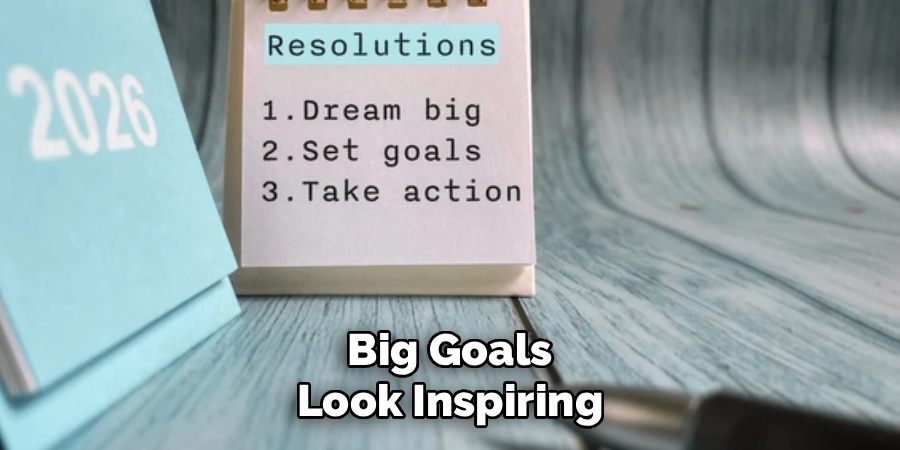
Big goals look inspiring in January. But by March, they’re museum exhibits—untouched and gathering dust. Maybe it’s better, if uninspiring, to dream smaller on purpose. If your plan is to read a mountain of books, perhaps start with a page or two every night, so it feels almost silly. Your willpower won’t feel stretched, and small wins have a way of adding up when your mind isn’t set on the finish line.
With every box you check, your brain rewards you—not with grand fireworks, but a gentle nudge to keep going. That’s how a couple of pages can turn into chapters, or how you might find yourself running a mile after months of lacing up just to hit the corner store. The pace is dull—until, one morning, you notice you’re not the same at all.
Step 4: Change Your Surroundings—Or They’ll Change You
It’s tempting to think your grit alone can overpower a kitchen packed with cookies or a phone that won’t quit buzzing with new temptations. Mostly, that’s wishful thinking. If you want different habits, set up your space to help you out. Hide the junk food. Keep workout gear in plain sight. Rearrange your phone screens, or better yet, delete whatever steals your attention for little reward. These aren’t acts of heroism—they’re tiny strategic edits.
But environments aren’t just chairs and walls. Who’s in your orbit? Some folks encourage us to revisit old mistakes, while others—usually quieter about it—remind us what’s possible. If your friends mostly shrug at ambition, it’s worth hunting for a new company, even if only online for now. Collect environments—physical, digital, social—that gently tug you forward.
Step 5: Let Yourself Be Bad at Something New
If you’re serious about reinventing yourself, there’s no way around looking and feeling a bit foolish. You’ll trip over new routines, mangle skills, and probably second-guess more times than you’d care to admit. This queasiness, though, is just your mind wrestling toward something unfamiliar. It’s awkward for everyone.
Maybe you bomb horribly at your first try at yoga or language apps. Celebrate showing up, even if the execution leaves much to be desired. Stubbornly focusing on process—just doing it, again and again, regardless of results—keeps discouragement in check. So does remembering every person you admire was once a walking disaster at the thing you now envy. Keep making peace with early-stage awkwardness, and skills (plus comfort with yourself) will build, almost despite you.

Step 6: Audit and Replace Your Daily Habits
Those yawning gaps between what you say you’ll do and what actually happens? That’s habits, working in the background. Most of our daily actions aren’t conscious choices anyway. Start to investigate—not harshly—what prompts you to fall into old patterns.
Maybe you scroll through nonsense to avoid a tricky mood, or eat snacks to break up the long afternoon. Find the cue, pin down what it needs to serve, then slowly swap in something less self-destructive. A short walk, some music, calling a friend, anything that scratches the same itch but leaves less regret.
Trying to go cold turkey rarely works. Small, repeated tweaks are easier to file under “no big deal,” and over time—even a couple months—they change what your days actually look like. If you anchor new habits onto old ones (gratitude before coffee, stretches after your shower), you’re tricking your mind into letting these changes settle in.
Step 7: Build a Tolerance for Setbacks (and Self-Critique)
Expect that you’ll get discouraged. You’ll lose enthusiasm. You’ll skip a step, maybe several. If you’re unkind to yourself at every slip, pretty soon the only new habit is self-loathing. Try for curiosity instead. Did you sabotage your run because you stayed up too late? Admit it without drama, adjust, and get on with it. Talk to yourself as you would a friend stumbling through the same.
Journaling and mindfulness can be useful here, but not if done mechanically. Use them to catch patterns before they calcify, to notice negative self-talk as it drifts up, to grant yourself pauses you probably wouldn’t otherwise take. Progress is less about heroic surges and more about muddling forward, sometimes with a sense of humor, despite setbacks and stalled days.
Step 8: Give Yourself Proof and Celebrate, Even the Small Stuff
Progress is notoriously sneaky. Those incremental shifts rarely announce themselves. Left to memory alone, you’ll often forget how far you’ve come. Track your days—cross off a calendar, keep a tally, whatever resonates. Review your progress once a week or month, not to congratulate yourself (though that’s allowed), but to call out what’s actually working, what isn’t, and whether you need to pivot.

Rewards matter. Just make sure they don’t pull you back into old ruts. Buy yourself a small treat, book a day trip, or simply give yourself permission to acknowledge the effort. Marking these milestones creates momentum, not because you’re finished, but because it’s suddenly clear you’ve started something real.
Following these steps on how to change myself completely is not a one-time event. It’s an ongoing process that requires continuous effort and self-reflection.
Common Mistakes to Avoid
Here’s where most attempts go off the rails: changing everything overnight, panicking when motivation dips, ignoring the tangle of beliefs and stories behind your habits, or eternally measuring your beginning against someone else’s mid-journey highlight reel.
And if you overlook the power of your setting—those quiet cues in your environment—you risk slipping right back to zero without seeing it coming.
Dealing With Setbacks
No one escapes a rough patch. At some point, you’ll do the thing you swore you wouldn’t. It’s not the disaster it feels like. If you spiral at every stumble, the process stalls fast. Instead, see what led to this missed step—maybe it points to an unrealistic plan, or just a bad day stacked on several others.
Adjust, reset, and again, refuse to let one misstep erase weeks of effort. Try to treat each relapse as a lesson, not a verdict.
Frequently Asked Questions
Q1: How Long Does It Actually Take To Change Myself Completely?
Well, here’s the unsatisfying truth: nobody can give you a timeline that fits your life exactly. Some changes take weeks. Others, literal years. The often-cited “66 days to a new habit” is an average, not a decree. Still, if you commit to tiny, consistent acts, it’s common to feel lighter and notice a new mood before you hit that mythic finish line. Don’t let impatience fool you into quitting before the subtle shifts show up.
Q2: Is It Possible To Change Even If I Lack Motivation?
Absolutely, and here’s the secret few will tell you: motivation isn’t the fuel you think it is. It ebbs and flows. What sticks is discipline—boring, unglamorous discipline—built from habits and routines, not fleeting pep talks. On the worst days, simply starting (even at a minimum) helps. The act of choosing, in the absence of feeling inspired, is what builds real change.
Q3: What Should I Do If My Friends Do Not Support My Change?
It stings to find out your new course unsettles the people closest to you. Patterns like comfort. You’ll have to stand firm about what matters to you, explain gently if you want to keep ties, and then sometimes keep your own counsel. If it gets toxic or drags you back, reduce your exposure for a while. New landscapes often mean new company—it’s not betrayal, it’s self-respect.
Designing Your Future
In the end, changing yourself isn’t about single, breathtaking moments—or at least, not for most of us. It’s daily choices stacked one on another, often so subtle you barely recognize yourself changing until one day someone else does. Bravery, in this context, means inching forward despite being mostly unsure.
A new self forms not from perfect plans, but by giving yourself a hundred small chances, again and again, even when you’re skeptical, it will pay off. So start with one gentle shift today. Then another. Trust less in flawless blueprints, more in your own willingness to keep going. Thanks for reading these steps on how to change myself completely.

About
Joe Herman is a distinguished figure in the world of personal development, with a decade of expertise creating innovative and sustainable self-improvement frameworks. His professional focus lies in merging cognitive behavioral strategies with modern productivity techniques, fostering habits that are both practical and mentally sustainable. As the lead author of selfvity, Joe Herman delves into the art and science of human potential, inspiring individuals and industry professionals alike to optimize their daily lives.
Education
Stanford University
(Stanford, California) Associate Degree in Behavioral Psychology — Focus on habit formation, cognitive restructuring, and peak performance. Gained hands-on experience with psychological assessment tools and data-driven behavioral modification.
University of Pennsylvania
(Philadelphia, Pennsylvania) Bachelor’s in Positive Psychology and Human Potential (Honors) — Specialized in the science of well-being with a focus on blending psychological theory with actionable growth techniques. Participated in extensive research projects, working with leading wellness consultants to gain real-world insights into human motivation.
Publications and Impact
In selfvity, Joe Herman shares his insights on internal growth processes, mental material, and strategies for efficient lifestyle design. His writing bridges the gap between scientific research and everyday application, making it a must-read for both individuals seeking personal clarity and seasoned professionals looking to refine their mental edge.





1 thought on “How to Change Myself Completely”