

A breakup can feel like the ground has suddenly vanished beneath your feet. When you spend months or years building a life with someone, your identities naturally intertwine. You share routines, dreams, and even friends. So, when that relationship ends, it is completely normal to look in the mirror and wonder who is looking back at you.
Navigating this transition is rarely easy, but it presents a profound opportunity for personal growth. Reclaiming your independence is not just about moving on; it is about moving forward into a more authentic version of yourself.
This guide on how to find myself after a breakup will walk you through the journey of post-breakup self-discovery.

What Are the Benefits of Self-Discovery Post-Breakup?
Taking the time to rediscover who you are after a relationship ends offers several life-changing benefits:
- Renewed Independence: You learn how to rely on yourself for happiness, validation, and comfort, which builds deep emotional resilience.
- Clearer Boundaries: Understanding what went wrong and what you truly need helps you establish healthier boundaries for future relationships.
- Reconnection with Passions: You suddenly have the time and energy to pursue hobbies and interests that may have taken a back seat while you were part of a couple.
- Increased Self-Esteem: Surviving a tough emotional transition and building a life you love proves your strength, boosting your confidence immensely.
- Authentic Living: You no longer need to compromise your values or preferences to accommodate a partner. You get to live entirely according to your own rules.
What Will You Need?
Before you embark on this journey, gather a few essential tools to support your emotional and mental well-being:
- A Dedicated Journal: Writing down your thoughts helps process complex emotions and track your healing progress over time.
- A Strong Support System: Surround yourself with friends, family members, or a therapist who will listen without judgment and encourage your growth.
- Time and Patience: Healing is not linear. Give yourself grace and understand that this process takes as long as it takes.
- A Safe Space: Create a physical environment—whether it is your newly organized bedroom or a cozy corner of your apartment—that feels entirely yours and free from painful memories.
10 Easy Steps on How to Find Myself After a Breakup
Navigating the path back to yourself requires intentional effort. These ten steps will help you rebuild your identity and create a fulfilling, independent life.
Step 1: Allow Yourself to Grieve Completely
You cannot find yourself if you are actively suppressing your emotions. The end of a relationship is a significant loss, and grieving is a necessary first step. Cry when you need to, feel the anger, and acknowledge the sadness. Permit yourself to mourn not just the person, but the future you had planned together. Suppressing these feelings only prolongs the pain. By facing your emotions head-on, you clear the emotional debris, making room for new growth and self-understanding to take root.

Step 2: Establish a Strict No-Contact Rule
To figure out who you are without your ex, you need physical and emotional space. Implementing a no-contact rule is crucial for breaking the psychological attachment. This means no texting, no calling, and absolutely no checking their social media accounts. Every time you reach out or look at their updates, you reopen the wound and reset your healing process. Use this silence to turn your focus inward. When you stop wondering what they are doing, you can finally start figuring out what you want to do.
Step 3: Reconnect with Your Neglected Passions
When we enter a relationship, we often compromise our time and interests to align with our partner. Now is the perfect moment to remember what you loved before they came into the picture. Did you enjoy painting, hiking, or playing an instrument? Dust off those old hobbies. Engaging in activities you genuinely love reminds you of your unique identity. It sparks joy that is entirely self-generated. As you dive back into these passions, you will quickly remember the vibrant, interesting person you have always been.
Step 4: Create a Brand New Daily Routine
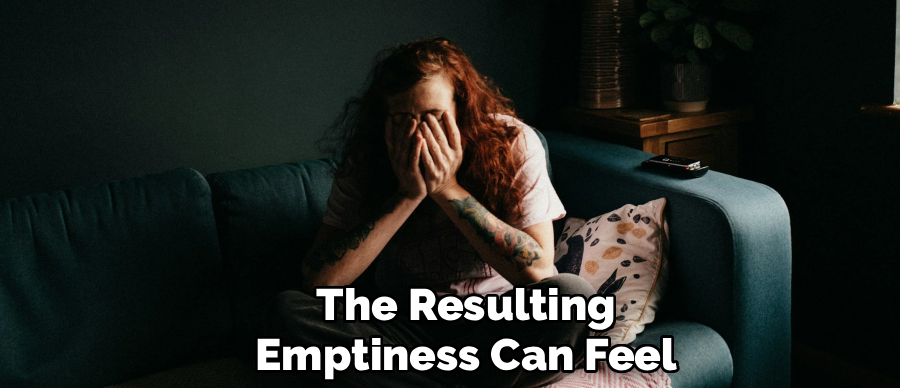
Your old routine was likely built around your relationship—good morning texts, shared dinners, or weekend plans. When that structure disappears, the resulting emptiness can feel overwhelming. Combat this by designing a new daily schedule that revolves entirely around your needs. Wake up early to meditate, take a different route to work, or dedicate your evenings to reading or exercising. A new routine provides stability and signals to your brain that a fresh, positive chapter has begun.
Step 5: Lean Hard on Your Support System
You do not have to figure out who you are in total isolation. Reconnecting with friends and family reminds you of your value outside of a romantic context. Spend time with the people who have known you the longest; they often remember the best parts of you when you forget them. Plan coffee dates, host movie nights, or simply call a friend when you feel lonely. A strong community provides a mirror, reflecting your true personality back to you during moments of self-doubt.
Step 6: Step Far Outside Your Comfort Zone
One of the fastest ways to discover who you are is to try things you have never done before. Without a partner’s preferences holding you back, you have complete freedom to experiment. Take a solo trip, sign up for a pottery class, join a local sports league, or try a cuisine you have always been curious about. Stepping outside your comfort zone forces you to rely on your own instincts. You will learn new things about your likes, dislikes, and capabilities.
Step 7: Practice Radical Self-Compassion
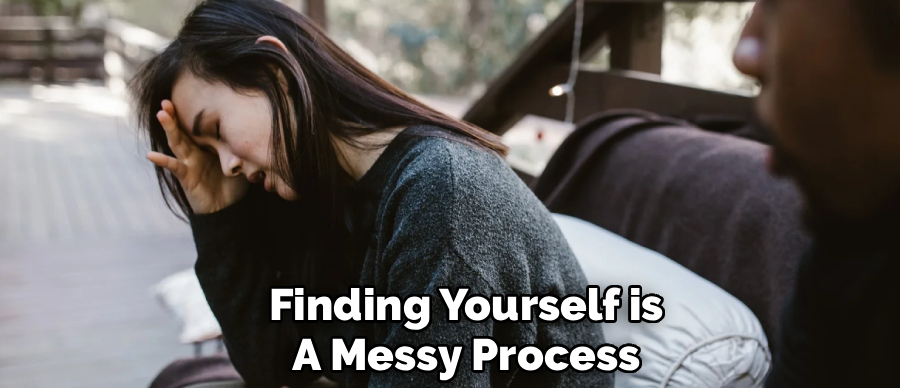
Finding yourself is a messy process. Some days you will feel incredibly empowered, and other days you might find yourself crying over a commercial. Practice self-compassion by speaking to yourself the way you would speak to a best friend. Forgive yourself for moments of weakness. Recognize that rebuilding an identity takes immense energy. When negative thoughts creep in, gently redirect them. Celebrate the small victories, like getting out of bed or cooking a healthy meal, and be gentle with your heart.
Step 8: Reflect on the Relationship Objectively
Once the initial sting of the breakup fades, take time to analyze the relationship with a clear mind. Grab your journal and write down what worked and what definitely did not. What boundaries did you let slip? What red flags did you ignore? This step is not about assigning blame; it is about gathering data. Understanding your past behavior helps you define what you truly value in life and in future partnerships, ensuring you stay true to yourself moving forward.
Step 9: Prioritize Your Physical and Mental Health
Your mind and body are deeply connected. To find yourself mentally, you must care for yourself physically. Exercise releases endorphins that naturally boost your mood and clear mental fog. Eat nourishing foods that give you energy rather than relying on comfort junk food. Sleep at least seven to eight hours a night. Consider speaking to a therapist to help untangle complex emotions. When you feel strong and healthy physically, you have the stamina required to do the heavy lifting of emotional self-discovery.
Step 10: Visualize and Plan Your Ideal Future
Now that you have a blank canvas, what do you want to paint? Spend time daydreaming about a future that excites you. Do you want to switch careers, move to a new city, or focus heavily on a creative pursuit? Write down specific, achievable goals for the next month, six months, and a year.

Having a vision gives you direction and purpose. When you actively work toward a future you designed, you solidify your new, independent identity and take full ownership of your life’s trajectory.
5 Things You Should Avoid
As you work through your healing process, avoid these common traps that can derail your progress:
- Stalking Their Social Media: Constantly checking up on your ex keeps you tethered to the past and prevents you from focusing on your own life.
- Rushing into a Rebound Relationship: Jumping into a new romance immediately prevents you from doing the necessary work to heal and discover your independent self.
- Isolating Yourself: While alone time is necessary, completely withdrawing from friends and family can lead to deep depression and loneliness.
- Engaging in Negative Self-Talk: Blaming yourself for the breakup or calling yourself unlovable damages your self-esteem and halts personal growth.
- Seeking Closure from Your Ex: True closure comes from within. Relying on your ex for answers gives them the power over your healing journey.
Conclusion
How to find myself after a breakup is a challenging but beautiful journey. It requires patience, courage, and a willingness to face the unknown. Remember that the pain you are feeling right now is temporary, but the strength and self-knowledge you build during this time will last a lifetime.
By allowing yourself to grieve, establishing new routines, and leaning into your passions, you are actively laying the foundation for a vibrant, independent life. You have the power to write this next chapter exactly how you want it.
Take a deep breath, trust the process, and step confidently into the process of meeting yourself all over again.

About
Joe Herman is a distinguished figure in the world of personal development, with a decade of expertise creating innovative and sustainable self-improvement frameworks. His professional focus lies in merging cognitive behavioral strategies with modern productivity techniques, fostering habits that are both practical and mentally sustainable. As the lead author of selfvity, Joe Herman delves into the art and science of human potential, inspiring individuals and industry professionals alike to optimize their daily lives.
Education
Stanford University
(Stanford, California) Associate Degree in Behavioral Psychology — Focus on habit formation, cognitive restructuring, and peak performance. Gained hands-on experience with psychological assessment tools and data-driven behavioral modification.
University of Pennsylvania
(Philadelphia, Pennsylvania) Bachelor’s in Positive Psychology and Human Potential (Honors) — Specialized in the science of well-being with a focus on blending psychological theory with actionable growth techniques. Participated in extensive research projects, working with leading wellness consultants to gain real-world insights into human motivation.
Publications and Impact
In selfvity, Joe Herman shares his insights on internal growth processes, mental material, and strategies for efficient lifestyle design. His writing bridges the gap between scientific research and everyday application, making it a must-read for both individuals seeking personal clarity and seasoned professionals looking to refine their mental edge.




