Going through a difficult time can leave us with physical and emotional scars. If you are navigating the journey of healing from self-harm, you might find yourself in situations where you need privacy.
Whether you are attending a family gathering, going to work, or simply stepping out into public, the desire to keep your experiences private is completely valid. Managing your privacy gives you control over your story and allows you to share your journey only with those you trust, on your own terms.
This guide on how to hide self harm cuts is written with deep empathy and understanding. There is no judgment here—only support for your path to healing. While navigating these moments, please remember that you are not alone, and seeking professional help from a therapist or a trusted medical professional is always a brave and worthwhile step.
What are the Benefits?
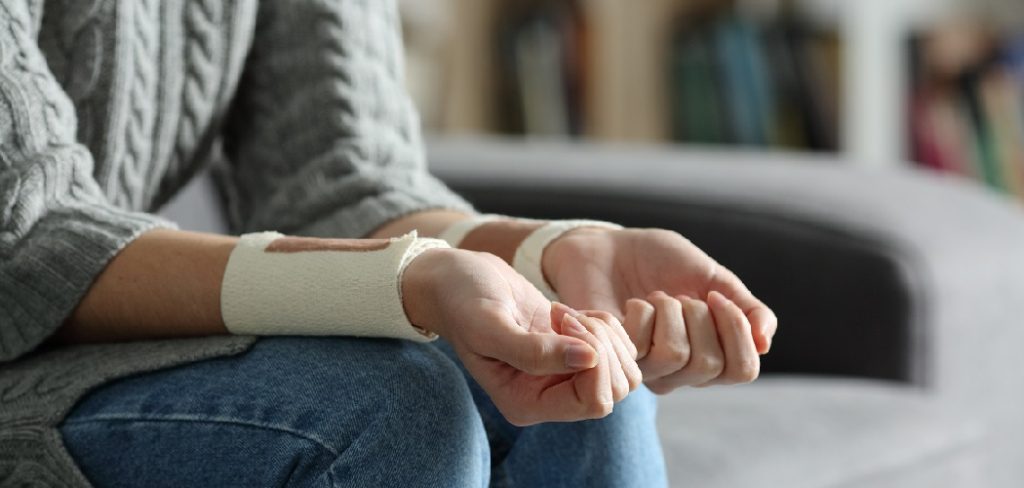
Choosing to conceal cuts or scars can offer several benefits as you navigate your personal healing journey. First and foremost, it provides you with a sense of control and privacy. You get to decide who knows about your struggles and when you are ready to discuss them. This can significantly reduce anxiety in social situations, allowing you to focus on the present moment rather than worrying about unwanted questions or stares.
Additionally, keeping wounds covered properly can protect them from the sun and environmental elements, which aids in the physical healing process and minimizes long-term scarring. It also gives you the mental space to heal without the pressure of outside opinions. Ultimately, the biggest benefit is your comfort and peace of mind as you take the necessary steps toward recovery and wellness.
What Will You Need?
To effectively and safely conceal cuts or scars, you will need a few essential items. Having these on hand will make the process easier and less stressful:
- First Aid Supplies: Clean bandages, sterile gauze, and gentle medical tape. Always prioritize healing and keeping open wounds clean to prevent infection.
- Breathable Clothing: Long-sleeved shirts, light cardigans, and pants made from breathable fabrics like cotton or linen.
- Accessories: Wide bracelets, wristbands, watches, or lightweight scarves.
- Makeup (for closed, healed scars only): Color-correcting concealer (green for redness, peach for dark spots), a high-coverage foundation matching your skin tone, and setting powder.
- Skincare: Unscented moisturizer, sunscreen, and scar-healing ointments (like silicone gel).
- A Support System: While not a physical item, having a trusted friend, counselor, or helpline saved in your phone is the most important tool you can have.
10 Easy Steps on How to Hide Self Harm Cuts
Step 1: Prioritize First Aid and Wound Care
Before attempting to hide any cuts, your immediate priority must be health and safety. Clean the area gently with mild soap and lukewarm water. Pat it dry with a clean towel; do not rub. Apply a thin layer of antibacterial ointment if the wound is fresh, and cover it with a sterile bandage. Never apply makeup or tight, abrasive clothing directly over open or unhealed wounds, as this can cause severe infections and delay the healing process. Your physical safety always comes first.
Step 2: Utilize Strategic Clothing Choices
Clothing is one of the easiest and most comfortable ways to maintain privacy. Depending on the weather, long-sleeved shirts, lightweight sweaters, and long pants can easily cover areas you wish to keep hidden. In warmer months, look for breathable, loose-fitting fabrics like linen or thin cotton. You can also layer clothing, such as wearing a light, unbuttoned flannel or a sheer kimono over a short-sleeved shirt. This provides coverage without causing you to overheat, keeping you comfortable throughout the day.
Step 3: Use Accessories to Your Advantage
If you have marks on your wrists or lower arms, accessories can be a fantastic and stylish way to conceal them. A wide leather watch band, stacked bracelets, or thick fabric wristbands can easily cover small areas. Scrunchies worn around the wrist are also very common and do not draw any unusual attention. For the neck or upper chest, lightweight scarves or statement necklaces can provide the coverage you need while blending seamlessly into your everyday wardrobe.
Step 4: Choose the Right Bandages
When you need to wear bandages but want them to be less noticeable, look for flesh-toned or transparent medical dressings. There are many options available in drugstores designed to blend in with various skin tones. If someone asks about the bandage, you can simply say you scratched yourself on a branch, had a minor cooking accident, or got scraped by a pet. Having a brief, casual explanation ready can help alleviate anxiety if someone happens to notice.

Step 5: Apply Color-Correcting Makeup (For Healed Scars)
Once a wound is completely closed and healed into a scar, you can use makeup to camouflage it. Scars often have different undertones than your natural skin. If the scar is red, use a green color-correcting concealer to neutralize the redness. If the scar is purple or dark, a peach or orange color corrector will work best. Gently dab the color corrector over the scar using a clean makeup sponge or your finger, blending the edges outward so it sits seamlessly on the skin.
Step 6: Apply High-Coverage Foundation or Concealer
After neutralizing the color, apply a high-coverage concealer or foundation that perfectly matches your skin tone. Dermablend or theatrical makeup brands often offer incredible coverage designed specifically for scars and tattoos. Tap the product over the color-corrected area gently. Do not rub or swipe, as this will remove the color corrector underneath. Build the coverage in thin layers until you achieve the desired look, ensuring the edges fade naturally into your surrounding skin.
Step 7: Set the Makeup for Long-Lasting Wear
To ensure your makeup does not rub off on your clothing or fade throughout the day, it is crucial to set it properly. Use a fluffy brush to press a generous amount of translucent setting powder over the concealed area. Let it sit for a moment, then gently dust off the excess. For extra security, especially on hot days or if you will be active, spray a long-lasting makeup setting spray over the area. This creates a barrier that helps the camouflage last for hours.

Step 8: Try Temporary Tattoos or Henna
For older, healed scars, temporary tattoos or henna designs can be a beautiful and creative way to cover them up. There are thousands of realistic temporary tattoo designs available online that can be applied with just a little water. Henna paste can be used to draw intricate, beautiful patterns over the skin. Not only does this effectively hide what is underneath, but it also allows you to express your personal style and turns the area into a piece of temporary art.
Step 9: Use Silicone Scar Sheets for Gradual Fading
If you are looking for a way to treat and cover scars simultaneously, silicone scar sheets are an excellent option. These sheets are widely recommended by dermatologists for flattening and fading scars over time. Many of them come in a flesh-toned color, providing an immediate physical barrier that hides the scar while you wear it. They are comfortable, can be worn under clothing without catching, and actively work to improve the skin’s texture and appearance during your recovery.
Step 10: Practice Self-Compassion and Seek Support
The final and most important step in this process is how you treat yourself. Hiding cuts can be emotionally exhausting. Be gentle with yourself and recognize that you are doing the best you can in a difficult situation. Use this time of privacy to focus on your internal healing. Reach out to a mental health professional, a counselor, or a trusted loved one. Healing happens from the inside out, and finding safe spaces to talk about your feelings is a critical part of the journey.
Frequently Asked Questions
- Can I Swim With Fresh Cuts if I Cover Them?
It is highly recommended to avoid public pools, lakes, or oceans if you have open wounds, as bacteria in the water can easily cause severe infections. If you must swim, wait until the skin has completely closed and healed over. For fully closed scars, waterproof makeup or wearing a rash guard can provide excellent coverage while swimming. Prioritize your physical health and safety above all else. Always clean the area thoroughly after any water activities. - How Long Does It Take for a Scar to Fade Naturally?
The natural fading process of a scar varies wildly depending on your skin type, genetics, and the depth of the initial wound. Generally, scars go through a period of redness and inflammation before they begin to turn white or match your skin tone. This process can take anywhere from six months to two years to complete. Using sun protection and over-the-counter scar treatments can help speed up this timeline. Be patient with your body as it does the hard work of healing itself. - What Do I Say if Someone Notices My Scars and Asks About Them?
You are never obligated to share your personal struggles with anyone unless you choose to do so. If someone asks, you can give a brief, polite deflection such as, “I had an accident, but I’m fine now,” or “I’d rather not talk about it, thanks.” If they press the issue, firmly but gently change the subject to set a boundary. Remember that your story belongs to you alone. You hold the power to decide who gets to hear it and when the time is right.
Conclusion
Navigating the aftermath of a difficult emotional period takes immense strength. Choosing to keep your cuts and scars private is a valid way to protect your peace as you move forward. By utilizing smart clothing choices, helpful accessories, and safe cosmetic techniques, you can step out into the world feeling more comfortable and secure in your own skin.
Always remember that safety comes first. Proper wound care prevents infection and sets the stage for better physical healing. More importantly, take time to focus on your emotional well-being. The marks on your skin do not define your worth, your future, or your capability to find joy.
Hopefully, this guide on how to hide self harm cuts has provided you with valuable tips and insights on how to navigate life after self-harm.

About
Joe Herman is a distinguished figure in the world of personal development, with a decade of expertise creating innovative and sustainable self-improvement frameworks. His professional focus lies in merging cognitive behavioral strategies with modern productivity techniques, fostering habits that are both practical and mentally sustainable. As the lead author of selfvity, Joe Herman delves into the art and science of human potential, inspiring individuals and industry professionals alike to optimize their daily lives.
Education
Stanford University
(Stanford, California) Associate Degree in Behavioral Psychology — Focus on habit formation, cognitive restructuring, and peak performance. Gained hands-on experience with psychological assessment tools and data-driven behavioral modification.
University of Pennsylvania
(Philadelphia, Pennsylvania) Bachelor’s in Positive Psychology and Human Potential (Honors) — Specialized in the science of well-being with a focus on blending psychological theory with actionable growth techniques. Participated in extensive research projects, working with leading wellness consultants to gain real-world insights into human motivation.
Publications and Impact
In selfvity, Joe Herman shares his insights on internal growth processes, mental material, and strategies for efficient lifestyle design. His writing bridges the gap between scientific research and everyday application, making it a must-read for both individuals seeking personal clarity and seasoned professionals looking to refine their mental edge.