No matter who you are or what keeps you up at night, a long, restless evening can start to feel endless. It’s unsettling how quickly your mind spirals when you’ve been staring at the ceiling since midnight, fully awake while the rest of the world drifts off. Some folks reach for medication or hope that counting sheep will eventually work. Others resign themselves to bleary mornings. I’ve never entirely trusted quick fixes, so I started looking for something less drastic and closer to nature. Lavender oil—quietly famous in some circles, yet strangely overlooked in others—might have a place in the bedtime lineup. It’s said to engage the nervous system gently, coaxing the heart rate and mind down toward rest.
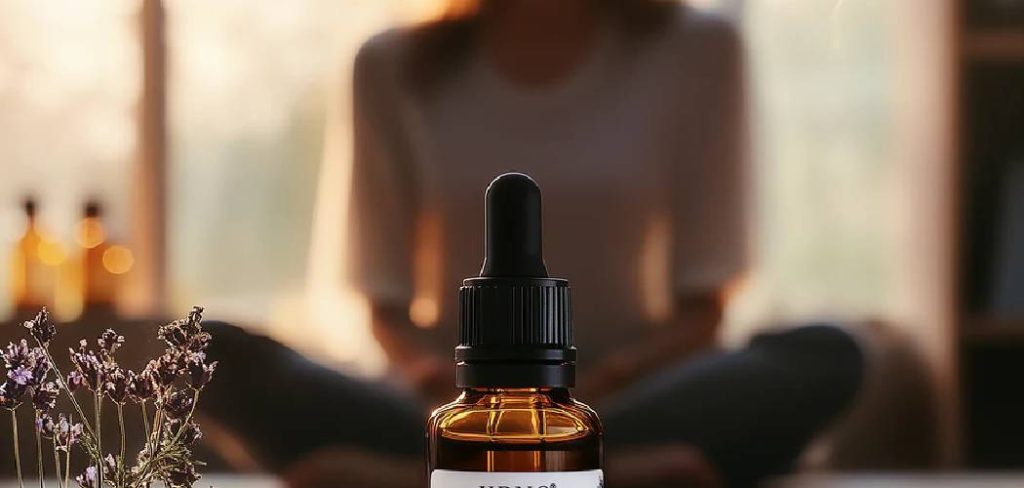
But does it actually help, or is it just wishful thinking bottled up in a tiny vial? Something about it feels promising: unlike a sleeping pill, lavender carries with it no threat of a hangover or grogginess. Still, approaching these things with a bit of skepticism never hurts. There are a few particular methods you might try if you’re hoping for a more peaceful evening—and it’s worth being deliberate about how you go about it. In this guide on how to use lavender oil for sleep
Tools and Materials You’ll Need
To start, gather your equipment. This doesn’t need to be a production; there’s no sense in overcomplicating things, but a little preparation smooths the process. Here’s what tends to work best:
- One bottle of pure lavender essential oil (Lavandula angustifolia is what you want; skip the synthetics)
- Any high-quality carrier oil: jojoba and sweet almond show up regularly in guides, but coconut oil can work too
- An ultrasonic diffuser (the kind you plug in and let do its thing)
- A glass spray bottle—if it’s amber or cobalt, so much the better, as that helps protect the oil
- Some distilled water and a splash of witch hazel
- Organic cotton pads or regular cotton balls
7 Practical Techniques on How to Use Lavender Oil for Sleep
Step 1: Choose Real Lavender, Not a Knockoff
Let’s be candid: it’s painfully easy to get tricked at the drugstore. Most of those “lavender-scented” oils you find aren’t actually lavender at all. If it’s cheap and smells vaguely like a bath bomb, it’s likely lab-made perfume and not what you’re after. The bottle should say Lavandula angustifolia, and the ingredients list shouldn’t include anything extra. Sourcing matters too—oils in dark glass bottles (never clear plastic) have a fighting chance of surviving on a bedroom shelf. Labels might also mention organic farming, which, though imperfect, at least minimizes your exposure to agricultural chemicals. If you’re going to give this remedy a fair shot, authenticity is worth the slight inconvenience.

Step 2: Make a Custom Lavender Linen Spray
For those who crave a mild, steady scent (and who doesn’t, if they’re using this to sleep?), a linen spray might be appealing. The instructions are simple but feel purposeful: combine about two ounces of distilled water and an ounce of witch hazel in your spray bottle. Witch hazel encourages oil and water to mingle, so you can skip frantic shaking each night. Drop in somewhere between fifteen and twenty drops of lavender oil. Secure the lid, then give it a thorough shake until it looks nicely mixed.
About ten minutes before bed, lightly mist your pillow and sheets. You don’t need to saturate the fabric—just enough for a trace of scent to linger. The crucial point is not to turn your room into a fragrance shop; subtlety is part of the trick. Supposedly, aromatic molecules waft up toward your limbic system (the emotional command center), quietly signalling that it’s time to unwind. I can’t claim to have measured my own pulse while inhaling, but there’s an undeniable sense of softness that follows.
Step 3: Use a Diffuser (But Don’t Overdo It)
Diffusers are everywhere these days. Their popularity is understandable: all you do is add water, tip in five to eight drops of the oil, and wait as the mist gradually fills the room. Place it near your bed, out of reach of wandering cats or hands eager to knock things over at midnight. Start the machine about half an hour before sleep—any longer and the effect may become overpowering, or you’ll forget it’s even running.
Some models turn off on their own after a set time, which is a sensible feature. You probably don’t want the aroma lingering for hours, and air that’s too heavily scented often crosses the line from soothing to cloying. When used briefly and sensibly, the scent might nudge your body gently toward sleep, though expectations should remain in check. It’s not magic, but it can foster the right environment.

Step 4: Topical Use—But Only If Diluted
It can be tempting to dab a drop or two of lavender oil straight onto your skin, but that’s asking for redness, itching, or worse. Don’t. Essential oils are concentrated to the point of being harsh. Instead, blend three to five drops with a tablespoon of your chosen carrier oil. This mix will stretch surprisingly far.
Massage a little of the diluted mixture onto your wrists, behind your ears, or along your neck. These spots are warm and close to blood vessels; some people say this helps the scent travel and linger. As you rub the oil in, you may notice tension falling away—not just from the lavender, but from the tactile act itself. Sometimes, the smallest rituals become the most calming.
Step 5: Try It in the Bath
A hot bath is already a well-loved sleep cue, so adding lavender is more a gentle upgrade than a radical change. But be cautious: oils don’t mix well with plain water. To avoid skin irritation, either stir ten drops of lavender oil into a tablespoon of carrier oil, or add the oil to a cup of Epsom salts and dissolve that into your bathwater.
Aim to soak for at least twenty minutes, perhaps an hour before bed. As you breathe in the steam and warmth, you may notice your muscles loosen. Some suggest this small drop in body temperature upon leaving the bath signals to your brain that sleep is imminent. Whether or not you buy into circadian theories, the post-bath heaviness in your limbs is hard to dismiss.

Step 6: Old-Fashioned Cotton Ball Trick
If gadgets and elaborate sprays sound tiring rather than restful, the cotton ball approach has its fans. Drop a few (three or four should do) drops of oil onto a clean cotton pad. Slip it into your pillowcase or leave it on your nightstand, and let the fragrance quietly waft nearby.
There are no electronics or dilution ratios to fuss over, and the scent remains contained. If it’s too strong, move the pad farther away. This method works especially well when traveling or dealing with unfamiliar beds; the familiar aroma acts as a kind of portable comfort. Simplicity, on some nights, turns out to be enough.
Step 7: Foot Massage for the Skeptics
Some traditions—reflexology, in particular—link sleep and well-being to the soles of the feet. While the scientific basis is debatable, massaging your feet before bed is unarguably relaxing. Add five drops of lavender oil to your usual carrier, mix well, and use slow, deliberate movements on heels, arches, and toes.
The thick skin here is less likely to react, and if nothing else, the act signals that the day is over. Slip on clean socks afterward to avoid greasing your sheets and to keep your feet—and possibly your thoughts—warm. Whether this draws blood away from your busy mind (as some claim) is up for debate, but the ritual itself can mark a boundary between wakefulness and rest.
Following these steps on how to use lavender oil for sleep can help promote relaxation and better sleep. Additionally, incorporating other calming activities such as meditation or reading before bed can further enhance the effects of lavender oil.

What Not To Do: A Few Cautionary Notes?
Perhaps it goes without saying, but a bit of restraint is wise when handling any essential oil. Never use it undiluted on skin; the risk of burns or allergic reactions is very real. Steer clear of dirt-cheap “lavender” oils from unknown sources—these typically contain nothing but artificial chemicals. Don’t let diffusers run for hours in a closed, unventilated room.
Overexposure, no matter how pleasant the scent, can lead to headaches and, in worst cases, sensitivity over time. And avoid contact with eyes or sensitive mucous membranes. Painful lessons, all avoidable.
Streamlining Your Routine (So It Actually Sticks)
The best routines are the ones you’ll actually remember to do. Leave your linen spray where you brush your teeth. If you’re a reader, link the calming scent with the moment you open your book. You’re not reprogramming your life—just creating a new cue for your brain.
Sooner than you expect, the smell alone may become a signal that it’s time to sleep. Subtle, but powerful all the same.
Quick Answers to Common Questions
Q1: Can You Use Lavender Oil Directly on Skin?
No. It’s far too concentrated for undiluted use. Blend it with a carrier—always.
Q2: How Much Oil Belongs in a Diffuser?
Usually, five to eight drops for a standard bedroom. Small rooms or sensitive noses may need less; err on the side of caution at first.
Q3: What About Pets?
Extra care is needed around animals, especially cats. Diffusing even small amounts in a closed room can harm them, so consult your vet and ensure your pet can always leave the room.
Where to Begin: Gentle Changes, Real Rest
Good sleep rarely arrives by force or accident. Most of the time, simple interventions—ones that respect your body’s own rhythm—work better than drastic overhauls. If you’re curious whether lavender oil can help you fall asleep, pick one or two methods and try them for a week. No need to go all in at once.
Give the habit some time. You might just find—on a night when you least expect it—that drifting off becomes a little bit easier. Thanks for reading this guide on how to use lavender oil for sleep.

About
Joe Herman is a distinguished figure in the world of personal development, with a decade of expertise creating innovative and sustainable self-improvement frameworks. His professional focus lies in merging cognitive behavioral strategies with modern productivity techniques, fostering habits that are both practical and mentally sustainable. As the lead author of selfvity, Joe Herman delves into the art and science of human potential, inspiring individuals and industry professionals alike to optimize their daily lives.
Education
Stanford University
(Stanford, California) Associate Degree in Behavioral Psychology — Focus on habit formation, cognitive restructuring, and peak performance. Gained hands-on experience with psychological assessment tools and data-driven behavioral modification.
University of Pennsylvania
(Philadelphia, Pennsylvania) Bachelor’s in Positive Psychology and Human Potential (Honors) — Specialized in the science of well-being with a focus on blending psychological theory with actionable growth techniques. Participated in extensive research projects, working with leading wellness consultants to gain real-world insights into human motivation.
Publications and Impact
In selfvity, Joe Herman shares his insights on internal growth processes, mental material, and strategies for efficient lifestyle design. His writing bridges the gap between scientific research and everyday application, making it a must-read for both individuals seeking personal clarity and seasoned professionals looking to refine their mental edge.