You glance in the mirror, not quite awake, and suddenly, your face is puffy, awkwardly full, softer than you remember it being the night before. There goes your confidence, at least for the morning. If this scene sounds familiar, you’re not alone. Facial puffiness, especially first thing in the morning, visits nearly everyone—sometimes for reasons that aren’t immediately clear.
Yet, it would be misleading to suggest there’s always a magical solution. Some mornings are just like that; a combination of sleep quality, diet, and the laws of fluids at rest conspires against you. Still, there’s useful ground to cover. A few practical approaches, used mindfully and consistently, really do seem to help minimize that swelling, giving you a better shot at facing the day with a bit more energy—and even a fresher look. In this guide on how to reduce face puffiness in the morning, we will explore some of these strategies.
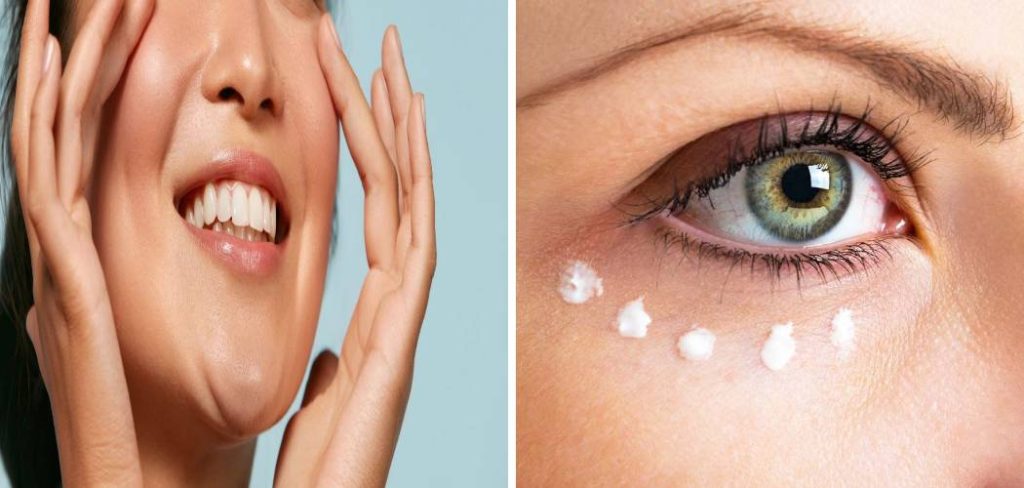
What Causes Facial Puffiness?
If you want to tackle morning puffiness head-on, you’ll need a basic sense of what’s actually causing it. Most authorities point to overnight fluid retention as the culprit. When you lie down for hours, gravity does what gravity does: fluids sink and collect in the parts of your face that, during an upright day, look just fine. Your lymphatic system is supposed to sweep the excess away, but a static, horizontal night leaves it a bit sluggish.
Of course, blaming gravity only gets you so far. Your choices—what you eat, how much you sleep, even what you drink—can tip the scales dramatically. Salty food late at night? You can almost count on puffy cheeks. Alcohol before bed, oddly, may do the trick too: dehydration prompts your body to clamp down and save whatever water it can, flooding your face in the process. Other factors—like seasonal allergies, the odd cry before sleeping, hormonal swings that sneak up every cycle, or chronic sleep deficits—often pile on. Noticing and honestly tracking these patterns is a quiet, unglamorous way to regain some control.
7 Practical Guide on How to Reduce Face Puffiness in the Morning
Step 1. Hydrate Right After Waking
It always seems counterintuitive, but drinking water soon after you get up? That can make a difference. When you’re short on water—after eight hours of no drinks—your body may trap what it has, leading to the all-too-familiar swelling. A glass of room-temperature water, maybe with a quick squeeze of lemon, sends a simple message: it’s safe to let go. Lemon, incidentally, is thought to offer a slight diuretic effect, but whether this is profound or just tradition is debatable. Still, the ritual often helps, and over time, people notice their skin looking just a bit clearer, a little healthier—nothing miraculous, perhaps, but not trivial either.

Step 2. Use Something Cold on Your Face
Cold exposure is the fastest shortcut most people rely on. Even a chilled spoon pressed against the skin can take out the initial swelling—constricting those blood vessels and sending fluids back toward their proper places. An ice roller has become a cosmetic staple, but anything cold and clean (a damp washcloth, a gel mask, a couple of spoons from the freezer) will do. The process matters more than the gadget: gently sweep from the center of your face outward. It’s oddly satisfying and wakes you up, too—a fringe benefit.
Step 3. Try Gentle Lymphatic Massage
The lymph system doesn’t pump itself; it’s a passive, meandering network that welcomes a little encouragement. Spend three minutes, maybe five, sliding fingertips or a gua sha stone across your face, always moving outward and transferring gentle pressure down your neck. A few drops of light oil or moisturizer help your hands glide smoothly. The downward strokes matter most—sending fluids into pathways that will eventually carry them away. If you’re expecting Botox-level sculpting, you’ll be disappointed, but many people find subtle, real improvement this way.

Step 4. Prop Up Your Head at Night
A small pillow change or a pillow wedge is more important than it sounds, mainly because gravity is relentless. Sleeping flat encourages fluids to settle; a modest incline helps them drain down. This isn’t about sleeping like you’re in a dentist’s chair—just a little elevation is often enough. Those who can’t manage an extra pillow sometimes resort to sliding something under their mattress at the head. Whatever the setup, the goal is comfort with a side effect of less facial puffiness in the morning.
Step 5. Look for Skincare with Caffeine or Green Tea
Targeted skincare is a mixed bag, but some ingredients are worth considering. Caffeine is known for tightening up blood vessels, and eye creams with caffeine can deliver a subtle de-swelling effect to the delicate skin below your eyes. Green tea is another favorite—its antioxidants and gentle anti-inflammatory properties may soothe sensitive, swollen skin. Are these miraculous? That’s a stretch. But used consistently, and if chilled first, they can make a modest but noticeable difference for many people.
Step 6. Wash Your Face with Cold Water
Don’t underestimate the power of tradition: splashing your face repeatedly with cold water is inexpensive and widely recommended. The chill shocks your skin, tightens surface vessels, and often makes sleep-creases and puffiness less obvious. Add a few ice cubes to your morning sink, if you can stand it. Most people find that 10 or 15 splashes do the trick, and then it’s time for a towel and a sense of accomplishment.
Step 7. Get Your Body Moving
Exercise might not be the first solution that comes to mind, but movement wakes the body’s drainage systems elegantly. Anything that quickens your heart—walking briskly, a short yoga flow, or a few sets of jumping jacks—activates lymphatic movement. No need for an hour-long sweat session; even 10 minutes helps. If yoga is your preference, postures like downward dog can increase flow to your face. The end result? As your circulation improves, so does your reflection in the mirror.
Following these steps on how to reduce face puffiness in the morning can not only help you feel more energized and refreshed, but also improve the appearance of your skin.

What Should You Skip?
Despite the abundance of advice online, certain practices nearly always make things worse. Salt-heavy foods at night don’t do anyone’s face any favors, nor do late-night processed snacks. Alcohol, despite its reputation for “unwinding,” may unpredictably lead to puffiness come sunrise.
Refined carbs—think sweet pastries or big bowls of white noodles—can be culprits, too. And, for all its comfort, sleeping flat on your stomach presses your face into the pillow, inviting both swelling and unattractive pillow lines.
When to Worry?
Most facial swelling is harmless, albeit annoying. But if it persists, becomes painful, or is paired with other odd symptoms—shortness of breath, major weight changes, redness, new tenderness—consider if something more serious is at play.
Allergies, thyroid imbalances, sinus infections, or kidney trouble sometimes present as facial swelling. Recognize patterns and, if doubt creeps in, consult someone trained to tell the difference.
Quick Routine: Streamline Your Morning
The best routines are the ones you’ll actually follow. For many, that starts with a glass of lemon water, a splash of cold water to the face, and a brief pass with an ice roller if there’s time. A swipe of eye cream, especially one with caffeine, can help perk things up.
Finish with a five-minute stretch or a short stroll. When you string these small habits together, you’re done in under ten minutes. Most will find the payoff—less swelling, more confidence—worth the effort.
Frequently Asked Questions
Q1: Does Poor Sleep Make Your Face Puffy?
There’s good evidence that a lack of restful sleep can lead to increased fluid under your eyes and elsewhere on your face. Stress hormones rise, blood vessels relax, and fluids can escape in to the tissue. The fix? Seven to eight hours of consistent, high-quality sleep does more for your face than almost any serum or gadget.
Q2: Are Gua Sha Tools Worth Trying?
People swear by gua sha for a reason. These smooth stones, when used gently, can help coax trapped fluids toward drainage points, slightly contouring the face if done right. Results aren’t permanent, but for those willing to invest a few minutes, the improvement feels real and immediate.
Q3: What If Diet Alone Doesn’t Help?
Sometimes, despite a textbook-healthy regimen, puffiness persists. Weight fluctuations, hormonal cycles, and even intense exercise can contribute to water retention. It’s also easy to overlook sheer hydration—drinking enough water helps your system flush out whatever it needs to get rid of.
Embrace a Fresher Morning Look
It’s tempting to see morning puffiness as an intractable flaw, something to hide or fight. In reality, with a bit of observation and a few realistic tweaks to your evening and morning routines, your reflection can change noticeably—and sometimes, your mood follows suit. You don’t have to overhaul your life: even two or three adjustments, like elevating your head and keeping chilled spoons in the freezer, can chip away at the problem.
Over time, as you observe what actually works for your body, those puffy mornings can fade into the background, replaced by a sense of readiness for whatever the day has planned. Thanks for reading this guide on how to reduce face puffiness in the morning.

About
Joe Herman is a distinguished figure in the world of personal development, with a decade of expertise creating innovative and sustainable self-improvement frameworks. His professional focus lies in merging cognitive behavioral strategies with modern productivity techniques, fostering habits that are both practical and mentally sustainable. As the lead author of selfvity, Joe Herman delves into the art and science of human potential, inspiring individuals and industry professionals alike to optimize their daily lives.
Education
Stanford University
(Stanford, California) Associate Degree in Behavioral Psychology — Focus on habit formation, cognitive restructuring, and peak performance. Gained hands-on experience with psychological assessment tools and data-driven behavioral modification.
University of Pennsylvania
(Philadelphia, Pennsylvania) Bachelor’s in Positive Psychology and Human Potential (Honors) — Specialized in the science of well-being with a focus on blending psychological theory with actionable growth techniques. Participated in extensive research projects, working with leading wellness consultants to gain real-world insights into human motivation.
Publications and Impact
In selfvity, Joe Herman shares his insights on internal growth processes, mental material, and strategies for efficient lifestyle design. His writing bridges the gap between scientific research and everyday application, making it a must-read for both individuals seeking personal clarity and seasoned professionals looking to refine their mental edge.