Let’s talk hips. Most people don’t give them a second thought—until something starts to ache, or a simple movement feels, well, not so simple. Yet, these are the muscles and joints that quietly support pretty much every step, squat, or sprint you take. When your hips are strong, life tends to be easier. Balance, posture, just moving through the day: all of it leans in some way on what’s happening down around that joint.
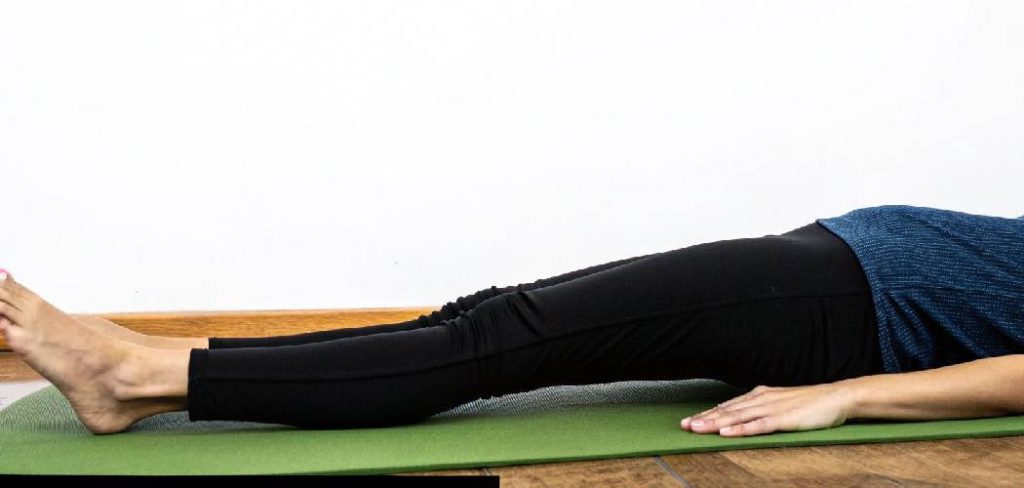
Here’s the odd part: nearly everyone ignores hip work until—ouch—a twinge or tightness grabs their attention. So, the question really is, why wait? Deliberate work on your hips now might help them outlast you, uncomplaining, for decades. In this guide on how to build hip strength, we’ll show you why and how to get started.
Understanding What’s at Stake: The Hip Muscles
If you pop open an anatomy book—or just poke around your own hips—you’ll find a rather busy intersection. Groups of muscles overlap, some acting as big movers, others merely providing balance or adjusting your angle by a hair. The glutes (those big muscles behind you) extend and turn out your thigh, while the flexors at the front pull your knee up, like marching.
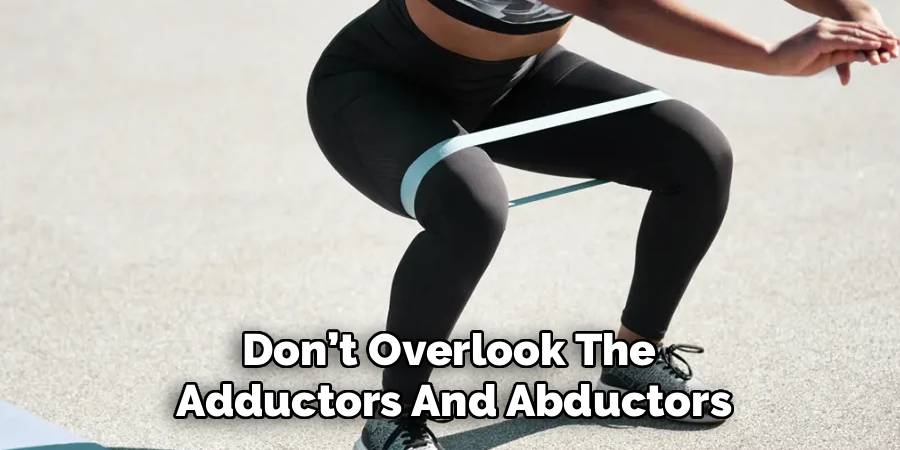
Don’t overlook the adductors and abductors—those inner and outer thigh muscles shifting your leg toward or away from your centerline. Appreciate how all of them talk to each other; you’ll get much more from targeted exercise with even a basic sense of this give-and-take.
Why Strong Hips Actually Matter?
It’s tempting to think, “I don’t run marathons—why train my hips?” Except the benefits often sneak up in unexpected ways. A sturdier hip complex might help buffer your knees or spine against that random stumble or heavy grocery bag. You might notice stairs feel less daunting. Perhaps you find yourself awkwardly jogging for the bus, the movement pain-free and easier than you remembered. There’s also the not-insignificant matter of keeping injuries at bay.
Good hips might absorb life’s shocks better, sparing your back or knees in the process. It’s a stretch to say strong hips will solve everything, but they do appear to help with a baffling number of daily tasks.
7 Simple Steps on How to Build Hip Strength
Step 1: Ease In—The Warm-Up (Don’t Skip This)
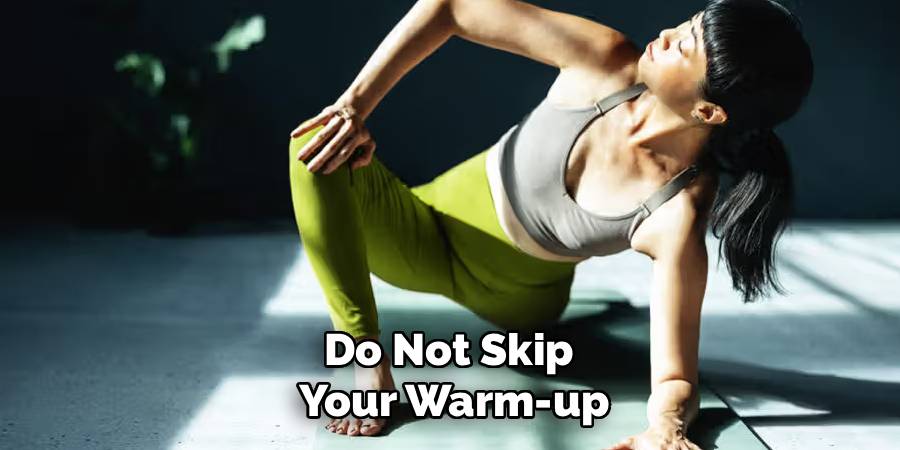
Here’s where enthusiasm can be dangerous. Skipping your warm-up because you feel fine? That’s usually a shortcut to strains you didn’t bargain for. Spend five to ten minutes with something that gets your heart up a notch—a quick walk, maybe some cycling. Then, invite your hips into the action: think loose leg swings, exaggerated high knees, circles traced with your knees or hips. The goal isn’t exhaustion; it’s signaling to your joints, “We’re about to ask a little more from you.”
It’s a small investment of time. But in my experience (and the grumbles of those who skipped), it pays back generously by reducing injuries and letting you move better right from the start.
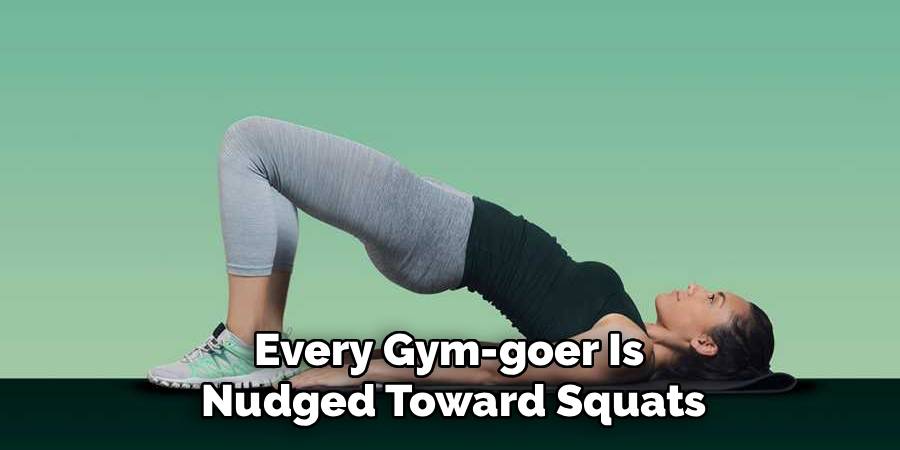
Step 2: The Glute Bridge—Old, Simple, Effective
Sometimes, the obvious exercises are best. The glute bridge does not require fancy equipment or athletic prowess—yet, with persistence, its effects go further than you’d expect. Lie on your back, knees bent, feet flat. Then drive through your heels, sending your hips upward as though lifting them toward the ceiling. At the top, pause. Squeeze those glutes hard; then return, slow and steady, to your mat.
People chained to their desks often find this one gives them a new lease on life—a subtle protest against too much sitting. As for sets and reps? Three rounds of fifteen, focusing on the movement rather than how quickly you’re done, usually does the trick. Resistance bands or a light weight across the pelvis (if you’re steady) can nudge things further when you’re ready.
Step 3: Basic, But Not Easy—The Squat
Every gym-goer is nudged toward squats, but anyone can learn from them. Position your feet a bit wider than your shoulders. Stand tall. Allow your gaze to wander ahead, and lower your body as though you’re about to perch on a barely-there chair. Those knees? Watch that they glide over, not beyond, your toes. Try to reach at least parallel with your thighs—deeper if your anatomy allows.
Getting back up—straightening through hips and legs—may feel challenging, but that’s the work. Newcomers, ignore the barbell for now; body weight is lesson enough at first. Two to four sets of roughly ten repetitions will be plenty; let your confidence and comfort dictate your pace.
Step 4: Lateral Band Walks—Side-to-Side for a Reason
Here’s where we step out of the ordinary (literally). The lateral band walk can be a humbling introduction to how much your hips influence stability. Loop a resistance band above your knees, maybe your ankles if you’re feeling strong. Sink into a shallow squat, then shuffle to the side, keeping tension on the band. Control is everything—don’t let your knees cave in or the band snap you back.
Ten steps each way, then reverse. It’s less glamorous than a squat, but the ache deep in your outer hip after a set or two speaks volumes. These little muscles, overlooked in big lifts, are insurance for your joints, especially if running or single-leg work is on your radar.
Step 5: Lunges—One Side at a Time
Lunges make demands on your balance and reveal weaknesses other moves can hide. Step forward, bend both knees—one nearly brushing the ground, the other (front) tracking above your ankle. Push back, repeat, switch legs. You can lunge forward, step backward, or even walk with each rep if there’s room.
The magic here? Each hip gets scrutinized and strengthened in turn. Try three rounds of ten or so per leg. You’ll likely notice one side handles things better—that’s normal and, with consistency, should even out in time.
Step 6: The Clamshell—Deceptively Simple
If you’ve spent any time in physical therapy, this next exercise might ring a bell. Lying on your side, knees stacked and bent, lift your top knee as high as comfortably possible—feet remain together. The movement is small, but the sensation in the hip tends not to be. Pause at the top, lower gently.
Fifteen to twenty reps for each side, performed with care, bring the outside of the hip to life. Eventually, adding a resistance band will meet your growing strength.
Step 7: Stretch and Actually Recover
Often, people see “stretch” and glaze over. But building strength without letting muscles lengthen, relax, and repair? That’s how you collect injuries. After you complete your session, try the pigeon stretch or kneeling hip flexor stretch—thirty seconds per side, slow breaths, let yourself unwind.
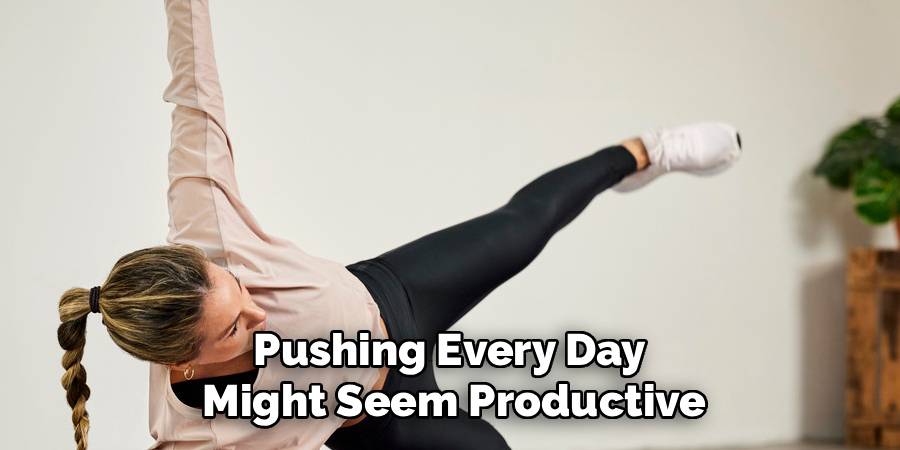
Foam rolling works too—think glutes, quads, IT band (though, be gentle—the IT band is stubborn tissue). Hydration and protein matter for muscle repair, and don’t underestimate the power of a restful night’s sleep. Pushing every day might seem productive, yet muscles (and motivation) tend to last longer when you allow proper recovery.
Following these steps on how to build hip strength will not only benefit your physical performance but also improve your overall health and well-being.
Common Mistakes: A Short List of Regrets
From what I’ve seen, most people err on the side of doing too much, too sloppily. Rushing reps, caving in the knees, disengaging the core—these shortcuts make the exercises less effective at best, dangerous at worst.
Skipping single-sided (unilateral) moves leaves one hip quietly lagging behind the other. Pushing carelessly through sharp or persistent pain rarely ends well.
For Beginners: Bridging the Gap
If you’re just getting started, the amount of weight you lift honestly matters far less than how you lift it. Get the form down; use only your body weight if you need to. Regularity—twice a week, maybe three times—matters more than ambition at first.
Listen for warning signs: fatigue should pass, but deep, lasting aches are worth respecting. Improvement, as much as we wish otherwise, does not happen overnight. Consistent, careful practice is more reliable than any shortcut.
The Everyday Habits That Shape Stronger Hips
It sneaks up on us: hours spent sitting can quietly undermine the best intentions. Standing desks, five-minute walk breaks each hour, mindful stretching—none of this sounds monumental, yet over months and years, the benefits may stack up.
It’s also worth mentioning food here: meals rich in proteins and vitamins do lend muscle a greater chance of rebuilding and staying functional. Carrying extra weight can tax the hips further, so keeping things in check as best you can, without obsession, matters.
When to Ask for Help?
Now and then, people worry about “pestering” a doctor. If your hip pain shoots down your leg or sticks around, don’t dismiss it as “just getting older.”
A trained eye—a physical therapist or physician—might spot structural issues or give you tailored advice that clears the problem before it becomes a fixture.
Questions People Actually Ask
Q1: How Often Is Enough?
Twice or three times a week seems to be the sweet spot for most individuals. It’s enough to challenge the area, but not so frantic that recovery falls behind. Let at least a day pass between big sessions.
Q2: Is Walking Enough?
Walking is nice. It will lubricate your joints, lift your spirits, maybe even gently engage your hips—but on its own, it is unlikely to add true strength. If building up muscle (and not just stamina) is your aim, add the resistance moves listed above.
Q3: Hips Popping—Danger Sign?
A painless pop? Often, it’s just a tendon or muscle snapping over bone. Annoying for some, harmless for most. If the sound is joined by pain or a stuck/catching sensation, though, that’s your cue to stop and get an expert opinion.
Final Thoughts—The Ongoing Process
There is no finish line here. Building and maintaining hip strength requires patience, the occasional reassessment, and a willingness to tinker when things plateau or ache.
Seven steps, as outlined in this guide on how to build hip strength, could provide structure, but your own body’s response—what feels better, what doesn’t—should guide your decisions. Start cautiously, keep at it, and your hips will likely reward your effort for years ahead.

About
Joe Herman is a distinguished figure in the world of personal development, with a decade of expertise creating innovative and sustainable self-improvement frameworks. His professional focus lies in merging cognitive behavioral strategies with modern productivity techniques, fostering habits that are both practical and mentally sustainable. As the lead author of selfvity, Joe Herman delves into the art and science of human potential, inspiring individuals and industry professionals alike to optimize their daily lives.
Education
Stanford University
(Stanford, California) Associate Degree in Behavioral Psychology — Focus on habit formation, cognitive restructuring, and peak performance. Gained hands-on experience with psychological assessment tools and data-driven behavioral modification.
University of Pennsylvania
(Philadelphia, Pennsylvania) Bachelor’s in Positive Psychology and Human Potential (Honors) — Specialized in the science of well-being with a focus on blending psychological theory with actionable growth techniques. Participated in extensive research projects, working with leading wellness consultants to gain real-world insights into human motivation.
Publications and Impact
In selfvity, Joe Herman shares his insights on internal growth processes, mental material, and strategies for efficient lifestyle design. His writing bridges the gap between scientific research and everyday application, making it a must-read for both individuals seeking personal clarity and seasoned professionals looking to refine their mental edge.