

The sheer frustration of tossing and turning at night often feels completely overwhelming. You lie awake, unable to quiet a racing mind or calm a restless physical form. Finding relief sometimes requires looking beyond traditional pharmaceutical interventions toward more elemental solutions.
Magnesium exists as a foundational mineral that a vast majority of the population seemingly lacks. It governs hundreds of biochemical reactions, yet our modern diets rarely provide an adequate supply. Transitioning to topical applications could offer a highly effective alternative to swallowing traditional pills.
Understanding exactly how to use magnesium oil for sleep might naturally relax your nervous system. This approach transforms a mundane nighttime routine into a highly targeted therapeutic practice. We will explore the underlying science of transdermal absorption, the most receptive application areas, and a clear method to encourage the deep rest you deserve.

The Science of Magnesium and Restful Sleep
Biochemical mechanics dictate how our bodies transition from waking alertness to deep rest. Magnesium appears to function as a primary biological off-switch for an overstimulated brain. The mineral operates quietly in the background to promote structural relaxation without heavy medical intervention.
Calming the Central Nervous System
The central nervous system relies heavily on specific neurotransmitters to regulate its internal speed. Magnesium binds directly to gamma-aminobutyric acid (GABA) receptors located throughout the brain. GABA acts as the primary inhibitory neurotransmitter responsible for slowing down frantic nerve activity.
When these receptors receive adequate mineral support, the mind tends to quiet itself naturally before bed. The reduction in neural excitability might prevent the cyclical, anxious thoughts that frequently cause insomnia. This biochemical shift provides a gentle transition into physical quietness.
Regulating Melatonin Production
Maintaining a healthy circadian rhythm dictates your long-term sleep architecture. The body requires sufficient mineral levels to successfully convert serotonin into melatonin. Melatonin, as you likely know, serves as the master hormone governing your sleep-wake cycle.
Without adequate raw materials, this hormonal conversion process stutters and fails. Providing the body with targeted mineral support could theoretically repair a broken biological clock. This internal regulation often results in fewer sudden awakenings during the early morning hours.
Why Choose Topical Applications Over Oral Supplements
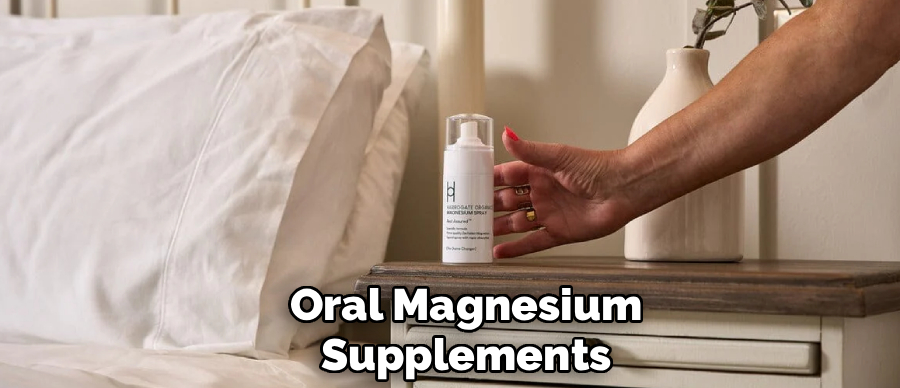
Swallowing a capsule remains the most common method for addressing nutritional deficiencies. However, oral supplementation is not always the most efficient path for this particular mineral. Transdermal, or topical, application bypasses several anatomical hurdles entirely.
Bypassing the Digestive Tract
Traditional oral magnesium supplements frequently trigger unintended gastrointestinal distress. High doses can pull excess water into the intestines, resulting in uncomfortable bloating or a sudden laxative effect. This digestive turbulence often disrupts the very sleep you are trying to improve.
Applying the oil directly to the skin completely avoids the digestive system. The stomach and intestines are entirely bypassed, eliminating the risk of internal upset. This allows for a higher concentration of the mineral to enter the body without negative side effects.
Rapid Absorption Rates
The dermal layer serves as a surprisingly efficient delivery vehicle for certain water-soluble compounds. The skin appears to absorb the magnesium chloride solution directly into the surrounding cellular tissues. This provides incredibly fast, localized relief for immediate physical complaints.
When muscle tension or nocturnal cramps strike, a topical spray acts almost immediately. The localized application forces the mineral exactly where the body needs it most. Oral supplements, by contrast, must undergo a lengthy processing cycle before reaching fatigued muscles.
Step-by-Step Guide on How to Use Magnesium Oil for Sleep
Establishing a reliable routine maximizes the potential benefits of any new therapeutic intervention. Haphazard application rarely yields the deep, consistent results required to fix chronic insomnia. Following these specific steps will demonstrate exactly how to use magnesium oil for sleep safely and effectively.
Step 1: Choose the Right Time Before Bed
Timing your application correctly sets the stage for a smooth physiological transition. You should aim to begin this routine roughly thirty to forty-five minutes before your head hits the pillow. This window allows the liquid to fully absorb into the epidermis.
Giving the mineral time to circulate ensures the nervous system begins calming down while you are still awake. It gently prepares the brain for rest rather than forcing a sudden shutdown. Patience during this phase is incredibly important.
Step 2: Prepare Your Skin
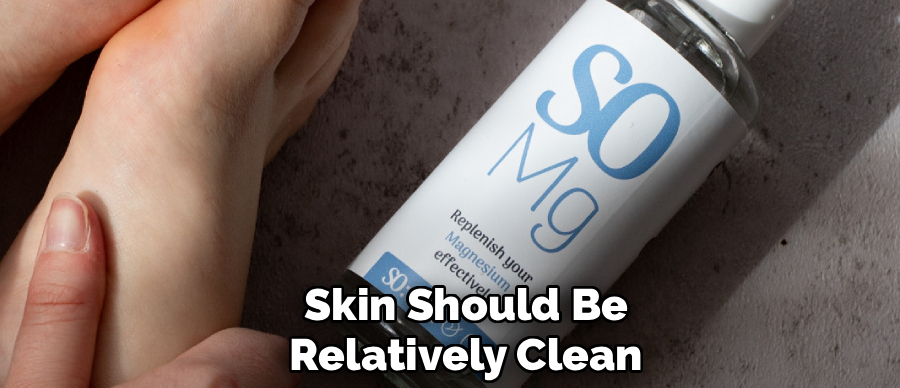
The physical state of your epidermis dictates how well the product will penetrate. Your skin should be relatively clean and entirely free of heavy cosmetic lotions or thick body butters. Heavy oils act as an impenetrable barrier that blocks the mineral solution from sinking in.
Applying the spray after a warm evening shower often produces the best results. The heat from the water gently opens your pores and increases localized blood flow. Open pores naturally absorb the slightly viscous liquid much more efficiently.
Step 3: Apply to Targeted Areas
Start the application process with a degree of physical restraint. Dispense five to ten sprays of the liquid onto your chosen target area. Beginners should always start with a smaller dose to observe how their specific skin type reacts.
You can easily build up to a larger dose once your body adjusts to the transdermal saturation. Spraying too much liquid at once simply results in a dripping mess that refuses to dry. Moderation prevents unnecessary waste and frustration.
Step 4: Massage Thoroughly
Do not simply spray the liquid and walk away. You must actively massage the solution into your skin using firm, circular motions. The gentle friction generated by your hands physically forces the liquid into the tissue.
Massaging also stimulates blood flow to the targeted muscle groups. Increased circulation accelerates the overall absorption process while manually relieving built-up physical tension. The tactile sensation of the massage itself acts as a calming pre-sleep ritual.
Step 5: Allow Time for Absorption
The liquid requires a brief resting period to completely vanish into the skin. Let the targeted area air dry for approximately twenty minutes before putting on tight pajamas. You might notice a slightly tacky or powdery residue left behind on the surface.
If this lingering residue bothers your sensory preferences, you can easily manage it. Gently wipe the dried area with a warm, damp washcloth to remove the excess salt. Alternatively, applying a natural shea butter directly over the dried application completely eliminates the sticky feeling.
Best Areas of the Body for Application
Where you apply the spray largely determines the specific type of relief you will experience. The human body varies greatly in dermal thickness and nerve density. Selecting the appropriate target area requires a bit of anatomical strategy.
The Soles of the Feet
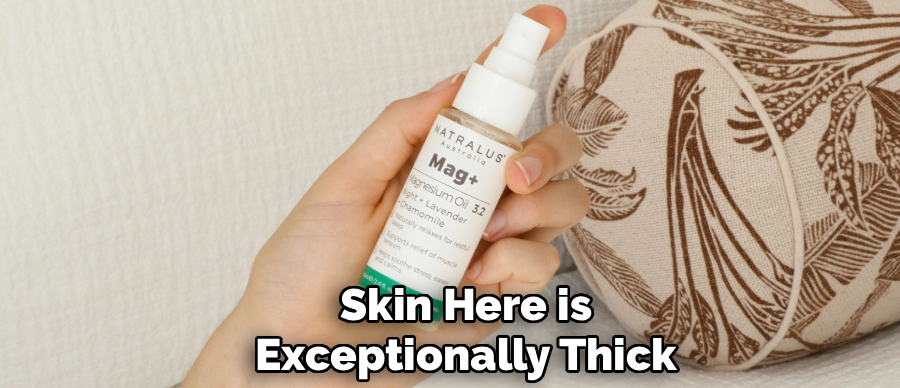
The bottoms of the feet represent a universally excellent starting point for beginners. The skin here is exceptionally thick and significantly less prone to the tingling sensation the spray sometimes causes. Furthermore, the feet feature remarkably large pores.
These large pores facilitate rapid, whole-body absorption without localized irritation. Massaging the soles also stimulates reflexology points connected to systemic relaxation. It remains the most popular application site for general anxiety reduction.
Legs and Calves for Muscle Cramps
Many individuals suffer from restless leg syndrome or sudden nocturnal muscle spasms. Applying the oil directly to the calves and thighs targets these specific mechanical misfires. The mineral quickly penetrates the muscle fascia to stop the frantic nerve signaling.
This localized approach usually halts a leg cramp within a matter of minutes. It provides a targeted physical intervention right at the source of the pain. Keeping a bottle on your nightstand offers profound peace of mind for those prone to sudden spasms.
Shoulders and Neck for Tension
Modern lifestyles force us to hold immense amounts of stress in our upper bodies. Sitting at a desk all day builds rigid tension in the trapezius muscles and the cervical spine. Massaging the oil into the back of the neck directly addresses this structural stiffness.
Releasing this specific tension frequently prevents the tension headaches that ruin a good night of rest. The warmth of the massage, combined with the muscle-relaxing mineral, literally softens the upper body. It allows the shoulders to finally drop away from the ears.
Managing the Common Magnesium Itch
Introducing a high-concentration mineral salt to the skin occasionally causes an unexpected sensory reaction. Addressing this common side effect prevents unnecessary alarm. Most people can easily overcome this temporary hurdle with a minor adjustment to their routine.
Why Tingling Occurs
Experiencing a sharp tingling or slightly itchy sensation is completely normal during the first few weeks of use. This sensation rarely indicates a true allergic reaction. Dermatologists suggest it is typically a sign of severe cellular mineral deficiency.
As the highly concentrated salt rapidly enters a depleted cell, it causes a brief neuro-sensory flare. The itch is essentially the nervous system reacting to a sudden influx of a missing nutrient. This reaction almost always fades as your internal stores gradually rebuild over time.
Dilution and Moisturization Techniques
You do not have to simply endure the itch if it becomes highly distracting. Diluting the spray with a small amount of pure, distilled water lowers the immediate intensity of the salt. This gentle modification makes the initial transition much more comfortable for sensitive skin.
Layering a thick, natural moisturizer over the application site also dampens the tingling sensation. A heavy ceramide cream provides a soothing physical barrier that calms the surface nerves. Your body will eventually adapt, allowing you to use the full-strength spray without hesitation.

Complementary Evening Habits to Maximize Benefits
Relying on a single topical intervention ignores the holistic nature of sleep architecture. Pairing this new physical habit with other calming practices creates an impenetrable nighttime ritual. The body responds best to a chorus of relaxing signals.
Creating a Wind-Down Routine
The mineral spray cannot outwork the negative effects of harsh environmental stimulation. You should actively dim artificial overhead lights and put away digital screens at least an hour before bed. Blue light actively suppresses the very melatonin production that the magnesium is trying to support.
Creating a dark, quiet environment gives the biological mechanisms a chance to function properly. Reading a physical book or practicing gentle stretching signals to the brain that the day is truly over. Consistency in this environment is just as important as the spray itself.
Pairing with Aromatherapy
Combining physical application with olfactory calmness deepens the sensory relaxation experience. You might seek out a magnesium spray explicitly infused with lavender or chamomile essential oils. The scent receptors in the nose bypass the logical brain, communicating directly with the emotional centers.
Diffusing a grounding scent in the bedroom further anchors this peaceful state. The combination of muscle relaxation and aromatic comfort proves highly effective for stressed individuals. It attacks the problem of insomnia from multiple biological angles simultaneously.
Important Safety Precautions and When to Avoid
While transdermal minerals are widely considered safe, they still demand basic physiological respect. Certain physical conditions require cautious observation or complete avoidance. Maintaining a responsible perspective protects your overall health.
Broken Skin and Shaving
You must strictly avoid applying the mineral spray to freshly shaved skin, open cuts, or minor abrasions. The solution is essentially a highly concentrated salt brine. Applying salt to an open micro-wound will sting intensely and cause unnecessary localized inflammation.
Always wait at least twelve hours after shaving your legs before using the spray on that specific area. If you possess a minor scratch, simply choose a different quadrant of the body for your nightly application. The mineral will still absorb systemically regardless of where it enters.
Kidney Conditions and Medical Advice
The human body relies on the kidneys to filter out excess minerals from the bloodstream. Individuals diagnosed with severe renal failure or chronic kidney disease face distinct challenges with mineral clearance. Adding external minerals could theoretically burden an already struggling filtration system.
If you take daily blood pressure medications or possess a known renal condition, you must consult your primary healthcare provider. A physician can help you determine if transdermal application aligns safely with your current medical protocol. Caution always remains the wisest approach to a new wellness routine.
Frequently Asked Questions
Adopting a new transdermal routine naturally generates a few practical concerns. Addressing these logistical realities helps establish a confident, sustainable nightly habit. The answers are usually quite straightforward.
Can I leave it on overnight?
Leaving the dried solution on your skin overnight is perfectly safe and highly beneficial. The mineral continues to absorb passively while you sleep. You only need to wash it off if the slight powdery residue actively irritates your sensory preferences.
How long does it take to work?
Localized muscle relaxation often occurs within ten to fifteen minutes of the initial massage. However, noticing a profound shift in your deep sleep architecture generally requires patience. It may take two to three weeks of consistent nightly use to rebuild severely depleted cellular stores.
Conclusion
Consistency remains the ultimate key to repairing a dysregulated nervous system and rebuilding depleted mineral stores. A single application might soothe a cramped calf, but nightly repetition fundamentally alters how your brain transitions into rest. You possess the ability to gently guide your body away from chronic nighttime anxiety.
Understanding exactly how to use magnesium oil for sleep provides you with a powerful, biologically appropriate tool to combat restless legs and generalized insomnia. It removes the necessity for harsh pharmaceutical interventions and respects the body’s natural rhythms. Pick up a bottle of high-quality spray, test the application method tonight, and prepare your environment for a deeply restorative slumber.

About
Joe Herman is a distinguished figure in the world of personal development, with a decade of expertise creating innovative and sustainable self-improvement frameworks. His professional focus lies in merging cognitive behavioral strategies with modern productivity techniques, fostering habits that are both practical and mentally sustainable. As the lead author of selfvity, Joe Herman delves into the art and science of human potential, inspiring individuals and industry professionals alike to optimize their daily lives.
Education
Stanford University
(Stanford, California) Associate Degree in Behavioral Psychology — Focus on habit formation, cognitive restructuring, and peak performance. Gained hands-on experience with psychological assessment tools and data-driven behavioral modification.
University of Pennsylvania
(Philadelphia, Pennsylvania) Bachelor’s in Positive Psychology and Human Potential (Honors) — Specialized in the science of well-being with a focus on blending psychological theory with actionable growth techniques. Participated in extensive research projects, working with leading wellness consultants to gain real-world insights into human motivation.
Publications and Impact
In selfvity, Joe Herman shares his insights on internal growth processes, mental material, and strategies for efficient lifestyle design. His writing bridges the gap between scientific research and everyday application, making it a must-read for both individuals seeking personal clarity and seasoned professionals looking to refine their mental edge.




