

Receiving a terminal diagnosis often feels as though the ground has simply vanished beneath your feet. Fear, profound grief, and a sense of untethered uncertainty naturally dominate the immediate psychological landscape. Validating these heavy emotions appears to be the necessary first step in processing such overwhelming news.
Yet, the human capacity for joy might remain surprisingly intact, even when timelines drastically shift. Learning exactly how to be happy with a terminal illness does not require forced smiles or pretending the pain does not exist. It generally involves redefining what quality of life means for you today.
This pursuit of contentment centers on finding peace in the present moment rather than grieving a stolen future. We will explore various emotional frameworks and practical strategies that could help navigate this incredibly difficult chapter. Approaching your days with gentle purpose might reveal pockets of light you never expected to find.

Understanding How to Be Happy with a Terminal Illness?
The concept of happiness inevitably changes shape when viewed through the lens of a life-limiting diagnosis. What brought you joy a decade ago might no longer resonate or even be physically possible now. Joy often looks much quieter, leaning toward subtle comforts rather than grand achievements.
Releasing Toxic Positivity
Society frequently pressures patients to maintain a relentlessly positive attitude. This expectation can feel exhausting and wildly disconnected from reality. Authentic happiness often coexists right alongside sorrow, anger, and deep grief.
You do not have to suppress your sadness to experience moments of genuine levity. Acknowledging the stark reality of your situation without letting it consume every waking hour takes practice. True joy emerges when we drop the performance of being “fine” for other people.
Shifting from Future to Present
Before an illness, happiness usually ties itself to distant, future-oriented goals. We defer our contentment, waiting for retirement, a completed mortgage, or a distant vacation. A diagnosis forces a rather abrupt cancellation of that specific psychological habit.
You are invited to shift your metric of success entirely into the present day. When the future becomes highly uncertain, the current afternoon holds infinitely more value. This narrowing of focus could actually liberate you from decades of unnecessary, forward-looking anxiety.
Navigating the Complexities of Grief and Acceptance
Accepting a terminal prognosis rarely happens in a single, cinematic moment of clarity. It generally unfolds as an unpredictable, cyclical journey through various stages of mourning. Grieving the life you planned is entirely necessary before you can fully embrace the life you currently possess.
Allowing Space for Negative Emotions
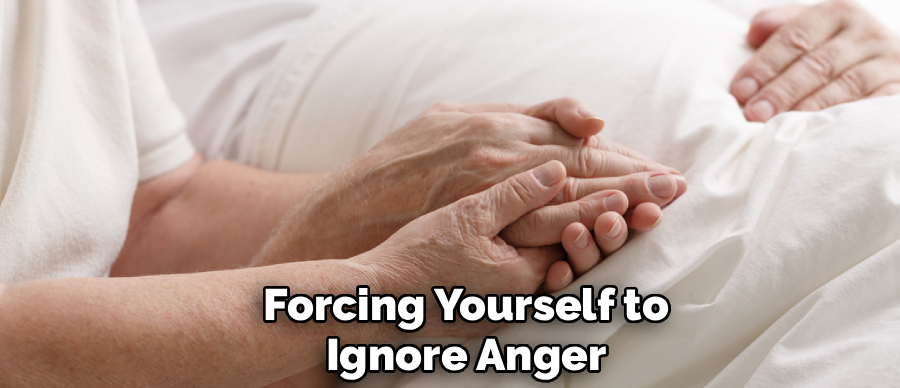
Suppression requires an immense amount of cognitive and physical energy. Forcing yourself to ignore anger or denial actively drains the bandwidth you need to experience actual comfort. You must permit yourself to feel bitter, cheated, or profoundly sad when those waves hit.
Sitting with these negative emotions strips them of their overwhelming power. They eventually pass, leaving behind a slightly clearer mental space. Pushing them away only guarantees they will return with heavier intensity later.
The Transition to Radical Acceptance
Psychologists sometimes discuss a concept known as radical acceptance. This involves recognizing the unvarnished reality of the illness without assigning a constant moral judgment to it. Reaching this state of mind frees up a vast amount of emotional energy.
It does not mean you are giving up or losing hope. Radical acceptance simply suggests that fighting the reality of the diagnosis wastes precious time. This quiet surrender often creates the breathing room necessary for peace to settle in.
How To Be Happy With A Terminal Illness: A Step-by-Step Guide
Building a framework for daily living requires intentional, repeated actions. This step-by-step approach could help you construct a life of deep meaning, regardless of your prognosis. Following these steps might slowly shift your emotional baseline toward quiet comfort.
Step 1: Anchor Yourself in the Present Moment
Anxiety almost exclusively lives in the future, worrying about pain or decline that has not yet arrived. Practicing basic mindfulness techniques can pull your attention back to the current room. Deep, measured breathing or noticing the texture of your blanket grounds the nervous system.
The present moment is truly the only place where we exert any real control. It is also the only space where genuine joy can physically be felt. When panic rises, gently remind yourself that, in this exact second, you are safe and breathing.
Step 2: Cultivate Meaningful Connections
Your limited energy should be spent on people who bring you genuine peace and easy laughter. You might need to gently step back from relationships that feel demanding, dramatic, or entirely draining. This is the time to be fiercely protective of your social calendar.
Surround yourself with individuals who offer unconditional support and understand your physical limits. A quiet afternoon spent holding hands with a close friend often holds more value than a crowded room. Depth of connection matters far more than the breadth of your social circle.

Step 3: Redefine Your Life’s Purpose
We often tie our entire sense of purpose to our careers or our ability to provide for others. Illness frequently strips those specific roles away, leaving a lingering sense of uselessness. Purpose, however, can be radically scaled down and still remain deeply fulfilling.
It might look like mentoring a younger family member through weekly phone calls. Creating a small piece of art, tending to a single houseplant, or simply sharing hard-won wisdom all count as meaningful contributions. You still possess the ability to impact the world, even from a resting position.
Step 4: Establish Comforting Daily Rituals
Unpredictability defines much of the medical journey, making small routines feel incredibly stabilizing. Creating predictable, highly comforting daily rituals provides anchors of joy throughout an otherwise chaotic week. These habits do not need to be complicated or physically taxing.
A warm cup of herbal tea by a sunny window could become a sacred morning practice. Listening to a specific, beloved record every evening might signal your brain to finally relax. These tiny ceremonies remind you that beauty still exists in the mundane.
Step 5: Practice Gratitude for the Small Things
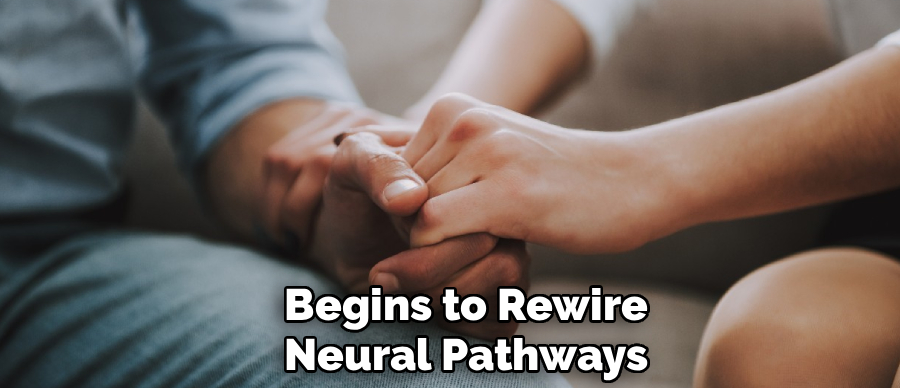
Intentionally documenting things you feel grateful for actually begins to rewire neural pathways. When you actively look for good things, your brain starts noticing them more frequently. This practice shifts your focus away from physical suffering toward the warmth of the sun or a well-prepared meal.
You might keep a small notebook by your bed to write down one good moment each evening. It could be as simple as a nurse’s kind smile or the absence of pain for an hour. Recognizing these tiny victories builds a surprisingly resilient emotional foundation.
The Role of Professional Support and Therapy
Carrying the psychological weight of a terminal diagnosis alone seems entirely unreasonable. Building a robust, specialized support network ensures you never have to navigate the darkest days in isolation. Professional guidance often illuminates blind spots in our own coping mechanisms.
Palliative Care and Quality of Life
Patients frequently confuse palliative care with hospice, assuming it only applies to the final days of life. Palliative specialists actually dedicate themselves entirely to improving your current quality of life alongside ongoing treatments. They manage complex emotional distress and prioritize your daily physical comfort above all else.
Engaging with these professionals early could drastically reduce unnecessary suffering. They serve as advocates for your peace, helping to align your medical treatments with your personal goals. Their involvement often brings immense relief to both the patient and the family.
Counseling and Support Groups
Speaking with a specialized grief counselor offers a safe, neutral space to vocalize your darkest fears. Family members often carry their own grief, making it hard to be entirely honest with them. A therapist listens without judgment or the need to fix the unfixable.
Joining a support group connects you with people who intimately understand the strange nuances of this journey. Sharing dark humor or mutual frustrations with peers can be incredibly validating. It removes the isolating sting of feeling misunderstood by the healthy world.
Fostering Meaningful Relationships
Illness tends to act as a magnifying glass, highlighting the true dynamics of family and friendships. Navigating these relationships requires honesty, patience, and a willingness to be vulnerable. Clear communication prevents resentment from building on either side of the bed.
Communicating Your Needs Clearly
Your loved ones likely want to help, but they rarely know exactly what to do. You must be fiercely honest about what you have the energy for on any given afternoon. Setting strict boundaries regarding visiting hours or conversation topics actively protects your emotional well-being.
If you simply need someone to sit in silence while you sleep, you must voice that request. People cannot read your mind, especially when they are managing their own anxiety about your health. Clear directions provide them with a tangible way to show their love.
Creating Lasting Memories with Loved Ones
Transitioning away from material gifts toward shared experiences often brings a deep sense of fulfillment. You might focus on having long, unstructured conversations about family history or childhood memories. Sharing old photographs and the stories behind them creates a beautiful bridge between generations.
These moments do not require expensive trips or elaborate planning. Simply laughing over a shared meal or listening to a favorite album together holds immense weight. You are actively building a legacy of love that will remain long after you are gone.

Managing Physical Symptoms to Enhance Mood
The mind and the body operate as a single, inseparable unit. It appears nearly impossible to focus on emotional joy when the physical body is screaming in distress. Aggressive symptom management must serve as the foundation for any psychological work.
Prioritizing Pain Management
You must advocate strongly for yourself regarding your pain levels. Suffering through physical agony out of a misplaced desire to be “brave” only destroys your quality of life. Open, frequent communication with your oncology or palliative team regarding discomfort is essential.
Proper medication allows your personality to emerge from beneath the heavy blanket of pain. When you are comfortable, you have the stamina to engage with your family and enjoy your hobbies. Pain relief is not a luxury; it is a basic requirement for happiness.
The Impact of Rest and Nutrition
Your body requires significantly more sleep now than it did when it was healthy. Honoring this intense need for rest without feeling lazy or guilty stabilizes your fluctuating mood. Exhaustion breeds depression, making daytime naps a critical medical intervention.
Nourishing your system with comforting, highly digestible foods also plays a role in emotional regulation. Eating whatever brings you comfort and physical energy should take priority over strict dietary rules. Pleasure derived from a favorite meal is a perfectly valid form of joy.
Leaving a Legacy of Love and Wisdom
The desire to be remembered remains a core human instinct. Finding actionable ways to leave an impact often brings a profound sense of inner peace. It provides a tangible feeling of continuation.
Documenting Your Life Story
Writing letters to your children or grandchildren allows your voice to travel into the future. Recording simple audio messages on a smartphone captures your laugh and your cadence for those you love. Compiling a scrapbook of your favorite memories can be a deeply therapeutic afternoon project.
This documentation process frequently triggers intense joy as you reflect on a life well-lived. It celebrates your history rather than mourning your ending. These artifacts become invaluable treasures for the people you leave behind.
Engaging in Impactful Projects
Small legacy projects provide a focused, manageable sense of purpose. You might spend a week organizing family recipes to pass down to a niece or nephew. Setting up a modest charitable donation or requesting a tree be planted in your name also offers comfort.
These gentle actions suggest that your influence will continue to ripple outward. It connects your current experience to the broader, ongoing story of the world. This connection often softens the sharp edges of mortality.
Frequently Asked Questions
Internal conflicts frequently arise when navigating the strange emotional landscape of a terminal diagnosis. Brief reassurances can sometimes quiet the loudest anxieties. We can address a few common concerns directly.
Is It Normal to Feel Guilty for Being Happy?
Feeling brief moments of joy amidst such sorrow often triggers a strange sense of survivor’s guilt. You must remember that experiencing happiness is entirely natural and healthy. Your loved ones desperately want to see you smile; your joy actually eases their burden.
How Do I Handle Exceptionally Bad Days?
Some mornings will simply be dark, painful, and entirely devoid of silver linings. You must give yourself complete permission to rest and grieve on these specific days without feeling like a failure. Forgive yourself for the bad days, knowing the weather will eventually shift again.
Conclusion
The narrative of your life still holds immense value, texture, and undeniable beauty. While you cannot control the underlying medical diagnosis, you retain surprising influence over your daily emotional landscape. Shifting your focus toward present comforts allows you to reclaim pieces of yourself that the illness attempted to steal.
Discovering exactly how to be happy with a terminal illness represents a profound act of courage and self-love. It requires letting go of the future to fiercely protect the current afternoon. You are permitted to laugh, to rest, and to find peace in the quiet moments.
Take a slow, measured breath, and perhaps reach out to a close friend this evening. Give yourself the grace to stop fighting the reality of the situation for just a few hours. Intentionally look for one small, beautiful moment of joy to embrace today, knowing that it is entirely enough.

About
Joe Herman is a distinguished figure in the world of personal development, with a decade of expertise creating innovative and sustainable self-improvement frameworks. His professional focus lies in merging cognitive behavioral strategies with modern productivity techniques, fostering habits that are both practical and mentally sustainable. As the lead author of selfvity, Joe Herman delves into the art and science of human potential, inspiring individuals and industry professionals alike to optimize their daily lives.
Education
Stanford University
(Stanford, California) Associate Degree in Behavioral Psychology — Focus on habit formation, cognitive restructuring, and peak performance. Gained hands-on experience with psychological assessment tools and data-driven behavioral modification.
University of Pennsylvania
(Philadelphia, Pennsylvania) Bachelor’s in Positive Psychology and Human Potential (Honors) — Specialized in the science of well-being with a focus on blending psychological theory with actionable growth techniques. Participated in extensive research projects, working with leading wellness consultants to gain real-world insights into human motivation.
Publications and Impact
In selfvity, Joe Herman shares his insights on internal growth processes, mental material, and strategies for efficient lifestyle design. His writing bridges the gap between scientific research and everyday application, making it a must-read for both individuals seeking personal clarity and seasoned professionals looking to refine their mental edge.




