

Opening your eyelids should not feel like sandpaper scraping across a delicate lens. Many people experience a harsh, stinging sensation immediately upon waking. This biological friction often sets a highly uncomfortable tone for the rest of the day.
Addressing this specific morning discomfort requires understanding the complex tear film that protects your vision. Waking up with inadequate lubrication frequently points to mechanical or environmental failures occurring while you sleep. Learning exactly how to fix dry eyes in the morning might significantly improve your daily quality of life.
This guide explores the anatomical mechanics of nocturnal tear production. We will examine practical environmental adjustments and targeted evening routines. Applying these specific methods could potentially restore your baseline ocular comfort.

Understanding Why You Wake Up With Discomfort
The human eye operates as a highly sophisticated, moisture-dependent system. It rarely fails without a specific underlying physical or environmental cause. Identifying the root of your morning irritation appears necessary before applying any treatments.
Nocturnal Tear Production Drop
Your body naturally slows down many of its systemic functions during deep sleep. Basal tear production experiences a sharp decline overnight to conserve biological energy. This reduction is normal in healthy adults.
When your baseline hydration starts too low, however, this nocturnal drop creates severe deficits. The eyes simply lack the fluid volume required to maintain a protective barrier until dawn. This biological reality suggests that evening hydration strategies carry immense weight.
Eyelid Seal and Exposure
A surprising number of people sleep with their eyes slightly open. Medical professionals refer to this mechanical failure as nocturnal lagophthalmos. Even a microscopic gap between the upper and lower lids allows ambient air to contact the ocular surface.
Continuous air exposure over eight hours dramatically accelerates tear evaporation. The exposed tissue eventually dries out completely, leading to localized inflammation. This often explains why the lower third of the eye feels particularly painful upon waking.
The Science of Nocturnal Hydration
Resolving this painful condition demands a closer look at the chemistry of your tears. The tear film is not merely saltwater. It consists of three distinct layers that must remain perfectly balanced.
Knowing how to fix dry eyes in the morning requires addressing the outermost layer of this protective shield. When the chemistry fails, the physical symptoms quickly follow.
The Role of the Lipid Layer
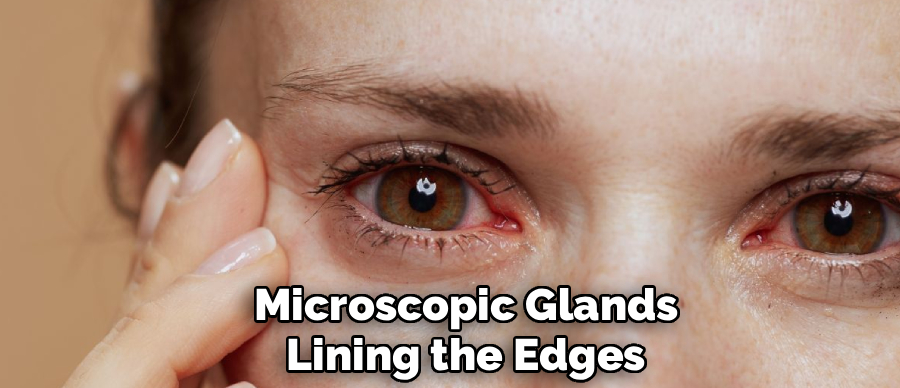
Microscopic glands lining the edges of your eyelids produce a specialized oil. This lipid layer floats on top of the watery aqueous layer. It functions as a protective blanket that seals moisture against the cornea.
If these meibomian glands become clogged or sluggish, they fail to secrete enough oil. Without this lipid barrier, the underlying water evaporates almost instantly into the surrounding atmosphere. Fixing morning dryness often hinges entirely on repairing this oil production.
Evaporation During Sleep
The physical environment of your bedroom directly influences how quickly your tears vanish. Ambient humidity levels frequently plummet at night, particularly during the winter months. Dry indoor air acts like a sponge, pulling moisture directly from your tissues.
Your sleeping position might also contribute to this rapid evaporation. Pressing your face firmly into a cotton pillowcase can physically absorb stray moisture from the lid margins. This combination of dry air and absorbent fabrics creates a hostile environment for ocular health.
How To Fix Dry Eyes In The Morning: Step-by-Step Evening Routine
Establishing a targeted nighttime protocol serves as your strongest defense against morning irritation. Preventative care generally yields far better results than scrambling for eyedrops after the damage has occurred. Following these sequential steps could effectively shield your vision overnight.
Step 1: Apply a Warm Compress
Heat therapy remains one of the most reliable interventions for sluggish oil glands. You should apply a heated eye mask or a warm, damp washcloth to your closed lids for roughly ten minutes before bed. The gentle thermal energy physically melts the hardened oils trapped inside the meibomian glands.
Temperature control is absolutely vital during this step. The compress must be warm enough to liquefy lipids but not so hot that it burns the delicate eyelid skin. Consistency with this practice often yields noticeable improvements within a few weeks.
Step 2: Perform Gentle Eyelid Massages
Immediately following the warm compress, you must manually express the newly liquefied oils. Use your clean fingertips to apply very light, rolling pressure along the lash lines. Always roll downward on the upper lids and upward on the lower lids.
This specific mechanical motion pushes the protective lipids out of the glands and onto the ocular surface. It effectively thickens your natural tear film right before you go to sleep. Do not press aggressively against the actual eyeball.
Step 3: Use Preservative-Free Ointments
Standard liquid eyedrops rarely last long enough to provide overnight protection. You might want to consider applying a specialized nighttime lubricating ointment instead. These thick, petroleum-based gels coat the eye in a heavy protective shield that resists evaporation.
Because ointments possess a highly dense texture, they will temporarily blur your vision. You should apply them strictly as the final step before turning off your bedside lamp. Ensure you select a preservative-free formulation to prevent chemical irritation.

Step 4: Run a Bedroom Humidifier
Artificial heating and cooling systems systematically strip moisture from indoor air. Placing a cool-mist humidifier near your bed physically replaces that lost atmospheric hydration. It creates a localized microclimate that prevents your tears from evaporating too quickly.
You should aim for an ambient room humidity of approximately forty to fifty percent. Clean the humidifier tank frequently to prevent mold or bacterial growth. This simple environmental addition often transforms the way your eyes feel at dawn.
Environmental Adjustments for Better Rest
Beyond bedside humidifiers, your broader sleeping environment requires careful auditing. Hidden mechanical factors frequently sabotage even the most diligent evening eye care routines. You must control the airflow in your immediate vicinity.
Managing Ceiling Fans and Drafts
Sleeping beneath an active ceiling fan guarantees a constant stream of air moving across your face. This continuous draft acts like a miniature wind tunnel, rapidly drying out any exposed ocular tissue. You should strongly consider turning the fan off entirely during the night.
If you absolutely must have air circulation, angle the blades to push air away from the bed. Air conditioning vents aimed directly at your pillow present a similar hazard. Redirecting these drafts protects your fragile tear film from unnecessary physical stress.
Optimizing Room Temperature
Cooler sleeping environments generally promote deeper, more restorative sleep architecture. However, extreme temperatures force HVAC systems to run continuously. This constant cycling of dry, processed air accelerates nighttime dehydration.
Setting your thermostat to a moderate, steady temperature limits how frequently the blower engages. It creates a quieter, less turbulent atmospheric environment. This stability gently supports your body’s attempt to maintain surface moisture.

Nutritional Support for Tear Quality
Topical treatments only address the external symptoms of poor lubrication. The internal chemistry of your tears relies heavily on your systemic nutritional intake. Feeding your body the correct raw materials appears necessary for long-term ocular stability.
Omega-3 Fatty Acids
High-quality dietary fats directly influence the composition of your lipid layer. Consuming adequate amounts of omega-3 fatty acids might reduce systemic inflammation within the eyelid glands. This reduction in swelling allows the oils to flow much more freely.
Wild-caught salmon, flaxseeds, and walnuts represent excellent sources of these specific nutrients. Some individuals might also benefit from a concentrated fish oil supplement. Always consult your primary physician before introducing new, high-dose supplements to your diet.
Systemic Hydration
Your eyes cannot manufacture adequate tears if your entire body is dehydrated. Many people unknowingly walk around in a state of chronic, mild fluid depletion. Drinking sufficient water throughout the afternoon provides the biological foundation for nighttime tear production.
You should perhaps taper your fluid intake slightly in the two hours before bed to prevent waking up for bathroom trips. The goal involves achieving deep cellular hydration during the day. This daytime preparation carries over into your nocturnal reserves.
When to Consult an Ophthalmologist
Sometimes, lifestyle adjustments and environmental controls fail to resolve the underlying pain. Chronic morning friction occasionally points to a more complex medical condition that requires professional intervention. Knowing when to seek expert guidance protects your long-term visual acuity.
Identifying Chronic Conditions
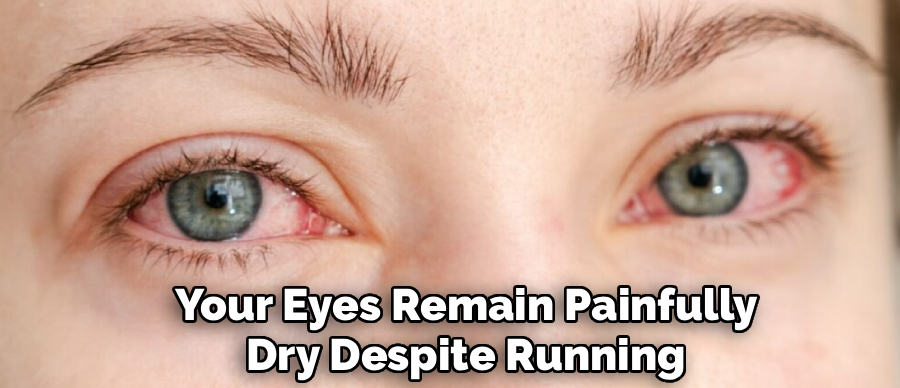
If your eyes remain painfully dry despite running a humidifier and applying ointments, you should schedule a clinical exam. Severe dryness may indicate an autoimmune disorder like Sjögren’s syndrome. It could also point to advanced meibomian gland dysfunction that requires specialized medical tools to correct.
Waking up with eyes that feel practically glued shut usually warrants immediate professional attention. Corneal abrasions can occur if you force dry lids open too quickly. A doctor can accurately assess the physical integrity of your ocular surface.
Medical Interventions
Modern ophthalmology offers several advanced treatments for stubborn lubrication failures. A specialist might suggest installing punctal plugs, which are microscopic devices that block your tear drainage ducts. Blocking these ducts forces whatever tears you do produce to remain on the eye much longer.
Prescription anti-inflammatory drops also serve as a powerful tool for chronic cases. These medications actively suppress the immune response that damages tear-producing tissues. Relying on professional diagnostics takes the guesswork out of your recovery plan.
Conclusion
Waking up to a stinging, gritty sensation does not have to be a permanent reality. The human tear film is a delicate ecosystem that responds surprisingly well to targeted, gentle interventions. Modifying your bedroom environment and adopting a specialized evening routine frequently yields profound relief.
Understanding how to fix dry eyes in the morning empowers you to take control of your physical comfort. You can actively protect your vision by managing drafts, applying warmth, and utilizing thick nighttime ointments. Start by setting up a humidifier tonight, and give your eyes the quiet, hydrated environment they need to heal.

About
Joe Herman is a distinguished figure in the world of personal development, with a decade of expertise creating innovative and sustainable self-improvement frameworks. His professional focus lies in merging cognitive behavioral strategies with modern productivity techniques, fostering habits that are both practical and mentally sustainable. As the lead author of selfvity, Joe Herman delves into the art and science of human potential, inspiring individuals and industry professionals alike to optimize their daily lives.
Education
Stanford University
(Stanford, California) Associate Degree in Behavioral Psychology — Focus on habit formation, cognitive restructuring, and peak performance. Gained hands-on experience with psychological assessment tools and data-driven behavioral modification.
University of Pennsylvania
(Philadelphia, Pennsylvania) Bachelor’s in Positive Psychology and Human Potential (Honors) — Specialized in the science of well-being with a focus on blending psychological theory with actionable growth techniques. Participated in extensive research projects, working with leading wellness consultants to gain real-world insights into human motivation.
Publications and Impact
In selfvity, Joe Herman shares his insights on internal growth processes, mental material, and strategies for efficient lifestyle design. His writing bridges the gap between scientific research and everyday application, making it a must-read for both individuals seeking personal clarity and seasoned professionals looking to refine their mental edge.




