

Modern life often isolates us within individual silos of productivity and stress. We recognize the profound impact that localized generosity might have on society, yet actually stepping outside our own routines frequently feels overwhelming. You want to make a tangible difference. Finding the right starting point, however, can appear deceptively complicated.
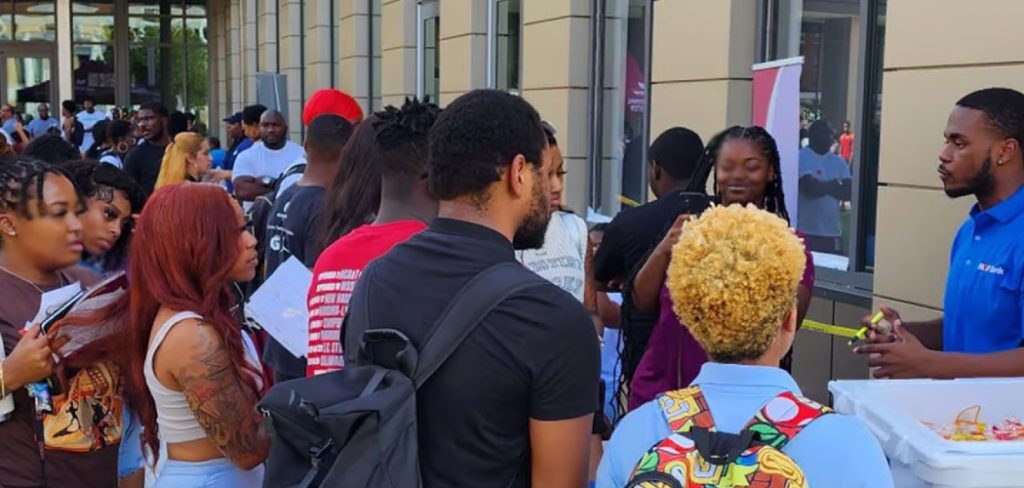
This article explores exactly how to give back to your community in a sustainable, realistic manner. We will examine the deep psychological value of civic engagement alongside practical, everyday steps you can take. By shifting our perspective from grand, unachievable gestures to small, consistent actions, we can foster genuine positive change. Your neighborhood requires active participants, and this guide provides a roadmap to becoming one.
The Psychological and Social Benefits of Volunteering
Understanding the dual impact of philanthropy helps frame why we choose to help others at all. Charitable action rarely benefits only the recipient. The giver often experiences profound internal shifts that alter their daily baseline of well-being.
Boosting Personal Mental Health
Actively helping others appears to trigger biological responses that combat modern psychological fatigue. Taking time to volunteer often releases endorphins and reduces chronic stress levels. It forces the brain to look past internal anxieties and focus on external realities.
This shift in attention might suggest why volunteers frequently report lower rates of isolation or depression. When you integrate yourself into a larger cause, personal worries tend to shrink in scale.
Strengthening Social Bonds
Working alongside your neighbors builds a specific type of mutual trust that digital interactions simply cannot replicate. It creates a resilient support network during challenging economic or social periods. You learn who lives around you and what they genuinely care about.
This shared effort forms a protective social web. It reminds us that our individual survival is quietly tethered to the health of the collective whole.
Why Knowing How to Give Back to Your Community Matters?
Localized support offers structural advantages that large-scale federal programs often miss. Understanding how to give back to your community remains a fundamental necessity for a functioning society. Grassroots efforts hold a unique power to address hyper-specific neighborhood issues.
Filling Gaps in Essential Services
Local governments and large programs frequently operate with limited funding and strict bureaucratic constraints. Volunteer efforts often step into these precise voids, providing critical resources that official channels cannot supply. They catch the people who fall through the administrative cracks.
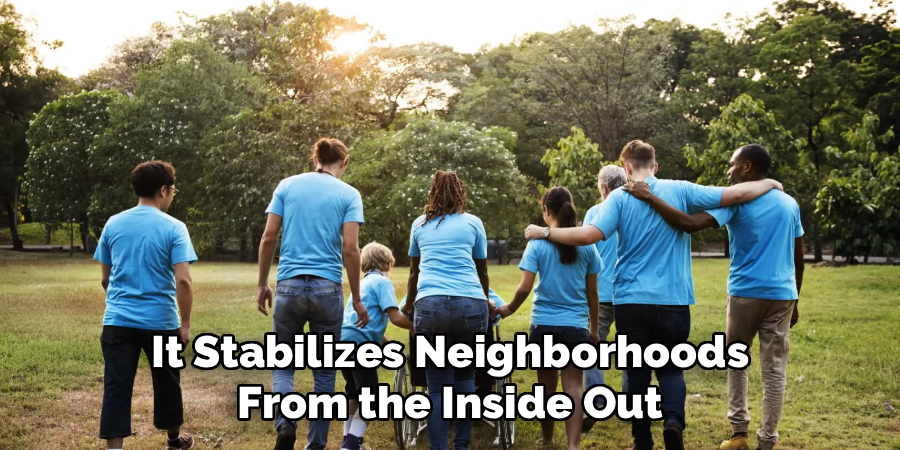
Whether it involves delivering hot meals or tutoring struggling students, community action acts as a societal safety net. It stabilizes neighborhoods from the inside out.
Creating a Ripple Effect of Generosity
Visible acts of kindness rarely happen in a vacuum. When people witness their neighbors cleaning a park or running a food drive, it often inspires them to participate. Generosity appears to be a highly contagious behavioral trait.
This creates a culture of continuous mutual aid. Neighborhood pride naturally elevates when residents actively witness each other putting in the work.
Step-by-Step Guide: How To Give Back To Your Community
Turning good intentions into tangible community action requires a structured approach. Without a plan, enthusiasm usually fades into procrastination. Following a sequential protocol can help you initiate your journey into local philanthropy.
Step 1: Assess Your Available Time and Resources
Before offering your help, you must take an honest inventory of your current capacity. Evaluate your schedule, energy levels, and financial realities to determine a realistic level of commitment. Overcommitting early on almost always leads to personal burnout and broken promises.
It is entirely acceptable if you only have one hour a month to spare. Honesty regarding your limitations makes you a far more reliable volunteer.
Step 2: Identify Causes You Are Passionate About
Reflect on the specific issues that resonate most deeply with your personal values. You might care intensely about animal welfare, local education, or housing insecurity. You cannot fix everything, so narrowing your focus tends to yield better results.
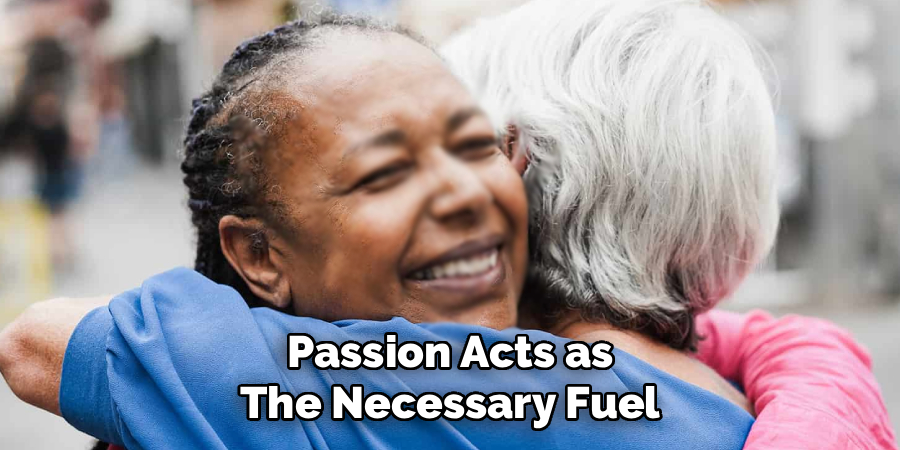
Working within an area you naturally care about sustains your motivation. Passion acts as the necessary fuel when the volunteer work becomes tedious.
Step 3: Research Local Organizations and Charities
Once you know your focus, begin searching for reputable nonprofits and grassroots movements operating nearby. Look for community centers that have a documented history of transparent, effective work. You might want to avoid groups that seem more focused on marketing than actual service.
Local library boards and neighborhood association websites often maintain lists of active charities. Finding an established group prevents you from having to reinvent the wheel.
Step 4: Reach Out and Attend an Orientation
Make your initial contact simple and direct. Call the organization, ask questions about their current needs, and offer to attend an introductory meeting. This step helps ensure the organization’s culture is actually a good fit for your personality.
Do not be discouraged if they require background checks or formal training. These barriers usually indicate a professional, well-managed operation.
Step 5: Commit to a Manageable Schedule
Establish firm boundaries right from the beginning. Set a small, consistent schedule for your contributions rather than offering endless availability. A charity relies much more heavily on a volunteer who shows up predictably once a month than one who works intensely for a week and vanishes.
Consistency builds trust with both the organization and the people they serve. Treat this commitment with the same respect you would a professional meeting.
Skills-Based Volunteering: Offering Your Expertise
Many people assume volunteering only involves manual labor or sorting canned goods. However, professionals can leverage their specific career skills to provide immensely valuable assistance. Specialized knowledge is often what small charities lack the most.
Providing Pro Bono Professional Services
Accountants, digital marketers, and legal professionals hold skills that nonprofits desperately need but rarely can afford. Donating your specialized knowledge helps these organizations operate much more efficiently. A few hours of expert bookkeeping might save a local charity thousands of dollars in auditing fees.
This type of focused contribution maximizes your impact. It allows the charity to direct its limited funds back toward its primary mission.
Teaching and Hosting Workshops
Consider sharing your technical skills with underserved populations. Hosting a resume writing clinic or a basic financial literacy workshop at a local community center offers immediate, tangible value. You empower individuals to improve their own circumstances.
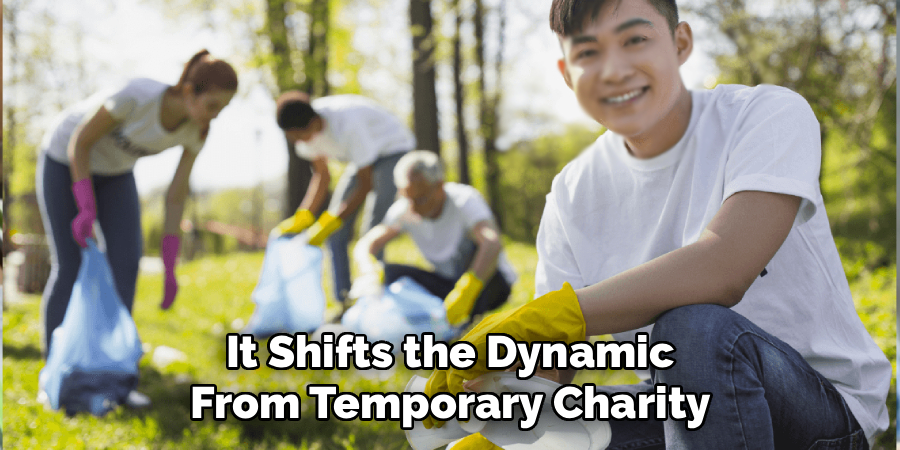
Teaching a skill provides a long-lasting community benefit. It shifts the dynamic from temporary charity to permanent empowerment.
Financial and Material Contributions
If your schedule strictly prohibits physical volunteering, you can still create a significant impact. Methods of giving that do not require massive time commitments are incredibly valid. Charities require capital and supplies just as much as they require physical labor.
Setting Up Recurring Micro-Donations
Small, consistent monthly financial contributions provide vital stability for charitable organizations. A reliable donation of ten dollars a month allows a nonprofit to forecast its budget and plan long-term projects. It removes the panic of unstable funding.
Automating this process ensures your support continues even when life gets chaotic. It is perhaps the most efficient way to sustain a cause you believe in.
Organizing Targeted Resource Drives
You can coordinate material support without leaving your neighborhood or office. Organizing a winter coat, food, or school supply drive directly addresses immediate physical needs. It also provides an easy entry point for your coworkers or neighbors to participate.
Always ask the charity exactly what they need before starting a drive. Collecting items they cannot actually distribute wastes everyone’s time and resources.
Supporting Local Businesses and Neighborhood Initiatives
Economic empowerment serves as a highly effective form of community service. Where we choose to spend our money directly shapes our physical environment. Supporting local commerce is an act of civic defense.
The Impact of Shopping Locally
Buying from independent retailers keeps money circulating within the neighborhood rather than exporting it to distant corporate shareholders. It preserves local jobs and maintains the unique character of your town. Small businesses also tend to sponsor local events and youth teams much more frequently than national chains.
Shifting even a small percentage of your weekly budget to local vendors makes a measurable difference. It is a quiet, continuous form of philanthropy.
Participating in Civic Meetings
Attending town halls or neighborhood association meetings might seem tedious, but it is where actual local policy is formed. Advocating for positive changes, like better street lighting or park funding, benefits the entire community. It requires stepping up to voice concerns that others might be ignoring.
Showing up to these meetings signals that you are an invested resident. Your presence alone might alter how local officials prioritize neighborhood projects.
Mentorship and Youth Engagement
Guiding the next generation remains one of the most profound ways to stabilize a community. Offering consistent support to local youth shapes the future trajectory of your town.
Joining Established Mentorship Programs
Partnering with organizations like Big Brothers Big Sisters provides steady, much-needed guidance to children. Many youths lack access to reliable adult role models. Your simple, consistent presence might completely change how a child views their own potential.
Mentorship requires patience and a willingness to simply listen. It is rarely about offering profound wisdom; it is mostly about showing up.
Coaching Local Youth Sports
Coaching builds teamwork, discipline, and confidence in young athletes. It also strengthens ties among the parents and families involved in the league. You do not need to be a professional athlete to teach basic sportsmanship and effort.
This type of engagement roots you deeply within the community fabric. It creates a shared, positive environment for local families to gather.
Environmental Stewardship and Clean-Ups
Caring for public spaces benefits everyone who lives nearby. The physical state of a neighborhood heavily influences the psychological state of its residents.
Participating in Park and River Clean-Ups
Removing litter and maintaining public green spaces instantly improves neighborhood morale. A clean environment may suggest to residents that their area is valued and safe. Ecological health directly correlates with community pride.
Spending a Saturday morning picking up trash is a highly visible act of care. It forces you to interact intimately with the physical landscape of your town.
Starting a Community Garden
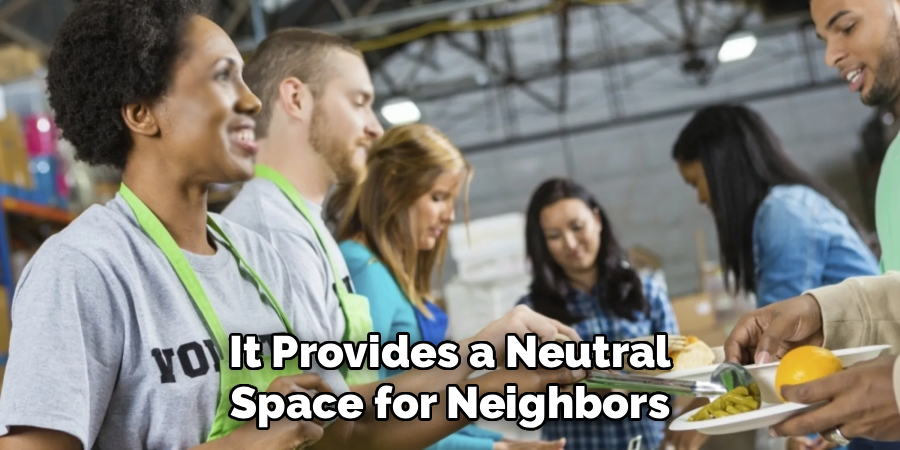
Shared agricultural projects improve local food access and foster deep neighborhood cooperation. Transforming an empty lot into a functioning garden requires collective effort and planning. It provides a neutral space for neighbors of different backgrounds to work toward a common goal.
These green spaces often become informal community hubs. They yield both physical produce and strong social connections.
Conclusion
Every contribution you make, no matter how minor it might seem, makes a measurable difference in the fabric of your town. Understanding how to give back to your community is an ongoing journey of connection, active empathy, and deliberate participation. It requires us to look past our own front doors and acknowledge the shared reality we inhabit.
You possess the agency to alter your local environment right now. Choose just one concept from this guide to implement today, whether that means researching a local charity or buying your groceries from a neighborhood vendor. Taking that single, intentional step initiates your transition from a passive resident into an active community builder.

About
Joe Herman is a distinguished figure in the world of personal development, with a decade of expertise creating innovative and sustainable self-improvement frameworks. His professional focus lies in merging cognitive behavioral strategies with modern productivity techniques, fostering habits that are both practical and mentally sustainable. As the lead author of selfvity, Joe Herman delves into the art and science of human potential, inspiring individuals and industry professionals alike to optimize their daily lives.
Education
Stanford University
(Stanford, California) Associate Degree in Behavioral Psychology — Focus on habit formation, cognitive restructuring, and peak performance. Gained hands-on experience with psychological assessment tools and data-driven behavioral modification.
University of Pennsylvania
(Philadelphia, Pennsylvania) Bachelor’s in Positive Psychology and Human Potential (Honors) — Specialized in the science of well-being with a focus on blending psychological theory with actionable growth techniques. Participated in extensive research projects, working with leading wellness consultants to gain real-world insights into human motivation.
Publications and Impact
In selfvity, Joe Herman shares his insights on internal growth processes, mental material, and strategies for efficient lifestyle design. His writing bridges the gap between scientific research and everyday application, making it a must-read for both individuals seeking personal clarity and seasoned professionals looking to refine their mental edge.




