

Have you ever wondered why some gardens flourish while others struggle to survive the season? The secret rarely lies in having a magical green thumb. Instead, it comes down to simple daily actions. If you want a lush, vibrant outdoor space, learning how to build habits is the most critical skill you can master as a beginner.

Gardening requires consistency, patience, and a bit of daily dedication. When you turn essential tasks into automatic routines, taking care of your plants feels less like a chore and more like a rewarding escape. Whether you want to grow juicy tomatoes or keep a small flower bed looking its best, establishing a solid foundation makes all the difference. In this guide, we will walk you through practical, beginner-friendly strategies to help you transform your gardening dreams into a manageable, everyday reality.
Why Habits Matter
Plants thrive on predictability and steady care. They need regular watering, timely pruning, and consistent feeding to reach their full potential. When you rely on memory or fleeting motivation alone to care for your garden, important tasks inevitably fall through the cracks. A few missed watering sessions during a scorching summer week can devastate a young vegetable patch before it even produces fruit.
Establishing a solid routine removes the stressful guesswork from plant care. You no longer have to wake up and decide whether you should check the soil moisture or pull those pesky weeds hiding near your carrots. Instead, you automatically grab your watering can and step outside with your morning coffee. This kind of consistency prevents small issues from escalating. Spotting a few aphids early on is an easy fix, but noticing them weeks later often means dealing with a garden-wide infestation.
Furthermore, daily routines benefit the gardener just as much as the garden. Spending a few quiet moments outdoors every day provides a wonderful mental break. It lowers stress levels and connects you to nature. When you perform these small actions repeatedly, gardening transforms from an overwhelming seasonal project into a deeply satisfying daily ritual. You build confidence with every seed you water and every sprout you nurture.
Step-by-Step Guide to How to Build Habits
Step 1: Start With Tiny Daily Actions
When you first start a garden, the sheer volume of work can feel overwhelming. You might want to plant seeds, pull every weed, and fertilize the entire yard all in one afternoon. However, taking on too much at once usually leads to burnout. You must break your gardening goals down into incredibly small, manageable actions that take only a few minutes to complete.

Focus on a single, tiny task to start your journey. For example, commit to spending just five minutes pulling weeds in one specific flower bed each evening. You could also choose to check the soil moisture of your potted plants before you leave for work. These miniature actions require very little physical or mental effort, making them incredibly easy to complete even when you feel tired. Over time, these brief moments of garden care compound into significant, visible results across your entire yard.
Step 2: Connect New Tasks to Existing Routines
Creating a new routine entirely from scratch requires a immense amount of willpower. You can bypass this hurdle by linking your new garden chores to activities you already do every single day. This psychological trick uses your established daily rhythm as a natural trigger for your new gardening goals, making the transition feel seamless and automatic.
If you drink a cup of coffee every morning, use that exact moment to walk outside and inspect your plant leaves for pests. If you always take your dog for a walk after dinner, grab your garden hose and water your vegetable patch as soon as you step back inside. By anchoring a new gardening task to an existing behavior, you eliminate the need to rely on memory. Your brain quickly learns to associate the old activity with the new responsibility.
Step 3: Prepare Your Gardening Tools in Advance
Friction is the biggest enemy of consistency. If you have to spend ten minutes searching the garage for your hand trowel and gardening gloves, you will likely abandon the task before you even begin. You must design your environment to make your desired actions as simple and accessible as possible.
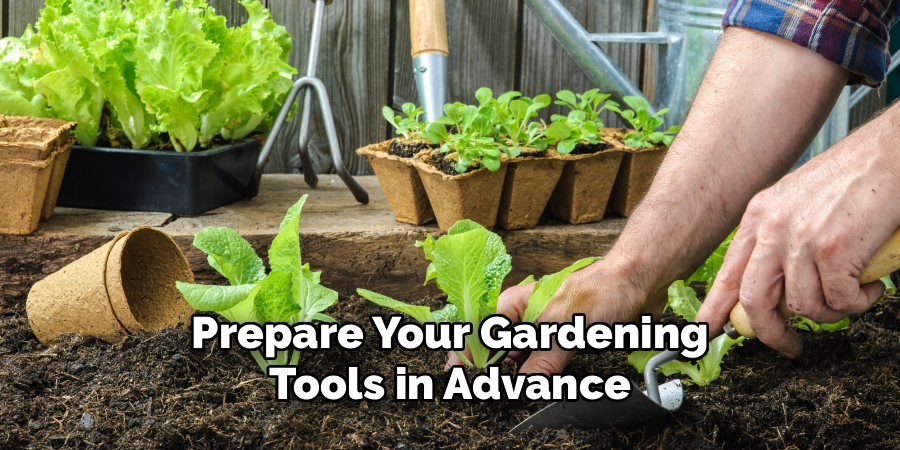
Keep your most important gardening tools right where you need them. Leave your watering can fully filled and sitting next to your back door so it is ready for the morning. Keep a small pair of pruning shears and your gloves in a visible basket near the patio. When your tools sit in plain sight and are completely ready to use, stepping outside to tend to your plants requires zero setup time. Removing these physical barriers greatly increases the likelihood that you will follow through on your daily intentions.
Step 4: Focus on Consistency Over Perfection
Many beginner gardeners fall into the trap of thinking they need an hour of free time to make a difference in their yard. They wait for the perfect weekend weather to start their chores, which often results in weeks of neglect. To truly master how to build habits, you must accept that showing up consistently matters far more than doing the job perfectly.
Doing a slightly messy job of watering your plants on a busy Tuesday is vastly superior to not watering them at all. Give yourself permission to do the bare minimum on days when you feel exhausted or pressed for time. Plucking just three weeds on your way to the car keeps the momentum alive. This commitment to showing up, no matter how brief the interaction, reinforces your identity as a dedicated gardener and keeps your plants alive during hectic weeks.
Step 5: Track Your Daily Progress
Visual evidence of your consistency acts as a powerful motivator, especially during the early stages of establishing a routine. When you see a record of your hard work, you naturally want to keep the streak going. Tracking your daily gardening tasks provides a satisfying sense of accomplishment that encourages you to step outside the next day.

Keep a simple calendar on your refrigerator and draw a large, bold “X” on every day that you successfully complete your small garden chore. Alternatively, you can keep a detailed gardening journal to note what you watered, which seeds sprouted, and what pests you removed. Watching those successful days link together creates a psychological drive to maintain the chain. This simple visual cue reminds you of your progress and helps solidify the routine in your daily life.
Step 6: Reward Your Gardening Efforts
Positive reinforcement plays a crucial role in behavioral change. When you immediately associate a task with a pleasant feeling, your brain naturally wants to repeat the experience. Waiting months to harvest a tomato is highly rewarding, but you need immediate, small rewards to keep yourself motivated during the long growing season.
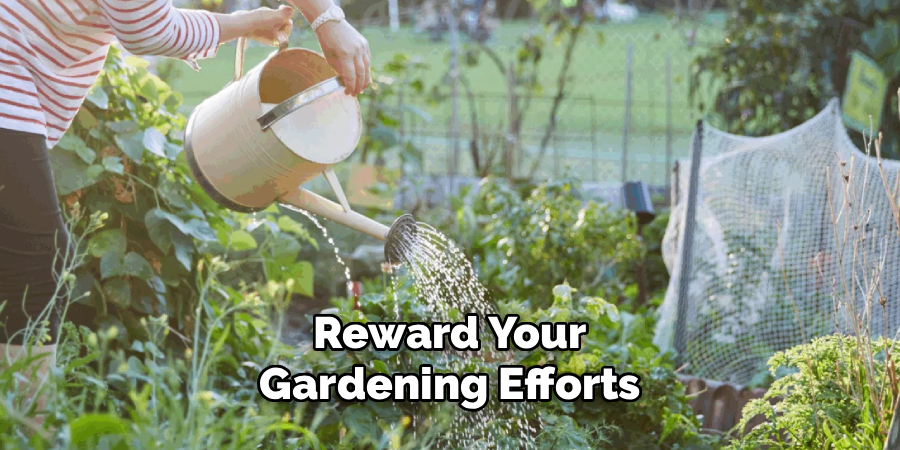
Designate a specific, enjoyable reward to follow your daily garden chores. After you finish watering the garden in the evening, sit on your patio with a refreshing glass of iced tea to admire your work. Treat yourself to a warm shower using a luxury soap after a muddy weeding session. You might even listen to your favorite podcast exclusively while you prune your shrubs. These immediate emotional payoffs train your mind to look forward to the work rather than dreading it.
Frequently Asked Question
How Long Does It Take to Establish a Routine?
Building a solid routine takes an average of 66 days, though this varies greatly depending on the person and the task.
- Simple tasks, like checking soil moisture, might become automatic in just a few weeks.
- Complex chores, like weekly fertilizing schedules, may take several months to feel natural.
- Consistency matters more than speed.
Give yourself grace and focus on showing up each day rather than counting the weeks until the behavior feels permanent.
What Should I Do If I Miss a Few Days?
Missing a few days is a normal part of the learning process and will not ruin your progress.
- Acknowledge the slip-up without feeling guilty.
- Jump right back into your routine the very next day.
- Avoid the urge to overcompensate by doing hours of yard work to make up for lost time.
If you find yourself missing several days in a row, consider scaling back the difficulty of your daily task until it feels manageable again.
Can I Start Multiple Plant Care Routines at Once?
It is highly recommended that you focus on establishing just one routine at a time. Trying to memorize a complex watering, pruning, and fertilizing schedule all at once usually causes beginner gardeners to feel overwhelmed.
Pick the most critical task, such as a consistent watering schedule, and focus entirely on mastering it. Once that single task feels completely automatic and effortless, you can safely introduce a second chore into your daily rhythm.
How Do I Stay Motivated During the Winter Months?
Winter presents a unique challenge for home gardeners, but you can maintain your momentum by shifting your focus indoors.
- Create a morning routine of misting and checking your indoor houseplants.
- Spend a few minutes each evening reading gardening books or seed catalogs.
- Clean and sharpen your tools a little bit each week.
Keeping your mind engaged with plant care during the off-season ensures you are ready to hit the ground running when spring arrives.
Why Do I Keep Forgetting to Water My Plants?
Forgetting to water usually means the task is completely separated from the rest of your daily life. You likely lack a physical or environmental trigger to remind you.
Try moving your watering can to a highly visible location, such as the middle of your kitchen counter or right beside your front door. You can also set a recurring daily alarm on your phone to prompt you. Tying the chore to a specific time or existing habit will quickly solve the forgetfulness.
Conclusion
Creating a beautiful, thriving garden is a joyful journey made of small, consistent steps. By starting with tiny actions, preparing your tools in advance, and connecting your yard chores to your existing daily rhythms, you set yourself up for long-term success. You do not need endless hours of free time to cultivate a vibrant outdoor space; you simply need a little bit of dedication each day. Understanding how to build habits gives you the power to transform a struggling patch of dirt into a flourishing sanctuary. Step outside today, complete one small task, and watch your garden grow alongside your newfound confidence.

About
Joe Herman is a distinguished figure in the world of personal development, with a decade of expertise creating innovative and sustainable self-improvement frameworks. His professional focus lies in merging cognitive behavioral strategies with modern productivity techniques, fostering habits that are both practical and mentally sustainable. As the lead author of selfvity, Joe Herman delves into the art and science of human potential, inspiring individuals and industry professionals alike to optimize their daily lives.
Education
Stanford University
(Stanford, California) Associate Degree in Behavioral Psychology — Focus on habit formation, cognitive restructuring, and peak performance. Gained hands-on experience with psychological assessment tools and data-driven behavioral modification.
University of Pennsylvania
(Philadelphia, Pennsylvania) Bachelor’s in Positive Psychology and Human Potential (Honors) — Specialized in the science of well-being with a focus on blending psychological theory with actionable growth techniques. Participated in extensive research projects, working with leading wellness consultants to gain real-world insights into human motivation.
Publications and Impact
In selfvity, Joe Herman shares his insights on internal growth processes, mental material, and strategies for efficient lifestyle design. His writing bridges the gap between scientific research and everyday application, making it a must-read for both individuals seeking personal clarity and seasoned professionals looking to refine their mental edge.




