

History remembers figures like Leonardo da Vinci and Benjamin Franklin not for a single achievement, but for their relentless pursuit of knowledge across countless fields.
A Renaissance man, or polymath, refuses to be boxed into one specific category. You can choose to develop a wide array of talents, blending art, science, physical fitness, and intellectual curiosity into a single, cohesive life. Expanding your horizons in this way transforms how you interact with the world around you.

This guide on how to become a Renaissance man will walk you through the exact process of becoming a modern polymath.
What are the Benefits?
Becoming a Renaissance man offers profound advantages that impact every area of your life. First, you develop unparalleled adaptability. When you understand multiple disciplines, you can easily pivot when industries change or unexpected challenges arise. Second, your problem-solving skills improve dramatically. You learn to connect ideas from completely different fields to find unique solutions that specialists might miss.
Additionally, this lifestyle leads to a richer, more engaging daily experience. Boredom vanishes when there is always a new subject to study or a new skill to practice. You also become a highly captivating conversationalist. Because you possess knowledge across various topics, you can connect with almost anyone you meet, building stronger personal and professional relationships. Ultimately, you build a profound sense of self-reliance and confidence.
What Will You Need?
To embark on this journey, you do not need innate genius or limitless financial resources. You only need a few foundational traits and tools:
- Insatiable Curiosity: A genuine desire to understand how the world works.
- Discipline: The ability to stick to a learning schedule even when initial enthusiasm fades.
- Time Management Skills: A system to allocate your hours effectively across different pursuits.
- A Growth Mindset: The belief that your abilities can improve through dedication and hard work.
- Basic Learning Resources: A library card, an internet connection, and a notebook to track your progress.
10 Easy Steps on How to Become a Renaissance Man
Step 1: Cultivate Insatiable Curiosity
The foundation of becoming a Renaissance man lies in a relentless desire to learn. You must train your brain to ask “why” and “how” about the things you encounter daily. When you see a bridge, wonder about the engineering principles holding it up. When you hear a piece of music, try to identify the instruments and the underlying theory. Stop accepting the world at face value and start digging into the mechanics of your environment. This active engagement turns mundane moments into profound learning opportunities. By nurturing this mindset, you naturally gravitate toward new subjects. Curiosity fuels the energy required to push through difficult learning curves.

Step 2: Read Across Diverse Disciplines
Specialists read deeply in one area, but polymaths read widely across many. You need to build a reading list that covers history, science, philosophy, art, and fiction. If you usually read biographies, pick up a book on astrophysics or behavioral psychology. The goal is to expose your mind to different vocabularies, concepts, and ways of viewing the world. As you read across these varying fields, you will begin to notice unexpected connections. A biological concept might suddenly help you understand an economic theory. Dedicate at least thirty minutes a day to reading outside your primary field of expertise.
Step 3: Develop Physical Fitness and Skills
The original Renaissance thinkers believed strongly in the mind-body connection. Intellectual growth must pair with physical development. You do not need to become an Olympic athlete, but you should aim for a high level of functional fitness. Incorporate strength training, cardiovascular exercise, and flexibility routines into your weekly schedule. Beyond basic fitness, challenge yourself to learn specific physical skills. This could mean taking up martial arts, learning to dance, or mastering a sport like tennis. Physical disciplines teach you patience, body awareness, and resilience, all of which directly support your cognitive pursuits.

Step 4: Learn a New Language
Mastering a second or third language forces your brain to operate in entirely new ways. Language shapes how we think, and learning a new one gives you a different lens through which to view humanity. It opens doors to foreign literature, unedited historical documents, and authentic cultural exchanges. Choose a language that genuinely interests you or aligns with your travel goals. Dedicate time each day to vocabulary, grammar, and speaking practice. Use language apps, find a conversation partner, and immerse yourself in media from that culture. The mental flexibility gained here is invaluable.
Step 5: Master the Art of Conversation
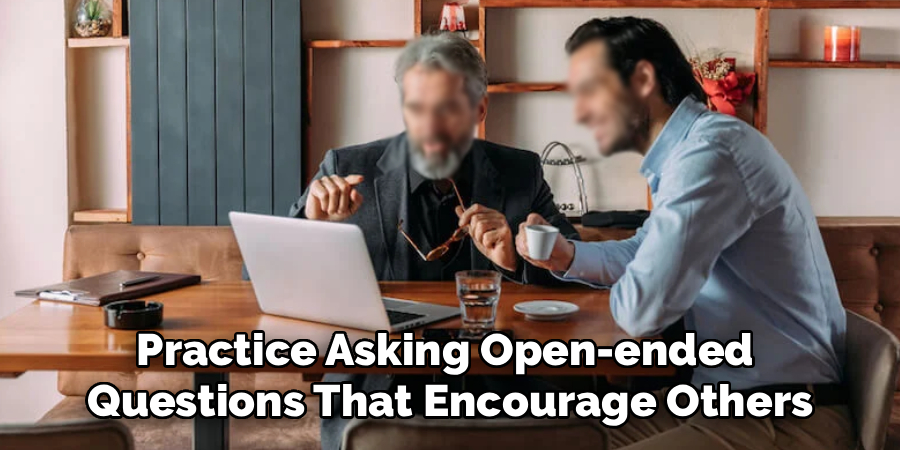
A true Renaissance man knows how to share ideas and listen effectively. Excellent conversation requires empathy, active listening, and the ability to articulate complex thoughts simply. Practice asking open-ended questions that encourage others to share their expertise. When you speak, draw upon the diverse knowledge you have gathered from your varied interests. Avoid dominating the dialogue; instead, seek to facilitate a mutual exchange of value. By refining your communication skills, you make your vast knowledge accessible and engaging to others, rather than coming across as intimidating or arrogant.
Step 6: Embrace Creative Expression
Logic and science represent only half of the polymath equation. You must also cultivate your creative and artistic side. Pick up an instrument, learn to paint, write poetry, or try your hand at woodworking. Creative expression teaches you to appreciate aesthetics and helps you process emotions. It also exercises the right hemisphere of your brain, balancing the analytical heavy lifting you do in other areas. Do not worry about producing masterpieces right away. The act of creating is what matters. Through consistent practice, you will develop an eye for detail and an appreciation for the arts.
Step 7: Understand Basic Science and Technology
We live in a deeply technological and scientific age. To understand the modern world, you must grasp the fundamental principles of physics, biology, chemistry, and computer science. You do not need a Ph.D., but you should know how a combustion engine works, the basics of cellular biology, and the logic behind computer programming. Take introductory online courses or read foundational textbooks. This knowledge prevents you from being entirely dependent on experts to interpret the world for you. It allows you to make informed decisions about your health, your environment, and your technology use.
Step 8: Travel and Experience New Cultures
Nothing shatters narrow-mindedness quite like stepping outside your own culture. Travel exposes you to different architectural styles, culinary traditions, societal norms, and historical perspectives. When you visit a new place, avoid the standard tourist traps. Visit local markets, speak with residents, and try to understand their daily lives. If international travel is not currently possible, explore unfamiliar neighborhoods in your own city or attend cultural festivals. The goal is to deliberately place yourself in environments where you are the outsider. This fosters humility and expands your global awareness.
Step 9: Practice Critical Thinking
Gathering facts is useless if you cannot analyze them effectively. You must develop strong critical thinking and logical reasoning skills. Learn to identify cognitive biases, logical fallacies, and poor argumentation. When presented with a new piece of information, evaluate the source and look for underlying assumptions. Study philosophy and debate to understand how to construct a sound argument. This skill acts as a filter, allowing you to separate truth from noise. A well-trained mind does not just absorb information; it interrogates it, ensuring that your worldview is built on a solid foundation of reason.
Step 10: Share Your Knowledge with Others
The final step in your development is becoming a teacher and mentor. Sharing what you know solidifies your own understanding and exposes gaps in your knowledge. Write articles, start a blog, host a workshop, or simply mentor a younger colleague. When you are forced to explain a complex topic to a beginner, you master the material on a much deeper level. Furthermore, sharing your journey inspires others to expand their own horizons. The Renaissance man does not hoard knowledge; he uses it to elevate the community around him.
5 Things You Should Avoid
- Perfectionism: Trying to be the absolute best at everything will only lead to frustration. Aim for high competence across many fields rather than perfection in one.
- Superficial Learning: Do not just memorize trivia to sound smart. Take the time to genuinely understand the underlying principles of the subjects you study.
- Arrogance: Accumulating knowledge can sometimes inflate your ego. Remain humble and remember that there is always more to learn and someone who knows more than you.
- Burnout from Overcommitment: Trying to learn five languages and three instruments simultaneously will exhaust you. Pace yourself and focus on a few key areas at a time.
- Relying Only on Natural Talent: You will naturally be better at some things than others. Do not avoid subjects just because they require hard work and do not come easily to you.
Frequently Asked Questions
- Can Anyone Actually Become a Renaissance Man?
Yes, anyone with the dedication and discipline can achieve this status over time. It requires a willingness to step outside your comfort zone and try new things. You do not need to be born with a genius-level intellect to succeed. The key lies in consistent, daily effort directed across a variety of disciplines. Ultimately, your persistence matters far more than your starting point. - How Do I Balance Learning So Many Different Things?
Effective time management and strict prioritization are essential for success. You should focus on just two or three new skills or subjects at any given time. Dedicate specific blocks of time in your weekly calendar to each pursuit. As you reach a comfortable level of competence in one area, you can introduce a new one. This prevents you from spreading yourself too thin. - Is It Better to Be a Specialist or a Generalist?
Both paths offer distinct advantages depending on your specific career and life goals. Specialists often reach the very top of highly competitive and technical fields. Generalists, however, excel in leadership, innovation, and connecting disparate ideas. In an ever-changing landscape, possessing a wide array of skills provides immense flexibility and security. Many highly successful people blend both approaches by mastering one field while maintaining broad interests.
Conclusion
How to become a Renaissance man is a lifelong pursuit rather than a final destination. It requires you to view your life as a canvas, constantly adding new colors, textures, and techniques.
By cultivating your curiosity, strengthening your body, and expanding your intellectual horizons, you unlock your full human potential. You will face challenges and moments of frustration as you tackle unfamiliar subjects, but the reward is a life rich in meaning, capability, and connection.
Start today by picking one new subject to explore, and take your first step toward true mastery of the multifaceted life.

About
Joe Herman is a distinguished figure in the world of personal development, with a decade of expertise creating innovative and sustainable self-improvement frameworks. His professional focus lies in merging cognitive behavioral strategies with modern productivity techniques, fostering habits that are both practical and mentally sustainable. As the lead author of selfvity, Joe Herman delves into the art and science of human potential, inspiring individuals and industry professionals alike to optimize their daily lives.
Education
Stanford University
(Stanford, California) Associate Degree in Behavioral Psychology — Focus on habit formation, cognitive restructuring, and peak performance. Gained hands-on experience with psychological assessment tools and data-driven behavioral modification.
University of Pennsylvania
(Philadelphia, Pennsylvania) Bachelor’s in Positive Psychology and Human Potential (Honors) — Specialized in the science of well-being with a focus on blending psychological theory with actionable growth techniques. Participated in extensive research projects, working with leading wellness consultants to gain real-world insights into human motivation.
Publications and Impact
In selfvity, Joe Herman shares his insights on internal growth processes, mental material, and strategies for efficient lifestyle design. His writing bridges the gap between scientific research and everyday application, making it a must-read for both individuals seeking personal clarity and seasoned professionals looking to refine their mental edge.




