

When faced with a stressful situation, a harsh criticism, or a sudden change of plans, human nature often pushes us to protect ourselves instantly. We snap back, raise our voices, or shut down entirely. This automatic defense mechanism is a reaction. Reacting is impulsive and driven by raw emotion.
Responding, on the other hand, is a conscious choice. It requires taking a step back, processing the information, and deciding how to handle the situation with intention and care. When you respond, you use logic and empathy to guide your behavior.
Learning how to respond instead of react can transform the way you navigate challenges, leading to healthier interactions and a deeper sense of inner peace.
What are the Benefits?
Choosing to respond rather than react offers profound advantages for both your emotional well-being and your relationships.
First, it drastically reduces your daily stress levels. When you stop acting on raw, unchecked emotion, you prevent conflicts from escalating. This keeps your nervous system calm and saves you from the exhaustion of constantly putting out relational fires.
Second, it builds stronger, more trusting relationships. People feel safe around individuals who communicate thoughtfully. When friends, family members, or colleagues know you will handle difficult conversations with maturity rather than explosive anger, they open up more easily.
Finally, practicing thoughtful responses enhances your emotional intelligence. You become more in tune with your own feelings and triggers, allowing you to navigate life with a steady, confident presence.
What Will You Need?
To successfully shift from reacting to responding, you do not need external gadgets or complicated systems. You simply need to cultivate a few essential internal tools:
- Mindfulness: The ability to stay present and aware of your thoughts as they happen.
- Patience: The willingness to sit with discomfort for a few moments before speaking.
- Self-Awareness: An understanding of your personal emotional triggers and physical stress cues.
- Empathy: The capacity to see a situation from another person’s perspective.
- A commitment to growth: The understanding that changing deep-rooted habits takes practice and forgiveness.
10 Easy Steps on How to Respond Instead of React
Transforming a lifelong habit of reacting into a consistent practice of responding takes deliberate effort. Follow these ten steps to guide your journey.
Step 1: Pause and Breathe
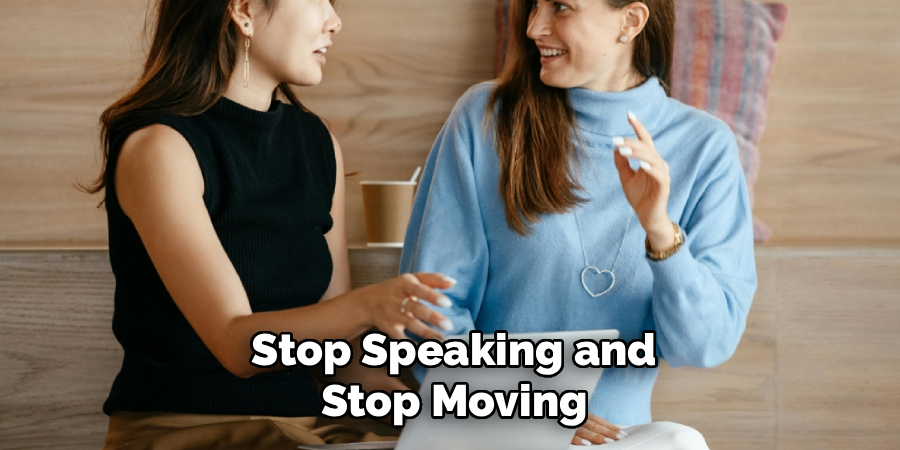
The very first thing you must do when you feel triggered is absolutely nothing. Stop speaking and stop moving. Take a slow, deep breath in through your nose, and exhale slowly through your mouth. This simple physical act sends a signal to your brain that you are not in immediate physical danger. It interrupts the fight-or-flight response, buying you the crucial seconds you need to transition from an emotional reaction to a logical response.
Step 2: Identify the Trigger
While you are pausing, ask yourself exactly what set you off. Was it a specific word someone used? A tone of voice? A feeling of being disrespected or ignored? Identifying the exact trigger helps separate the current situation from past baggage. Often, we react to things not because of what is happening right now, but because the event reminds us of a previous pain. Pinpointing the trigger keeps you grounded in reality.
Step 3: Acknowledge Your Emotions
Do not try to push your feelings away. If you feel angry, hurt, or embarrassed, silently name that emotion to yourself. Say, “I am feeling incredibly angry right now.” Acknowledging your feelings validates your experience without requiring you to act on those feelings immediately. Emotions are simply data telling you how you are interpreting a situation. Let the emotion exist without letting it drive the car.
Step 4: Create Physical Distance
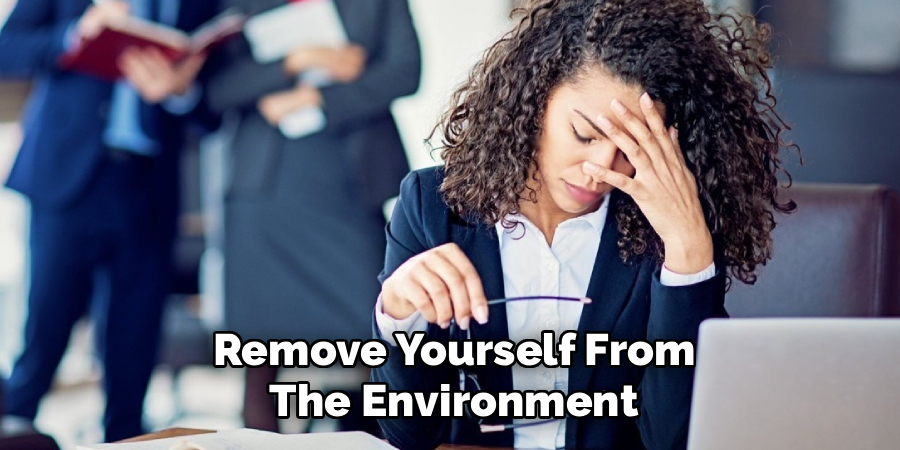
If a deep breath is not enough to calm your surging emotions, remove yourself from the environment. You can politely say, “I need a moment to process this, I will be back in five minutes.” Step outside, go to the restroom, or simply walk to another room. A change of scenery helps reset your brain and prevents you from saying something you might regret. Physical distance creates mental space.
Step 5: Shift Your Perspective
Once you have calmed down slightly, try to look at the situation from the other person’s point of view. Ask yourself why they might have acted or spoken the way they did. Are they under a lot of stress? Did they lack the necessary information? Shifting your perspective replaces immediate anger with curiosity. Empathy softens your defensive walls, allowing a more constructive dialogue to take place.
Step 6: Consider the Outcome
Before you open your mouth to reply, ask yourself what you actually want to achieve. Do you want to resolve the conflict, or do you just want to win the argument? Reacting usually aims to punish or deflect, while responding aims to solve the problem and preserve the relationship. Keeping your end goal in mind will help filter out harsh words and keep your response productive and focused.
Step 7: Choose Your Words Carefully
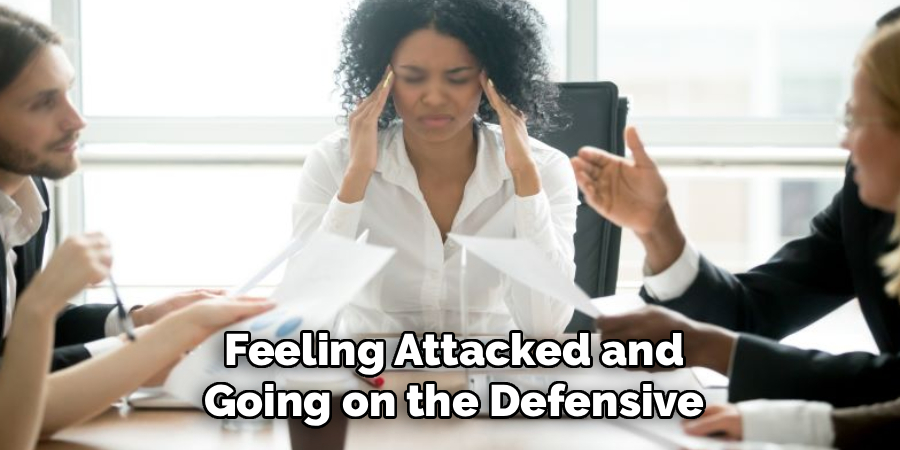
When you are ready to speak, use “I” statements instead of “You” statements. Instead of saying, “You never listen to me,” say, “I feel unheard when I speak and do not get a reply.” This prevents the other person from feeling attacked and going on the defensive. Keep your language simple, factual, and free from exaggeration. Clear and respectful words pave the way for a healthy resolution.
Step 8: Practice Active Listening
Responding is not just about what you say; it is heavily dependent on how well you listen. Give the other person your full attention. Do not plan your rebuttal while they are speaking. Listen to understand, not to reply. Nod, maintain eye contact, and summarize what they said to ensure you understood correctly. True listening defuses tension and shows respect, which often encourages the other person to calm down as well.
Step 9: Express Yourself Calmly
Deliver your message with a steady, even tone of voice. Keep your body language open—avoid crossing your arms or rolling your eyes. The way you present your words is just as important as the words themselves. If you feel your voice rising or your chest tightening, pause and take another breath. A calm delivery commands respect and sets the standard for how the rest of the conversation will unfold.
Step 10: Reflect on the Interaction
After the conversation is over, take a few minutes to review how it went. Did you successfully manage your emotions? Were there moments where you almost slipped into a reaction? What could you do better next time? Reflection turns every conflict into a learning opportunity. Celebrate your progress, no matter how small, and use your insights to strengthen your emotional toolkit for future interactions.

5 Things You Should Avoid
As you practice responding, be careful to avoid these common communication pitfalls:
- Blaming: Pointing fingers only makes the other person defensive and halts productive conversation.
- Interrupting: Cutting someone off shows disrespect and signals that you are reacting rather than listening.
- Raising Your Voice: A loud volume triggers the other person’s fight-or-flight response, escalating the conflict immediately.
- Making Assumptions: Guessing someone’s motives often leads to misunderstandings. Always ask for clarification instead.
- Bringing Up the Past: Keep the conversation focused purely on the current issue. Piling on past grievances makes resolution nearly impossible.
Frequently Asked Questions
- What is the Main Difference Between a Reaction and a Response?
A reaction is an immediate, automatic defense mechanism.
A response involves taking time to process the situation.
Reactions are often fueled by raw, unchecked emotion.
Responses are guided by logic, empathy, and clear intention.
Ultimately, responding gives you control over your behavior. - How Long Should I Pause Before Responding?
The length of the pause depends on the intensity of the situation.
Sometimes a single deep breath is enough to reset your mind.
Other times, you may need a few hours or even a full day.
Take as much time as you need to feel physically calm.
The goal is to speak from a place of clarity, not urgency. - What if the Other Person Keeps Pushing Me to React?
You have the right to enforce personal boundaries.
Calmly state that you will not continue the conversation until things cool down.
Walk away if they refuse to respect your need for a pause.
You cannot control their behavior, only your own.
Maintaining your composure is your strongest tool in these moments.
Conclusion
How to respond instead of react is a lifelong journey. It requires you to slow down, examine your internal world, and choose your actions with deliberate care. By utilizing tools like mindfulness and empathy, and by following a structured approach to conflict, you protect your peace and build stronger connections with those around you.
Do not expect perfection right away. You will still have moments where emotions get the better of you, and that is completely normal.
The goal is progress. Start today by taking one intentional breath the next time you feel triggered. Commit to this path of self-growth, and watch as your communication transforms from chaotic defense into calm, empowered connection.

About
Joe Herman is a distinguished figure in the world of personal development, with a decade of expertise creating innovative and sustainable self-improvement frameworks. His professional focus lies in merging cognitive behavioral strategies with modern productivity techniques, fostering habits that are both practical and mentally sustainable. As the lead author of selfvity, Joe Herman delves into the art and science of human potential, inspiring individuals and industry professionals alike to optimize their daily lives.
Education
Stanford University
(Stanford, California) Associate Degree in Behavioral Psychology — Focus on habit formation, cognitive restructuring, and peak performance. Gained hands-on experience with psychological assessment tools and data-driven behavioral modification.
University of Pennsylvania
(Philadelphia, Pennsylvania) Bachelor’s in Positive Psychology and Human Potential (Honors) — Specialized in the science of well-being with a focus on blending psychological theory with actionable growth techniques. Participated in extensive research projects, working with leading wellness consultants to gain real-world insights into human motivation.
Publications and Impact
In selfvity, Joe Herman shares his insights on internal growth processes, mental material, and strategies for efficient lifestyle design. His writing bridges the gap between scientific research and everyday application, making it a must-read for both individuals seeking personal clarity and seasoned professionals looking to refine their mental edge.




