Marriage can be deeply rewarding, but it is rarely effortless. Most lasting relationships ask for attention, restraint, honesty, and a willingness to keep learning the person you thought you already knew. At some point, many women begin asking a hard but useful question: What, exactly, can I do to show up better in this marriage?
That question is not about blame, and it should not be. One spouse cannot single-handedly fix a struggling relationship, just as one spouse should not carry all the emotional labor of keeping it afloat. Still, your own habits, tone, and choices do shape the climate of a home. This guide on how to be a better wife and improve your marriage offers practical ways to become a more thoughtful wife while also building a steadier, more connected marriage over time.

Understand What Makes a Healthy Marriage
A healthy marriage usually rests on a few basics: trust, respect, and the kind of communication that leaves both people feeling heard rather than managed. That sounds obvious on paper. In daily life, it is messier. People get tired. They misread each other. They bring old wounds into new arguments without meaning to.
Love matters, of course, but affection alone does not carry a marriage very far. What seems to sustain a relationship over the years is often less dramatic: keeping your word, apologizing without turning it into a defense, noticing when your partner is stretched thin, staying kind in moments when irritation would be easier. Strong couples still disagree. Sometimes often. The difference is that they appear to treat the problem as the problem, instead of treating each other as enemies. In that sense, a good marriage is not perfect harmony. It is a repeated decision to protect the connection even when life feels jagged.
7 Simple Step-by-step Guidelines on How to Be a Better Wife and Improve Your Marriage
Step 1: Communicate Openly and Honestly
Good communication is less about saying everything on your mind and more about saying what matters in a way the other person can actually receive. If you want to be a better wife, start there. Speak clearly about your needs, disappointments, and hopes instead of assuming your husband should somehow infer them from your mood, your silence, or the way you set a plate down a little too hard.
Listening matters just as much. Maybe more. When he talks, try not to prepare your rebuttal while he is still mid-sentence. Pay attention. Ask a follow-up question. Reflect back on what you think he means. That small pause between hearing and reacting can change the whole tone of a conversation.
It may also help to create regular space for real check-ins. Not just logistical talk about groceries, school pickups, or bills. Actual conversation. Ten minutes at the end of the day without a screen nearby can do more than an occasional grand gesture. Minor misunderstandings often grow in silence. Bringing them into the open early can keep them from hardening into resentment.

Step 2: Show Appreciation for the Small Things
One of the quieter risks in marriage is familiarity. Not closeness itself, but the way routine can make another person’s effort nearly invisible. The lunch packed, the trash taken out, the coffee poured first, the way he listens when your day went badly and you are not especially easy to listen to. These things are easy to miss. They still count.
Gratitude works best when it is specific. Not just “thanks,” though that helps, but “thanks for handling dinner when I was overwhelmed” or “I noticed you stayed up to help with that, and I appreciated it.” That kind of naming tells your partner he is seen, not merely evaluated.
There is also a corrective here. Many marriages become heavy when each person starts privately tracking what they do and what the other fails to do. Appreciation interrupts that scorekeeping instinct. It will not solve deeper problems on its own, but it can soften the emotional atmosphere enough that both people feel less defensive and more willing to give.
Step 3: Cultivate Emotional Intimacy and Trust
Emotional intimacy is not just closeness. It is the sense that you can tell the truth in your own home and not have it used against you later. That kind of safety does not appear automatically after the wedding. It is built slowly, often through ordinary moments: admitting fear, confessing uncertainty, saying “that hurt me” before the hurt turns into distance.
If you want more trust in your marriage, be trustworthy in the small ways, not only the obvious ones. Follow through. Keep private things private. Do not drag an old confession into a new fight just because it gives you leverage. People tend to remember that kind of betrayal for a long time, even when they say they have moved past it.
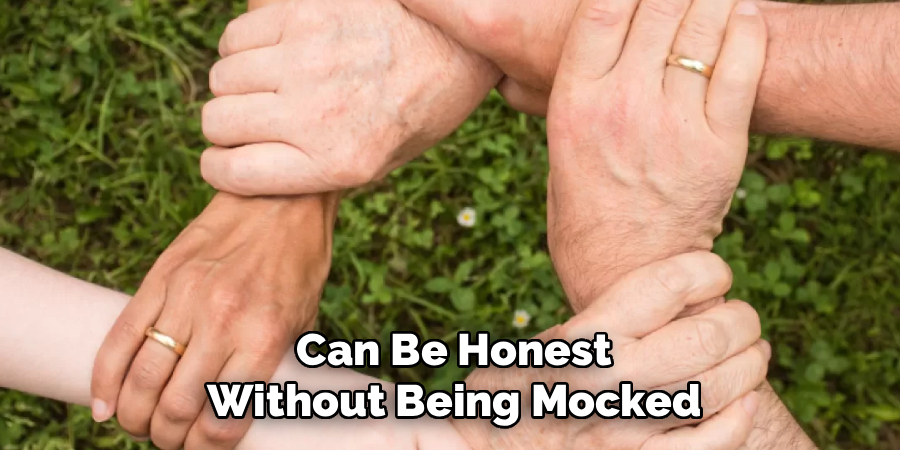
At the same time, emotional intimacy asks for courage. You may need to tell your husband what you actually want, what you worry about, or where you feel lonely. He may need the same room from you. When both spouses can be honest without being mocked, dismissed, or punished, the marriage usually becomes steadier. Physical closeness often grows more naturally there, too, though not always quickly and not without effort.
Step 4: Respect Each Other’s Boundaries and Space
Marriage joins two lives, but it does not erase two separate selves. That distinction matters more than people sometimes admit. A husband may need solitude, time with friends, space for a hobby, or simply an evening when no one is asking anything from him. Respecting that is not emotional withdrawal. In many cases, it is part of sustaining closeness.
The same principle applies to you. Being a supportive wife does not mean becoming endlessly available, self-erasing, or agreeable at all costs. Boundaries are not punishments. They are a way of telling the truth about capacity, limits, and personhood. Without them, care can turn into exhaustion, and togetherness can start to feel strangely lonely.
There is a sentimental idea that marriage means becoming one in every sense. Real life suggests otherwise. Healthier marriages often seem to involve two distinct people who remain recognizable to themselves while building something shared. That balance takes adjustment. Still, when each partner has room to breathe, the relationship tends to feel less cramped and more respectful.
Step 5: Prioritize Quality Time Together
Time together does not automatically create a connection. Plenty of couples sit in the same room each night and barely meet each other. What matters is more focused time, even if it is brief and unglamorous.
That does not require elaborate date nights or expensive plans. Sometimes it is a walk after dinner. Sometimes it is cooking side by side without phones on the counter. Sometimes it is a long drive, a board game, or coffee on the porch before the day begins. The activity matters less than the quality of attention.
Try to protect time that is not swallowed by logistics. If every conversation is about errands, schedules, children, or financial pressure, the marriage can start to feel like a management partnership. Useful, perhaps, but emotionally thin. Shared time gives you a chance to laugh again, remember private jokes, revisit plans, flirt a little, and reconnect as something more than co-managers of an overfull life.
Step 6: Handle Conflicts with Patience and Grace
Conflict is unavoidable. The question is not whether you will argue, but what kind of argument your marriage will become used to. Some couples fight about the issue itself. Others fight about the issue, then the tone, then the history, then who always does this, and soon the original problem is nowhere in sight.
When tension rises, try to stay with the actual concern instead of attacking your husband’s character. Say what hurt or frustrated you. Be concrete. “I felt dismissed when you walked away” usually lands better than “You never care about my feelings.” The second may feel satisfying in the moment, but it often invites defensiveness instead of reflection.
A pause can help too. Not the cold, punishing kind. Just enough space for both of you to cool down and think clearly. Returning to the conversation later is often wiser than forcing resolution while anger is still driving the exchange. The goal is not to win, and frankly, that mindset tends to poison marriages over time. A better aim is understanding, repair, and, where possible, a workable compromise.

Step 7: Support His Personal Goals and Dreams
A strong marriage often includes practical encouragement, not just emotional reassurance. If your husband has goals, whether professional, personal, or creative, take them seriously. Ask about them. Remember what he said last week. Notice whether he lights up when he talks about a possibility that feels risky or unfinished.
Support does not have to look grand. It may be as simple as making room in the schedule, offering honest feedback, or reminding him that setbacks do not automatically mean failure. If he is training for something, changing careers, or trying to learn a new skill, your steady belief in him may matter more than a dramatic speech ever would.
That said, support should not drift into unthinking approval. Loving someone well can also mean asking grounded questions and helping him think clearly. Real encouragement is not flattery. It is presence, interest, and a willingness to stand near both ambition and disappointment. When a husband feels that his wife is truly in his corner, the marriage often gains a stronger sense of partnership. Following these steps on how to be a better wife and improve your marriage can make a significant difference in your relationship.
Avoid Common Marriage Mistakes
A surprising number of marriage problems begin in silence. Expectations stay unspoken. Disappointment builds. Each person assumes the other should simply know. By the time the issue is voiced, it comes out with months of resentment attached to it.
Another common mistake is letting intimacy slide for so long that distance begins to feel normal. This includes physical intimacy, yes, but emotional connection too. Couples can become highly efficient at running a household while quietly losing tenderness. Social media does not help. Comparing your real marriage, with its fatigue and friction, to someone else’s filtered presentation can distort your expectations in subtle but damaging ways.
Public criticism is another habit worth avoiding. Jokes at your spouse’s expense, eye-rolling in front of friends, complaints shared with relatives before they are shared with him directly—these things may seem minor, but they can chip away at trust. If something needs to be addressed, private honesty usually serves the marriage better than public embarrassment.
Tips for Long-Term Marriage Success
Long marriages change shape. That is part of their challenge and, in some cases, part of their beauty. The person you married at twenty-five may not think, grieve, work, parent, or dream in the same way at forty-five. You will change too. Strong marriages tend to make room for that reality instead of resenting it.
It helps to stay curious. Relearn your partner. Ask better questions. Notice what is wearing him down this season and what seems to bring him back to life. Humor matters more than people sometimes realize; being able to laugh together, especially when a day has gone sideways, can interrupt tension before it hardens.
Forgiveness matters too, though it should not be reduced to a slogan. Some hurts are small and should be released quickly. Others take time, repeated repair, and changed behavior. Still, holding onto every offense rarely produces wisdom. More often, it creates emotional buildup that eventually leaks into everything else. And yes, romance still matters. Not performative romance. Just thoughtful attention. A note. A touch on the shoulder. An invitation to reconnect before distance becomes the default.

When to Seek Help?
There are seasons when effort at home no longer seems enough. If the same argument keeps resurfacing with no resolution, if communication has collapsed into sarcasm or avoidance, or if resentment feels so settled that even small interactions turn sharp, outside help may be worth considering.
The same is true after a serious breach of trust, including infidelity, deception, or repeated emotional withdrawal. A licensed counselor cannot make decisions for you, and therapy is not a magic fix. It can, however, offer structure, language, and a more neutral setting in which hard truths can be spoken without the conversation immediately breaking down.
Seeking help does not mean the marriage has failed. In many cases, it may suggest that both people are finally taking the relationship seriously enough to stop pretending it will repair itself.
Frequently Asked Questions
Q1: How Can I Improve Communication In My Marriage?
A1: Start by listening more carefully than you speak, especially when the topic is emotionally loaded. Put distractions away when your partner is talking, and try to understand his point before defending your own. Daily check-ins can help, even brief ones, as long as they go beyond logistics. Open-ended questions often lead to better conversations than yes-or-no ones.
Q2: What Should I Do If My Husband And I Have Different Love Languages?
A2: Different love languages are common, and they do not have to become a problem. The first step is noticing how your husband tends to give and receive affection, then being honest about your own needs as well. You may need to practice showing love in ways that do not come most naturally to you. That can feel awkward at first, but it often becomes easier with repetition and goodwill.
Q3: How Do I Balance My Own Needs With The Needs Of My Marriage?
A3: Balance usually starts with boundaries, self-respect, and clearer communication. Taking care of your own emotional and physical well-being is not selfish; it may be part of what allows you to stay present and generous in the relationship. Tell your spouse what you need without apologizing for having limits. A healthy marriage is not made up of two half-people merging into one. It is built by two whole people learning how to share a life.
Take the First Step Toward a Stronger Marriage
Marriage rarely changes all at once. More often, it shifts through repeated small choices, the kind that seem unimpressive from the outside and deeply consequential from within. A calmer tone. A sincere thank-you. A conversation you stop avoiding. A little more honesty. A little less scorekeeping.
If you want to become a better wife, begin with one change, not seven. Try it consistently. Watch what happens. The point is not perfection, and it is certainly not becoming a flawless partner in some unrealistic sense. It is becoming more intentional, more self-aware, and perhaps easier to live with in the ways that matter most. Over time, those efforts can help create a marriage that feels not just stable, but warmer, steadier, and more alive. Thanks for reading this guide on how to be a better wife and improve your marriage.

About
Joe Herman is a distinguished figure in the world of personal development, with a decade of expertise creating innovative and sustainable self-improvement frameworks. His professional focus lies in merging cognitive behavioral strategies with modern productivity techniques, fostering habits that are both practical and mentally sustainable. As the lead author of selfvity, Joe Herman delves into the art and science of human potential, inspiring individuals and industry professionals alike to optimize their daily lives.
Education
Stanford University
(Stanford, California) Associate Degree in Behavioral Psychology — Focus on habit formation, cognitive restructuring, and peak performance. Gained hands-on experience with psychological assessment tools and data-driven behavioral modification.
University of Pennsylvania
(Philadelphia, Pennsylvania) Bachelor’s in Positive Psychology and Human Potential (Honors) — Specialized in the science of well-being with a focus on blending psychological theory with actionable growth techniques. Participated in extensive research projects, working with leading wellness consultants to gain real-world insights into human motivation.
Publications and Impact
In selfvity, Joe Herman shares his insights on internal growth processes, mental material, and strategies for efficient lifestyle design. His writing bridges the gap between scientific research and everyday application, making it a must-read for both individuals seeking personal clarity and seasoned professionals looking to refine their mental edge.