

Navigating a relationship with a partner who has an anxious attachment style requires patience, deep understanding, and intentional care. Anxious attachment often stems from early life experiences or past relationships that left individuals feeling insecure or fearful of abandonment. When triggered, your partner might seek constant reassurance, overanalyze your actions, or become overwhelmed by a fear of losing you.

Loving someone with this attachment style means learning how to translate their anxiety into a bid for connection. When they text you multiple times or ask if you are angry, they are not trying to push you away. They are seeking a safe harbor.
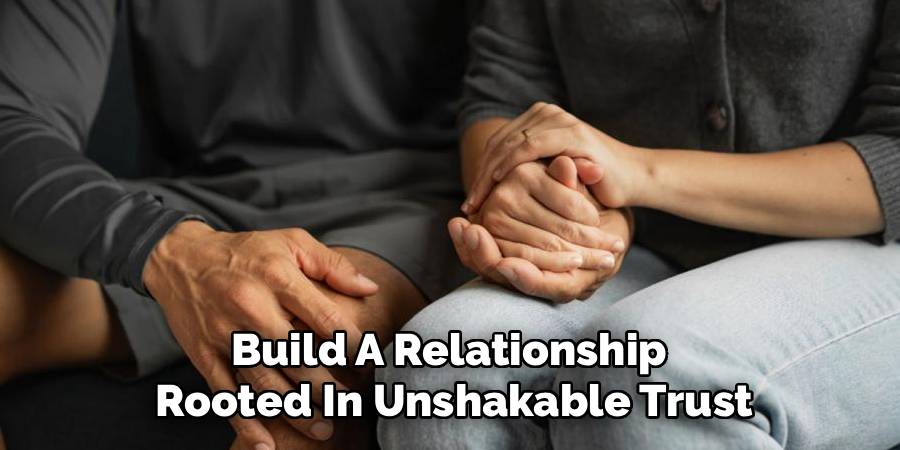
This guide on how to soothe anxious attachment partner will walk you through the practical, psychological steps to support your partner, calm their nervous system, and build a relationship rooted in unshakable trust.
What Will You Need?
You do not need a degree in psychology to support your partner, but you do need a specific set of emotional tools. Prepare to bring the following to your relationship:
- Patience: Rewiring attachment patterns takes time. Your partner will not become entirely secure overnight, and they will experience setbacks.
- Empathy: You must be able to step into their shoes. Even if their anxiety seems illogical to you, the fear they feel in their body is completely real.
- Consistency: Predictability is the antidote to relationship anxiety. You need the commitment to follow through on your words with matching actions every single day.
- Firm Boundaries: Supporting your partner does not mean losing yourself. You need the ability to set healthy limits with love and compassion, ensuring your own cup remains full.
- Self-Awareness: You will need to understand your own triggers and attachment style to prevent your reactions from escalating their anxiety.
10 Easy Steps on How to Soothe Anxious Attachment Partner
Step 1: Understand Their Unique Triggers
To soothe your partner, you first must understand what sets their anxiety in motion. Triggers are specific events, words, or behaviors that cause their fear of abandonment to flare up. For an anxiously attached person, common triggers include sudden changes in your tone of voice, delayed text responses, or a shift in physical affection. Pay close attention to the moments when they become clingy or withdrawn. Sit down together during a calm moment and gently ask them to share what actions make them feel insecure. When you know the exact map of their triggers, you can navigate your relationship with much greater care and avoid accidentally setting off their alarm system.

Step 2: Communicate Consistently and Openly
Silence is a blank canvas where an anxious mind paints its worst fears. If you leave long gaps in communication without explanation, their brain will automatically assume you are losing interest or pulling away. You can easily prevent this by establishing consistent communication habits. Send a quick message in the morning to start their day with a sense of connection. If you know you will be busy at work and unable to check your phone, simply tell them in advance. A quick message saying, “I have back-to-back meetings for the next four hours, but I will call you as soon as I am done,” provides an anchor of safety that prevents their anxiety from spiraling.
Step 3: Offer Frequent, Unprompted Reassurance
Anxious partners often ask for reassurance, but it means far more when you give it without them having to ask. Unprompted reassurance proves that you are actively thinking about them and valuing the relationship. Make it a habit to verbalize your affection and commitment. Tell them exactly why you love them, remind them that you are happy in the relationship, and compliment their unique traits. Small phrases like “I am so grateful to have you in my life,” or “I was just thinking about how much I enjoy spending time with you,” act as a powerful emotional buffer against their internal doubts.
Step 4: Practice Active Listening During Moments of Panic
When your partner is in the middle of an anxious spiral, they do not need you to fix the problem immediately. They need you to hear them. Active listening means giving them your full, undivided attention. Put your phone away, make steady eye contact, and turn your body toward them. Let them speak without interrupting, and reflect back what you hear. You might say, “It sounds like you felt really dismissed when I made those plans without asking you first.” This technique demonstrates that you value their perspective and are willing to sit with them in their discomfort without rushing to shut down their feelings.
Step 5: Establish and Maintain Healthy Boundaries
It might seem counterintuitive, but boundaries actually make anxious partners feel safer. When a relationship lacks boundaries, it feels chaotic and unpredictable. By setting clear, loving limits, you show your partner exactly where they stand and what they can expect from you. If you need an hour of quiet time after work to decompress, communicate this clearly but wrap it in reassurance. Say, “I need an hour to relax right now so I can be fully present with you this evening.” Stick to this routine so they learn that your boundary is not a rejection, but a healthy habit that ultimately benefits the relationship.
Step 6: Show Up Constructively During Conflict
Conflict is terrifying for an anxious partner because it feels like a precursor to a breakup. They might react by clinging tightly or becoming overly emotional. You must approach disagreements differently to keep the situation grounded. Keep your voice calm and steady, and avoid using definitive language like “always” or “never.” Most importantly, never threaten the relationship during a fight. Reassure them before, during, and after the conflict. A simple statement like, “We are angry right now, but we are going to figure this out because I am not going anywhere,” can completely defuse their panic and allow you to resolve the actual issue.
Step 7: Encourage Their Independence
While you want to support your partner, you also want to help them build their own internal sense of security. An anxious partner often enmeshes their identity with yours, relying entirely on the relationship for their happiness. Gently encourage them to pursue their own hobbies, spend time with their friends, and focus on their personal goals. When they do things independently, celebrate their achievements and show enthusiasm for their individual life. Remind them that you love them for who they are as an individual, not just for the role they play in your life as a partner.

Step 8: Be Predictable and Reliable
Predictability is the ultimate comfort for an anxious nervous system. If you say you are going to do something, you must do it. If you promise to call at seven o’clock, pick up the phone at seven o’clock. When you consistently align your actions with your words, your partner’s brain begins to categorize you as a safe, reliable presence. This slowly overrides their past experiences of betrayal or inconsistency. Over time, this reliability builds a massive reservoir of trust. When you inevitably make a minor mistake in the future, they will give you the benefit of the doubt because you have proven your steady character.
Step 9: Validate Their Feelings, Even When You Disagree
You do not have to agree with your partner’s assessment of a situation to validate their emotional experience. Validation simply means acknowledging that their feelings are real to them and worthy of space. If they feel jealous because you spoke to a coworker, dismissing them by saying, “You are being crazy, it is just work,” will only amplify their distress. Instead, say, “I can see that my interaction with my coworker made you feel insecure and worried. I understand why you feel that way, given your past.” Once they feel seen and understood, their defenses will drop, and you can logically reassure them.
Step 10: Seek Professional Support Together
Sometimes, love and good intentions are not enough to resolve deep-seated attachment wounds. If your partner’s anxiety is severely impacting their quality of life or the health of your relationship, professional help is an excellent step. Encourage them to seek individual therapy to work through their core wounds. Furthermore, consider attending couples counseling together. A trained therapist can give you both personalized tools to communicate better, break toxic cycles, and build a more secure dynamic. Framing this as a team effort shows your partner that you are fully committed to building a healthy, lasting future alongside them.

5 Things You Should Avoid
- Dismissing Their Feelings: Never tell your partner they are “overreacting,” “being dramatic,” or “acting crazy.” This invalidates their reality and makes them feel completely alone, causing their anxiety to skyrocket as they try harder to make you understand their pain.
- Using the Silent Treatment: Withdrawing emotionally or refusing to speak to them is one of the most damaging things you can do. The silent treatment triggers their deepest fears of abandonment and leaves them in a state of agonizing uncertainty.
- Being Unpredictable: Sudden changes in your routine, mood, or level of affection without explanation will immediately trigger an anxious partner. Keep your behavior steady, and if things need to change, communicate the reasons clearly and promptly.
- Mocking Their Need for Connection: Never make fun of their desire for closeness or complain about their requests for reassurance in a condescending way. This destroys trust and teaches them that it is not safe to be vulnerable with you.
- Making Empty Promises: Do not agree to things just to calm them down in the moment if you have no intention of following through. Broken promises reinforce their internal belief that people cannot be trusted and that they are eventually going to be let down.
Conclusion
How to soothe anxious attachment partner is an incredible act of love. It requires you to step outside your own perspective, exercise immense patience, and communicate with deliberate care.
By understanding their triggers, offering unprompted reassurance, and maintaining healthy boundaries, you provide the secure base they have always needed. Remember that you are not responsible for fixing their past, but you have the power to help shape a much brighter, more secure future for them.
Over time, your consistency will help calm their fears, paving the way for a deeply connected, trusting, and fulfilling partnership.

About
Joe Herman is a distinguished figure in the world of personal development, with a decade of expertise creating innovative and sustainable self-improvement frameworks. His professional focus lies in merging cognitive behavioral strategies with modern productivity techniques, fostering habits that are both practical and mentally sustainable. As the lead author of selfvity, Joe Herman delves into the art and science of human potential, inspiring individuals and industry professionals alike to optimize their daily lives.
Education
Stanford University
(Stanford, California) Associate Degree in Behavioral Psychology — Focus on habit formation, cognitive restructuring, and peak performance. Gained hands-on experience with psychological assessment tools and data-driven behavioral modification.
University of Pennsylvania
(Philadelphia, Pennsylvania) Bachelor’s in Positive Psychology and Human Potential (Honors) — Specialized in the science of well-being with a focus on blending psychological theory with actionable growth techniques. Participated in extensive research projects, working with leading wellness consultants to gain real-world insights into human motivation.
Publications and Impact
In selfvity, Joe Herman shares his insights on internal growth processes, mental material, and strategies for efficient lifestyle design. His writing bridges the gap between scientific research and everyday application, making it a must-read for both individuals seeking personal clarity and seasoned professionals looking to refine their mental edge.




