
Waking up with a stiff neck has a way of spoiling the day before it properly starts. Even small movements—checking your blind spot, looking down at your phone, turning toward the alarm—can suddenly feel far harder than they should. At night, that discomfort often becomes its own problem: you are tired, but every position seems wrong, and sleep turns into a slow negotiation with pain.
The good news is that this is often manageable. In many cases, a stiff neck improves when you change how you sleep, what supports your head, and a few habits that may be feeding the problem without you realizing it. The aim is not perfection. It is simpler than that: keep your neck in a more neutral position, reduce strain, and give irritated muscles a better chance to settle down overnight. In this guide on how to sleep with a stiff neck, we will explore the causes of a stiff neck and some simple tips to alleviate discomfort and improve your sleep.
Common Causes of a Stiff Neck
Neck stiffness usually has a cause, even if it does not seem obvious at first. Quite often, it builds gradually from daytime posture. Hours spent leaning toward a laptop, working at a kitchen table, or looking down at a phone may not feel dramatic in the moment, yet that repeated position can leave the muscles around the cervical spine overworked and sore by evening.
Sleep setup matters too—sometimes more than people expect. A pillow that is too tall, too flat, or simply worn out can hold the neck at an awkward angle for much of the night. Stress may play a part as well. Some people clench their jaw or raise their shoulders without noticing, especially during busy or anxious periods, and that tension does not always switch off at bedtime. In a smaller number of cases, the stiffness could be linked to something else, such as osteoarthritis, a mild strain from exercise, or another localized irritation that limits movement.
7 Simple Step-by-step Guidelines on How to Sleep With a Stiff Neck
Step 1: Choose the Right Pillow Material

Pillow material is not just a comfort preference; it can change how well your neck is supported over several hours. Memory foam and latex are commonly suggested because they tend to hold their shape and conform more consistently to the head and neck. That may help reduce the sagging feeling you get with some softer pillows.
By contrast, feather or down pillows can feel pleasant at first and then compress too much during the night. For some sleepers, that means the neck ends up doing extra work instead of resting. If you like to fine-tune things, a water-based or buckwheat pillow may be worth considering because the fill can often be adjusted. The best choice is usually the one that keeps your head from sinking too low or being pushed too high. Fancy marketing does not matter much if the pillow stops supporting you halfway through the night.
Step 2: Find the Ideal Pillow Height
Material helps, but height—or loft—is usually what makes or breaks neck comfort. A pillow that is too high tends to push the head forward or tilt it upward, which can leave the back of the neck irritated in the morning. One that is too low does the opposite, allowing the head to drop and stretching tissues that are already sensitive.
The goal is fairly modest: keep the neck in line with the rest of the spine. For side sleepers, that often means a thicker pillow that fills the space between the shoulder and the mattress. Back sleepers usually do better with something lower, as long as it supports the natural curve of the neck without propping the head too far forward. This sometimes takes trial and error, admittedly more than most product labels suggest. Still, getting the height right can make a noticeable difference.
Step 3: Sleep on Your Back
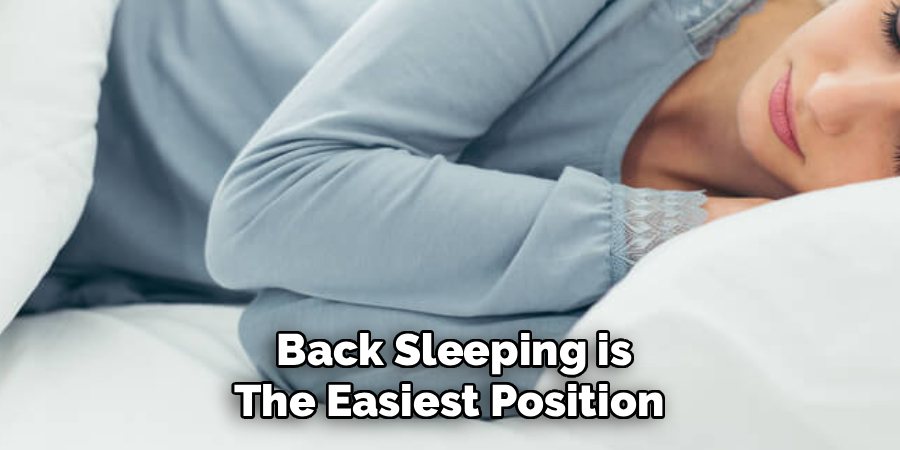
For many people, back sleeping is the easiest position for keeping the spine relatively neutral. Your weight is spread more evenly across the mattress, and there is less chance of twisting the neck into a sustained angle. That alone may reduce some of the strain that builds overnight.
Of course, back sleeping only helps if the support is right. A pillow should cradle the neck rather than shove the chin toward the chest. Some people also find that placing a small rolled towel under the base of the neck provides more focused support, though it should feel gentle, not rigid. A pillow under the knees can help as well by easing tension through the lower back, which in turn may make the whole position feel more stable. It is not a miracle fix. But for a stiff neck, it is often a sensible starting point.
Step 4: Try the Side Sleeping Position

If sleeping on your back feels unnatural or simply impossible, side sleeping is usually the next best option. The main issue here is alignment. Your head should not slope down toward the mattress or tilt up toward the ceiling. Ideally, the neck stays level with the rest of the spine.
That usually requires a pillow with enough height to fill the gap created by your shoulder. A small adjustment in chin position can help, too; slightly tucking the chin may keep the neck from falling into extension. Some people sleep better with a body pillow, or at least a pillow between the knees, because it helps keep the hips from rotating and pulling the spine out of line. It sounds like a small detail. Sometimes it is. Yet small details are often what turn side sleeping from aggravating to tolerable.
Step 5: Avoid Sleeping on Your Stomach
Stomach sleeping tends to be the hardest position for a sore neck. To breathe, you have to rotate your head to one side and stay there for a long time. That sustained twist may place extra stress on the neck muscles and joints, especially if things are already inflamed or tense.
There is usually a second problem, too: the lower back often sinks into an exaggerated arch. So the issue is not only the neck; the whole spine can end up in a less-than-ideal position. If you usually fall asleep on your stomach, switching habits may take time. Some people make the change gradually by using pillows to support side sleeping or by creating a setup that makes stomach sleeping less comfortable. The tennis-ball trick sewn or taped to the front of sleepwear is one example. Slightly awkward, yes. Still, it can work by interrupting the habit before you settle into it for hours.
Step 6: Apply Heat or Ice Before Bed

Heat and ice can both help, but they are not interchangeable in every situation. If the neck pain started after a fresh strain—say, after a workout or a sudden awkward movement—ice may be more useful early on because it can help calm inflammation and dull sharper pain. Fifteen minutes is often enough. Wrap the pack first so you do not irritate the skin.
Heat tends to suit stiffness that feels more muscular than acute: lingering tightness, low-grade soreness, that stubborn “stuck” feeling at the end of the day. A heating pad or warm shower before bed may help the muscles loosen and make it easier to settle into position. Some people strongly prefer one over the other, and that is fine. The best option is often the one that actually gives relief without making the area feel worse afterward.
Step 7: Do Gentle Neck Stretches
A few gentle stretches before bed may reduce some of the tension that has built up during the day. “Gentle” matters here. The point is not to force a stiff neck into submission. Usually, that backfires.
One simple stretch is a side bend: sit upright, keep your shoulders relaxed, and slowly bring your right ear toward your right shoulder until you feel a mild stretch along the left side of the neck. Hold for about twenty seconds, then switch sides. A chin tuck can also be useful. Draw your head straight back—not down—while looking forward, as if you are making a double chin on purpose. It is not glamorous, but it may help activate the muscles that support better posture. If any stretch causes sharp pain, tingling, or a clear increase in symptoms, stop. Relief is the target, not endurance.
Following these steps on how to sleep with a stiff neck can also help prevent stiffness from occurring in the first place.
When to Avoid Self-Care and Seek Help?
Most stiff necks improve with time and fairly basic home care. Even so, there are situations where self-treatment is not enough and should not be your first move. If neck pain comes with a severe headache, fever, or nausea, that combination needs medical attention because it could point to something more serious, including infection.
You should also be cautious if the pain travels into the arms or if you notice tingling, numbness, or weakness in the hands. Those symptoms may suggest nerve involvement rather than simple muscle tension. And if the stiffness began after a car accident, a fall, or another notable impact, it is worth getting evaluated rather than assuming it will settle on its own. Neck pain after trauma is one of those cases where guessing is not especially wise.
Recovery Timeline
When a stiff neck is caused by a mild strain or an awkward sleeping position, it often starts to ease within two or three days. The first day may be the worst, especially if the muscles are inflamed and guarding against movement. After that, the pain often begins to fade gradually, provided you are not continuing the habits that irritated it in the first place.
Within a week, many people regain their usual range of motion or something close to it. That said, recovery is not always perfectly linear. You may feel better one morning and worse again after a poor night’s sleep or a long day at the computer. If symptoms last beyond a week with little improvement—or if they steadily intensify—that is a reasonable point to speak with a healthcare provider or physical therapist.
Common Mistakes to Avoid
People often make a stiff neck linger longer than necessary, usually without meaning to. One common mistake is piling up pillows while reading or watching television in bed. That posture pushes the head forward for long stretches, which is exactly what an irritated neck tends to dislike.
Another misstep is total stillness. Rest helps, yes, but avoiding all movement for days can leave muscles tighter and less tolerant. Gentle motion is usually better than freezing up. Carrying a heavy bag on one shoulder can also keep the neck under uneven strain, especially if you do it daily. Then there is the temptation to “crack” the neck for quick relief. It is understandable. It also may aggravate already sensitive joints and soft tissues, so it is not a great habit to rely on when the area is sore.
Frequently Asked Questions
Q1: Can I Sleep Without A Pillow If My Neck Hurts?
Usually, no—at least not if you sleep on your back or side. Without a pillow, the head often drops too far relative to the mattress, which can pull the neck out of a neutral position. Most people need some support there, even if it is only a low pillow.
The exception people sometimes mention is stomach sleeping, where no pillow or a very thin one may reduce neck extension. But since stomach sleeping tends to worsen neck strain for other reasons, that is not much of an advantage in practice.
Q2: Does Sleeping In A Cold Room Cause Neck Stiffness?
A cold room does not necessarily cause neck stiffness on its own, but it may contribute indirectly. When people get cold, they often tighten up without noticing—shoulders creep upward, jaw clenches, muscles stay braced. Hold that posture for hours and you may wake up sore.
So the issue may be less about room temperature itself and more about how your body responds to it. If you regularly wake with neck tightness in a chilly room, warmer bedding or a small change in sleepwear might help.
Q3: What Is The Best Sleeping Position For Neck Pain?
Back sleeping is often considered the best option because it makes it easier to keep the spine in a neutral position. There is less twisting, and pressure tends to be distributed more evenly. For that reason, it often works well for people with neck pain.
Still, “best” depends on what you can actually sustain through the night. If back sleeping does not work for you, side sleeping is usually a solid alternative—as long as your pillow fills the space between your head and shoulder well enough to keep the neck aligned.
Final Thoughts and Next Steps
A stiff neck is rarely dramatic, but it is surprisingly disruptive. It can affect sleep, concentration, driving, work—small things that suddenly do not feel small. The encouraging part is that a few practical changes often help: better pillow support, less stomach sleeping, gentle stretching, and more attention to posture during the day.
None of this guarantees overnight relief, and it would be misleading to pretend otherwise. But these adjustments may improve the odds that your neck settles instead of staying irritated. If you try them and the pain keeps returning, lasts longer than expected, or begins to include nerve-like symptoms, it makes sense to get individual advice. Sometimes the problem is just a bad pillow. Sometimes it is not. Thanks for reading this guide on how to sleep with a stiff neck.

About
Joe Herman is a distinguished figure in the world of personal development, with a decade of expertise creating innovative and sustainable self-improvement frameworks. His professional focus lies in merging cognitive behavioral strategies with modern productivity techniques, fostering habits that are both practical and mentally sustainable. As the lead author of selfvity, Joe Herman delves into the art and science of human potential, inspiring individuals and industry professionals alike to optimize their daily lives.
Education
Stanford University
(Stanford, California) Associate Degree in Behavioral Psychology — Focus on habit formation, cognitive restructuring, and peak performance. Gained hands-on experience with psychological assessment tools and data-driven behavioral modification.
University of Pennsylvania
(Philadelphia, Pennsylvania) Bachelor’s in Positive Psychology and Human Potential (Honors) — Specialized in the science of well-being with a focus on blending psychological theory with actionable growth techniques. Participated in extensive research projects, working with leading wellness consultants to gain real-world insights into human motivation.
Publications and Impact
In selfvity, Joe Herman shares his insights on internal growth processes, mental material, and strategies for efficient lifestyle design. His writing bridges the gap between scientific research and everyday application, making it a must-read for both individuals seeking personal clarity and seasoned professionals looking to refine their mental edge.