

Periods can be inconvenient. Sometimes they are more than that. For many people, a menstrual cycle brings cramps, low energy, mood shifts, bloating, or the odd sense that their body is asking for quieter treatment than usual. That can be frustrating, especially when daily life does not slow down just because your period started. Even so, menstruation is a normal bodily process, and it often becomes easier to manage when you respond to it with care rather than resistance.
Small adjustments can change the week quite a bit. Paying attention to what your body seems to need—more water, more rest, different food, less pressure—may not erase every symptom, but it can make the experience more manageable. In practice, period self-care is rarely about doing anything dramatic. More often, it is about lowering the strain. In this guide on how to take care of yourself on your period, we’ll explore some simple but effective self-care practices that can help make your period more comfortable and less disruptive.
Understanding Period Symptoms
Menstruation sets off a chain of hormonal changes that can affect far more than the uterus alone. Prostaglandins, which help the uterus contract so it can shed its lining, are often behind the cramping many people feel in the lower abdomen, pelvis, or back. In some cases, those same chemical signals also seem to be linked with nausea, loose stools, headaches, or a general wiped-out feeling. It is not unusual for discomfort to spill beyond one area of the body.
Mood and energy can shift too, sometimes sharply. Changes in estrogen and progesterone may leave you feeling irritable, flat, tearful, or simply tired in a way that is hard to explain to someone who is not experiencing it. None of this means you are weak or overreacting. If anything, it suggests your body is doing difficult physiological work. Recognizing those responses as part of the cycle—not a personal failure—can make them easier to handle.
6 Simple Step-by-step Guidelines on How to Take Care of Yourself on Your Period
Step 1: Prioritize Proper Hydration
Hydration sounds basic, and that may be why people skip over it. Still, it matters. During your period, fluid shifts in the body can contribute to headaches, sluggishness, and that heavy, uncomfortable feeling many people describe. Drinking enough water may also help with bloating, despite the common assumption that feeling puffy means you should drink less.
A simple target such as eight glasses a day can work as a starting point, though your needs may vary depending on weather, body size, and activity level. If plain water feels dull, make it easier on yourself: add lemon, cucumber, or mint, or rotate in warm drinks. Ginger tea or chamomile tea can be especially soothing when cramps, nausea, or digestive upset are part of the picture. The point is less perfection than consistency.
Step 2: Nourish Your Body With Iron-Rich Foods
Bleeding each month can reduce iron stores, especially if your periods are heavy. That does not automatically mean you are iron-deficient, but it may help explain why some people feel drained, lightheaded, or unusually weak during their cycle. Eating iron-rich foods can support recovery and help your body keep up with the demands of blood loss.
Practical options include spinach, lentils, beans, fortified cereals, and, for those who eat it, red meat in moderate amounts. Pairing those foods with vitamin C sources—bell peppers, citrus, strawberries—may improve iron absorption. It is also worth noticing how certain snacks make you feel. A day built around salty processed foods and sugar-heavy convenience items can leave some people feeling worse, not better: more bloated, more tired, and somehow still unsatisfied. Steadier meals tend to be kinder.
Step 3: Apply Targeted Heat Therapy
Heat is one of the oldest period remedies around, and it has lasted for a reason. A heating pad or hot water bottle placed on the lower abdomen or lower back can relax tense muscles and may lessen cramping fairly quickly. For many people, that relief is not dramatic or magical. It is simply real, which is enough.
You do not need elaborate equipment. A hot water bottle works. So does an electric heating pad, or a disposable heat patch if you need to leave the house. Some people find a warm bath especially helpful at the end of the day, when cramps seem to settle into the whole body and everything feels tighter than it should. If Epsom salts help you unwind, fine. If not, the warmth alone may do plenty.
Step 4: Engage in Gentle, Restorative Movement
Exercise during your period is often framed as an all-or-nothing question, which is not very useful. If an intense workout sounds unbearable, that is understandable. At the same time, staying completely still all day can sometimes make cramps, backache, and stiffness feel worse. Light movement may help by improving circulation and encouraging the release of endorphins, which can slightly blunt pain and lift mood.
The keyword here is gentle. Stretching on a yoga mat, walking around the block, or doing a short session of low-pressure movement may be enough. Child’s Pose, a supported twist, or even a slow hip stretch can feel relieving when your lower body is tight. A brief walk outdoors can also help if you are feeling mentally foggy. Still, this is not a moral test. If your body wants rest, listen.
Step 5: Optimize Your Sleep Environment
Sleep often gets harder during a period, not easier. Hormonal changes may interfere with your usual rhythm, and some people notice they wake more easily, feel too warm at night, or struggle to get comfortable because of cramps or bloating. When sleep quality drops, pain can feel sharper the next day. So can irritability. It becomes a loop.
That is why your bedroom setup matters more than usual. A cooler room, breathable bedding, and clothing that does not trap heat can make a noticeable difference. Some people find that taking a warm shower before bed helps them relax enough to fall asleep, even if the larger problem is not fully solved. Keeping screens away for the last hour of the night may also help, though admittedly that advice is easier to give than to follow. Even so, it is worth trying when your system already feels overstimulated.
Step 6: Practice Deep Self-Compassion
This part is often dismissed, which is a mistake. The mental and emotional side of a difficult period can be just as disruptive as the physical symptoms. Brain fog, irritability, crying more easily than usual, or wanting to cancel plans can all happen during hormonal shifts. Many people still expect themselves to function at full speed anyway, and that expectation can make a rough week feel harsher than it needs to be.
It may help to lower the bar a little. Not forever. Just for now. Tell people if you need more quiet, more space, or help with ordinary tasks. Choose comforting activities without turning them into a productivity project—reading in bed, watching something familiar, lying on the couch with a heating pad, or going to sleep early. There is nothing lazy about responding to your body with a bit of mercy.
Following these steps on how to take care of yourself on your period can make a huge difference in managing your symptoms and overall well-being.
Common Period Myths
Some period advice hangs around long after the evidence behind it has weakened. One common myth is that exercising while menstruating is dangerous. In reality, light movement is often helpful, especially for cramps and mood. Another misconception is that pregnancy cannot happen during a period.
That is not a safe assumption; cycle timing varies, and sperm can survive in the reproductive tract for several days. The idea that people who live together automatically sync their cycles has also been widely challenged by later research. In short, you do not need to put life on hold while you are bleeding, though pacing yourself may be wise.
When to See a Doctor?
A certain amount of discomfort is common during menstruation. Debilitating pain is another matter. If cramps are so intense that you regularly miss work, school, or daily activities, it is worth speaking with a healthcare professional. The same goes for very heavy bleeding—for example, soaking through a pad or tampon every hour for several hours in a row.
Other signs deserve attention too: clots larger than a quarter, bleeding that lasts longer than seven days, or symptoms that seem to be worsening over time rather than staying stable. These patterns could point to conditions such as endometriosis, fibroids, or PCOS. They do not confirm those diagnoses on their own, but they suggest that proper assessment matters. Too many people are told severe period pain is just something to tolerate. It should not be dismissed so quickly.
Self-Care Tips for Comfort
Comfort is not trivial during your period; it affects how the whole day feels. Loose clothing can ease pressure on a bloated abdomen. Keeping your preferred period products in one place—pads, tampons, period underwear, pain relief medicine, wipes, tea, maybe a heating patch—saves you from scrambling when you are already tired. That sort of preparation sounds minor until you need it.
Small comforts can help, too. A square of dark chocolate, if you enjoy it, may feel soothing and contains magnesium. A short guided meditation or a few minutes of slow breathing can take the edge off tension, particularly if cramps are making you anxious. What matters most is not whether the routine looks impressive. It is whether it leaves you feeling more supported in your own body.
Supporting Your Body Long-Term
Good period care does not begin on day one of bleeding and end on day five. Often, it works better as an ongoing practice. Tracking your symptoms across the month can reveal patterns—when your mood dips, when cravings hit, when pain usually starts, and whether certain foods or stress levels seem to make things worse. That information can be surprisingly useful.
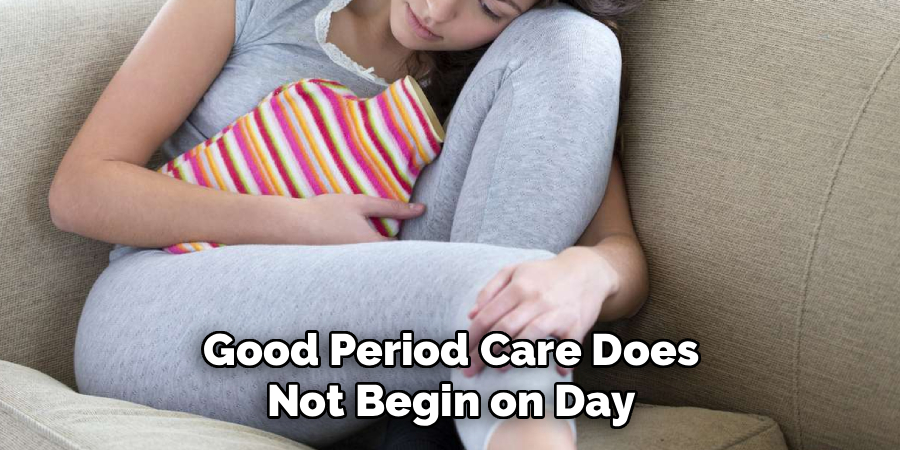
Over time, a generally balanced diet, regular movement, and better stress management may contribute to less disruptive cycles. Not perfect cycles. That promise would be too neat. But possibly smoother ones. Paying attention to your own rhythms helps you prepare rather than react, and that shift alone can make periods feel less chaotic.
Frequently Asked Questions
Q1: What Foods Should I Avoid During My Period?
It is often helpful to cut back on foods that seem to worsen bloating or leave you feeling sluggish. For many people, that includes highly processed snacks, very salty foods, and items heavy in refined sugar. Too much caffeine or alcohol may also make headaches, poor sleep, anxiety, or irritability worse. Instead, meals built around whole foods, fruit, vegetables, protein, and enough fluids tend to support steadier energy.
Q2: Is It Normal to Feel Extremely Tired While Menstruating?
Yes, fatigue during menstruation is common. Hormonal shifts can affect energy levels, and blood loss may add to that drained feeling, especially if your period is heavy. Some people also sleep worse during their cycle, which compounds the exhaustion. Extra rest, regular meals, hydration, and iron-rich foods may help, though unusually severe fatigue is worth discussing with a clinician.
Q3: How Can I Relieve Severe Cramps Without Medication?
Several non-medication approaches may help reduce severe cramps, though results vary from person to person. Heat therapy is usually the first thing to try because it is simple and often effective. Gentle stretching, walking, or yoga can also ease pelvic tension. Warm drinks such as ginger or chamomile tea may feel calming, and some people find magnesium-rich foods helpful. If cramps remain intense despite these measures, medical advice is a sensible next step.
Embrace Your Cycle With Care
Your period may never be your favorite time of the month. Fair enough. Still, it does not have to feel like something you merely survive. With a few thoughtful adjustments—more fluids, better rest, simple comfort measures, gentler expectations—you may be able to reduce some of the strain and move through the week with less friction.
Pay attention to what your body asks for. Then take that seriously. The more consistently you do that, the easier it often becomes to meet your cycle with skill instead of dread. Thanks for reading this guide on how to take care of yourself on your period.

About
Joe Herman is a distinguished figure in the world of personal development, with a decade of expertise creating innovative and sustainable self-improvement frameworks. His professional focus lies in merging cognitive behavioral strategies with modern productivity techniques, fostering habits that are both practical and mentally sustainable. As the lead author of selfvity, Joe Herman delves into the art and science of human potential, inspiring individuals and industry professionals alike to optimize their daily lives.
Education
Stanford University
(Stanford, California) Associate Degree in Behavioral Psychology — Focus on habit formation, cognitive restructuring, and peak performance. Gained hands-on experience with psychological assessment tools and data-driven behavioral modification.
University of Pennsylvania
(Philadelphia, Pennsylvania) Bachelor’s in Positive Psychology and Human Potential (Honors) — Specialized in the science of well-being with a focus on blending psychological theory with actionable growth techniques. Participated in extensive research projects, working with leading wellness consultants to gain real-world insights into human motivation.
Publications and Impact
In selfvity, Joe Herman shares his insights on internal growth processes, mental material, and strategies for efficient lifestyle design. His writing bridges the gap between scientific research and everyday application, making it a must-read for both individuals seeking personal clarity and seasoned professionals looking to refine their mental edge.




