

The flu has a way of flattening people quickly. One day, you are functioning more or less normally; the next, even sitting up can feel like work. In that state, the small choices matter. How you manage fever, fluids, rest, and timing may shape not only how comfortable you feel, but also how smoothly recovery unfolds.

A lot of people try to push through influenza as if it were an ordinary cold. That usually backfires. What tends to help is a quieter, more deliberate approach: support the body, reduce avoidable strain, and watch for signs that the illness is not following the usual course. This guide on how to take care of yourself with the flu walks through those steps in practical terms.
Understand What the Flu Does to Your Body
Influenza is a viral infection that affects the respiratory tract, including the nose, throat, and lungs. The symptoms can feel strangely disproportionate at first: chills, body aches, fever, headache, exhaustion. That intensity is not just the virus itself. Much of what you feel appears to come from the immune response your body mounts against it.
As the immune system reacts, inflammation rises, and that can leave you aching, feverish, and deeply tired. This is one reason rest matters so much. Fatigue during the flu is not laziness, and it is not something most people can simply out-discipline. It may be a sign that the body is diverting energy toward fighting infection, which is exactly what it needs to do.
7 Simple Step-by-step Guidelines on How to Take Care of Yourself With the Flu
Step 1: Make Rest and Sleep the Priority
If you have the flu, rest is not optional in any meaningful sense. It is one of the main ways you give your body room to recover. Sleep, especially, may help support normal immune function while reducing the physical stress that comes with work, errands, exercise, and even routine chores.
This is the part many people resist. They answer emails from bed, clean the kitchen between naps, and reassure themselves that they are “still productive.” Usually, that is less admirable than it sounds. Overexertion can leave you feeling worse and may drag out symptoms. If possible, clear your schedule, stay in bed or on the couch, and let recovery be the day’s only job.
Step 2: Keep Drinking Fluids, Even in Small Amounts
The flu can dry you out faster than you might expect. Fever increases fluid loss. Sweating does too. Some people also eat and drink less because they feel nauseated or simply have no appetite. That combination may lead to dehydration, which tends to make headaches, weakness, and throat irritation feel worse.
Water is the obvious choice, but it does not have to be the only one. Warm tea, broth, and other mild fluids can be easier to tolerate when plain water feels unappealing. Sipping often is usually more realistic than trying to drink a large amount at once. Keeping a bottle or cup within reach helps. It also may ease congestion a bit by keeping mucus thinner and the throat less dry.

Caffeinated drinks and very sugary beverages are often less helpful when you are sick. They can irritate the stomach for some people, and they are not always the easiest way to stay comfortably hydrated.
Step 3: Use Over-the-Counter Medicines Carefully
There is no over-the-counter cure for influenza, and products that imply otherwise deserve a little skepticism. What these medicines can do is make the illness more tolerable. Acetaminophen or ibuprofen may lower fever and reduce body aches or headache. Depending on your symptoms, a decongestant or expectorant could also provide some relief.
That said, the labels matter. Quite a few cold-and-flu products contain overlapping ingredients, and it is easy to take more than intended without realizing it. A multi-symptom formula plus a separate pain reliever, for example, can become a problem if both contain the same medication. Read closely. Follow dosing instructions. If anything is unclear, ask a pharmacist rather than guessing. That brief conversation is often more useful than another internet search spiral.
Step 4: Add Moisture to Dry Air
Indoor air, especially in winter, can be rough on an already irritated throat and nose. When the air is dry, coughing may feel harsher, and congestion can seem thicker and harder to clear. A cool-mist humidifier may make breathing a little easier by adding moisture back into the room.
For some people, that difference is noticeable at night, when symptoms often feel most aggravating. The air may seem gentler on the throat, and mucus may loosen enough to reduce that “stuck” feeling in the chest or sinuses. None of this is dramatic. Still, small comforts add up when you feel terrible.
Clean the humidifier regularly, though. A neglected machine can introduce mold or bacteria into the air, which defeats the point. If you do not have one, steam from a shower or a closed bathroom with hot water running can offer short-term relief. Even ten minutes may help loosen congestion enough to breathe more comfortably.
Step 5: Eat What You Can, but Choose Foods That Are Easy on the Body
Appetite often disappears during the flu. That is common. Even so, your body still needs energy and fluids. At this stage, the goal is usually not to eat perfectly. It is to eat enough, in forms you can tolerate.
Simple foods tend to work best: soup, toast, applesauce, bananas, rice, crackers. Chicken soup remains popular for a reason. It is warm, easy to eat, and combines fluid with some nutrition in a way that is usually gentle on the stomach. If fruit appeals to you, something with vitamin C may be fine, though it is worth saying that no single food is going to turn the illness around overnight.

Greasy meals, heavily processed snacks, or anything that tends to upset your stomach may be more trouble than they are worth. Smaller portions every few hours are often easier than one full meal. When people force large meals while feeling feverish and nauseated, it rarely ends well.
Step 6: Raise Your Head if Congestion Is Keeping You Awake
Lying flat can make nighttime symptoms worse. Mucus may collect in the back of the throat, which can trigger coughing just as you are trying to fall asleep. Elevating your head and upper body slightly may help with drainage and reduce some of that pressure.
An extra pillow or two may be enough, provided your neck is still supported. If stacking pillows feels awkward, a recliner or wedge pillow can work better. The point is not perfect posture; it is easier breathing. Better sleep often follows, and sleep, as unglamorous as this advice is, remains one of the more reliable aids during recovery.
Step 7: Pay Attention to Fever and Symptom Changes
It helps to keep track of how you are doing, even in a simple way. Check your temperature once or twice a day with a digital thermometer, especially if fever has been one of your main symptoms. Many flu fevers peak early and then begin to ease over the next couple of days, though individual patterns vary.
What matters most is the direction of travel. If symptoms are gradually improving, that is reassuring. If a fever fades and then comes back, or if breathing becomes difficult, chest pain develops, dizziness worsens, or you feel significantly more ill after seeming to improve, those changes may suggest something more than routine flu recovery. That is the point at which medical advice becomes important.
Following these steps on how to take care of yourself with the flu can help to alleviate symptoms and prevent further complications.
Care for High-Risk Groups
Some people are more likely than others to develop serious flu-related complications, including pneumonia. This higher-risk group includes young children, pregnant women, adults age 65 and older, and people living with conditions such as asthma or diabetes.
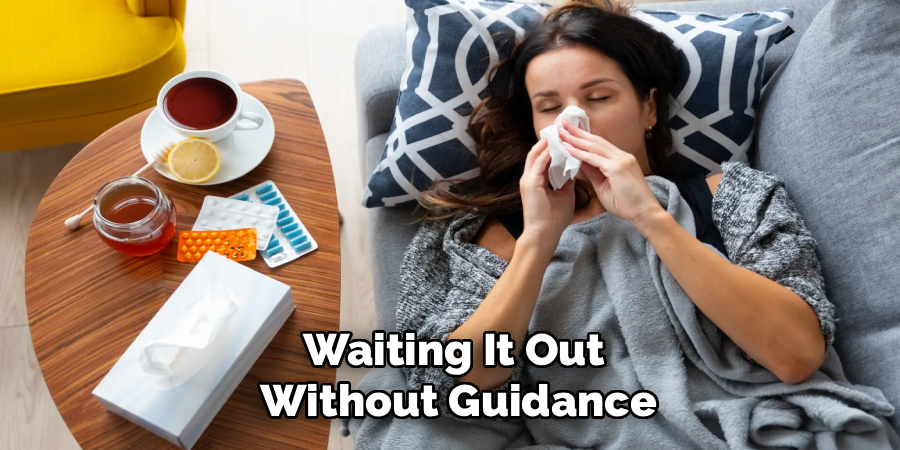
For them, waiting it out without guidance may not be the best approach. Contacting a healthcare provider early is often wise. Antiviral treatment tends to work best when started within the first 48 hours of symptoms, and in higher-risk patients, it may reduce the severity or duration of illness. Not every case requires the same response, of course, but these are not situations to treat casually.
Common Mistakes to Avoid
One of the most common mistakes is resuming normal life too soon. A slight drop in fever can create the illusion that the worst is over, and people often return to work, go for a run, or start catching up on everything they missed. Then the crash comes. Recovery is rarely linear, and influenza has a habit of punishing impatience.
Another error is taking leftover antibiotics. They do not treat viruses, including the flu. Worse, using them when they are not needed may contribute to side effects and antibiotic resistance. It is also worth being honest about contagion. If you keep moving around the house, sharing spaces closely with family, or going out while clearly ill, you increase the odds that someone else gets sick too.
Home Comfort Tips for Recovery
Comfort will not cure the flu, but it can make a rough week more manageable. That matters. Keep tissues nearby, especially the softer kind, if your nose is already irritated. Have both blankets and a lighter layer within reach, since chills and sweating often trade places with little warning.
Warm drinks can be soothing, particularly if your throat is sore. Water with honey and lemon is a familiar option and may feel calming, even if the effect is modest. A dim room may help if bright light makes a headache worse. Some people find it easier to pass the time with low-effort audio, like music or an audiobook, rather than staring at a screen when they are feverish and foggy.
There is nothing profound about setting up a better sickbed. It just helps. And when you have the flu, practical relief tends to matter more than grand advice.
When to Return to Normal Activities?
In general, stay home until you have been fever-free for at least 24 hours without using fever-reducing medicine. That benchmark matters because it suggests the illness is easing and lowers the chance that you are still highly contagious.
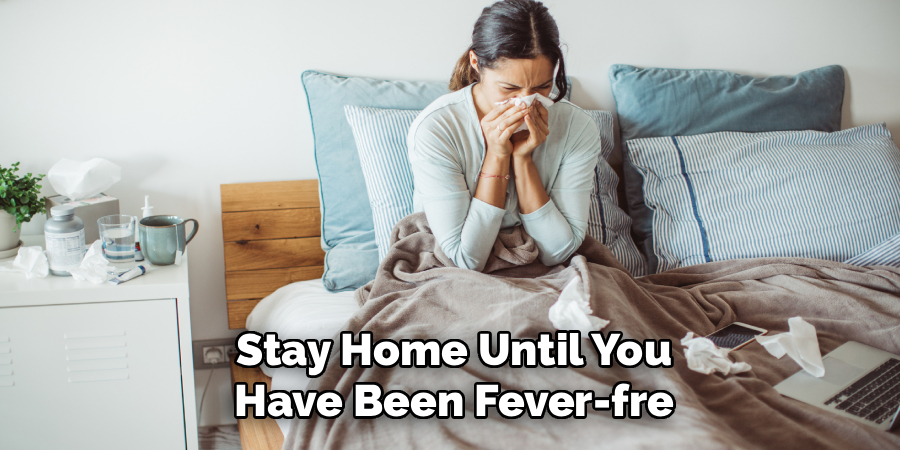
Even then, do not expect to feel fully restored right away. Fatigue can linger. So can cough. If possible, return gradually: lighter tasks first, shorter work periods, fewer physical demands. Hard exercise and strenuous chores can wait until breathing feels normal again and your strength has mostly returned. People often dislike this advice because it sounds slow. It is slow. It is also usually better than relapsing.
Prevention for the Future
The most reliable step for reducing future flu risk is getting the seasonal influenza vaccine before flu activity peaks. It does not prevent every case, but it remains one of the better tools available.
Every day habits matter too. Wash your hands with soap and water for at least 20 seconds, especially after being in public spaces or around sick people. Try not to touch your eyes, nose, or mouth unnecessarily. Those simple actions are not glamorous, and public health advice can sound repetitive after a while, but repetition is not the same as irrelevance.
Frequently Asked Questions
Q1: How Long Does The Flu Typically Last?
A1: In many otherwise healthy adults, the worst flu symptoms last about five to seven days. That said, recovery does not always end there. Tiredness can hang on for a couple of weeks, and a dry cough may linger as the respiratory tract gradually settles down. This can feel frustrating, especially once the fever is gone, but it is fairly common.
Q2: Can I Take Antibiotics To Cure The Flu?
A2: No. Antibiotics do not treat the flu because the flu is caused by a virus, not bacteria. Taking antibiotics when they are not needed will not speed recovery and may contribute to side effects or antibiotic resistance. If treatment is appropriate, a clinician may consider antiviral medication, which is different from an antibiotic.
Q3: When Should I See A Doctor For The Flu?
A3: Seek medical care promptly if you have trouble breathing, chest pain or pressure, severe dizziness, or vomiting that makes it hard to keep fluids down. You should also contact a doctor if symptoms seem to improve and then return with a new fever or a worse cough. That pattern may indicate a complication or secondary infection and should not be ignored.
Your Path to Full Health
Recovering from the flu usually takes patience more than anything else. Rest helps. Fluids help. So does a little restraint, which is often the part people skip. If you give your body time to recover instead of fighting the process, you are less likely to prolong the illness or create avoidable setbacks.
Take the basics seriously. Sleep when you can. Drink regularly. Pay attention to symptoms that seem to be changing in the wrong direction. Most people do improve with steady care, but the body tends to recover on its own timetable, not ours. Thanks for reading this guide on how to take care of yourself with the flu.

About
Joe Herman is a distinguished figure in the world of personal development, with a decade of expertise creating innovative and sustainable self-improvement frameworks. His professional focus lies in merging cognitive behavioral strategies with modern productivity techniques, fostering habits that are both practical and mentally sustainable. As the lead author of selfvity, Joe Herman delves into the art and science of human potential, inspiring individuals and industry professionals alike to optimize their daily lives.
Education
Stanford University
(Stanford, California) Associate Degree in Behavioral Psychology — Focus on habit formation, cognitive restructuring, and peak performance. Gained hands-on experience with psychological assessment tools and data-driven behavioral modification.
University of Pennsylvania
(Philadelphia, Pennsylvania) Bachelor’s in Positive Psychology and Human Potential (Honors) — Specialized in the science of well-being with a focus on blending psychological theory with actionable growth techniques. Participated in extensive research projects, working with leading wellness consultants to gain real-world insights into human motivation.
Publications and Impact
In selfvity, Joe Herman shares his insights on internal growth processes, mental material, and strategies for efficient lifestyle design. His writing bridges the gap between scientific research and everyday application, making it a must-read for both individuals seeking personal clarity and seasoned professionals looking to refine their mental edge.




