Returning from a long beach day or an intense outdoor workout often leaves you facing an unexpected challenge in front of the bathroom mirror. Stubborn white sunscreen clings desperately to your face and body, completely ignoring your usual shower routine. Zinc oxide functions as an incredible, natural mineral for sun protection, physically blocking harmful rays from penetrating your epidermis.
Its thick and water-resistant nature makes it notoriously difficult to wash away with standard soap alone. Water simply beads up and rolls off the white cast, leaving a chalky residue behind. You might find yourself scrubbing aggressively, which only leads to redness and irritation.
Learning exactly how to get zinc off skin appears to be an essential skill for keeping pores clear and preventing unwanted breakouts. When heavy minerals sit on the epidermis overnight, they trap sweat and bacteria beneath them. This guide explores a gentle, highly effective, and science-backed approach to removing every last trace of mineral sunscreen without compromising your skin.
Why Zinc Oxide is So Hard to Remove
Physical sunscreens operate differently from their chemical counterparts. Understanding this fundamental distinction helps clarify why your regular body wash fails to make a dent in the white residue. The difficulty lies entirely in the chemical formulation.
The Water-Resistant Barrier
Mineral sunscreens are specifically formulated to sit entirely on top of the skin rather than sinking into the lower layers. Manufacturers incorporate heavy binding agents, waxes, and specialized oils to make these formulas sweat-proof and water-resistant. This creates a physical shield that actively repels water-based cleansers upon contact.
When you apply regular soap, the lather simply glides over the waterproof barrier without actually breaking it down. The active ingredients in standard cleansers cannot penetrate the thick lipid matrix holding the heavy metals in place. Consequently, the white cast remains firmly anchored to your epidermis.
Skin Types and Adhesion
The way this mineral clings to your body often depends heavily on your specific complexion. Individuals with dry skin frequently notice that the white cast appears much more prominent and harder to wash away. Dry patches and micro-flakes act like tiny traps, holding onto the heavy paste.
Oily and combination skin types face a different set of challenges when dealing with physical sunblocks. Excess sebum might mix with the sunscreen, creating an unusually dense sludge that settles deep into enlarged pores. This adhesion variation suggests that a customized approach is necessary for complete removal.
The Science Behind How to Get Zinc Off Skin Safely
Dermatologists generally recommend a technique known as double cleansing for handling heavy, waterproof products. This two-step process addresses the specific chemical properties of physical sunblocks. Understanding how to get zinc off skin effectively requires a basic grasp of molecular interactions.

Like Dissolves Like Principle
The basic chemistry rule that “oil dissolves oil” forms the foundation of this removal strategy. Zinc oxide particles are suspended in a heavy base of natural carrier oils and waxes to create the sunscreen lotion. Therefore, introducing a new oil-based cleanser is required to melt those specific ingredients away gently.
When you massage oil onto the sunscreen, the two substances bind together. The cleanser breaks the structural integrity of the waterproof barrier, turning the rigid paste into a movable liquid. This chemical interaction happens without any aggressive physical friction.
Protecting Your Skin Barrier
Maintaining the skin’s natural moisture barrier during the cleansing process should remain your primary objective. Scrubbing away heavy metals with harsh physical force often strips away essential natural lipids alongside the dirt. A compromised barrier leads directly to transepidermal water loss and chronic irritation.
The oil-cleansing approach removes the stubborn sunscreen while simultaneously conditioning the outer dermal layers. This methodical technique lifts the foreign particles out of your pores while leaving your natural defensive oils entirely intact. It provides a surprisingly gentle solution to a highly stubborn problem.
Step-by-Step Guide: How To Get Zinc Off Skin
This methodology serves as the ultimate, foolproof routine for dissolving physical sunblocks. Following these specific steps will effortlessly melt away thick mineral layers while leaving your complexion soft and clean. Patience and proper sequencing remain essential for success.
Step 1: Gather Your Oil-Based Cleansers
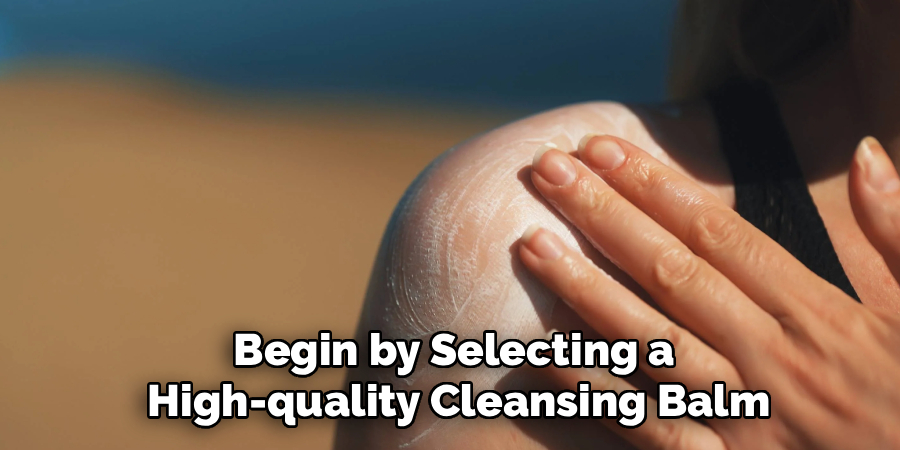
Begin by selecting a high-quality cleansing balm, a liquid cleansing oil, or even a safe carrier oil straight from your pantry. Preparation prevents you from scrambling for supplies with greasy hands later. You should also have a soft, clean washcloth placed within easy reach of the sink.
Step 2: Apply Oil to Dry Skin
Your skin and hands must be completely dry before initiating this process. Introducing water too early will cause the waterproof sunscreen to repel your cleanser, entirely halting the chemical breakdown. Apply a highly generous amount of your chosen oil directly over the stubborn white cast.
Step 3: Massage Gently in Circular Motions
Use your fingertips to massage the product into your skin for at least sixty continuous seconds. Apply light pressure, allowing the friction and the cleanser to interact with the mineral barrier. You will notice the stubborn white patches slowly turning into a translucent, milky texture as the bond breaks.
Step 4: Let the Cleanser Sit
Sometimes, the sunscreen layer is exceptionally thick, particularly after a long day of reapplication. Allowing the oil to sit on your face or body for an additional minute may provide a distinct advantage. This brief waiting period gives the lipids extra time to lift heavy minerals out of congested pores.
Step 5: Wipe Away with a Warm Cloth
Dampen your soft washcloth with comfortably warm water. Gently sweep the fabric over your skin in smooth, outward motions. This action wipes away the emulsified oil and the dissolved sunscreen together, requiring absolutely no harsh rubbing or pulling.
Step 6: Follow Up with a Water-Based Cleanser
The final phase of double cleansing ensures a completely pristine finish. Wash the treated area with a gentle, foaming, or gel-based face wash. This second pass removes any lingering oily residue left behind by the first cleanser, leaving your complexion perfectly balanced.
Best Oil-Based Products for Zinc Removal
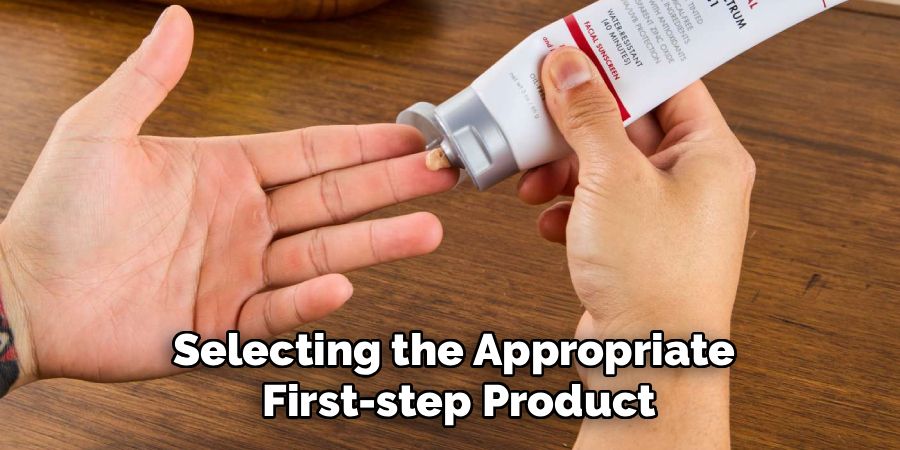
Selecting the appropriate first-step product heavily influences the overall ease of your routine. The market offers several distinct categories of lipid-heavy cleansers. Your choice might depend on your budget, travel needs, and personal texture preferences.
Cleansing Balms
Cleansing balms arrive in solid form and melt into a luxurious, buttery texture upon contact with body heat. Their solid state makes them excellent for travel, as they will not leak in your luggage. They provide a highly precise application, which works perfectly for targeted facial removal.
Liquid Cleansing Oils
Liquid cleansing oils often contain special chemical emulsifiers built directly into their formulas. These emulsifiers allow the oil to turn milky and rinse away easily the moment water touches them. This specific characteristic makes them an incredible option for full-body sunscreen removal in the shower.
Natural Household Oils
Accessible alternatives exist for readers who might need a quick fix without visiting a skincare boutique. Extra virgin olive oil, cold-pressed coconut oil, or jojoba oil can function quite effectively in a pinch. Keep in mind that pure household oils lack emulsifiers, meaning they will require a slightly more thorough second wash.
Alternative Methods for Removing Zinc
You might occasionally find yourself without access to a full double-cleansing setup. Situations like post-gym locker room visits or camping trips require faster, more portable solutions. Several secondary options exist for managing heavy sunblock on the go.
Micellar Water Magic
Micellar water contains tiny clusters of molecules called micelles, which actively attract dirt, sebum, and oils. You can soak a soft cotton pad in the solution and hold it firmly against your skin for a few seconds. This brief contact time allows the micelles to grab onto the sunscreen before you gently wipe it away.
Makeup Remover Wipes
Thick, oil-infused makeup wipes offer undeniable convenience when you lack running water. They are perfect for quickly taking off thick sports sunscreen from your neck and arms before hopping into your car. However, relying on them for daily facial cleansing may introduce unnecessary friction and micro-damage over time.
What to Avoid When Washing Off Zinc
Frustration often drives people toward counterproductive cleaning methods. Resorting to extreme measures rarely yields a clear complexion and frequently leads to severe irritation. Identifying common mistakes helps you avoid red, damaged, and highly reactive skin.
Harsh Scrubbing and Exfoliating
You should strongly avoid using rough loofahs, pumice stones, or harsh physical scrubs to force the white cast off. The mineral particles themselves are slightly abrasive when ground heavily against the epidermis. Aggressively rubbing them can cause microscopic tears, invite bacteria, and accelerate premature aging.

Hot Water Damage
Scalding hot water might feel soothing on tired muscles, but it acts as a direct enemy to sun-exposed skin. High temperatures inflame tissue and rapidly strip away natural surface moisture. Rinsing your face in a hot shower leaves the barrier feeling uncomfortably tight and severely dehydrated.
Stripping Soaps
Heavily fragranced body washes and traditional bar soaps lack the lipid density required to break down waterproof layers. Using them repeatedly in a single shower session strips your skin of its acid mantle. This usually results in a sticky, leftover film of sunscreen combined with extreme dermal dryness.
Caring for Your Skin Post-Removal
The cleansing process represents only the first half of post-sun recovery. Your skin requires immediate replenishment after spending hours exposed to ultraviolet radiation and environmental stressors. Implementing a restorative aftercare routine ensures a calm, healthy complexion.
Hydrating Toners
Sun exposure and the subsequent wiping process can leave behind a mild, lingering redness. Applying a soothing, alcohol-free toner or a pure aloe vera mist appears to calm this inflammatory response. The watery hydration plumps the surface cells and prepares them to absorb heavier creams.
Restorative Moisturizers
Locking in that initial hydration represents the final, vital step of your evening routine. Apply a rich lotion or thick cream containing ceramides, glycerin, or hyaluronic acid. Performing this step while the skin remains slightly damp dramatically increases the product’s overall absorption rate.
Frequently Asked Questions About Zinc Removal
Lingering concerns often surround the daily use of physical sunblocks. Addressing these common hesitations builds confidence in your new nighttime routine.
Can I Use Regular Body Wash?
Standard body washes rely entirely on water-based surfactants to remove daily grime. Because mineral sunscreens are explicitly designed to repel water, regular soap will largely slide right over the waterproof layer. You will inevitably leave a significant amount of residue behind.
Does Zinc Clog Pores if Left Overnight?
Zinc oxide itself is classified as a non-comedogenic mineral, meaning it does not inherently block pores. However, the heavy carrier oils, waxes, and daily sweat trapped underneath the mineral shield absolutely will cause breakouts. Failing to remove this complex mixture before bed almost guarantees congestion.
Conclusion
Patience and the strategic application of oil-based cleansers serve as your greatest assets when dealing with physical sunblocks. Scrubbing your face raw with traditional soap only damages your protective barrier without actually solving the underlying problem. A methodical, two-step approach safely melts away heavy metals and waterproof waxes in mere minutes.
Knowing exactly how to get zinc off skin ensures that you can safely enjoy the powerful protection of natural mineral sunscreens. You no longer have to dread the evening shower after a beautiful day spent outdoors. Check your bathroom cabinets for a solid cleansing balm or liquid oil, and treat your skin to this gentle, highly effective method tonight.

About
Joe Herman is a distinguished figure in the world of personal development, with a decade of expertise creating innovative and sustainable self-improvement frameworks. His professional focus lies in merging cognitive behavioral strategies with modern productivity techniques, fostering habits that are both practical and mentally sustainable. As the lead author of selfvity, Joe Herman delves into the art and science of human potential, inspiring individuals and industry professionals alike to optimize their daily lives.
Education
Stanford University
(Stanford, California) Associate Degree in Behavioral Psychology — Focus on habit formation, cognitive restructuring, and peak performance. Gained hands-on experience with psychological assessment tools and data-driven behavioral modification.
University of Pennsylvania
(Philadelphia, Pennsylvania) Bachelor’s in Positive Psychology and Human Potential (Honors) — Specialized in the science of well-being with a focus on blending psychological theory with actionable growth techniques. Participated in extensive research projects, working with leading wellness consultants to gain real-world insights into human motivation.
Publications and Impact
In selfvity, Joe Herman shares his insights on internal growth processes, mental material, and strategies for efficient lifestyle design. His writing bridges the gap between scientific research and everyday application, making it a must-read for both individuals seeking personal clarity and seasoned professionals looking to refine their mental edge.