

Walking into a courtroom can be unsettling. For people appearing for the first time, the room often feels heavier than expected: quiet, formal, tightly ordered, and charged with consequences that may affect finances, family, reputation, or freedom. Even before anyone speaks, that setting can heighten anxiety.

Still, composure matters. Not because calmness somehow wins cases on its own, but because stress can narrow attention, speed up speech, and make it harder to listen carefully. A person who prepares well, understands the setting, and has a few practical ways to regulate their body may be better able to think clearly when the pressure rises. In this guide on how to stay calm in court, we will discuss some techniques and strategies that can help you maintain composure during legal proceedings.
Understand the Court Environment
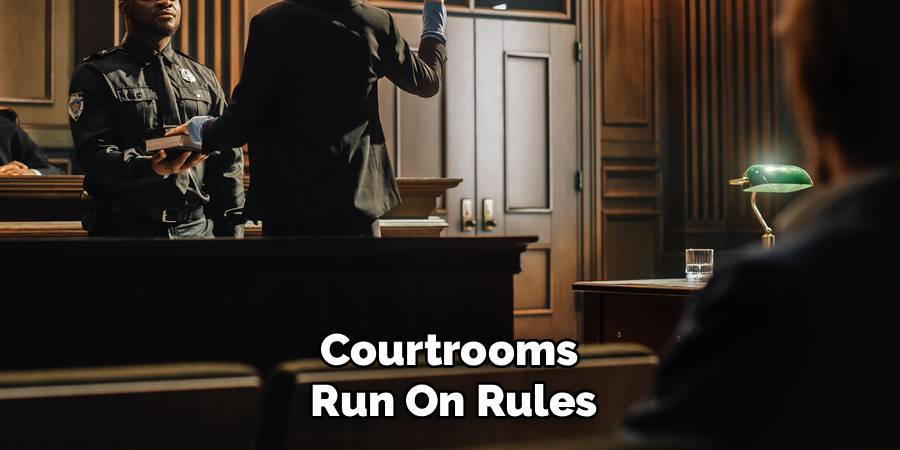
Courtrooms run on rules, timing, and roles. That structure can feel intimidating at first, yet it may also be reassuring once you understand it. Much of what seems stern or impersonal is simply routine. People stand at certain moments. They wait to be recognized before speaking. Proceedings move according to procedure rather than personal feeling.
It often helps to know who is in the room and what each person does. The judge oversees the hearing. The bailiff manages order and security. The court reporter or recording system preserves what is said. Lawyers handle arguments and questioning. Once those roles become clearer, the atmosphere may feel less mysterious. What first registers as a threat sometimes turns out to be formality—nothing more, though in the moment it may not feel like “nothing.”
7 Simple Step-By-Step Guidelines on How to Stay Calm in Court
Step 1: Prepare Thoroughly Before the Hearing
Preparation will not erase anxiety, but it usually reduces the kind that comes from uncertainty. Start before the hearing date if you can. Review your documents carefully. Make sure you know what papers you need, what the central facts are, and which issues are likely to matter most. If you have an attorney, ask what kinds of questions may come up and what the overall sequence of the hearing is likely to be.
That familiarity can make a real difference. People under stress often worry less about the courtroom itself than about blanking at the wrong moment. Knowing your file, your timeline, and your own account of events gives you something steady to return to. It may also help to practice answering likely questions aloud. Not perfectly. Just clearly. Hearing your own voice say the facts in a calm, ordinary tone can make the actual experience feel less foreign.
Step 2: Practice Deep Breathing Techniques
Anxiety often shows up first in the body. Breathing gets shallow. Shoulders tighten. The heart begins to race, and then the mind notices the racing heart and assumes something is going very wrong. That loop can build quickly.
Slow breathing may interrupt it. A simple pattern—inhale through the nose for four counts, pause briefly, then exhale slowly through the mouth—can sometimes lower physical tension enough to prevent a spiral. This is not magic, and it may not fully stop severe panic. Even so, it often helps more than people expect.
The advantage is that you can do it without drawing attention to yourself. While waiting in the gallery, sitting beside counsel, or listening to a question, you can quietly lengthen your exhale and bring your attention back to your body. If the body settles a little, the mind may follow. Not always immediately. But often enough to matter.
Step 3: Dress Professionally and Comfortably
Clothing affects more than appearance. It can shape how a person feels in a formal setting, and the court is undeniably formal. Conservative, neat clothing generally signals respect for the process and reduces the chance that you will feel out of place the moment you walk in.

Comfort matters too, perhaps more than some style advice suggests. If your shoes pinch, your jacket pulls when you sit, or your collar keeps shifting, those small irritations can become surprisingly distracting during a long wait or a tense exchange. Court appearances rarely become easier because someone is physically uncomfortable. A better approach is to choose clothing that is appropriate, understated, and easy to sit and move in for several hours. You want as few unnecessary distractions as possible.
Step 4: Arrive Early to Settle Your Nerves
Running late is one of the fastest ways to worsen an already stressful day. Courthouses may involve traffic, parking delays, long hallways, crowded elevators, and security screening that takes longer than expected. None of that is dramatic; all of it is common.
For that reason, arriving at least thirty minutes early—and sometimes more—can be worth the effort. Extra time gives you room to find the right courtroom, check in if needed, use the restroom, and sit quietly before the hearing begins. That pause matters. It lets your body catch up to your schedule.
There is also a psychological benefit. When you arrive early, you are not entering the day in chase mode. You have a chance to observe the environment, notice where people are sitting, and adjust to the tone of the room. It is easier to stay measured when the day does not begin with a sprint.

Step 5: Listen Carefully and Speak Slowly
Stress can make people answer too quickly. They hear half a question, anticipate the rest, and start talking before they have fully processed what was asked. In court, that tendency can create confusion and sometimes unnecessary trouble.
A short pause before answering is usually wise. It gives you a moment to make sure you understood the question. It may also give your attorney time to object, if an objection is appropriate. That second or two can feel long to you, but it rarely looks strange to anyone else.
When you do answer, aim for clarity rather than speed. Speak slowly enough that the court reporter, judge, and attorneys can follow you. If a question is unclear, say so. Ask for it to be repeated or rephrased. Guessing helps no one. In fact, one mark of credibility is restraint: answering what was asked, no more and no less.
Step 6: Maintain Neutral Body Language
People often focus on what they plan to say and forget that posture, facial expression, and visible reactions are part of the courtroom experience too. Judges and juries, where juries are involved, notice more than words. So do attorneys.
Neutral body language does not mean becoming robotic. It simply means avoiding displays that may be read as contempt, agitation, or defiance—eye-rolling, dramatic sighs, folded arms, muttering, visible frustration. Those reactions are understandable, especially in emotionally charged cases, but they can work against you.
Try to sit upright without becoming stiff. Keep your hands relaxed. Maintain appropriate eye contact when speaking or listening. If opposing counsel says something you strongly disagree with, let your lawyer address it through the process rather than through your expression. That is easier said than done. Even so, outward steadiness often supports inward steadiness, at least to some degree.

Step 7: Rely on Your Legal Representation
If you have a lawyer, use that support. Clients sometimes feel pressure to manage every detail themselves, especially when the outcome feels deeply personal. Yet courtroom advocacy is, in large part, your attorney’s job. They are there to make legal arguments, track procedure, object when necessary, and help you avoid preventable mistakes.
Trust does not require passivity. You should understand the broad shape of your case and ask questions when something is unclear. But you do not need to carry the full procedural burden alone. In fact, trying to do so may increase stress without improving the result.
If you begin to feel overwhelmed during the hearing, look to your attorney for guidance. In some situations, counsel may be able to request a brief pause or quietly explain what is happening. Not every moment can be slowed down, of course. Courts run on schedules. Still, knowing that someone beside you understands the process can make the experience feel more manageable. Following these steps on how to stay calm in court can help you make the most out of your hearing and achieve the best possible outcome.
Learn From Others’ Experiences
There can be real comfort in hearing from people who have already been through court. Many describe spending days—or weeks—imagining a scene far worse than the one that actually unfolded. That does not mean their hearings were easy. Some were not. But the experience was often more procedural and less theatrical than they had feared.
Online forums, support groups, and legal resource communities can offer a practical perspective, though they should be approached with some caution. Personal stories are useful for emotional preparation; they are not a substitute for legal advice. Even so, reading that others felt shaky, showed up anyway, and got through the day may help normalize your own anxiety. The court can feel isolating. It usually is not as singular an experience as it seems in advance.
What to Do After the Hearing?
When the hearing ends, resist the urge to process everything at once. Take a breath. Leave the courtroom calmly. If you have counsel, speak with them outside about what happened, what the judge decided—if anything was decided that day—and what comes next.
It is also wise to be careful in hallways and public spaces. Court staff, opposing counsel, witnesses, and other parties may still be nearby. A loud post-hearing conversation can create problems or, at the very least, unnecessary discomfort. Once you are able to leave, give yourself time to decompress. Adrenaline does not disappear the instant the session ends. Many people feel shaky, tired, or oddly flat afterward. That is not unusual.
Frequently Asked Questions
Q1: What Should I Do If I Start Feeling A Panic Attack In Court?
If you sense panic rising, return to the most immediate physical anchors you have. Slow your breathing. Press your feet into the floor. Notice the chair beneath you or the table in front of you. Those grounding techniques may help interrupt the escalation.
If you are represented by counsel, you can quietly let your attorney know what is happening. In some circumstances, they may ask the judge for a brief recess. A short break, a drink of water, and a few minutes in the hallway may be enough to help your nervous system settle. Severe panic symptoms can feel frightening, and sometimes medical or mental health support is needed beyond the courtroom. Still, in the moment, simple grounding steps are often the most practical first response.
Q2: Is It Okay To Show Emotion During My Testimony?
Yes. In many cases, emotion is natural and entirely understandable. Testimony may involve painful events, family conflict, financial strain, or deeply personal facts. Expecting a person to speak with no feeling at all would be unrealistic.
The issue is not whether you show emotion; it is whether the emotion begins to overtake your ability to answer questions. Crying briefly, pausing, or needing a moment does not usually undermine credibility. Angry outbursts, shouting, or speaking over others may. If you feel yourself losing control, stop, breathe, and take a moment before continuing. Composure is not the absence of feeling. It is the ability to keep going without letting the hearing unravel.
Q3: Can I Bring A Support Person With Me To The Courtroom?
Often, yes. Many court proceedings are open to the public, which means a friend or family member may be able to sit in the gallery. Their presence can make the room feel less alien and less lonely, especially if you are anxious.
That said, courtroom rules vary, and some matters involve restrictions, privacy concerns, or limited seating. It is worth checking in advance with your attorney or the court if you are unsure. If someone does come with you, make sure they understand the expectations: no speaking, no gestures, no interruptions, no visible reactions to testimony. Support is helpful. Disruption is not.
Moving Forward With Confidence
A court appearance may never feel easy, and there is no reason to pretend otherwise. But it does not have to become unmanageable. Careful preparation, realistic expectations, physical self-regulation, and support from counsel can make the experience far more navigable than many people fear.
So take your time. Breathe before you answer. Listen closely. Let procedure do some of the work of holding the day together. You do not need to be perfectly calm to get through court well. You only need enough steadiness to stay present and respond with care. Thanks for reading this guide on how to stay calm in court.

About
Joe Herman is a distinguished figure in the world of personal development, with a decade of expertise creating innovative and sustainable self-improvement frameworks. His professional focus lies in merging cognitive behavioral strategies with modern productivity techniques, fostering habits that are both practical and mentally sustainable. As the lead author of selfvity, Joe Herman delves into the art and science of human potential, inspiring individuals and industry professionals alike to optimize their daily lives.
Education
Stanford University
(Stanford, California) Associate Degree in Behavioral Psychology — Focus on habit formation, cognitive restructuring, and peak performance. Gained hands-on experience with psychological assessment tools and data-driven behavioral modification.
University of Pennsylvania
(Philadelphia, Pennsylvania) Bachelor’s in Positive Psychology and Human Potential (Honors) — Specialized in the science of well-being with a focus on blending psychological theory with actionable growth techniques. Participated in extensive research projects, working with leading wellness consultants to gain real-world insights into human motivation.
Publications and Impact
In selfvity, Joe Herman shares his insights on internal growth processes, mental material, and strategies for efficient lifestyle design. His writing bridges the gap between scientific research and everyday application, making it a must-read for both individuals seeking personal clarity and seasoned professionals looking to refine their mental edge.




